Decentralized Internet Access vs. Traditional ISPs: Which is Better for Privacy?
TL;DR
- ✓ Traditional ISPs act as gatekeepers that log and monetize your personal browsing activity.
- ✓ DePIN networks replace centralized servers with peer-to-peer nodes for improved user anonymity.
- ✓ Decentralized VPNs use cryptographic protocols to remove the need for trusted intermediaries.
- ✓ Blockchain-based networks prevent single points of failure and surveillance-heavy data mandates.
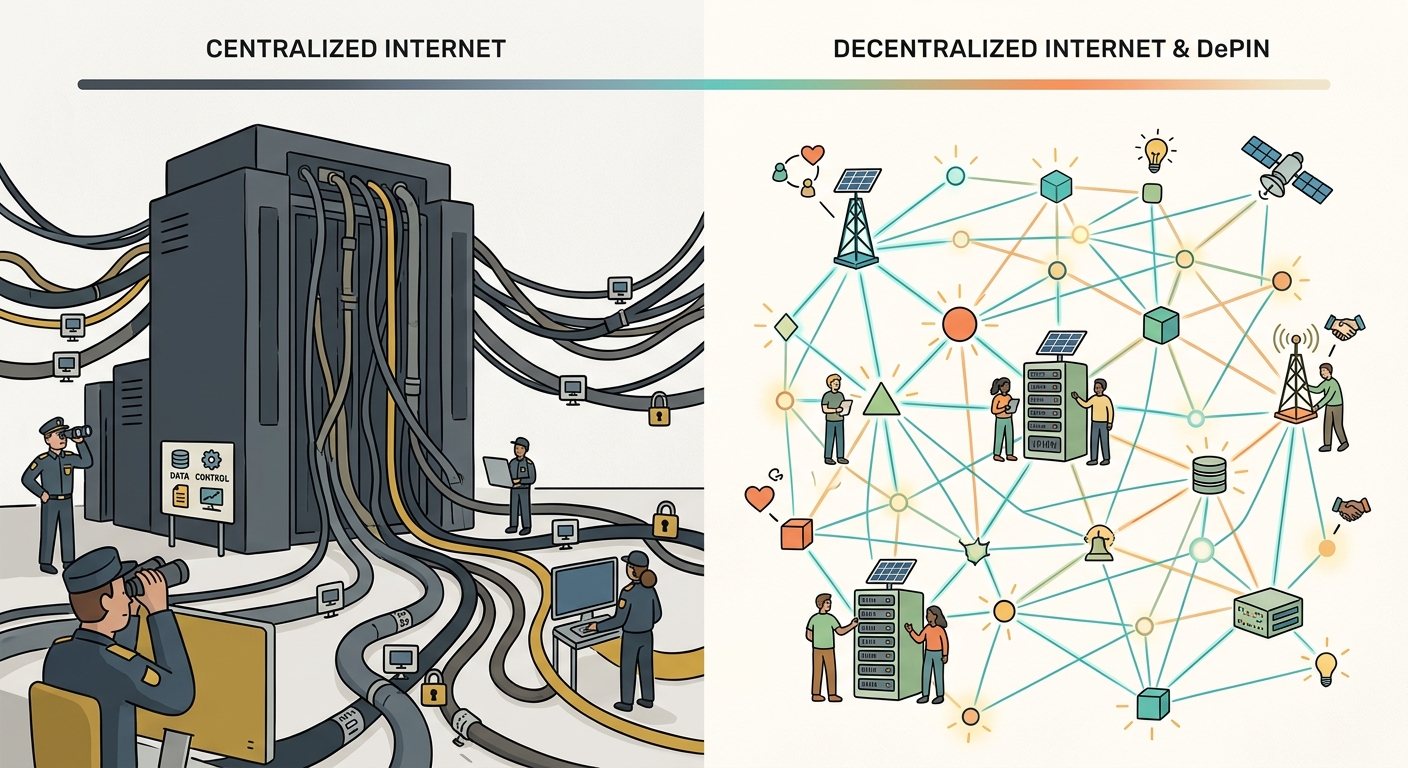
The core difference between traditional internet service providers (ISPs) and decentralized infrastructure isn't just technical—it's a fundamental shift in trust. When you sign up with a standard ISP, you’re essentially handing the keys to your digital house to a gatekeeper. They keep a granular, timestamped map of your digital life. Every site you visit, every hour you stay up, every purchase you make—it’s all logged.
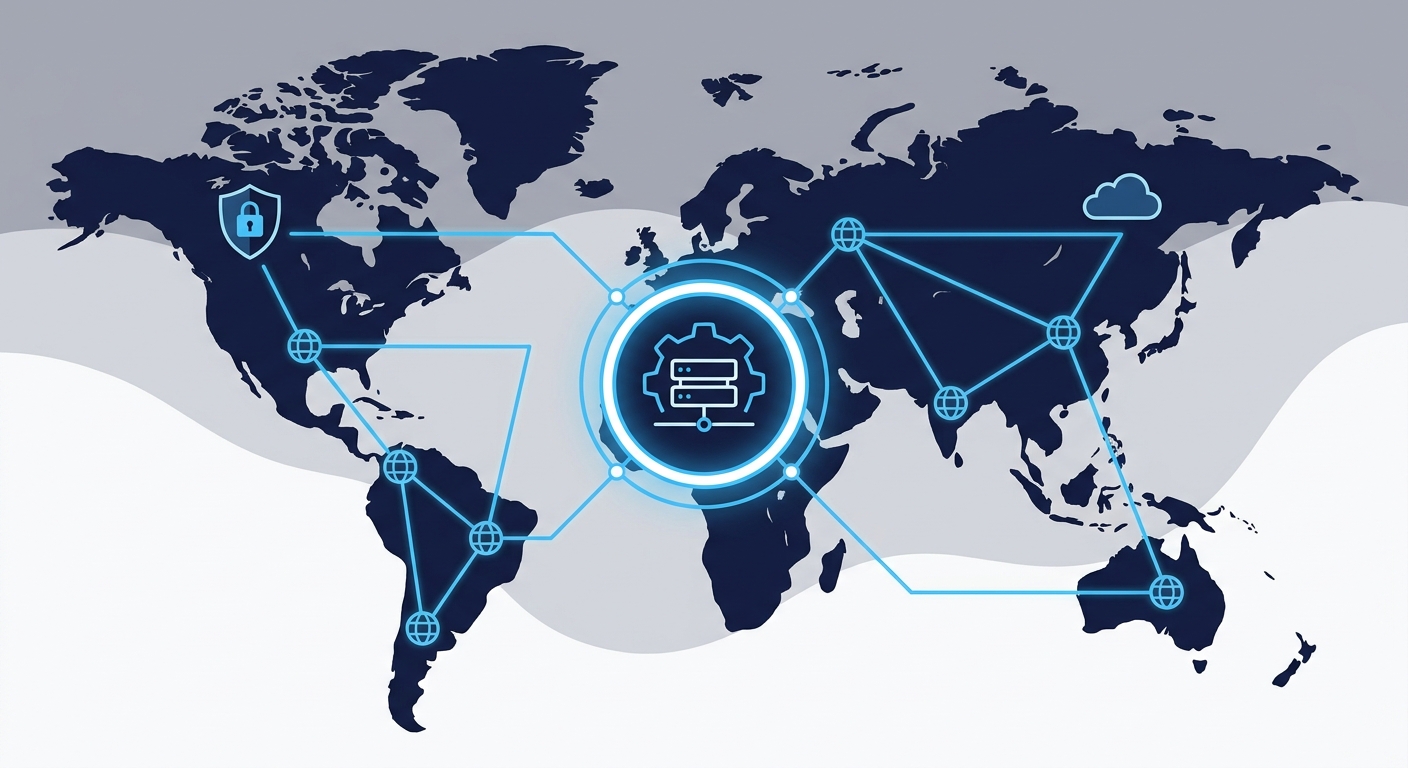
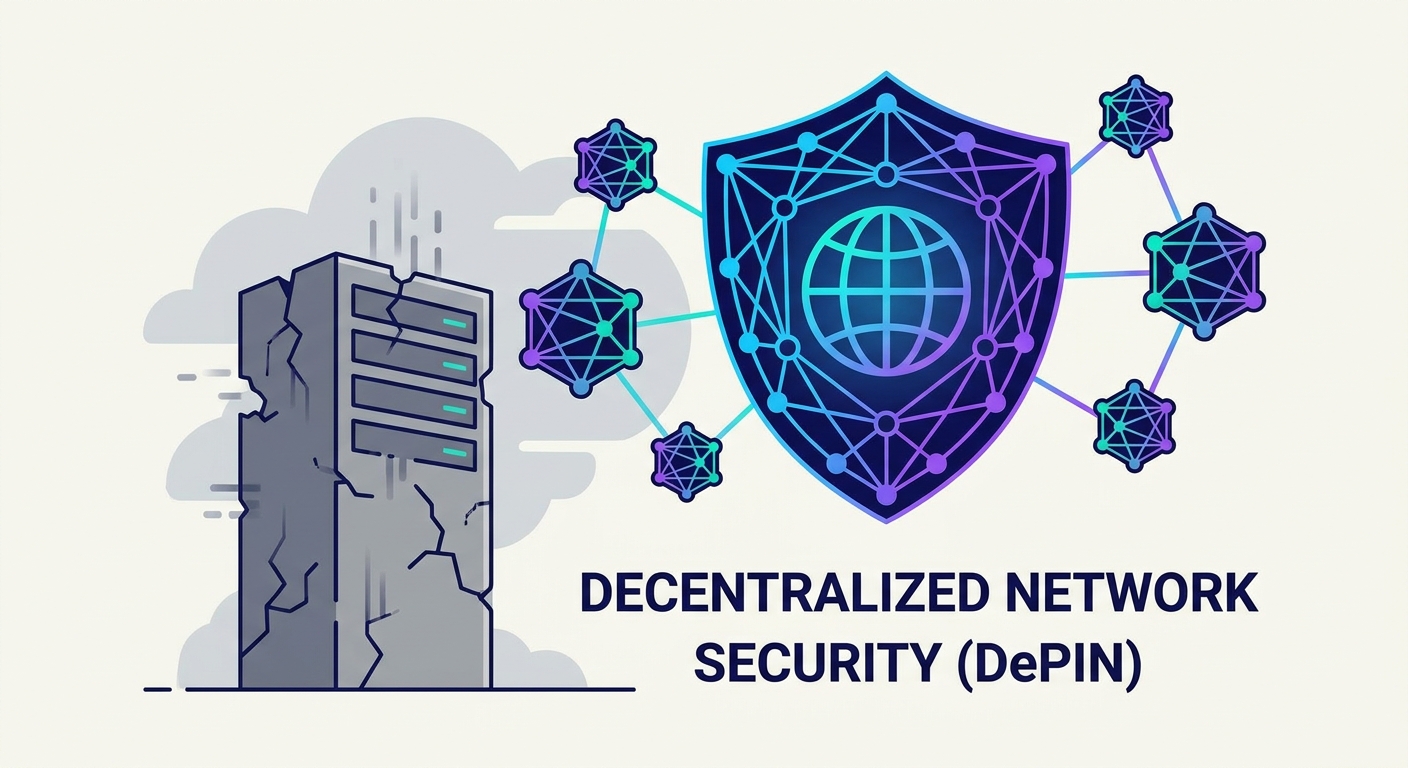
Enter DePIN—Decentralized Physical Infrastructure Networks. These networks flip the script. Instead of relying on a central authority, they distribute bandwidth across a global, peer-to-peer mesh. While traditional ISPs are bound by profit-hungry data mandates and jurisdictional laws, decentralized networks lean on cryptographic protocols. They turn your connection from a "tracked session" into a "trustless relay."
Why the Traditional ISP Model Is Inherently Flawed
For years, we’ve treated our ISP like a utility company. We assume they’re just the "pipes" bringing the internet to our door. But that’s a dangerous fantasy. Your ISP sits at the apex of your digital footprint. They have the technical muscle to log every domain you request, every unencrypted byte you transfer, and exactly where you are in the world when you do it.
This isn't some paranoid conspiracy theory. As documented by the EFF’s extensive documentation on ISP data tracking, the modern ISP business model is often subsidized by selling your metadata. You aren’t just a customer; you’re the product. They curate your profile to inject ads, throttle your traffic, or comply with government surveillance requests—all without you ever knowing. You’re riding on their conveyor belt, and they’re watching exactly where you’re headed.
How the Decentralized Model Actually Works
Decentralized internet access, often powered by dVPNs (Decentralized Virtual Private Networks), cuts out the middleman. Instead of routing your data through a corporate server farm owned by a conglomerate, your connection hops through a distributed grid of independent nodes.
The magic happens on the blockchain. Smart contracts incentivize everyday people to act as node operators, keeping the network running. Because no single entity owns the show, there’s no "master log" for a lawyer to subpoena.
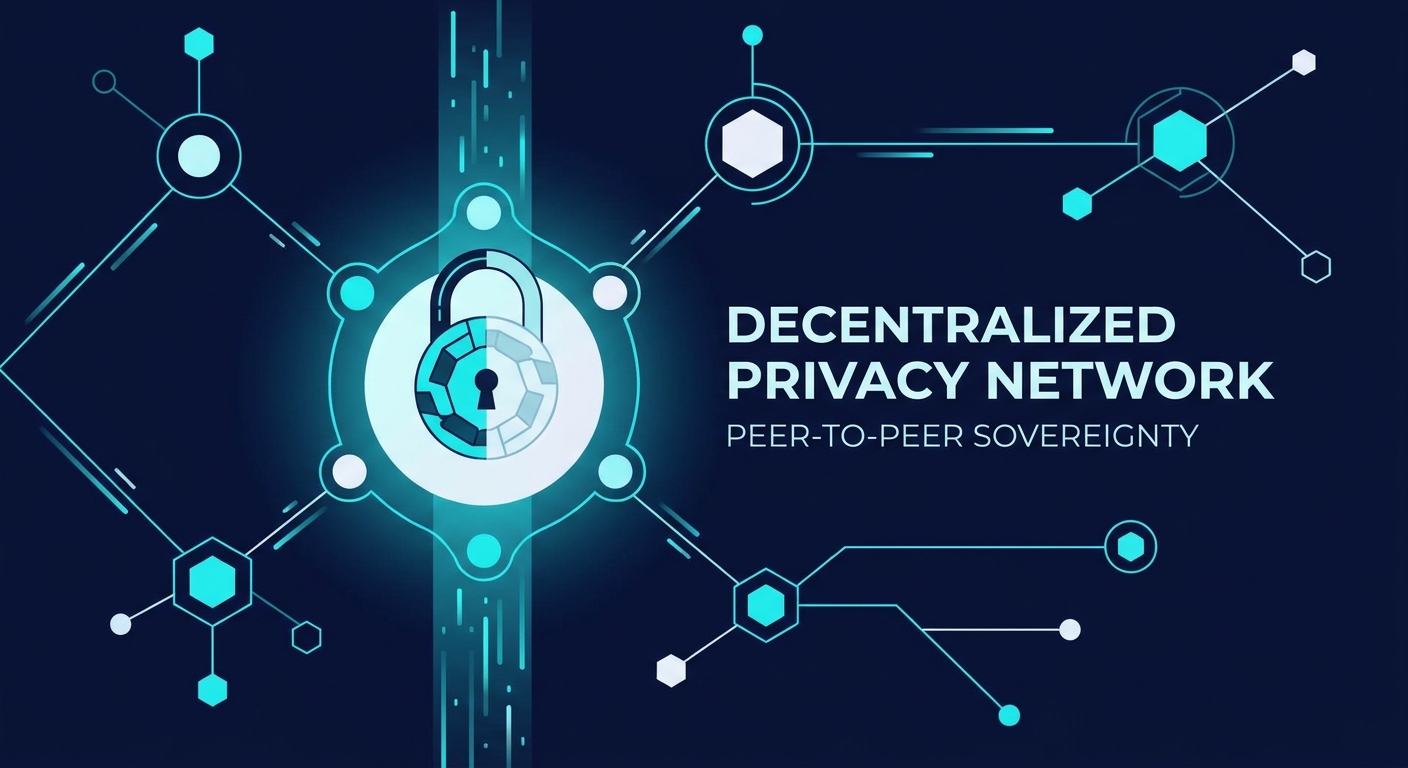
In this decentralized flow, Node A doesn't know where you’re going, and Node B doesn't know where you started. It’s like an onion-routing style approach. It makes it mathematically difficult for any one party to piece together your browsing habits. You aren't trusting a company’s glossy "privacy policy"; you’re trusting the cold, immutable logic of the code.
Centralized VPNs vs. dVPNs: What’s the Real Trade-off?
Let’s be real: decentralization isn't a silver bullet. The privacy industry loves to frame this as a struggle between comfort and sovereignty. Centralized VPNs—like the infrastructure powering SquirrelVPN—are built on massive, optimized backbones. They are fast. They are stable. If you want to stream 4K video or engage in high-frequency trading, they work beautifully. You’re essentially trading your metadata for a seamless, high-performance experience.
On the other hand, dVPNs are a paradigm shift. As noted in this technical comparison of dVPNs and centralized VPNs, the trade-off is usually speed and stability. Because your traffic bounces through a scattered, heterogeneous collection of nodes, latency can be a nightmare. You might get better anonymity, but you might also get a spinning buffering wheel. The question you have to ask yourself is: do I want a perfect streaming experience, or do I want to scrub the corporate middleman out of my connection path entirely?
The "Exit Node" Vulnerability: Why HTTPS Still Matters
There’s a dangerous myth floating around the privacy community: the idea that because a network is decentralized, it’s invincible. That’s just not true. Researchers, particularly those from KAUST, have pointed out that while dVPNs solve the logging problem, they create a new risk at the "exit node."
The exit node is the final stop in your digital journey. It’s where your traffic leaves the encrypted tunnel and hits the open internet. If you land on a website that doesn't use HTTPS, the exit node operator can see exactly what you’re doing. They can intercept your requests, read your data, and potentially inject junk into your stream. Decentralization obscures the path, but it doesn't make the data inside the envelope invisible. Treat every exit node as a potential adversary. Using HTTPS isn't a recommendation anymore; it’s a non-negotiable part of digital hygiene.
Can You Really Monetize Your Privacy?
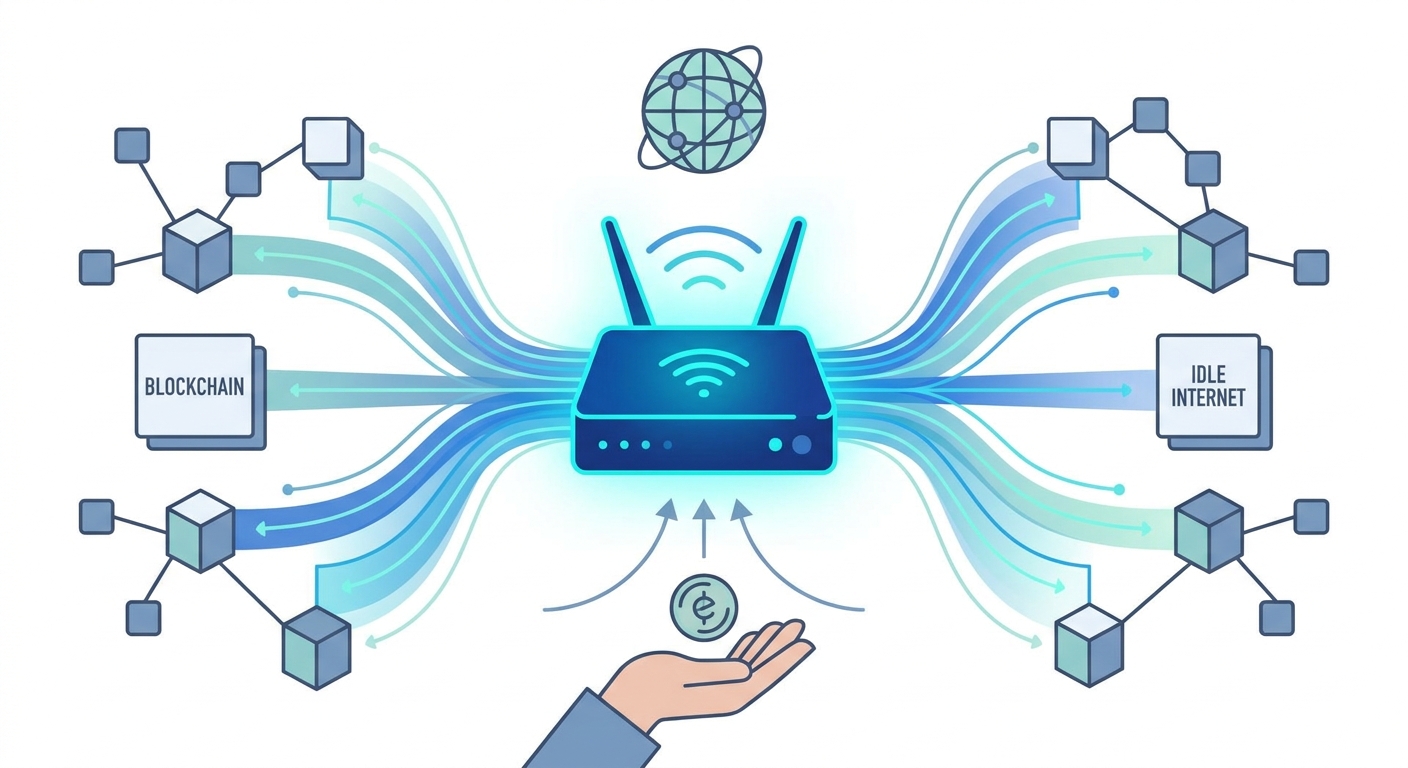
The "Airbnb for Bandwidth" model is gaining steam. It turns the average home user into a mini-ISP, earning tokens for contributing capacity. It sounds like a dream—getting paid to surf the web. But be careful.
When you run a node, you’re acting as a relay for someone else's traffic. If a bad actor uses your node to access illegal content or launch a DDoS attack, your public IP address is the one that’s going to show up on the logs. While some dVPN protocols have safety features, the legal risk is real. For most people, the passive income just isn't worth the headache of potentially becoming a front for someone else’s illicit activities.
A Privacy Checklist for 2026: How to Harden Your Connection
Privacy isn't a one-and-done purchase. It’s a process. Whether you go with a traditional audited VPN or a bleeding-edge dVPN, you need to layer your defenses.
- Audit the Provider: Don't take a company’s word for it. Look for third-party audits of their infrastructure, such as the transparency standards we maintain in our privacy policy.
- Browser-Level Hardening: Use privacy-focused browsers, nuke your third-party cookies, and install a solid ad-blocker.
- Kill Switch Protocols: If your connection to the node drops, your internet needs to stop dead. A reliable kill switch prevents your real IP from leaking into the void.
- Endpoint Security: Use a VPN that supports modern, lightweight protocols. Avoid anything relying on ancient, bloated encryption standards.
- DNS Management: Encrypt your DNS requests. This stops your ISP from sniffing out your domain requests, even when you aren't actively using a VPN.
Verdict: Which Approach Is Better for Your Needs?
"Better" is a subjective term. If you’re a casual streamer who just wants to bypass regional geoblocks without a degree in computer science, a reputable, established centralized VPN is still the way to go. It’s fast, it’s reliable, and it’s user-friendly.
If, however, you’re a privacy maximalist operating in a high-risk environment, the decentralized model is the logical evolution. It removes the single point of failure. It makes it impossible for a single CEO, a bored sysadmin, or a government agency to force a mass data handover. The decentralized internet is still in its infancy, and it takes some patience to master, but it’s the only path toward a truly resilient, censorship-resistant future.
Frequently Asked Questions
If I use a dVPN, can my ISP still see what I am doing?
Your ISP will know you’re connected to a network node, but they won't be able to see the specific websites you’re visiting or the content of your encrypted traffic.
Are dVPNs safer than commercial VPNs?
It depends on how you define "safe." dVPNs kill off the "central point of failure," but they force you to rely on the integrity of anonymous, distributed node operators instead of a company you can hold accountable.
Can I really make money sharing my bandwidth?
Yes, via DePIN projects. You can earn tokens for providing bandwidth, though your take-home pay will fluctuate wildly based on network demand, connection quality, and your local market.
Does decentralized internet access guarantee 100% anonymity?
No. Decentralization removes the central logging entity, but you still need to practice good digital hygiene (like using HTTPS and not logging into sensitive accounts on insecure sites) to keep your identity safe from exit node operators.