Airbnb for Bandwidth: How to Monetize Your Idle Internet with P2P Networks
TL;DR
- ✓ Turn your unused home internet connection into a consistent source of passive income.
- ✓ Leverage DePIN technology to bypass centralized ISP limitations and corporate data tracking.
- ✓ Participate in decentralized networks to provide secure, censorship-resistant access for global users.
- ✓ Earn crypto rewards by contributing your residential bandwidth to a peer-to-peer marketplace.
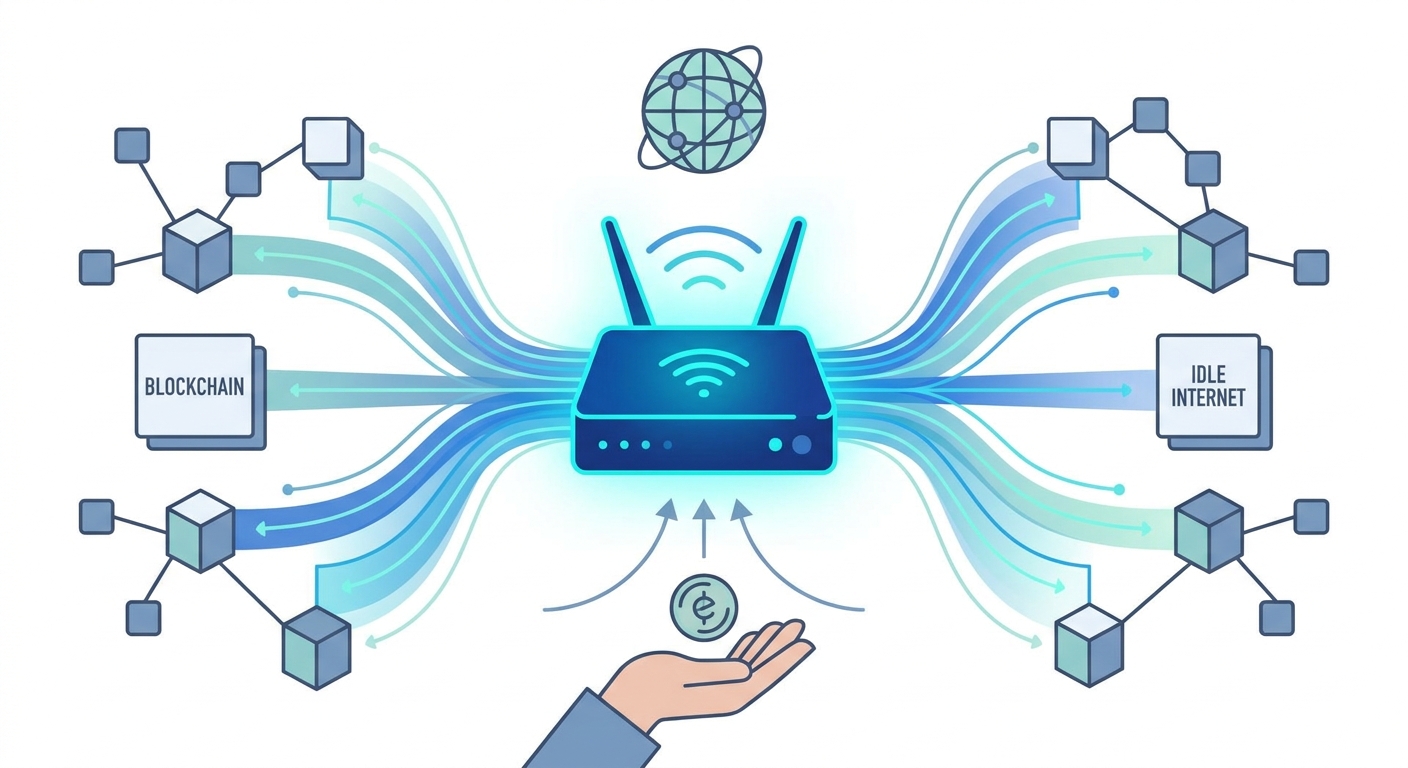
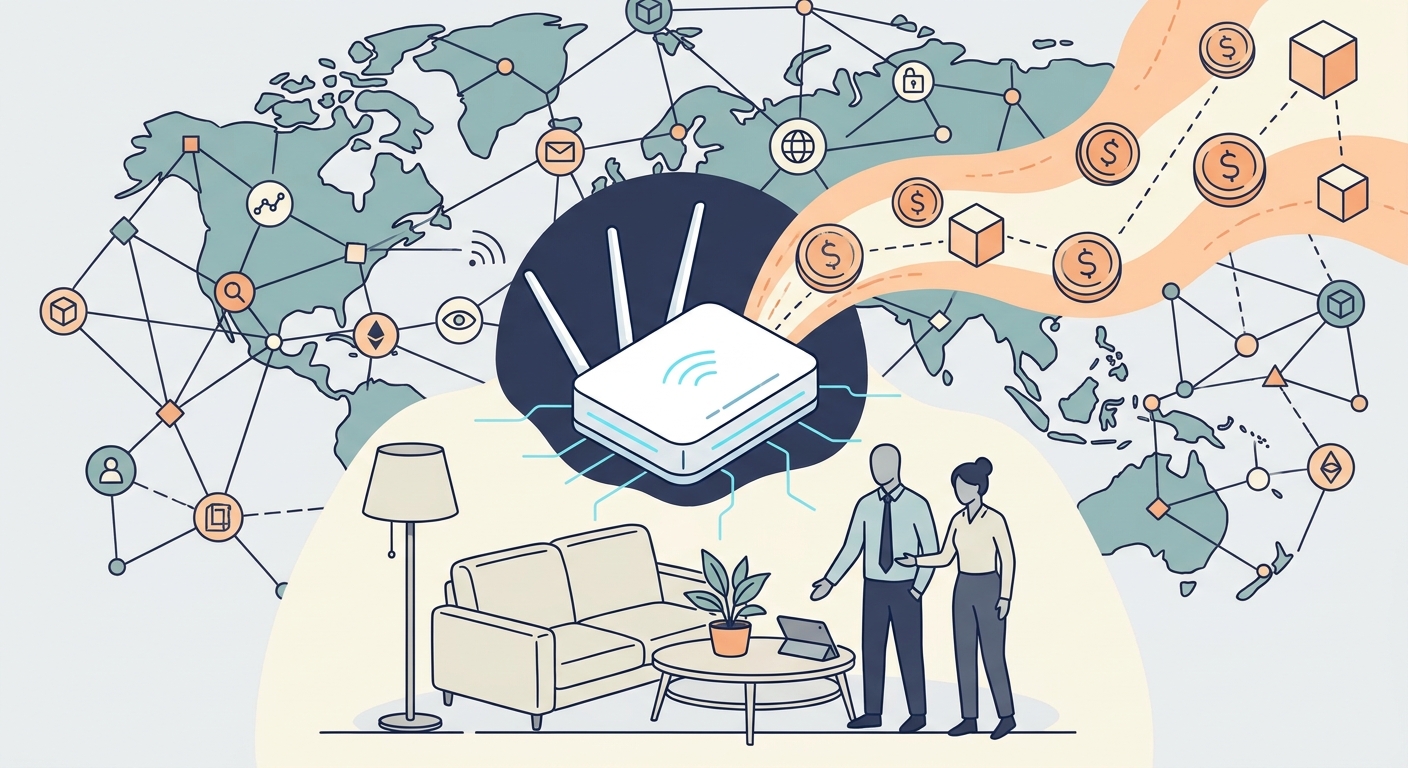
Your home internet connection is a goldmine you’re currently giving away for free. Every day, gigabytes of your bandwidth sit idle while you sleep or commute—a wasted asset in an increasingly connected economy. By plugging into the DePIN (Decentralized Physical Infrastructure Network) revolution, you can flip your router from a passive utility into a revenue-generating node. It’s not just about picking up a few extra bucks; it’s about clawing back a piece of the digital infrastructure that Big Tech has monopolized for far too long.
Why Legacy ISPs and VPNs Fail the Modern User
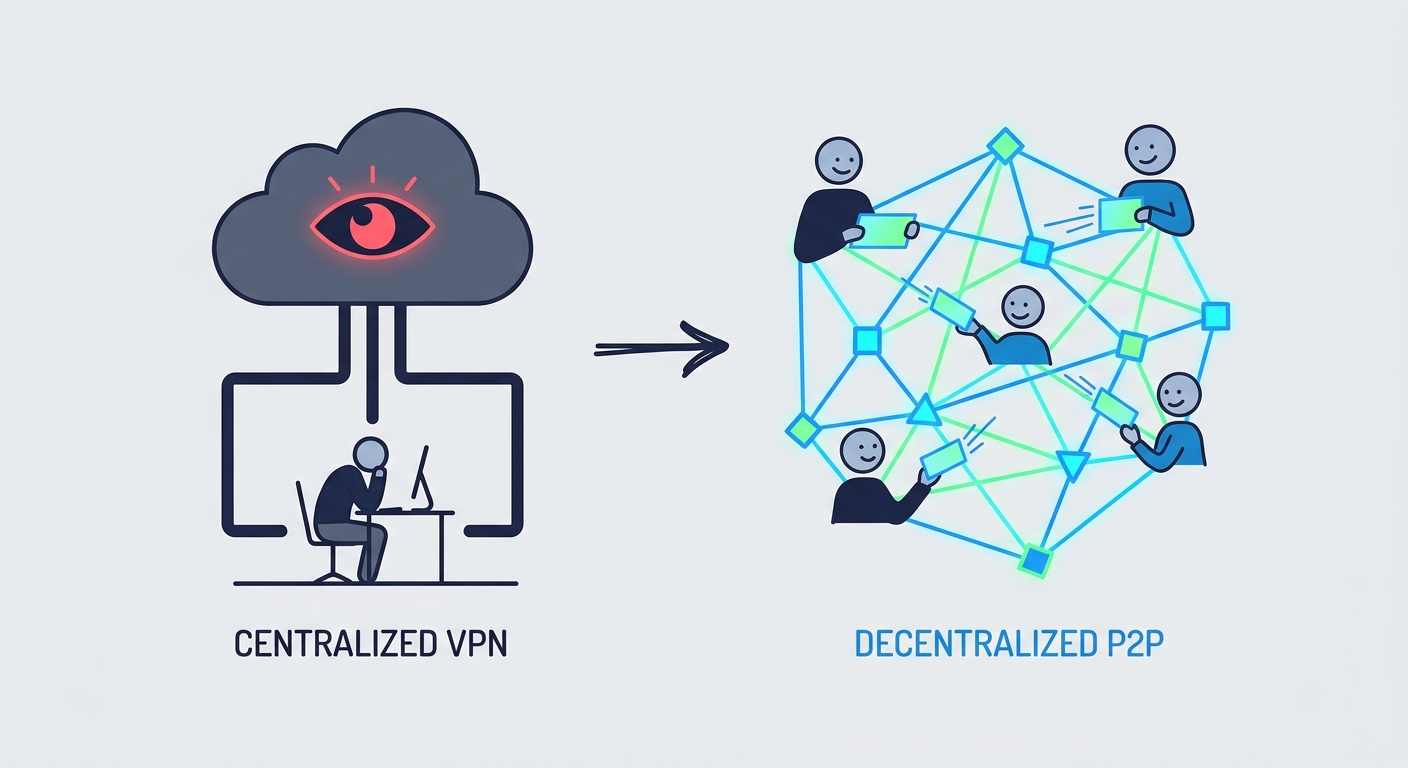
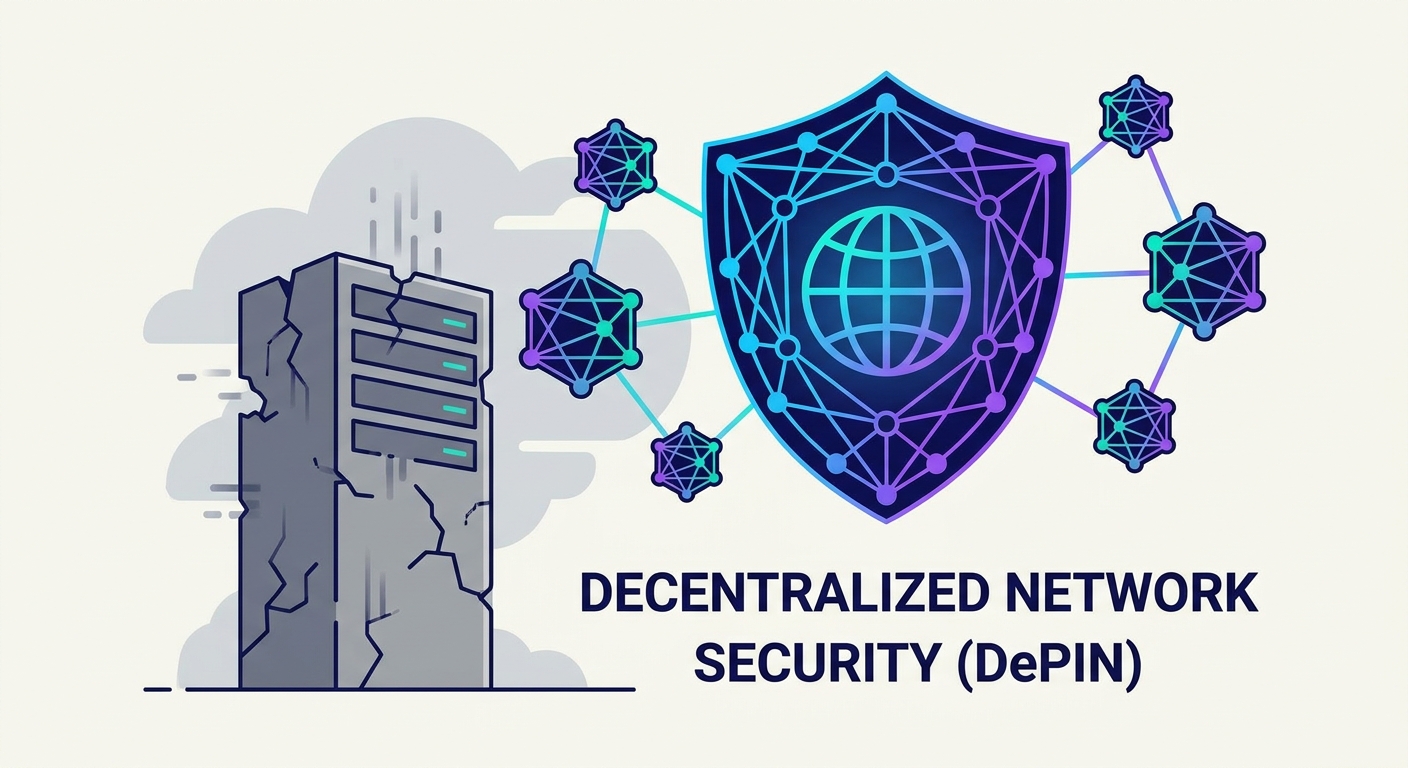
For most of the internet’s history, we’ve been stuck with a "hub-and-spoke" model. Your data gets funneled through massive, centralized data centers owned by a handful of corporate giants. These guys act like digital toll-takers. They monitor your traffic, throttle your speeds to protect their margins, and create single points of failure that can take out entire regions when a server farm glitches.
Then there’s the "privacy mirage." Corporate VPNs market themselves as the ultimate shield, but they’re just playing the same game. They operate on those exact centralized data centers they claim to protect you from. When you use a "big name" VPN, you aren’t hidden—you’re just shifting your trust from your ISP to a VPN company. These firms often keep logs, and because their IP addresses are flagged as "data centers" by streaming services and websites, you’re constantly getting blocked, blacklisted, or forced to jump through hoops.
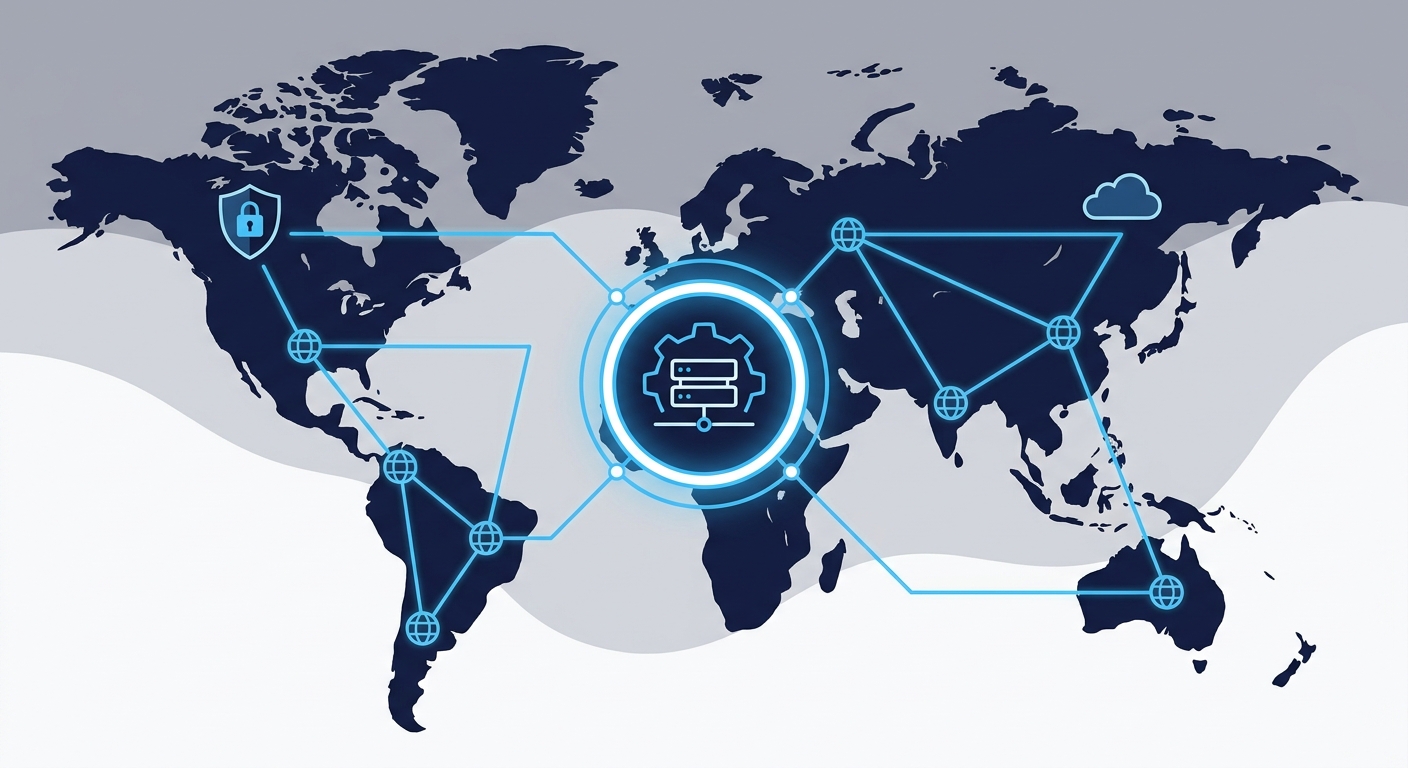
The real leverage is found in the residential IP advantage. Websites trust residential connections because they look like real, human households. When you run a decentralized node, your connection becomes part of a global, mesh-like fabric. You stop being a passive consumer and start becoming the infrastructure itself.
How Does the "Airbnb for Bandwidth" Model Actually Work?
Think of it as a two-sided marketplace. On one side, you’ve got Node Providers—folks like you who share their spare bandwidth. On the other, you have Privacy Seekers: researchers, journalists, and everyday users who need to route traffic through residential IPs to dodge censorship or geo-blocks.
The magic happens through a decentralized protocol that pools these connections. There’s no master server here. No "Big Brother" in the middle. Instead, the network uses Proof of Bandwidth, a trustless mechanism that verifies you’re actually delivering the data throughput you claim. It keeps the network honest without a central authority breathing down your neck.
Request Flow Comparison
What Are the Real-World Benefits of Decentralized Networks?
Censorship resistance is the big one. As noted in The State of Internet Censorship 2026, state-level throttling and domain blocking are getting worse every year. By routing traffic through a distributed P2P network, users can slip past these barriers because there’s no single "choke point" for censors to hit. If one node goes dark, the network just routes around it.
Beyond privacy, consider the AI gold rush. AI models are starving for distributed computing and bandwidth to scrape, verify, and process data at scale. Your idle bandwidth is the lifeblood of this new ecosystem. By contributing, you’re helping build a decentralized alternative to the black-box AI infrastructure currently being hoarded by the tech giants.
This is how you secure your digital autonomy. When you stop "renting" your presence through centralized middlemen and start owning your infrastructure, the power dynamic shifts. You aren't just a user anymore—you're a stakeholder.
Is Monetizing Your Bandwidth Profitable?
"Profit" is a moving target. It depends on hardware efficiency, your uptime, and regional demand. If you run a power-hungry server 24/7, your electric bill is going to eat your lunch. But most P2P node software is built for low-power gear—a Raspberry Pi or a standard home PC—which sips electricity like it's free.
Node Reward Lifecycle
You’re usually paid in native protocol tokens. In high-demand regions—places where the internet is heavily restricted—the hunger for residential IPs is massive, which can push your rewards higher. Don’t look at this as a "get rich quick" scheme. It’s a long-term play on the inevitable growth of decentralized infrastructure.
How Do You Get Started?
You don’t need a server room in your basement. Most node software is "set it and forget it."
- Hardware: Use what you’ve got. A stable connection and a device that stays on are all you need.
- Getting Set Up: Pick a project that fits your style. If you aren't sure where to start, check out the Best Decentralized VPNs of 2026 to see what’s out there.
- Optimization: Don't stress about slowing your connection down. Most protocols let you set "bandwidth caps," so your Netflix binge or your gaming session takes priority over the network traffic.
Dealing with the Risks: Security and Liability
The question I hear most is: "What if someone does something illegal through my connection?" It’s a fair concern. But dVPNs are built differently than those old-school proxy services.
Modern networks use "traffic isolation." When someone tunnels through your node, they're inside an encrypted layer that keeps their activity completely separated from your personal identity. You’re just a transit relay, not the final destination. Think of a post office: they sort the mail, but they aren't responsible for what's inside the envelopes. As this industry grows, legal frameworks are finally starting to treat node operators like the infrastructure providers they are, rather than content publishers.
Frequently Asked Questions
Can I get in legal trouble for the traffic passing through my node?
Modern dVPN protocols use advanced encryption and traffic isolation to ensure that node operators are not held liable for the data being routed through their IP. You are providing the pipe, not the water.
Will running a node slow down my personal internet speed?
Most node software includes bandwidth throttling settings. You can cap exactly how much of your upload speed is shared, ensuring your personal streaming or gaming remains completely unaffected.
Do I need specialized hardware to participate?
No. You can run most nodes on standard hardware, including a desktop PC, a laptop, or even low-power single-board computers like a Raspberry Pi.
Is the income stable, or is it volatile?
Earnings are tied to network demand and token pricing. Because it is a global marketplace, rewards fluctuate based on real-world usage, making it more akin to a variable utility revenue stream than a fixed salary.
How does "Proof of Bandwidth" keep the network honest?
PoB uses cryptographic challenges to ensure that the node operator is actually delivering the bandwidth they claim to provide, preventing bad actors from spoofing their participation to earn rewards.