What is a Web3 VPN? Understanding Tokenized Bandwidth and Privacy
TL;DR
- ✓ Web3 VPNs replace centralized servers with a secure peer-to-peer mesh network.
- ✓ Traditional no-log promises fail because companies remain subject to legal subpoenas.
- ✓ Tokenized bandwidth incentivizes independent nodes to provide private and censorship-resistant access.
- ✓ Decentralized physical infrastructure networks ensure no single entity can track your traffic.
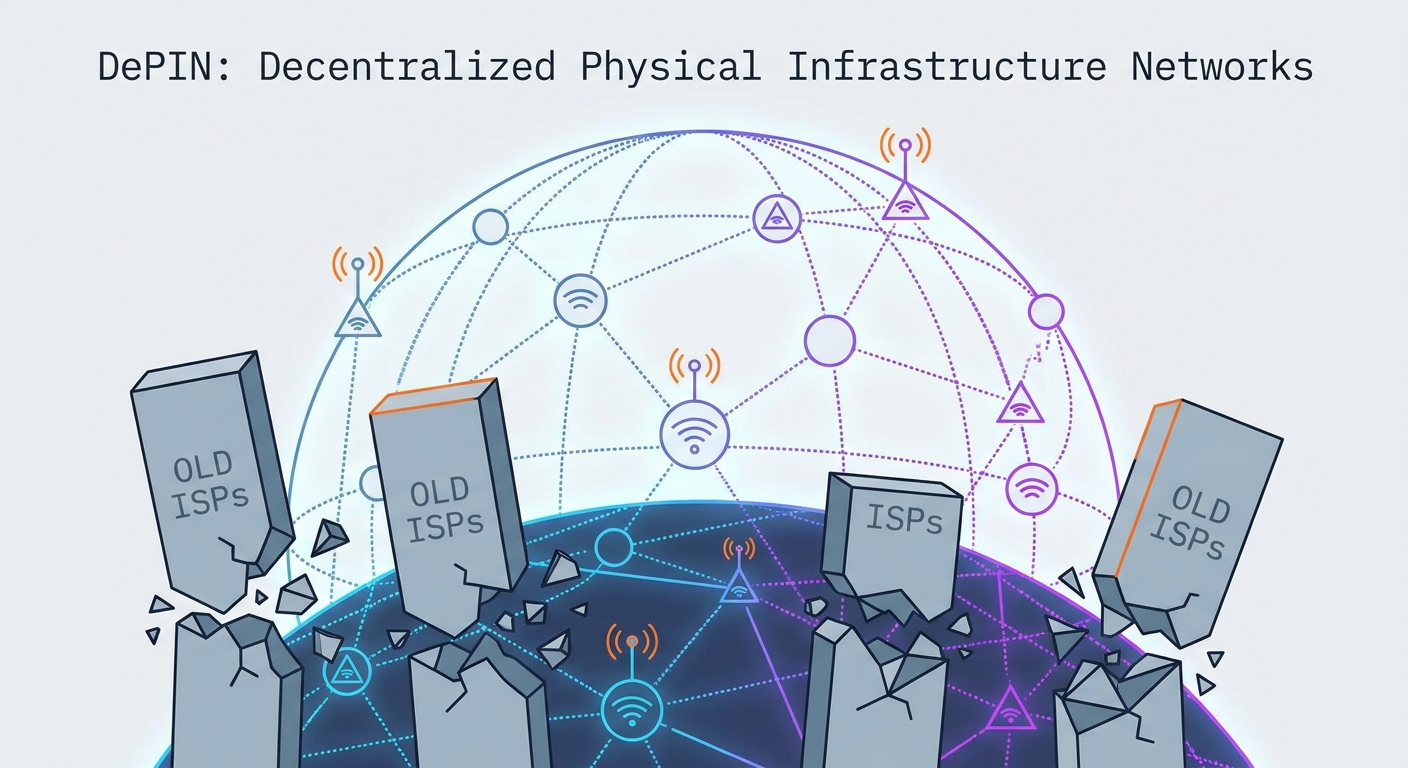
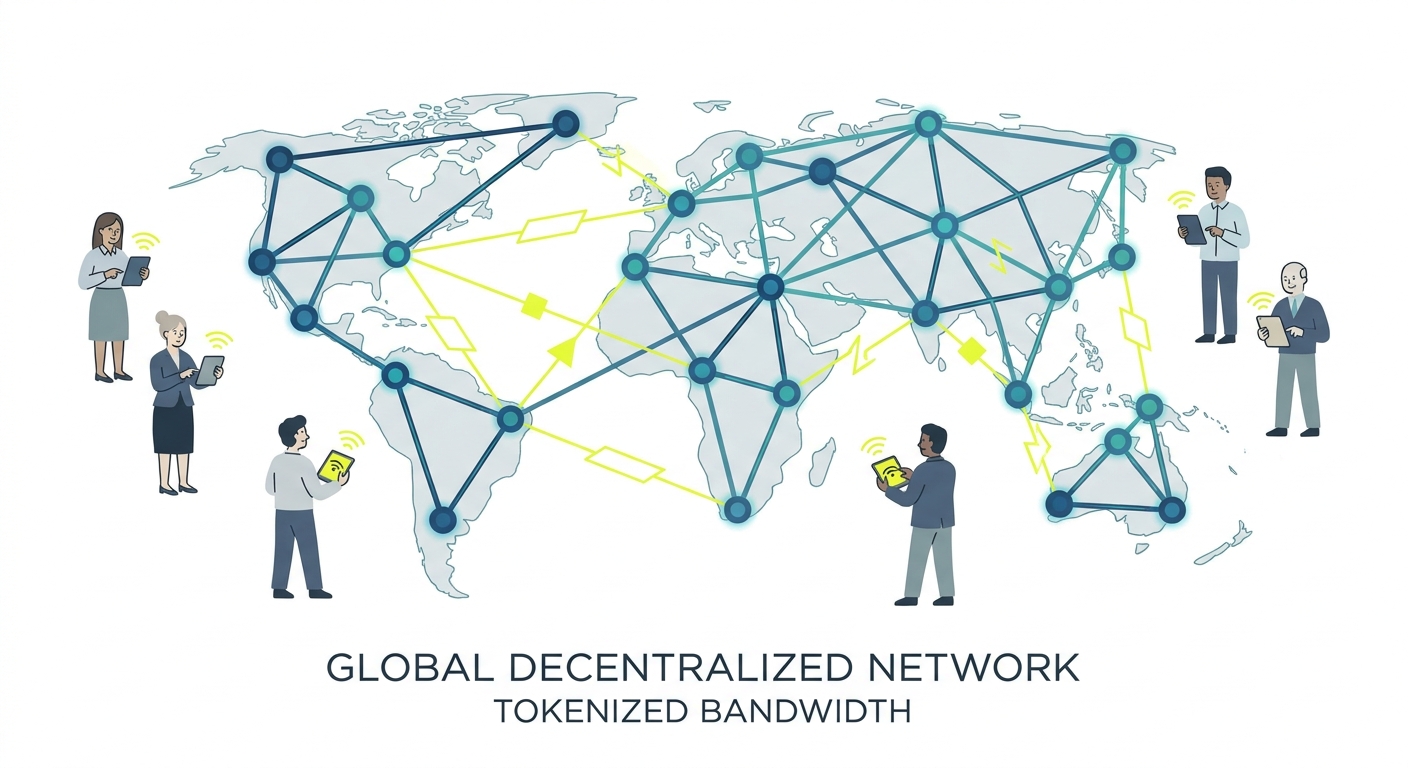
A Web3 VPN—or dVPN, if you’re into the shorthand—is a decentralized, peer-to-peer network. Think of it as a complete teardown of the traditional VPN model. Instead of relying on a centralized corporate server farm, you’re plugging into a global grid of independent, distributed nodes.
We’ve lived for years in a "hub-and-spoke" world where one service provider holds the keys to the kingdom. That’s a single point of failure waiting to happen. If you’re still using a legacy VPN, you aren’t just buying privacy—you’re buying a subscription to a centralized honey pot of data. It’s time to face the music: traditional VPNs are becoming obsolete. If you actually care about owning your digital footprint, the old way of doing things just doesn't cut it anymore.
The Myth of the "No-Log" Promise
For a decade, the industry has shoved "No-Log" policies down our throats as the gold standard. But let’s keep it real: a "No-Log" promise is just that—a promise.
When you connect to a big-name VPN, you’re entrusting a corporation to honor its internal policy. That’s it. You’re banking on the integrity of a board of directors. But these companies live in the real world, subject to real-world jurisdictions. When a government agency shows up with a subpoena, that "No-Log" policy usually goes straight into the shredder. They comply, or they get shut down. It’s not a technical guarantee; it’s a legal choice.
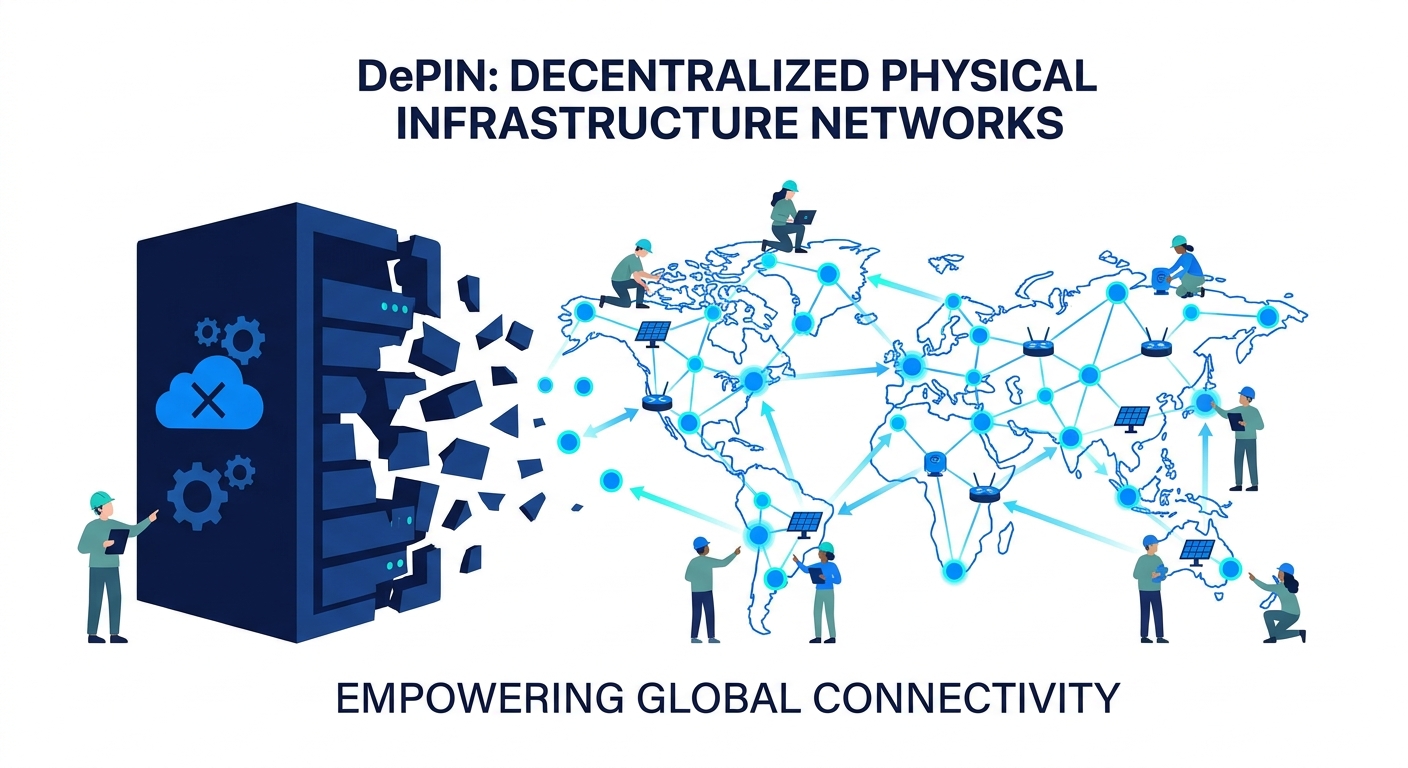
Web3 VPNs flip the script. They remove the entity that can be subpoenaed in the first place. There is no corporate headquarters to raid. There is no central database to seize. By routing your traffic through a distributed network of independent relays—often powered by DePIN (Decentralized Physical Infrastructure Networks)—you break the chain of custody. No single actor has the whole picture of your traffic.
How the Architecture Functions
In a traditional setup, your data travels from your device to a server owned by a VPN company, then out to the internet. It’s a bottleneck. If that server is compromised, monitored, or forced to log your activity, your anonymity evaporates instantly.
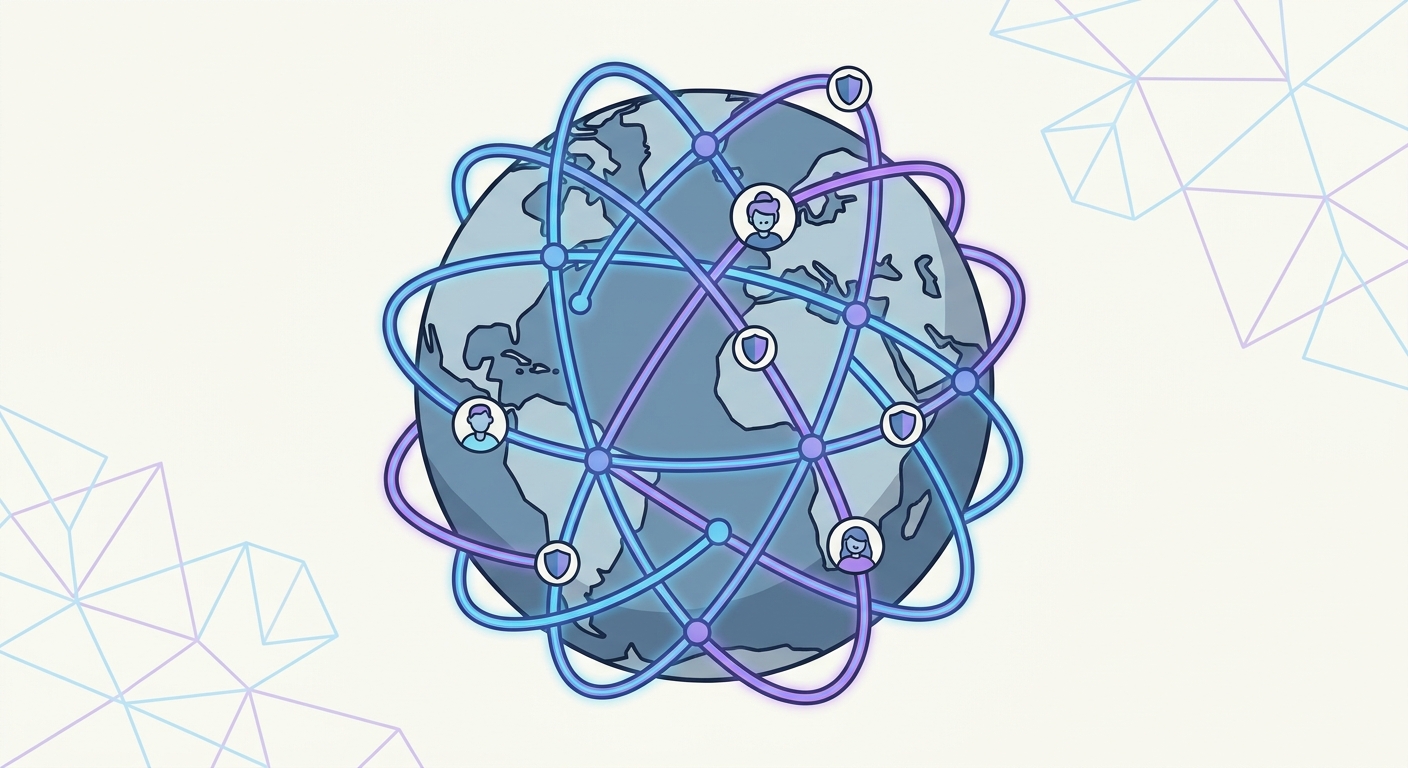
The Web3 architecture is a mesh. Your traffic is shredded and bounced between multiple nodes, often scattered across different countries and run by completely different people. Because it’s built on cryptographic protocols rather than human-managed data centers, the "trust" shifts from a brand name to the code itself. You aren't relying on a marketing department; you're relying on the mathematical impossibility of a distributed network being coerced into logging your specific session.
The Economics of Bandwidth
The most radical shift in the Web3 space is the "Airbnb for Bandwidth" model. In the legacy world, you pay a flat monthly fee for a service that often throttles your speeds the second the network gets crowded.
In the Web3 model, you’re participating in a marketplace.
Node runners—the people hosting the infrastructure—are incentivized by tokens to provide high-quality bandwidth. If a node runner provides a garbage connection, they don't get paid. Their reputation score craters, and they get booted from the network. It’s a self-correcting system. The network’s performance is tied directly to the economic success of the people running it. This tokenized approach ensures that resources flow where they’re actually needed, creating an internet highway that’s far more resilient than any static server farm.
Metadata Protection: The New Frontier
For years, the privacy conversation has been stuck on IP address masking. "Hide your IP, hide your identity," the ads told us. But in 2026, hiding your IP is table stakes. It’s the bare minimum.
The real threat is metadata analysis. Even if your content is encrypted, a sophisticated observer can watch the timing, volume, and destination of your data packets. They can figure out exactly who you’re talking to and when.
This is why privacy-conscious users are moving toward mixnets and onion routing. As highlighted in the research on metadata vs. IP privacy, true anonymity requires "covering" your traffic with noise. You need to make it impossible for an observer to correlate your entry point with your final destination. A Web3 VPN that uses these advanced routing protocols is a different beast entirely from a standard VPN that just masks your IP but leaves your traffic patterns exposed.
The Transparency Paradox
There’s a persistent myth that because blockchain is a public ledger, everything on it is transparently exposed. Critics love to argue that dVPNs are less private because transactions are "on-chain."
This is a fundamental misunderstanding of the tech.
The "Trustless" nature of a Web3 VPN refers to the verification of the protocol, not the exposure of your browsing history. You don't need to take the provider's word that they aren't logging; you can verify the network’s architecture yourself. According to The State of Web3 Privacy, the goal is to decouple the user’s identity from their traffic using zero-knowledge proofs and decentralized identifiers. In this paradigm, your subscription is handled by a smart contract. It manages access without needing a name, email address, or payment history tied to your real-world identity.
Real-World Performance in 2026
The "speed gap" that once made dVPNs feel like a niche experiment has largely evaporated. With the global rollout of 5G and fiber-optic home connections, the nodes powering Web3 VPNs are now as fast as the data centers of legacy providers. Performance isn't a hurdle anymore. In fact, being able to choose nodes based on geographic proximity or latency often results in a faster, more responsive experience than connecting to a distant, overcrowded corporate server. If you want to see which projects have bridged this gap, check out the Top 7 Web3 VPNs for 2026.
Getting Started: A New Workflow
Moving to a Web3 VPN requires a shift in mindset. You aren't just "installing an app." You’re interacting with a decentralized protocol.
- Non-Custodial Wallet: You start with a wallet like MetaMask or Rabby. This is your key to the network.
- Resource Acquisition: You get the native token of the network or use a fiat-ramp bridge to convert your currency into the credits needed for bandwidth.
- Connection: You pick a node based on its reputation score—a metric tracking uptime, speed, and history—and the smart contract handles the routing.
Regulatory Realities and Risks
As Web3 VPNs scale, they’re going to draw heat from regulators. The primary concern is the "exit node" problem: if a decentralized network allows anonymous users to route traffic, could it be used for bad actors?
The industry is responding with "reputation-based" participation. Instead of letting just any anonymous actor host a node, networks are increasingly requiring node runners to stake tokens. It creates a collateralized incentive for them to act in accordance with the network’s health and safety guidelines.
The learning curve is steeper than a one-click "Big VPN" app. But the trade-off is a level of censorship resistance and architectural integrity that legacy platforms simply cannot offer. The future of privacy isn't found in a corporate data center; it’s found in the distributed, tokenized, and verifiable fabric of Web3.
Frequently Asked Questions
If a VPN is decentralized, who is responsible if my connection is slow?
Responsibility is distributed. In a P2P marketplace, high-speed nodes are rewarded with more traffic and higher earnings. If your current connection is slow, you simply switch to a different node in the marketplace. You aren't held hostage by a single support desk’s inability to fix a server; the market dynamics naturally favor high-performance providers.
Do I need to own cryptocurrency to use a Web3 VPN?
Not necessarily. While the backend relies on tokenization for incentives, many modern dVPNs have integrated "fiat-on-ramps." You can pay with a credit card, and the platform’s smart contracts handle the conversion to the underlying tokens in the background, making the experience feel as seamless as a traditional subscription.
Is a dVPN safer than a standard VPN like NordVPN or ExpressVPN?
It depends on your threat model. Standard VPNs provide "jurisdictional privacy," meaning they are only as safe as the laws of the country they are based in. dVPNs provide "architectural privacy," meaning the system is mathematically built to prevent logging because there is no central entity to perform the logging.
Can I earn money just by leaving my VPN running?
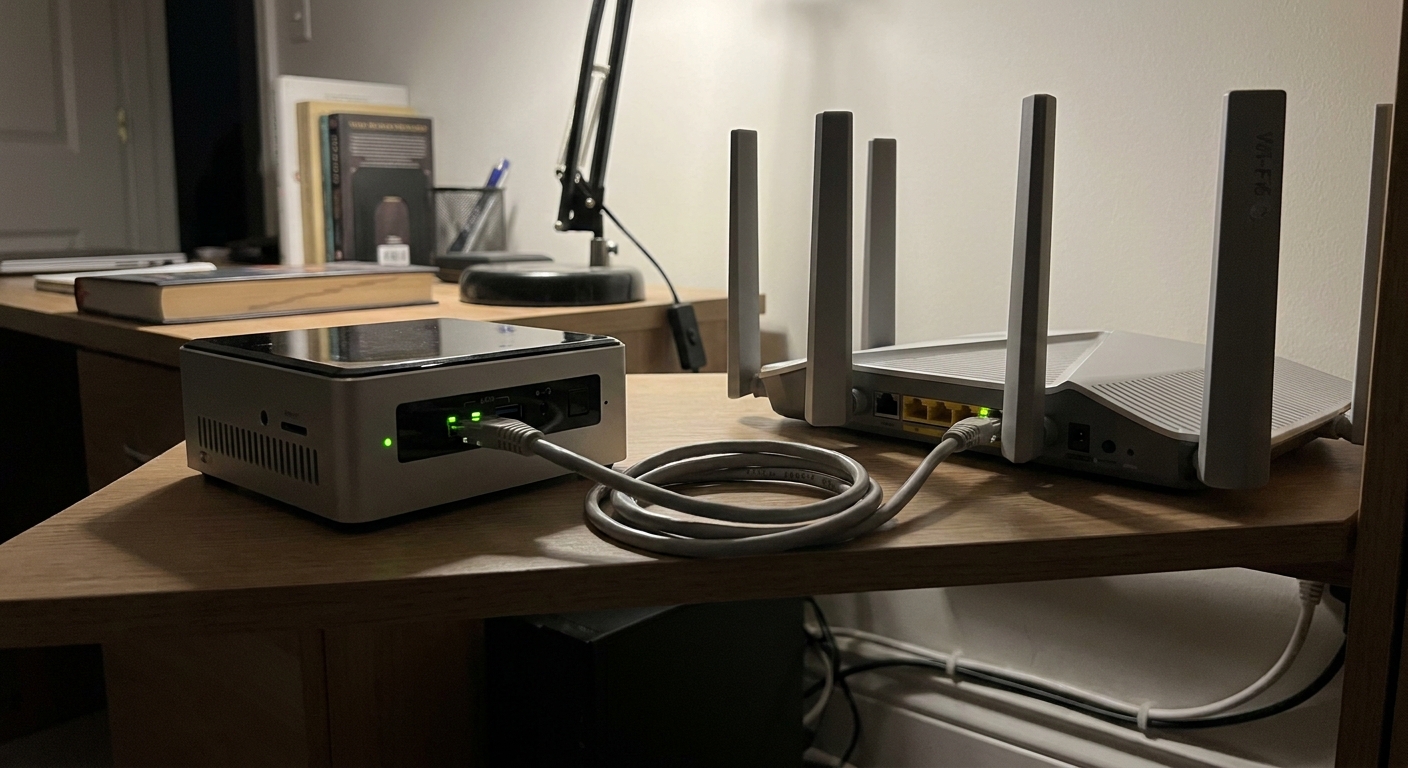
Yes, this is known as "Bandwidth Mining." If you have a high-speed, stable internet connection, you can act as a node runner. By hosting a node, the network pays you in tokens for routing traffic. It requires reliable hardware and high uptime, but it is a primary way that users turn their unused internet capacity into a passive income stream.