Latency Mitigation in Distributed Node Architectures
TL;DR
The silent killer of distributed networks
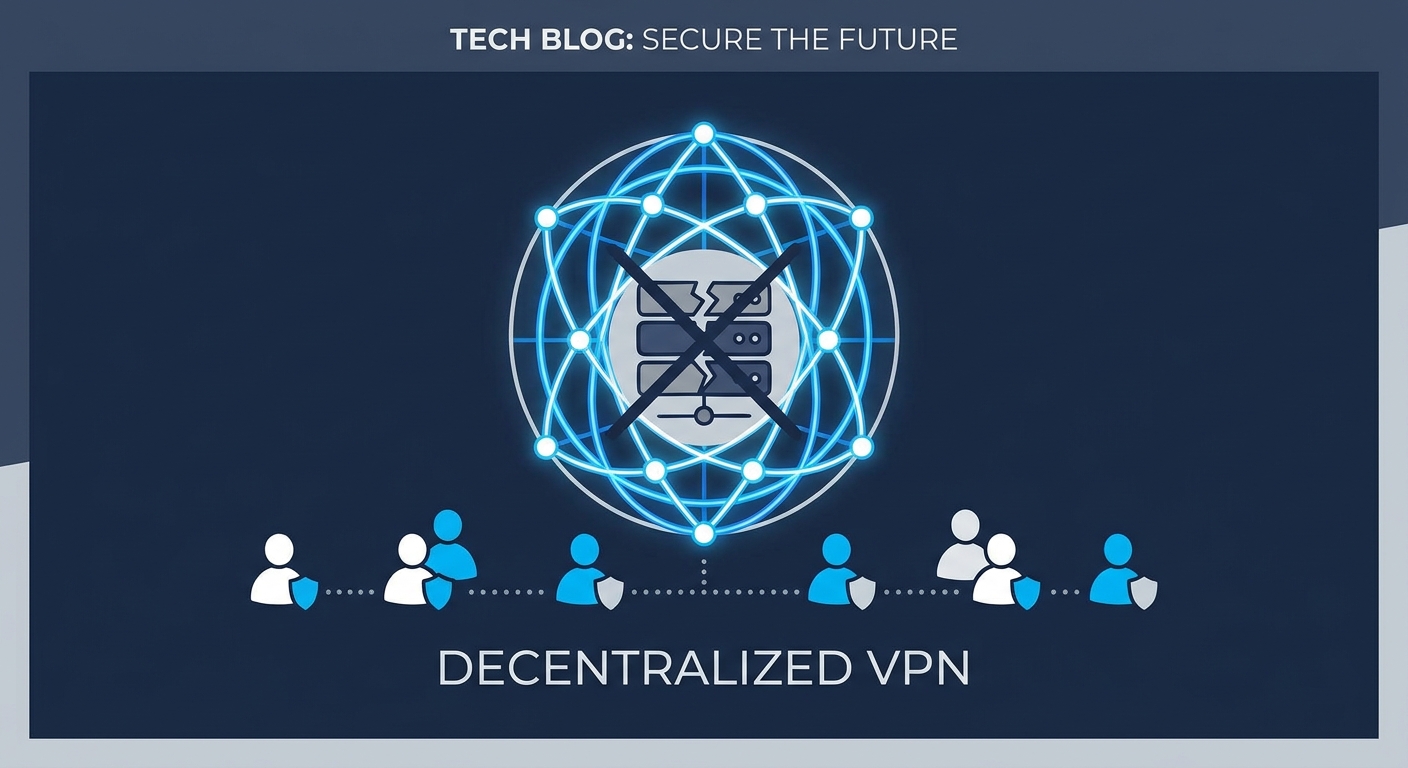
Latency isn't just a "slow" connection; in a dvpn, it's the difference between a secure tunnel and a total system collapse. When one node lags, the whole p2p chain starts to feel the heat.
- The bottleneck effect: Distributed networks rely on multiple hops, so a single high-latency node can stall the entire packet route.
- Coordination pressure: According to Mlondy Madida on LinkedIn, even a tiny 2% latency spike can cause a 20-service system to fail because of "retry amplification."
- User expectations: People want web3 privacy but expect the 100ms response times of old-school isp setups.
Madida points out a crazy example where a distributed auth service basically ate itself because of a 300ms database lag—the retries just flooded the pool until it hit 97% saturation. I've seen similar meltdowns in retail gateways where the system just chokes on its own heartbeat.
Next, we'll look at why this happens in the first place.
Common causes of lag in node-based systems
Ever wonder why your connection just dies when a single node in a p2p network starts acting up? It's usually not a hardware crash but a "geometry failure" where the system's own rules turn against it.
When a node lags, the natural local response is to try again. But in a distributed setup, those retries multiply across the stack like a virus.
- The feedback loop: If a database query takes too long, the service holds onto that connection. New requests pile up, and the 3 retries you configured suddenly turn into a 6.7x pressure multiplier on the network.
- Saturating the pipe: Eventually, every available slot in the connection pool is full. No new users can get in because the system is too busy retrying old, doomed requests.
- Exponential backoff: To fix this, nodes need to wait longer between tries. It gives the network "breathing room" to clear the backlog.

Most dvpn nodes run on home hardware with limited resources. They can only handle so many open sockets before they just stop responding to new api calls.
If a request stays open too long—maybe because of deep packet inspection by an isp—it sits in the pool. A 2024 guide by Soma on Medium suggests that reusing existing connections (connection pooling) is key to avoiding the heavy cost of the tcp handshake every single time.
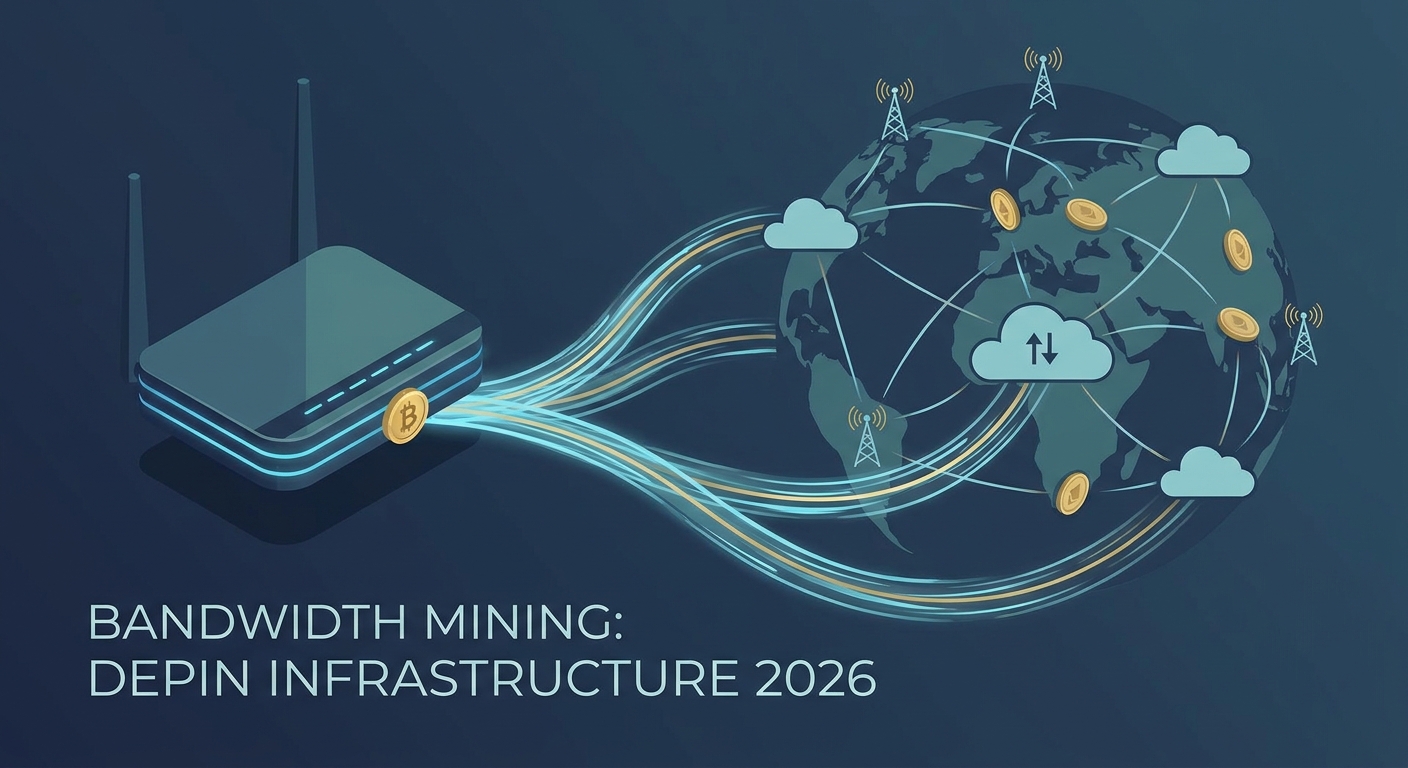
I've seen bandwidth mining setups go dark because they didn't cap their pools. The node tries to do too much, runs out of file descriptors, and basically kicks itself off the network.
Next, we'll dive into how geographic distance messes with your packets.
The physical reality of distance
You can have the fastest fiber in the world, but you can't beat the speed of light. In a decentralized network, your data might bounce from Berlin to Singapore just to reach a neighbor. This "geographical lag" adds up fast.
Every extra mile means more routers, more switches, and more chances for a packet to get dropped. If your dvpn picks a node on the other side of the planet, your "handshake" has to travel thousands of miles before you even load a single byte of data. This is why smart routing—picking nodes based on physical proximity—is just as important as raw bandwidth.
Next, let's look at the technical strategies to keep things snappy.
Technical strategies for a snappier network
Ever feel like your packets are taking the scenic route through a digital wasteland? In a decentralized network, "distance" isn't just miles—it's the overhead of every single handshake and poorly managed node connection.
Think of a circuit breaker as a safety valve for your traffic. If a node starts lagging because of a spike or packet loss, the breaker "trips" and stops sending requests there before the whole system hits that 97% saturation point we mentioned earlier.
- Stopping the bleed: By cutting off a struggling node early, you prevent the "retry amplification" where one slow response triggers five more requests.
- Self-healing: The system periodically checks if the node is healthy again. If it is, the "circuit" closes and traffic flows back.
- Fail-fast: It's better to get an immediate "no" than to wait 10 seconds for a timeout that was never going to happen anyway.
Opening a new tcp connection is expensive. You've got the syn, the syn-ack, the ack—and that's before you even start the tls handshake. As Soma noted, reusing existing connections (connection pooling) is a total game-changer. Instead of killing the pipe after one request, you keep it "warm" for the next one. This is huge for bandwidth mining nodes that need to stay responsive to constant api pings.

I've seen p2p setups where just capping the retry limit to 1 and tightening timeouts to 800ms recovered availability from 34% back up to 96%. It’s all about controlling that coordination pressure.
Next, we'll talk about how tokenized incentives keep the nodes honest.
The role of tokenized incentives
Why would anyone run a high-spec node just for fun? They won't. In a p2p setup, you need a "carrot" to ensure nodes don't just exist, but actually perform.
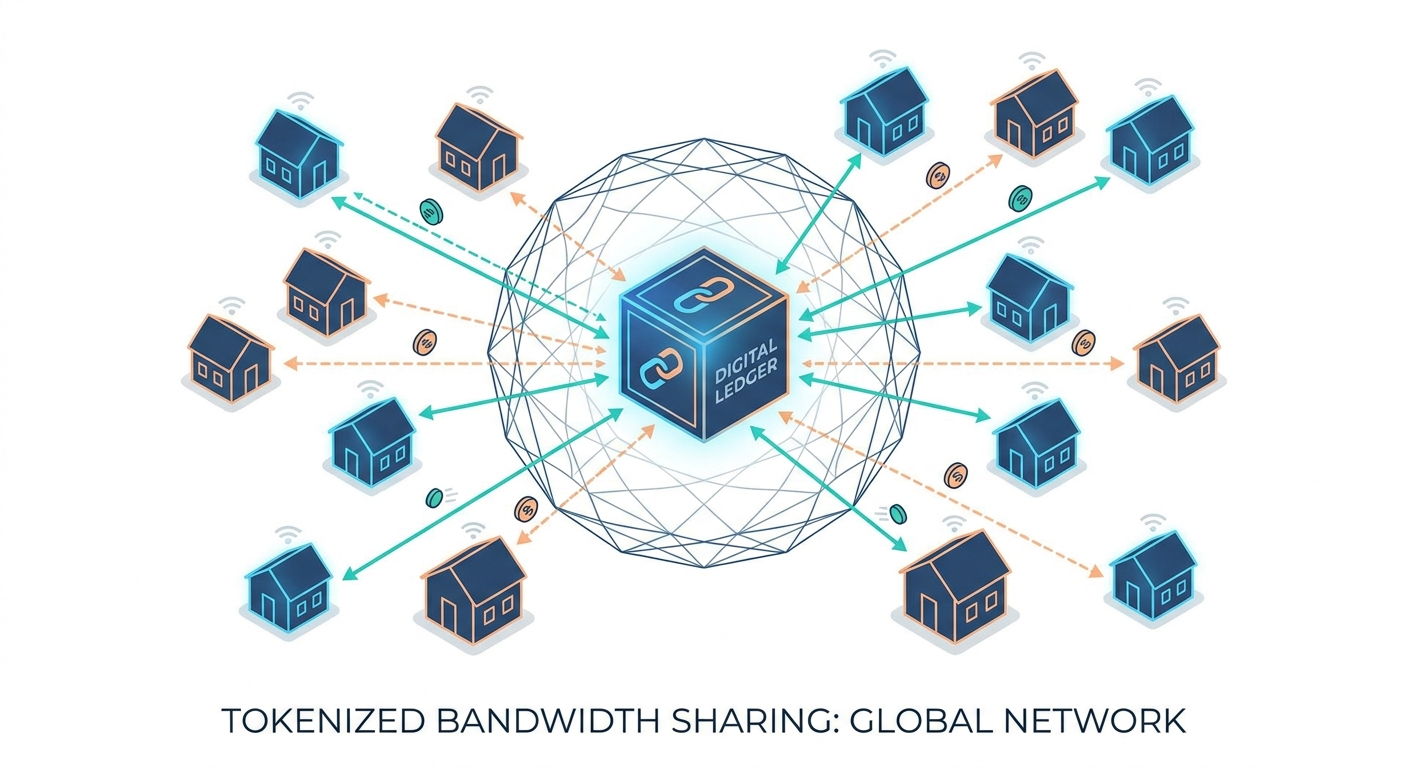
- Quality over Quantity: Token rewards shouldn't just be for being "online." Systems are moving toward weighting payouts based on verified latency and throughput.
- Bandwidth Proof: New protocols like "Proof of Bandwidth" are being developed to "interrogate" nodes. This involves sending tiny, encrypted data challenges to a node to verify its actual speed and capacity before it earns a dime.
- Market Dynamics: This creates a marketplace where fast nodes in high-demand regions (like a busy retail hub) earn more than a lagging home setup.
I've seen dvpn projects where nodes with sub-50ms ping earned 3x more than the laggards. It’s the only way to stop the network from wrecking the user experience.
Next, we'll wrap this up by looking at the future of these automated networks.
Future of depin and internet freedom
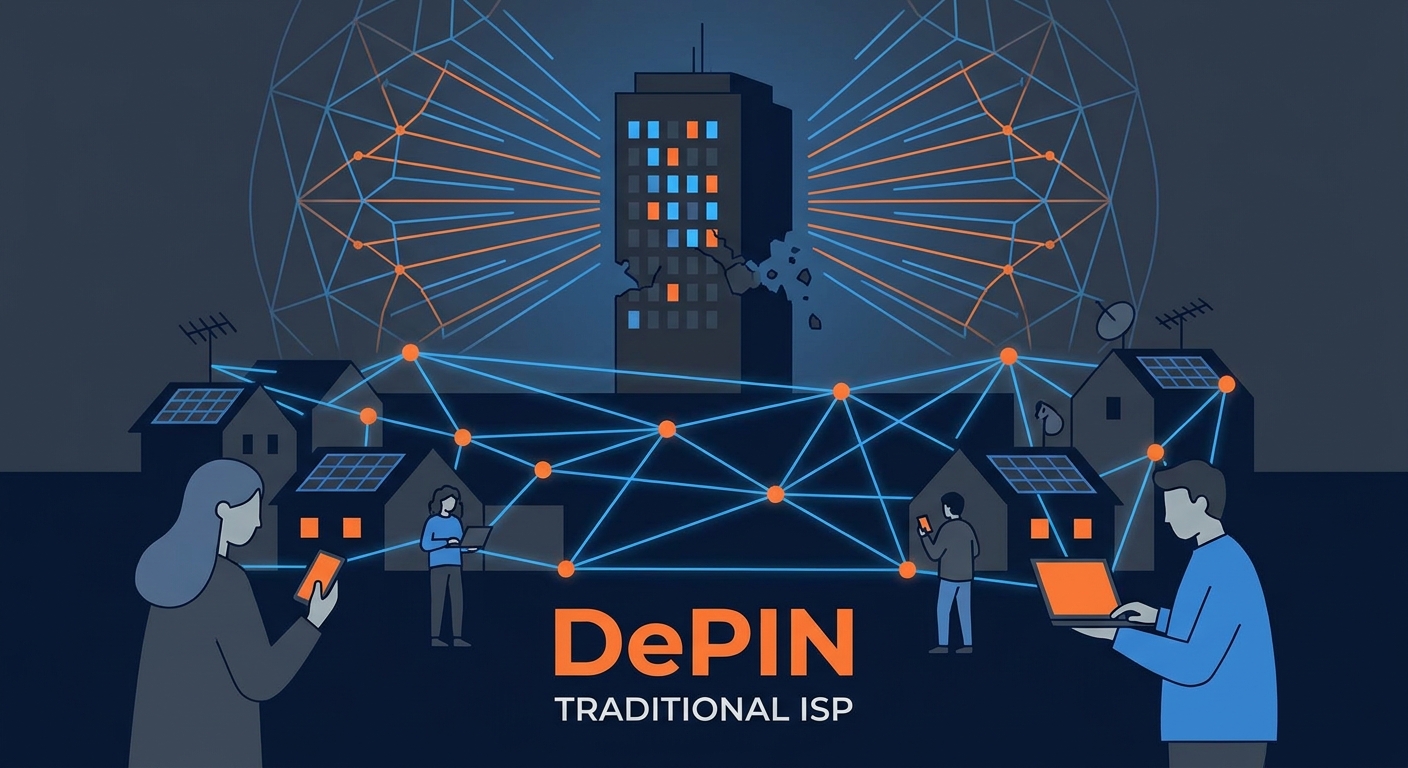
The future isn't just about hiding your ip, it's about owning the pipes. We're moving toward a web where depin creates a resilient, user-powered backbone that is actually impossible to turn off.
- Censorship-Resistant: P2P nodes bypass central chokepoints used by governments.
- Speed without sacrifice: Next-gen protocols use connection pooling to keep things snappy.
- True digital freedom: Decentralized ISPs give power back to the edges of the network.
I've seen nodes in high-risk zones stay up when everything else went dark. It's beautiful.

Bottom line—decentralized tech is finally getting fast enough to kill the old, slow vpn for good.