The Ultimate Guide to Decentralized Physical Infrastructure Networks (DePIN) for 2026
TL;DR
- ✓ DePIN transforms physical hardware into a decentralized, user-owned global network.
- ✓ Token incentives create a self-sustaining flywheel for service providers and users.
- ✓ Modern protocols prioritize real revenue-sharing over inflationary reward models.
- ✓ Decentralized infrastructure offers a censorship-resistant alternative to Big Tech monopolies.
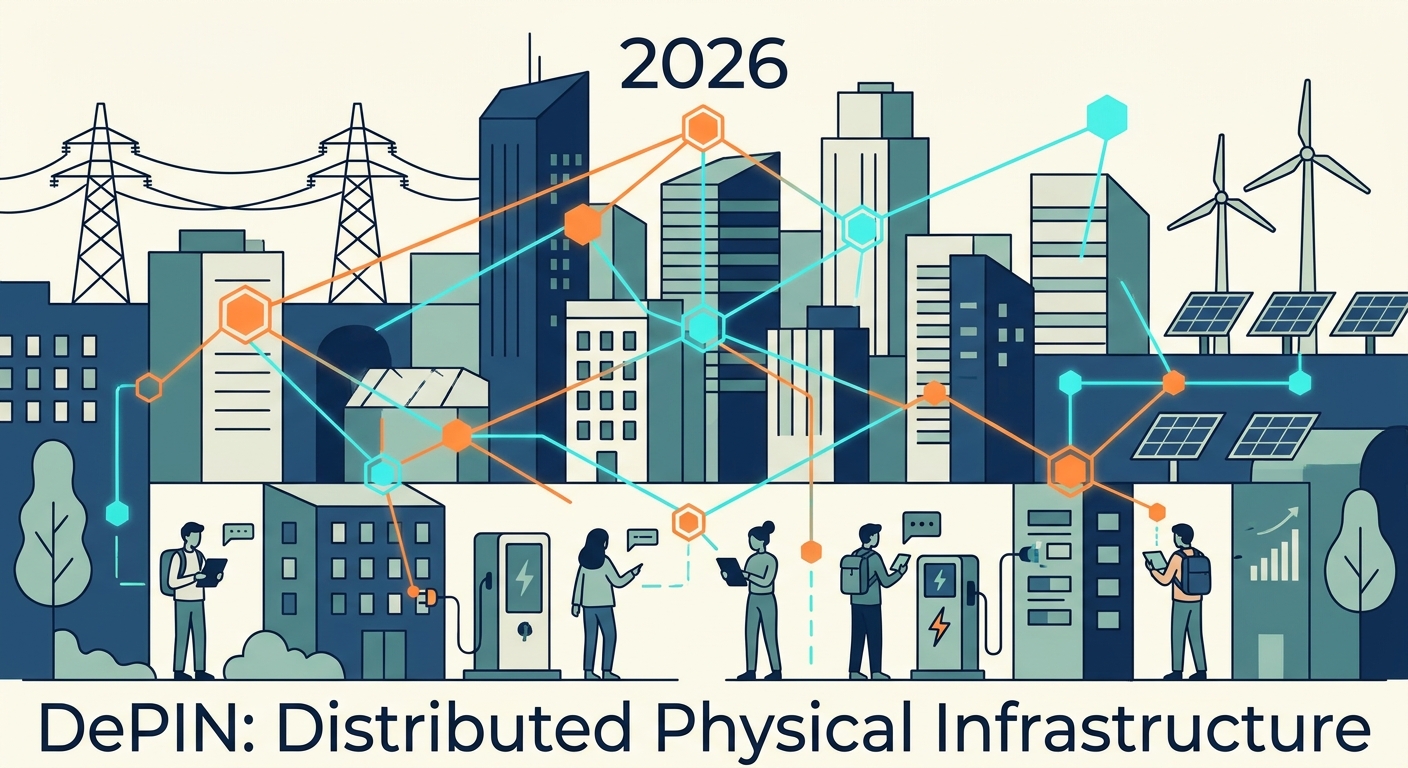
By 2026, the noise surrounding Decentralized Physical Infrastructure Networks (DePIN) has finally died down. We’ve moved past the whitepaper hype and the "get-rich-quick" mining fever. What’s left? A $20 billion industry built on cold, hard utility. We’re talking distributed computing, community-owned wireless, and privacy-first bandwidth. This is the real deal. It’s a total shift from relying on the predatory monopolies of Big Tech to building a user-owned internet where you actually own the infrastructure you support.
What Exactly is DePIN, and Why Should You Care?
Think of DePIN as the "Uberization" of physical hardware. In the old Web2 world, if you wanted to run a cloud storage business or offer high-speed connectivity, you needed a massive balance sheet, a fleet of engineers, and a mountain of servers. The barrier to entry was basically a brick wall. Power stayed at the top, and you were just a customer.
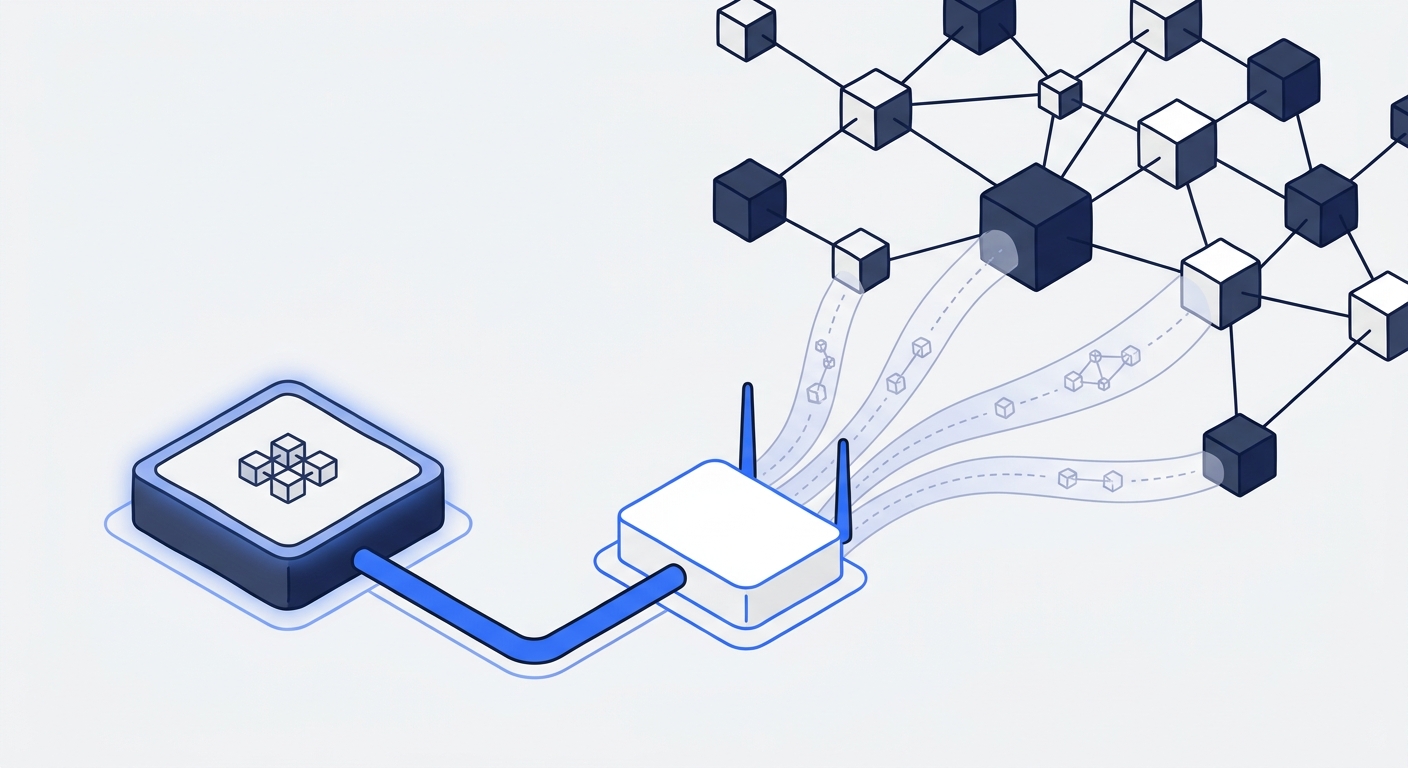
DePIN flips the script. It uses token incentives to pull together a massive, decentralized army of hardware contributors. Got a spare GPU? A router sitting in a closet? A hard drive you aren't using? Plug them into a decentralized protocol. Suddenly, you’re a service provider. You’re selling compute power or encrypted bandwidth to the global market, and you’re getting paid for it. No middlemen. No corporate tax. The value stays right where it belongs: with the people providing the gear.
How Token Incentives Actually Power Physical Hardware
The secret sauce here is the "Flywheel Effect." A network starts by offering tokens to attract early node operators. Once the hardware is live, users show up because the service is cheaper and more reliable than the legacy alternative. These users pay for the service in the network’s native token, which creates actual demand. That demand props up the token value, which attracts more node operators. It’s a self-sustaining loop.
By 2026, we’ve mostly ditched those inflationary "pump and dump" reward models. The smart protocols now use "burn-and-mint" mechanics and real revenue-sharing. When you buy bandwidth, a chunk of your fee gets burned—lowering supply—while the rest goes to the person providing the hardware. As noted in The Graph’s analysis on why DePIN matters, this alignment between what the market needs and how the provider is paid is the only way to build infrastructure that lasts.
Core Categories of DePIN
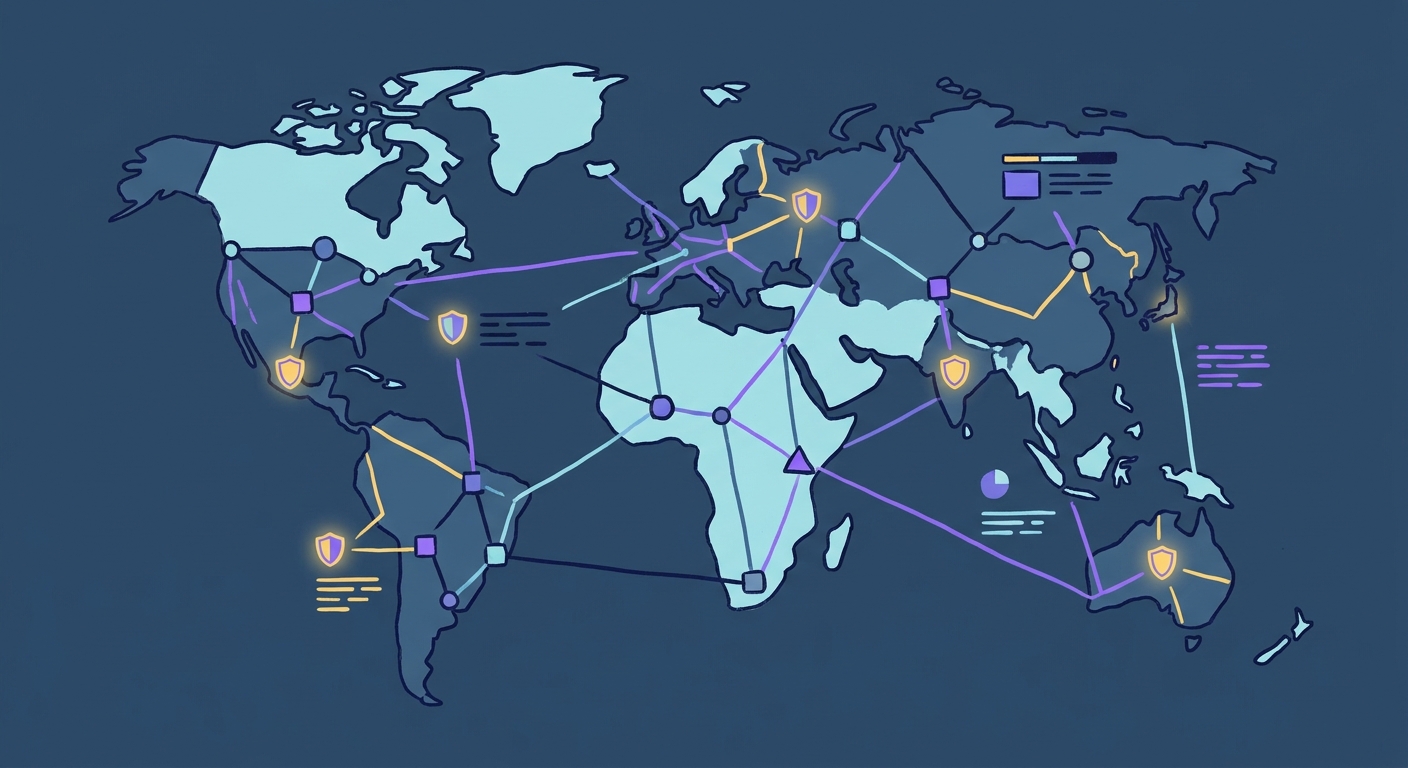
The map is big, but in 2026, four pillars are holding the roof up:
- Decentralized Compute: AI is a beast that eats GPUs for breakfast. Decentralized networks are finally letting researchers rent idle GPU cycles from gamers and data centers. It’s a fraction of the cost of the "Big Three" cloud giants.
- Wireless & Connectivity: Local neighborhoods are building their own mesh networks. Small, cheap nodes create high-speed internet backbones that don't bow to ISP throttles or censorship.
- Sensor Networks: This is about real-world data—traffic, air quality, weather. It’s immutable, accurate, and impossible for a centralized agency to fudge the numbers.
- Bandwidth/dVPNs: This is the front line for the average person. By tokenizing bandwidth, you can route your traffic through a global mesh of independent nodes. When you explore the nuances of privacy and decentralization, you realize that a dVPN is the only way to stop your digital footprint from being auctioned off to the highest bidder.
The "Proof-of-Service" Revolution
How do you trust a stranger to handle your compute or bandwidth? We’ve moved past simple "uptime" checks. Today, it’s all about "Proof-of-Physical-Work." It’s a cryptographic handshake that proves the hardware is actually doing the job.
High-integrity protocols now use complex challenges to stop Sybil attacks—where one bad actor spins up thousands of fake nodes to suck up the rewards. As highlighted by the Orochi Network’s research on proof-of-service integrity, these verification layers are exactly what separate a "toy" project from a professional network capable of handling enterprise-grade traffic.
Comparing Traditional Providers vs. DePIN Networks
| Feature | Traditional Provider | DePIN Network |
|---|---|---|
| Cost | High (Middleman Fees) | Low (Direct P2P) |
| Privacy | Low (Data Harvesting) | High (Encrypted/Private) |
| Ownership | Centralized Corporation | Community/User-Owned |
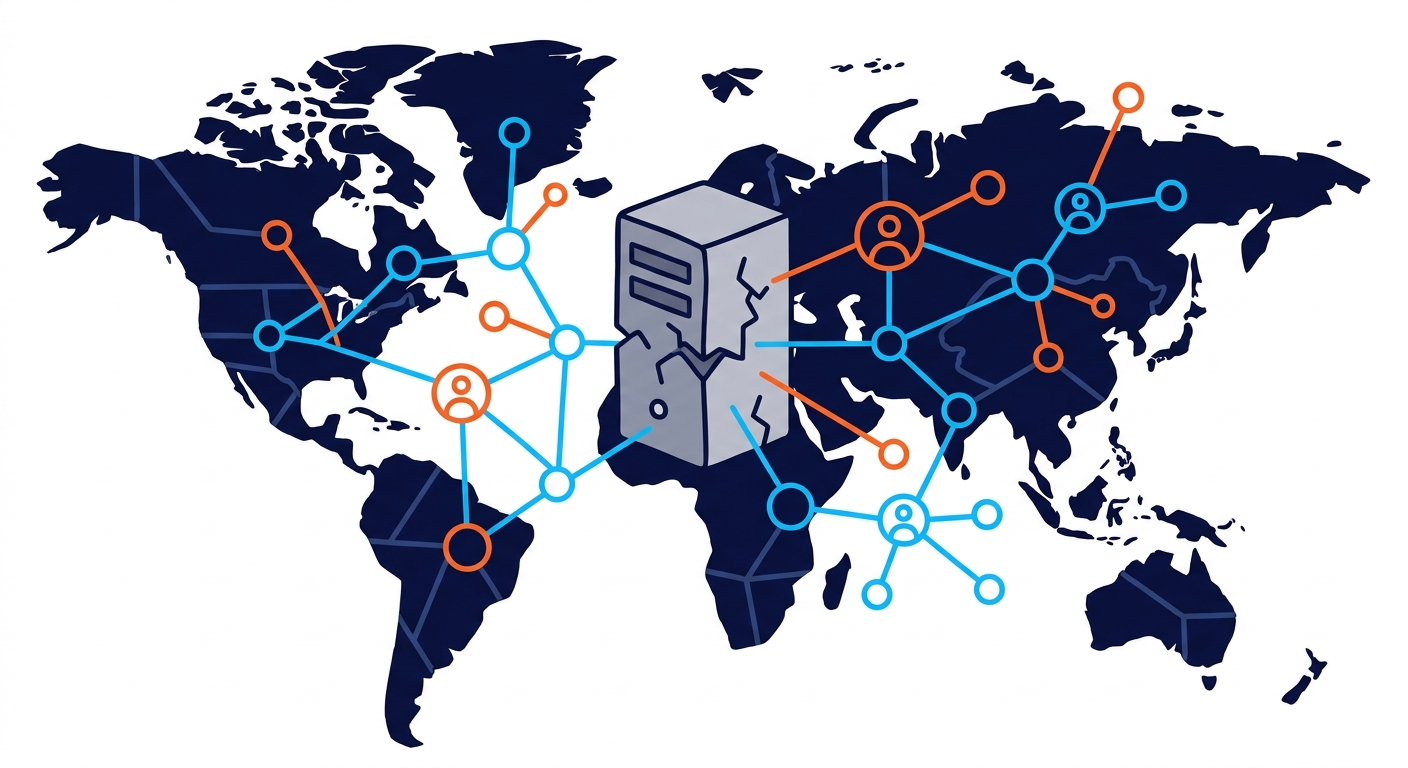
| Resilience | Single Point of Failure | Distributed/Fault-Tolerant |
Top DePIN Projects to Watch in 2026
The market is crowded, but a few standouts are actually getting used by developers. If you’re hunting for the best ecosystems for storage, GPU compute, or privacy, check out this breakdown of the top 10 DePIN projects of 2026. It highlights who has the most uptime and, more importantly, the most active users.
Risks and Challenges in 2026
Let’s be real: it’s not all sunshine. DePIN is messy. The biggest hurdle is "Hardware-as-a-Service." If you’re running a professional node and your GPU dies, your income stops. It requires maintenance, and that’s a headache for many.
Then there’s the regulatory fog. Governments are still scratching their heads over how to tax or categorize tokenized infrastructure. Scalability is also a constant battle. As Chainlink’s DePIN overview suggests, the ability to bridge real-world data into smart contracts without a glitch is the final boss we have to defeat for institutional adoption.
How Can You Participate?
You don't need a PhD to get involved.
If you are a user: Start with a dVPN. It takes five minutes to install an app and start masking your traffic. Your ISP won't know what you're doing, and you'll be contributing to a decentralized network just by existing online.
If you are a node operator: Keep it simple. Look for "plug-and-play" hardware. Buy the device, plug it into your router, and let it run. Always double-check the documentation for hardware requirements—don't buy a $3,000 GPU if you don't need it.
Future Outlook: The Convergence of AI and DePIN
By the end of 2026, we’re entering the "Web2.5" era. The line between crypto-native and "real-world" is blurring. Traditional ISPs and logistics firms are already testing DePIN protocols to slash their own overhead. They’re realizing it’s cheaper to incentivize a decentralized network than to build their own proprietary one. The friction is vanishing, and the infrastructure of the future is being built by us, not for us.
Frequently Asked Questions
Is DePIN just another way to mine crypto?
No. Traditional mining is just solving pointless math puzzles to keep a ledger safe. DePIN is about providing a service—storing files, rendering video, or routing traffic. The work has value even if the token price hits zero.
What are the main risks of participating in a DePIN project?
Hardware failure is #1. Then there’s token volatility and the chance that a project might just fizzle out. Stick to projects with long histories and active communities to mitigate the risk of "ghost" networks.
How do I know if a DePIN project is legitimate?
Look for two things: open-source code and transparent "Proof-of-Service." If they can't prove their hardware is actually doing the work, walk away. A real project makes money from service fees, not just from recycling new investor capital.
Do I need expensive hardware to participate in DePIN?
Not at all. While GPU-heavy networks need serious power, plenty of bandwidth-sharing or sensor-based networks run on entry-level gear. Check the project specs before you spend a dime.
How does DePIN improve my personal privacy compared to a standard ISP?
Your ISP is a central bottleneck that logs everything you do. DePIN-based dVPNs bounce your traffic through a global, encrypted mesh of nodes. No single entity can see your full browsing history, and no one can easily link your traffic to your physical IP address.