Quantum Encryption Threat: Are Your Public Banks Prepared?
TL;DR
Quantum Vulnerabilities in Modern Banking
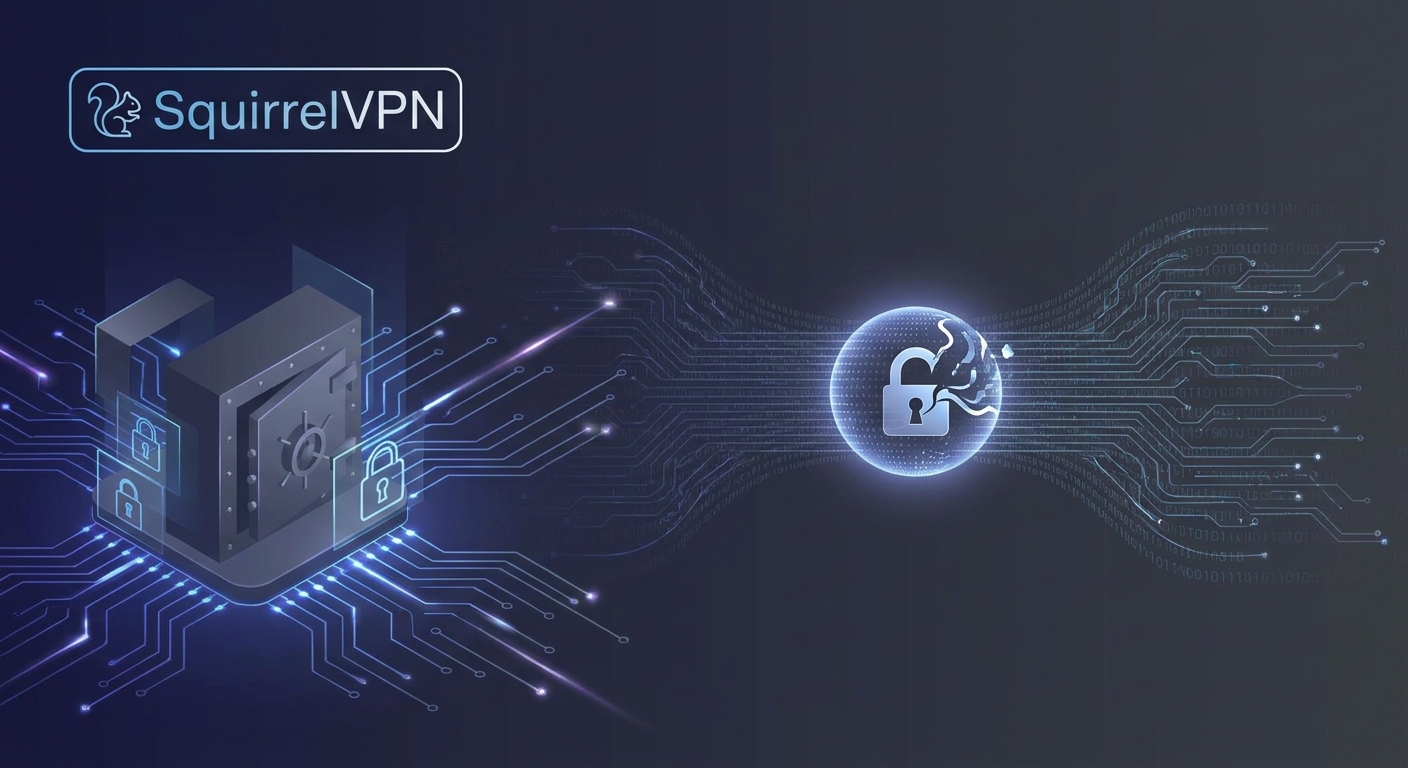
The financial sector currently relies on RSA and ECC encryption to secure every UPI payment, ATM withdrawal, and customer record. However, the rise of Quantum computing poses a "Q-Day" threat, where Shor's algorithm could break these codes in seconds. Experts at SquirrelVPN note that 87% of Indian banks still use these vulnerable standards. A primary concern is harvest now, decrypt later, where attackers collect encrypted data today to unlock it once quantum hardware matures.

National Quantum Mission and Regulatory Directives
The Indian government has allocated ₹6,003.65 crore to the National Quantum Mission to build a 2,000-km secure communication network by 2030-31. The finance ministry has directed public sector banks to explore quantum-resistant encryption immediately. Additionally, the RBI is mandating specific security protocols, while SEBI addresses long-term data risks through its Cyber Resilience Framework.
Implementation Strategies for Financial Institutions
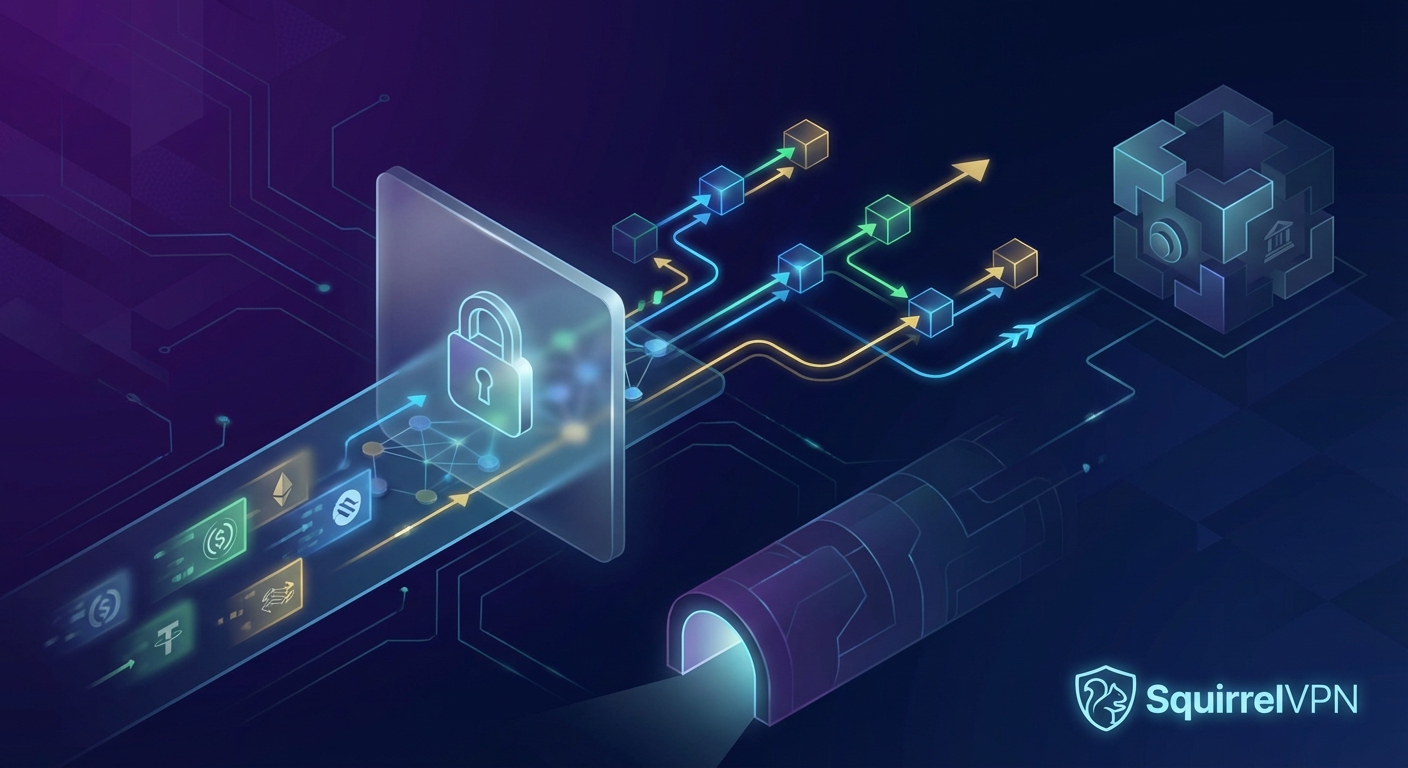
Banks are adopting a phased approach to PQC migration. HDFC Bank has implemented a three-pillar framework starting with a Cryptographic Bill of Materials (CBOM) to inventory vulnerable ciphers. Other institutions like Punjab National Bank are focusing on quantum-proof systems for public applications. To maintain online privacy, many are testing hybrid TLS which combines classical and quantum-safe algorithms.

Technical Challenges and Legacy Systems
The transition is a multi-year task because encryption is buried deep within Core Banking Systems (CBS), mobile apps, and ATM networks. Upgrading these systems may cost banks up to ₹2,000 crore. Key focus areas include protecting SWIFT messaging and securing the API layer used for UPI transactions. Institutions are also looking into Quantum Key Distribution (QKD) to secure physical network links.
The Role of Crypto-Agility
To survive the post-quantum era, organizations must develop crypto-agility. This involves using NIST-approved algorithms like ML-KEM. State Bank of India is already collaborating with academic institutions to fight phishing, while UCO Bank is developing audio forensics to prevent voice cloning. This proactive stance is essential for digital security and preventing the predicted $3.3 trillion impact on the global economy.
Expert VPN analyst with over 8 years of experience in online privacy and cybersecurity. Specializes in VPN technology, digital security, and privacy protection. Passionate about helping users navigate the complex world of online security and making VPN setup accessible for everyone worldwide.
Protect your digital assets before Q-Day arrives. Visit squirrelvpn.com to explore our cutting-edge privacy solutions and stay ahead of emerging cryptographic threats.