NIST Finalizes Post-Quantum Cryptography Standards to Secure 2026 Data Architectures Against Future Threats
TL;DR
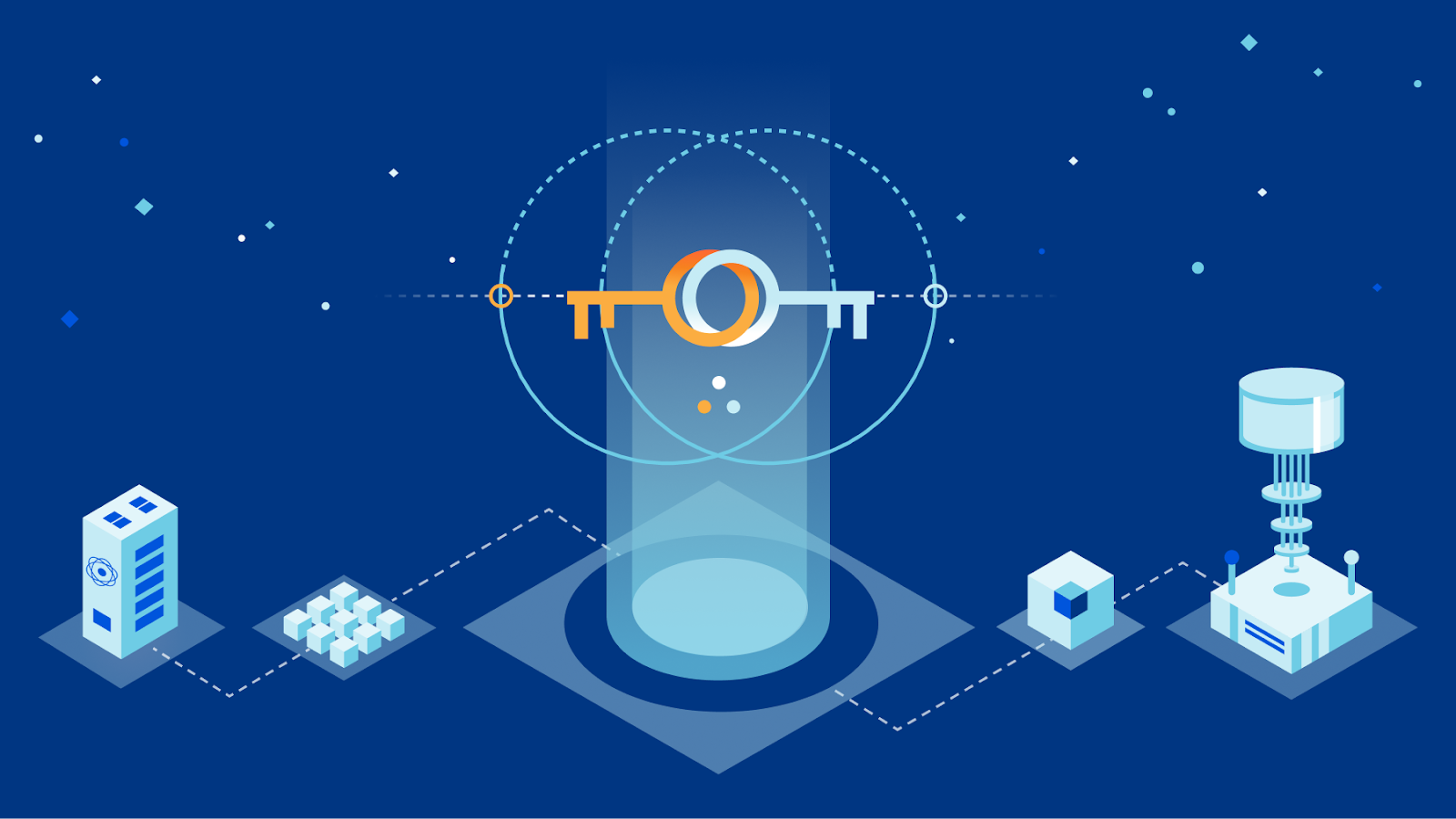
Image courtesy of Cloudflare Blog
The National Institute of Standards and Technology (NIST) just dropped a bombshell for the cybersecurity world. On August 13, 2024, they officially finalized the first three post-quantum cryptographic standards—FIPS 203, 204, and 205. This isn't just another bureaucratic update; it’s the starting gun for a massive, necessary scramble to fortify our digital infrastructure against the looming shadow of quantum computing.
For eight long years, NIST has been running a global gauntlet, testing and vetting algorithms to see which ones could actually survive a quantum-powered assault. They’ve finally picked the winners. By swapping out the legacy methods that are currently holding our internet together—and which are effectively sitting ducks for future quantum machines—organizations now have a concrete roadmap to keep their sensitive data from being cracked wide open.
The Quantum Threat: Why Our Current Locks Are Failing
Let’s be real: the internet runs on trust. Specifically, it runs on public-key cryptography like RSA and Elliptic Curve Cryptography (ECC). Every time you log into your bank or send a secure email, these algorithms are doing the heavy lifting, relying on complex math problems that would take a standard supercomputer until the end of time to solve.
But quantum computers don’t play by the same rules. By harnessing qubits and the weird, counterintuitive physics of superposition, they can tackle these problems in a fraction of the time. Shor’s algorithm is the big ghost in the machine here; it provides a theoretical shortcut that turns those "impossible" math problems into child’s play. If a large-scale quantum computer hits the scene, the encryption protecting almost everything we do online becomes little more than a suggestion.
Worse yet, the bad actors are already playing the long game. They’re busy with a "harvest now, decrypt later" strategy. They’re vacuuming up massive amounts of encrypted traffic today, storing it in digital vaults, and waiting for the day they can flip the switch and unlock it all. If you’re handling data that needs to stay secret for a decade or more, the clock isn't just ticking—it’s screaming.
The New FIPS Standards: The Heavy Lifters
NIST didn't just pull these out of a hat. They waded through 82 different submissions from the world’s brightest cryptographic minds. The result is a trio of standards designed to be the bedrock of our new, quantum-resistant reality:
- FIPS 203 (ML-KEM): Formerly known as CRYSTALS-Kyber, this is your go-to for general encryption and key agreement. It’s the standard way for two parties to shake hands and establish a secure connection without an eavesdropper listening in.
- FIPS 204 (ML-DSA): Once called CRYSTALS-Dilithium, this is the primary pick for digital signatures. It’s how we prove that a message or document is authentic and hasn't been tampered with.
- FIPS 205 (SLH-DSA): Previously SPHINCS+, this is your backup plan. It’s a stateless hash-based signature algorithm that offers a different mathematical foundation, ensuring we aren't putting all our eggs in one basket.
And they aren't done yet. NIST is still cooking up a fourth standard, FN-DSA (based on FALCON), expected later in 2024. It’s going to be a key tool for architects who need different performance profiles or signature sizes than what ML-DSA offers.
Transitioning: How to Actually Do It
If you think you can just patch your servers and call it a day, think again. As NIST noted in its official release, this is a fundamental architectural shift. You aren't just updating software; you’re re-plumbing your entire security infrastructure.
So, where do you start? According to guidance from the Cloudflare Blog, you need a plan, not a panic attack. Here is the reality of the transition:
- Discovery: You can’t fix what you can’t see. Audit your systems to find every single place where RSA or ECC is lurking.
- Inventory: Build a Cryptographic Bill of Materials (CBOM). You need to know exactly what’s running where across your entire enterprise.
- Observation: Test hybrid models. These combine classical and post-quantum algorithms, giving you a safety net while you migrate.
- Transformation: Replace the old with the new, but do it in a way that keeps everything talking to each other. Interoperability is the name of the game.
| Standard | Algorithm Name | Primary Use Case |
|---|---|---|
| FIPS 203 | ML-KEM | Key Agreement / Encryption |
| FIPS 204 | ML-DSA | Digital Signatures |
| FIPS 205 | SLH-DSA | Digital Signatures (Hash-based) |
The Long Game: Why This Matters Now
The FIPS-approved status of these algorithms is a big deal because it prevents the "Wild West" scenario where everyone builds their own custom, potentially flawed security solutions. NIST is setting the standard so the rest of us can build on a solid foundation.
We also have to keep an eye on Grover’s algorithm, which threatens symmetric encryption like AES. While these new PQC standards tackle public-key vulnerabilities, you should also be looking at your symmetric key sizes. Bumping those up is a simple, effective way to blunt the impact of quantum-accelerated search.
As we head toward 2026, the conversation has to move from white papers to workstations. Whether you’re dealing with hardware security modules, cloud stacks, or enterprise software, the time for theoretical evaluation is over. As highlighted by a recent Healthcare IT News report, sectors like healthcare—where patient privacy is a multi-decade commitment—need to get ahead of this now.
The cryptographic ecosystem is changing. It’s messy, it’s complex, and it’s absolutely essential. Keep an eye on the NIST post-quantum cryptography project for updates on FALCON and further guidance. The quantum era is coming; it’s up to us to make sure we’re ready when it arrives.