How to Choose the Best dVPN for Censorship-Resistant Internet Access
TL;DR
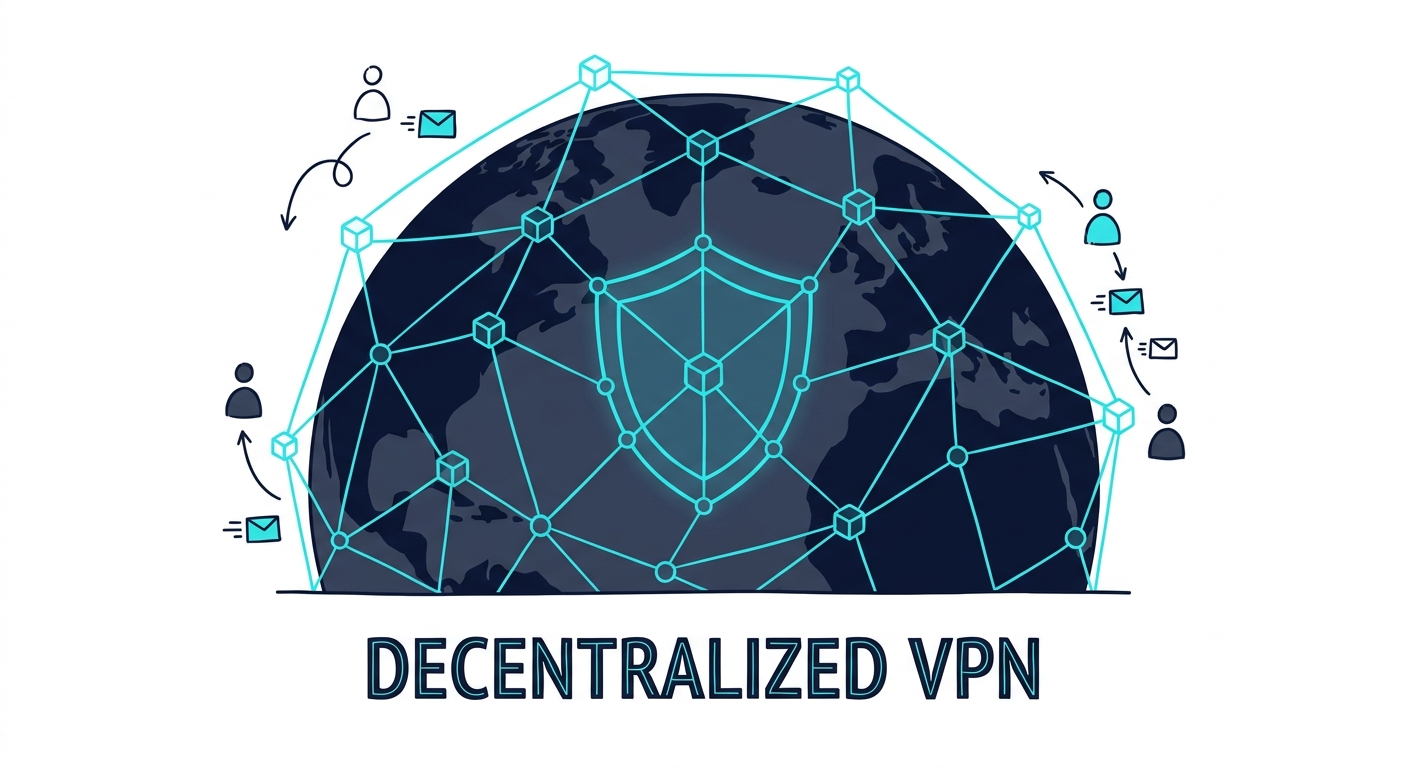
- ✓ Decentralized VPNs replace corporate servers with a secure, peer-to-peer residential node network.
- ✓ Traditional VPNs rely on trust, while dVPNs utilize verifiable math to ensure user privacy.
- ✓ Residential P2P nodes make your traffic indistinguishable from standard home internet browsing.
- ✓ dVPNs effectively bypass state-level firewalls that easily block commercial VPN data centers.
The way we think about online privacy is undergoing a massive, necessary shift. For years, we’ve been told to just "trust" a company’s privacy policy. We handed over our data, paid a monthly fee, and hoped for the best.
That era is over.
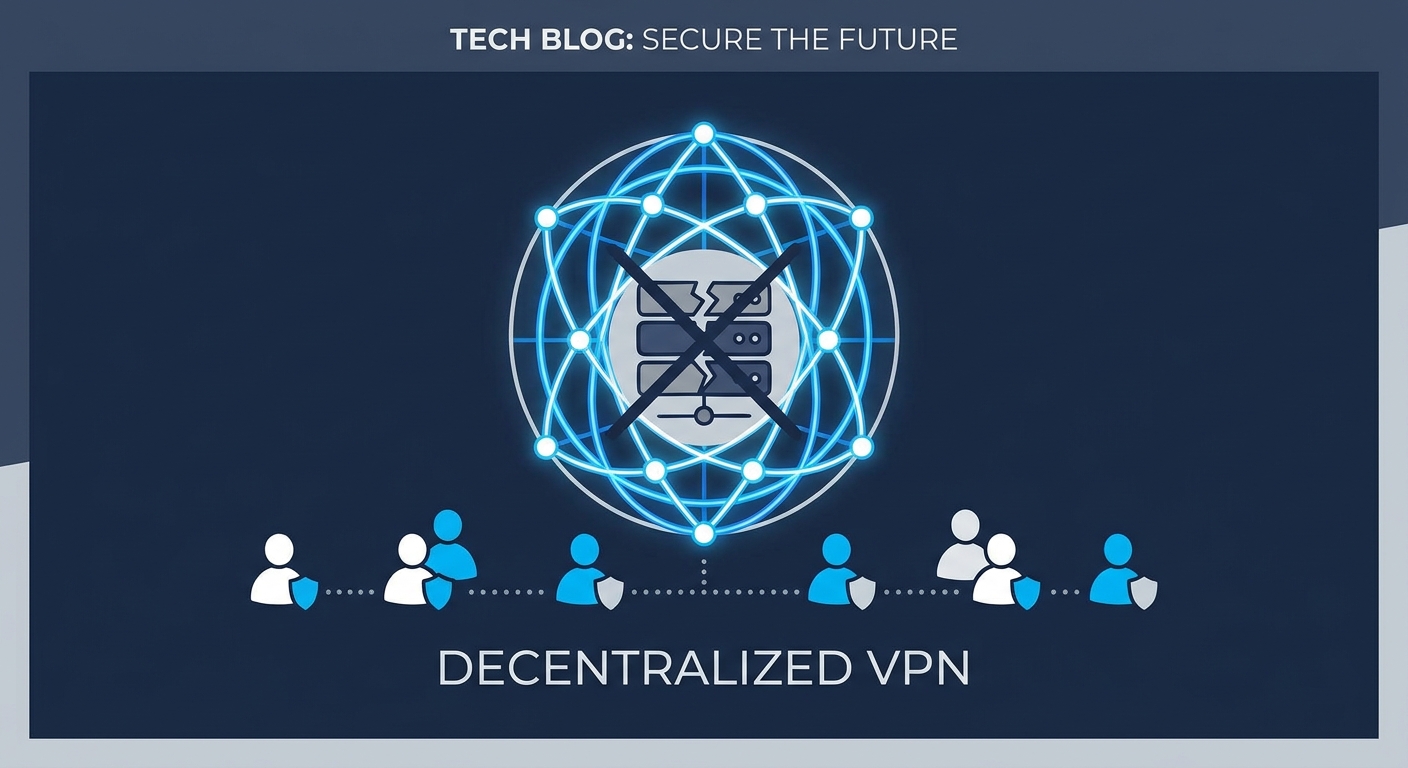
If you’re trying to skirt digital borders or bypass state-level firewalls, a corporate promise isn't enough. You need something verifiable. You need math. You need a decentralized VPN (dVPN). These platforms don’t rely on a single headquarters or a hidden server farm; they function as a global, peer-to-peer marketplace for bandwidth. They don’t just claim to be anonymous—they’re built to make anonymity the default.
Why Centralized VPNs Are Losing the War
For a long time, the "no-logs" policy was the gold standard. It looked great on a blog post. But by 2026, we’ve learned the hard way: a policy is only as strong as the legal system it’s forced to obey. When a government serves a subpoena to a big-name VPN provider, that "no-logs" wall usually crumbles like wet cardboard.
Trust is a vulnerability. Math is a shield.
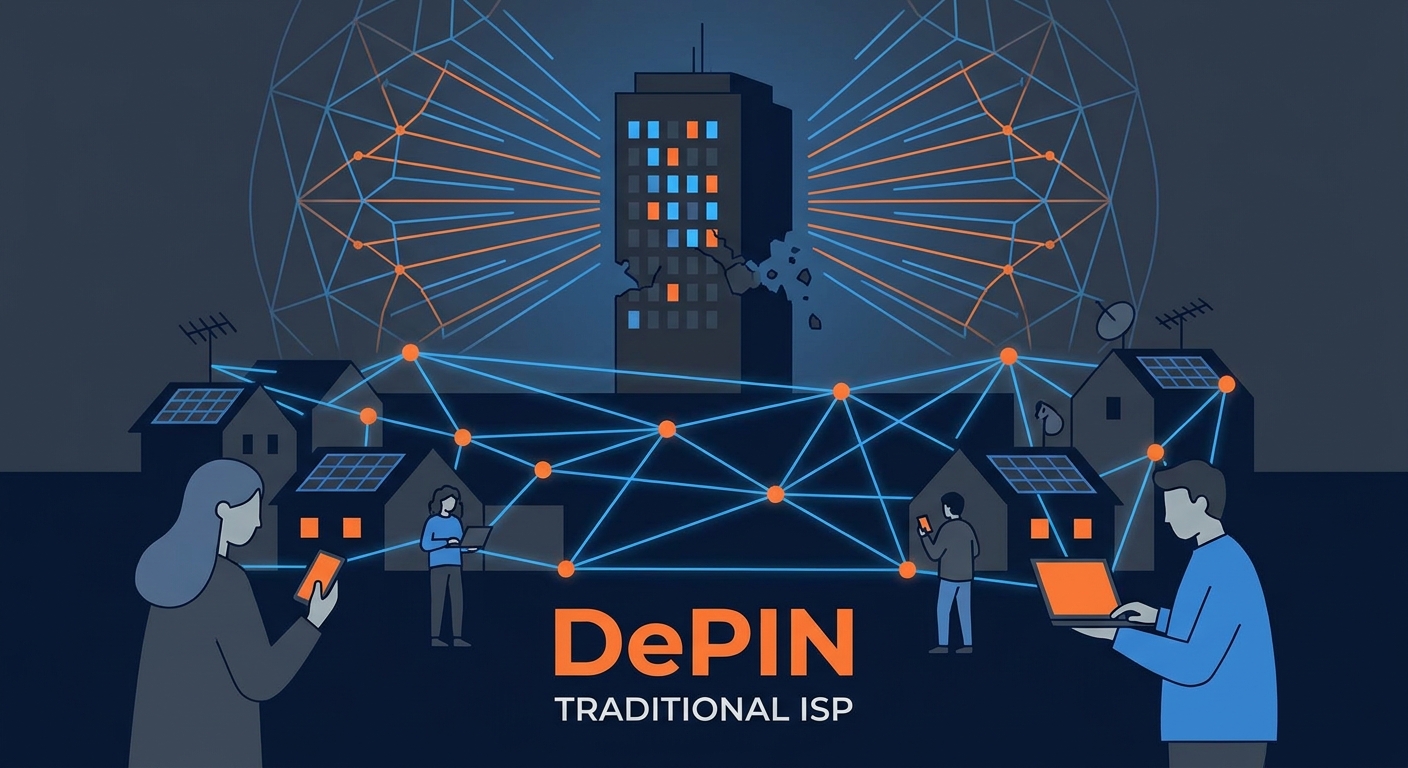
Beyond the legal headaches, centralized VPNs have a structural weakness: they live in data centers. State-level firewalls are smart—they know exactly which IP ranges belong to commercial VPNs. They flag them, throttle them, and eventually, they just pull the plug. If you want to understand how shifting the infrastructure away from a central authority changes the game for your privacy, take a look at what is a decentralized VPN.
The "Airbnb for Bandwidth" Explained
Imagine a traditional VPN is a hotel chain. They own the building, they keep the keys, and they have a guest registry that the authorities can demand at any time. If the government wants to know who is in room 302, the manager just hands over the file.
A dVPN is more like an "Airbnb for bandwidth."
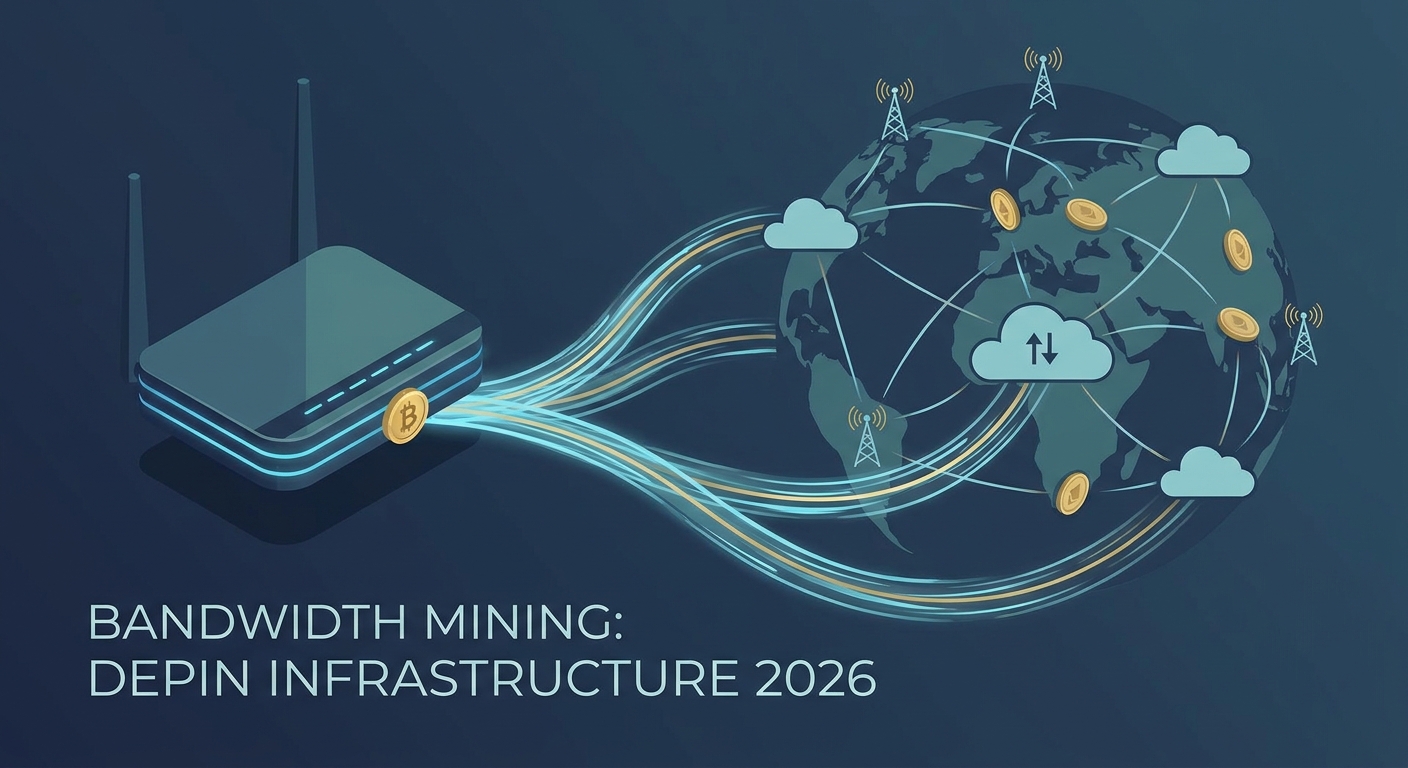
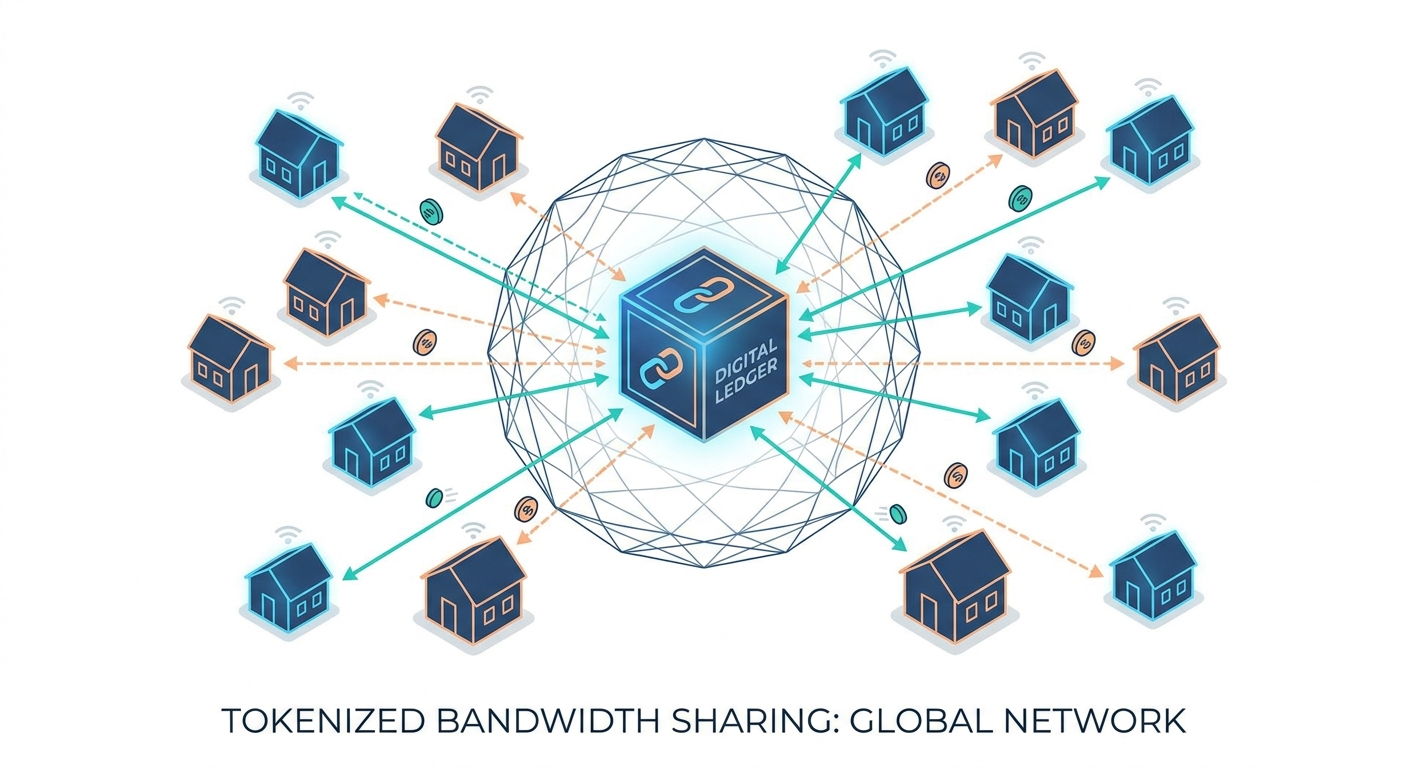
Instead of one giant server farm, the network is made up of thousands of individual, community-owned nodes. These are just regular people sharing their spare internet capacity. This is the heart of DePIN (Decentralized Physical Infrastructure Networks). The infrastructure isn't owned by a corporation; it’s owned by the users. When you connect, your traffic doesn't hit a corporate data center. It travels through a residential connection. To the outside world, you don’t look like a VPN user. You look like any other person browsing the web from their living room.
Traditional VPNs vs. dVPNs: A Quick Look
| Feature | Traditional VPN | Decentralized VPN (dVPN) |
|---|---|---|
| Infrastructure | Centralized Data Centers | Community-owned P2P Nodes |
| Privacy Basis | Corporate Policy | Cryptographic Protocol |
| IP Type | Data Center (Easily Flagged) | Residential (Harder to Block) |
| Cost Structure | Recurring Subscription | Pay-as-you-go / Tokenized |
What You Need to Look For
Don't just jump on the first dVPN you see. Not all "decentralized" networks are created equal. Keep these four things in mind:
1. Is the Network Actually Distributed?
If a network claims 10,000 nodes, but 9,000 of them are sitting in the same AWS data center, you haven't bought yourself any real protection. That’s just a VPN with extra steps. You want a network that is geographically diverse and runs on residential ISPs. The more scattered the nodes, the harder it is for a censor to play "whack-a-mole" with your access.
2. Is the Protocol Transparent?
In Web3, if you can’t see the code, don't trust it. You are relying on a protocol to keep your identity safe. The code must be open-source and audited by third parties. You should be able to verify exactly how your data is being encrypted. By sticking to established blockchain privacy standards, a good dVPN ensures that even the node operator—the person whose internet you’re piggybacking on—has zero visibility into your traffic.
3. Does the Tokenomics Model Make Sense?
Subscription fatigue is real. The "pay-as-you-go" model is a massive upgrade. You pay only for the bandwidth you actually use. It’s cheaper for light users, and it creates a direct financial incentive for node operators to keep their connections fast and stable. It’s a market-driven approach that scales naturally.
4. Is it Actually Usable?
Technology is worthless if it’s too hard to use under pressure. The best dVPNs bridge the gap between "crypto-expert" and "regular person." Look for platforms that handle the wallet stuff in the background. You want one-click connectivity, not a masterclass in smart contract interaction.
The Censorship-Ready Checklist
Heading into a restricted region? Run this checklist first:
- ISP Diversity: Ensure you can hop between different residential ISPs. Don't rely on a single point of failure.
- Latency Check: Use tools like OONI Explorer to see what the censorship landscape looks like in your area. Pick a node that offers a clean, low-latency path to an uncensored region.
- Kill-Switch Independence: Make sure no central authority can pull the plug on your access. The protocol should be decentralized enough that no "master key" exists.
The Big Three: Orchid, Sentinel, and Mysterium
When you’re ready to choose, three names keep popping up for a reason. Orchid acts as a bandwidth marketplace on Ethereum, offering a flexible, multi-hop system that makes tracking nightmares for censors. Sentinel is the darling of the Cosmos ecosystem, providing a rock-solid, open-source framework that privacy purists swear by. Then there’s Mysterium, which has built a massive global residential network that is particularly great for high-speed, localized exit nodes. For a deeper dive into the technical specs, check out our 10 Best dVPN Platforms for 2026.
Troubleshooting: When Things Go South
Sometimes a connection drops. That’s just the internet. But with a dVPN, you aren't waiting for a support ticket to be answered by a bot. If a node goes dark or gets blocked, you just switch to a new one. Many modern clients have an "auto-hop" feature that cycles through nodes for you if things get laggy. It keeps you online without you having to lift a finger.
Frequently Asked Questions
Do I need to understand crypto to use a dVPN?
Not really. Most dVPNs now offer "fiat on-ramps" or simplified interfaces. You can manage your connection without needing to know how to code a smart contract.
Are dVPNs legal?
They are tools for privacy. However, the laws regarding bypassing firewalls vary wildly by country. Always check local regulations before you start routing your traffic.
Is a dVPN faster than a traditional VPN?
It depends. Since you’re using residential nodes rather than jam-packed data centers, you can sometimes get speeds that feel native. But performance varies based on the distance and quality of the node you choose.
How do I know if it’s really decentralized?
Check the documentation. If the company owns all the servers, it’s not decentralized—it’s just a regular VPN with a fancy marketing budget. Look for community-run nodes.
Why does a residential IP matter?
Because residential IPs look like regular home users. State-level firewalls are designed to catch and block data-center IP ranges. Using a residential IP makes you blend into the crowd, which is exactly where you want to be.