How to Set Up a Node: A Step-by-Step Guide to the Decentralized Bandwidth Exchange
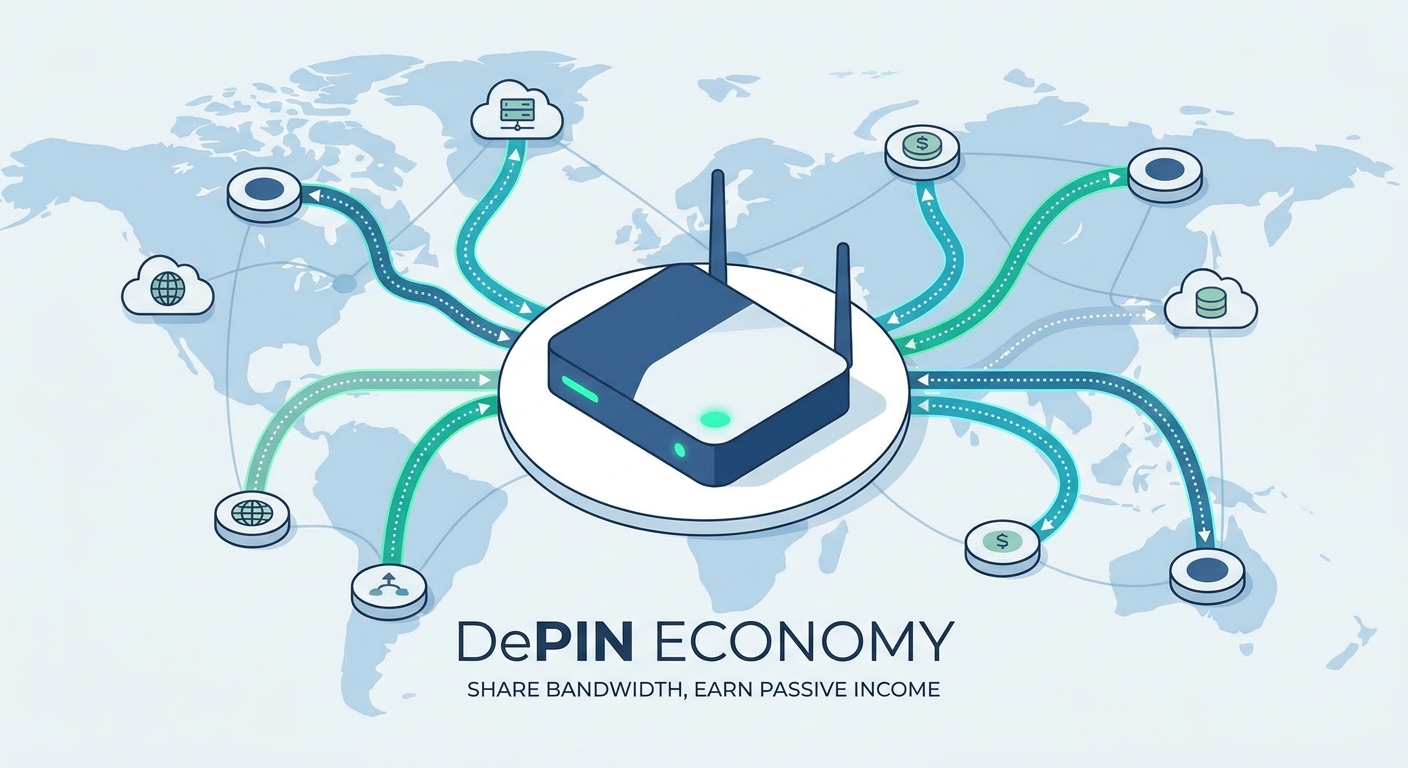
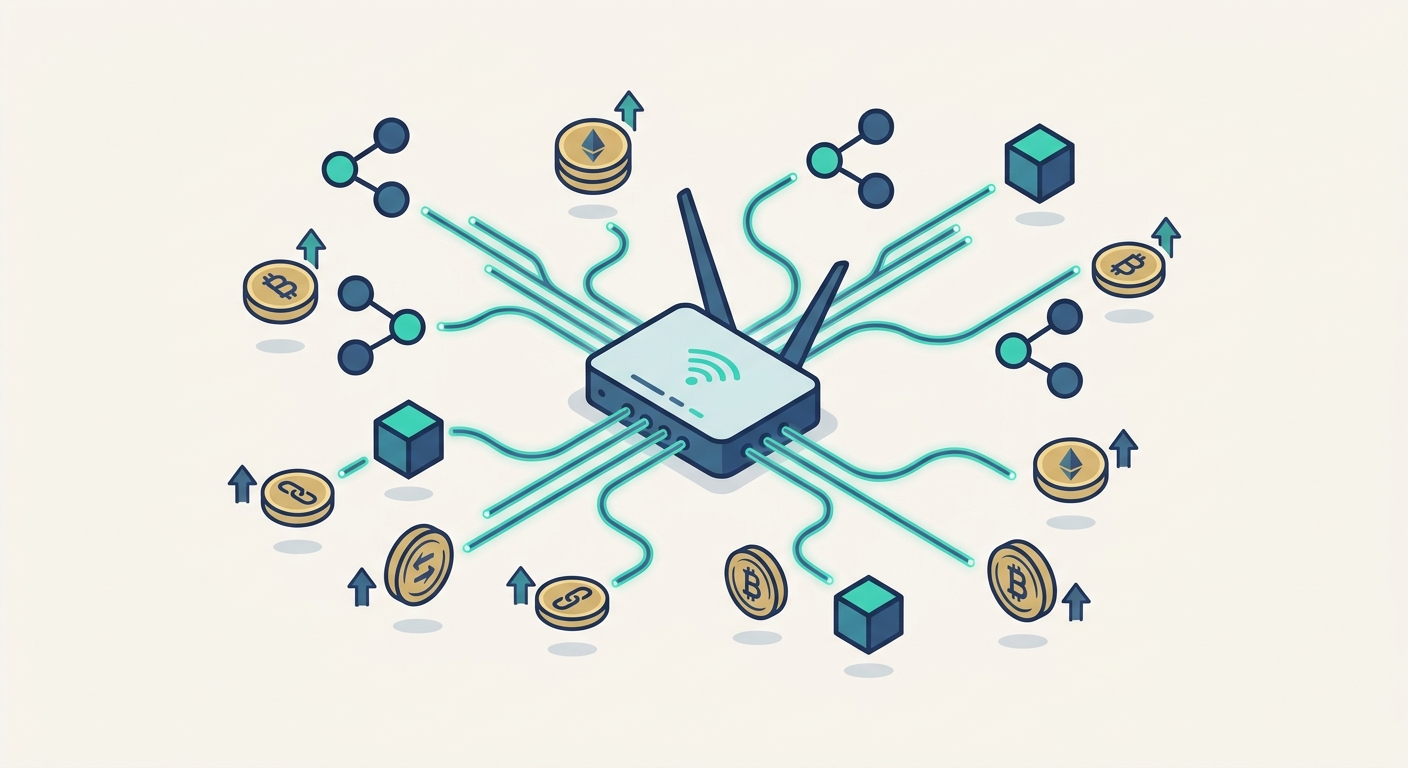
Setting up a bandwidth node is easily the most straightforward way to get a foothold in the DePIN (Decentralized Physical Infrastructure Network) economy. Think of it this way: your router is likely sitting there, doing nothing for most of the day. By dedicating a slice of that idle connection to a decentralized network, you turn a passive utility bill into a digital asset. You’re essentially renting out your spare bandwidth to fuel AI training, data scraping, and content delivery.
This guide is your roadmap. No fluff, no gatekeeping—just the technical steps to get your node live, keep it secure, and start stacking rewards.
What is a Decentralized Bandwidth Exchange, Anyway?
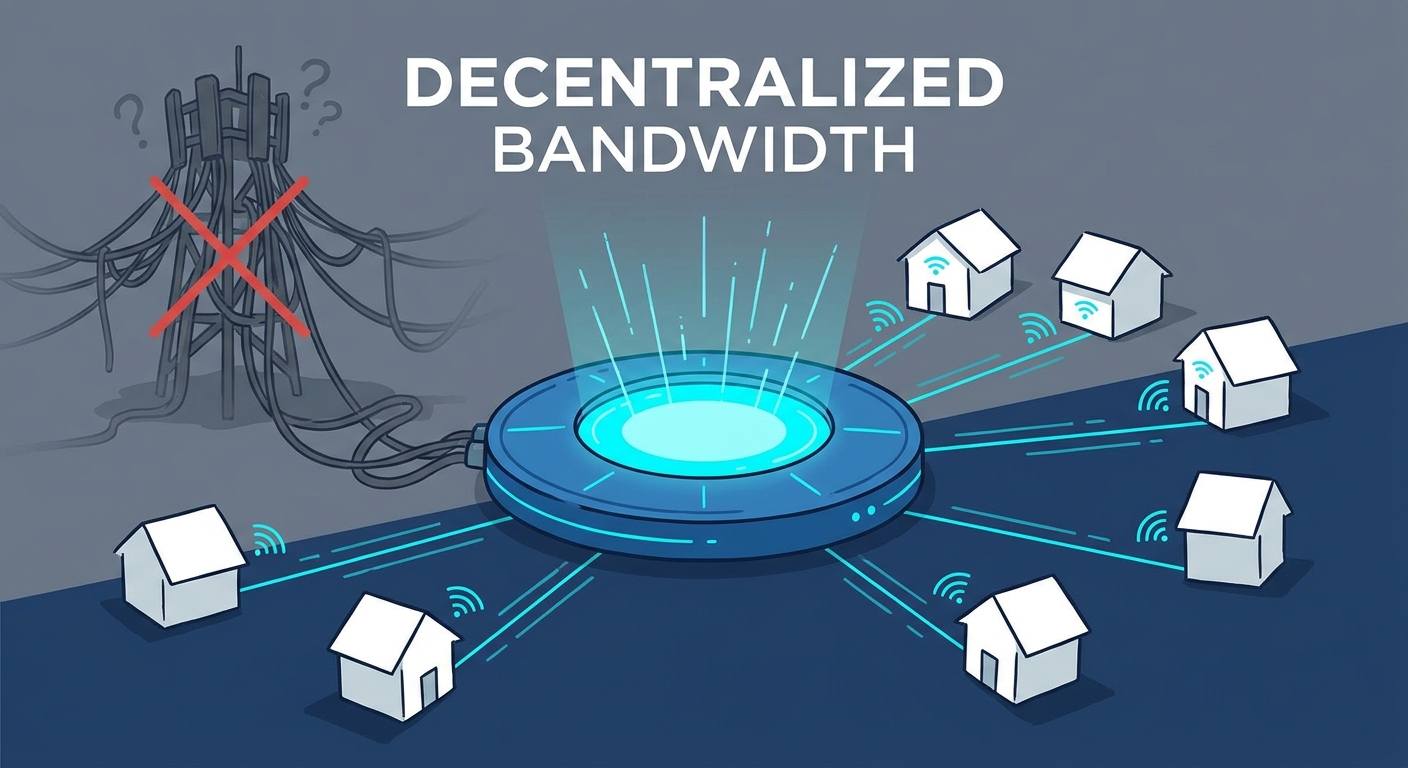
For as long as most of us have been online, the internet has been dominated by massive, centralized Content Delivery Networks (CDNs). A handful of tech giants run the show, dictating how data moves and creating convenient "choke points" that lead to outages and high costs. DePIN flips that model on its head by going peer-to-peer. You can learn more about the foundational mechanics here.
When you run a node, you’re basically acting as a micro-ISP. You’re providing the "last mile" of connectivity that allows apps to route traffic globally without needing a centralized server farm. As the broader DePIN sector growth continues to pick up steam, these networks are becoming the actual backbone of the internet, replacing legacy, opaque infrastructure with hardware that’s owned and operated by people like you.
Why Run a Node in 2026?
The main draw? Monetization. If you’re paying for high-speed fiber that sits cold for 16 hours a day, you’re leaving money on the table. Running a node converts that "waste" into a passive income stream.
But it’s not just about the wallet. Your node is a vital cog in the machine for AI model training and large-scale data scraping—tasks that rely on diverse, residential-grade IP addresses to bypass those annoying geo-blocks. The ecosystem has matured fast. The pros now use multi-chain strategies, tapping into the low fees and high throughput of networks like Solana, Ethereum, and Polygon to make sure their rewards don't get eaten up by network congestion. If you want a deep dive into the shifting landscape, review the latest 2026 market analytics.
The Mechanics: How the Exchange Works
At the heart of any reliable bandwidth exchange is the "Proof-of-Contribution" model. Forget energy-intensive mining; this system just verifies that your node is actually providing the bandwidth it claims to be sharing.
When a network request hits the gateway, your node creates an encrypted tunnel to handle that traffic. The network checks your contribution to make sure your latency and speed hold up. Once verified? The protocol triggers a payout in tokens or points directly to your wallet. It’s that simple.
Hardware: Keep It Simple
There’s a persistent myth that you need a rack of enterprise servers to turn a profit. You don't. Modern bandwidth exchanges are built for the average user. You don't need a supercomputer.
In fact, some of the most efficient nodes I’ve seen run on Raspberry Pi 5s or old laptops collecting dust in a closet. Your goal is to maximize your profit-to-electricity ratio. A Raspberry Pi uses almost no power, meaning your overhead is basically zero. If you’re using a desktop, just make sure it’s hardwired. Ethernet beats Wi-Fi every single time when it comes to uptime—and uptime is what pays the bills.
The Setup: A Step-by-Step Walkthrough
Phase 1: Prep & Security
Before you install anything, secure your perimeter. Don’t run your node on your main workstation if that’s where you keep your tax docs or crypto keys. Use a dedicated device or, at the very least, a separate VLAN. Double-check your router’s firewall to make sure you’re allowing the necessary ports, and keep your OS updated. Security isn’t optional.
Phase 2: Software Installation
Most networks have made this a plug-and-play experience.
- Grab the official client from the project’s verified repository.
- Run the installer and grant the necessary permissions.
- If you’re a developer or just curious about the hood-up view, check out developer quickstarts for modern networks to get a handle on the advanced config files.
Phase 3: Wallet Connection
Once the software is live, link your public wallet address. This is where your rewards land. Use a non-custodial wallet and—this is non-negotiable—never, ever share your private keys or seed phrases with the node software. Once the dashboard shows "Active," you’re off to the races.
Addressing the "Bad Traffic" Fear
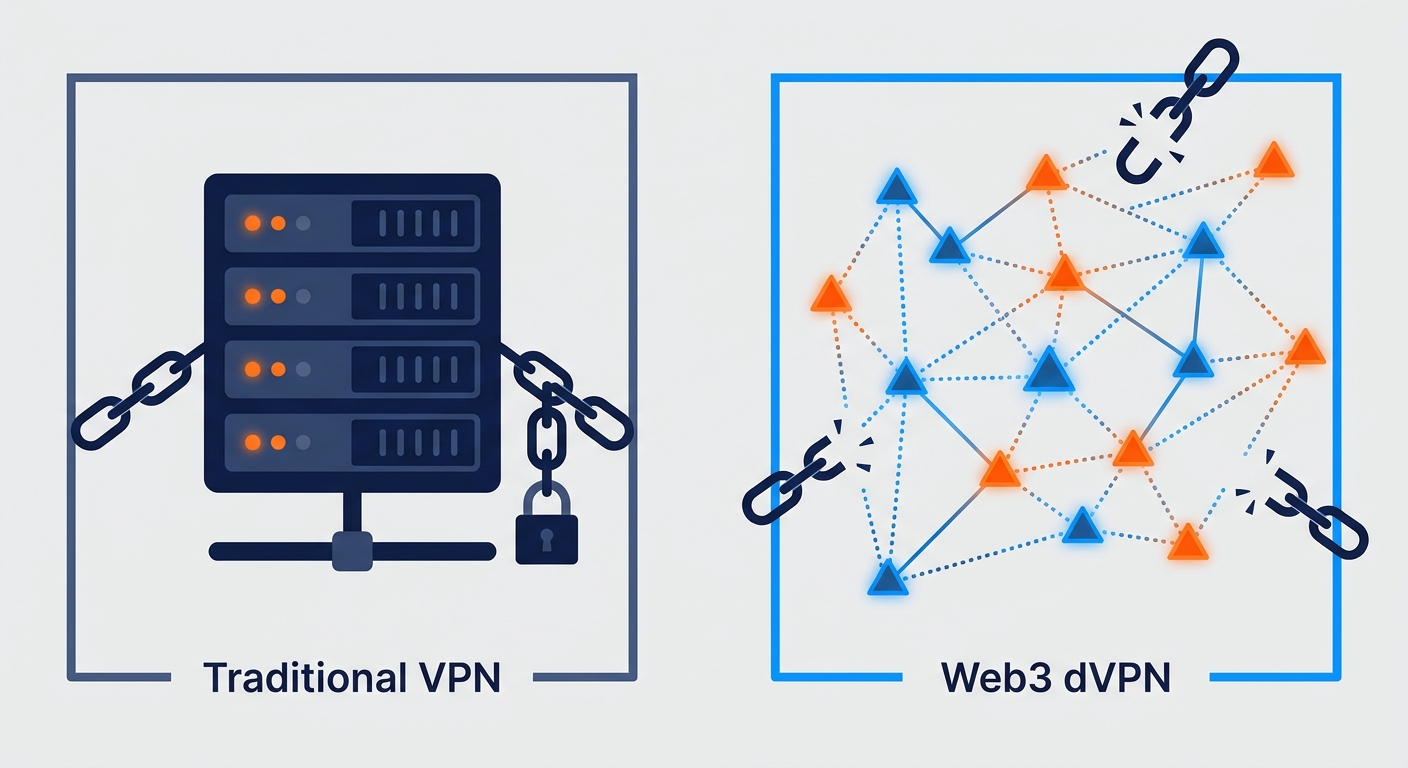
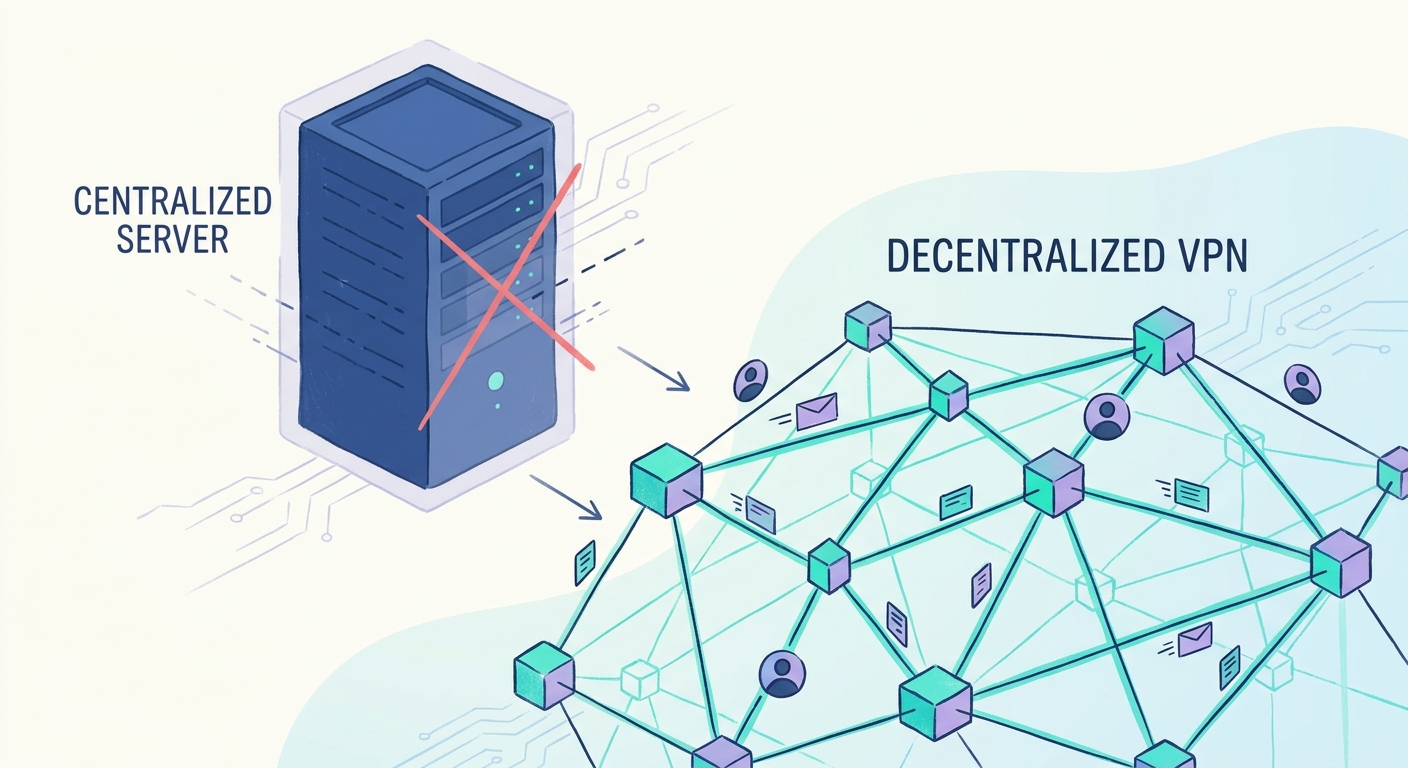
The biggest blocker for most people is the fear of "bad traffic" passing through their home IP. Let’s clear the air: this is not a traditional, centralized VPN. In a centralized system, one company controls the exit nodes and can log whatever they want.
In a decentralized exchange, your node is just one of thousands. Modern protocols use end-to-end encryption and traffic isolation. The data passing through your connection is effectively scrambled and has nothing to do with your personal browsing. We believe decentralized networks are the future of privacy because they kill the central authority that usually gets subpoenaed or hacked.
Optimization: Staying Online
Your earnings are tied directly to your uptime and connection quality. If your node is flaky, the network will dock your reputation.
- Latency vs. Bandwidth: Having 1Gbps is great, but low latency is the real king for data scraping. A wired connection minimizes jitter.
- Troubleshooting: If you’re dropping out, check for "Double NAT" issues or your ISP acting up. Some ISPs don't like constant, high-volume outbound traffic. If yours is one of them, a hardware firewall can help you shape your traffic.
- Monitoring: Keep an eye on your "Contribution Score" in the dashboard. If it drops, check your local network stability before you start tweaking the software settings.
The Horizon: Where Is This Going?
As AI training demands explode, the value of residential-grade bandwidth is going to skyrocket. We’re moving toward a future where governance is community-centric. Many projects are already shifting toward DAOs, letting node operators vote on the network's future. By setting up a node today, you’re not just chasing a few extra dollars; you’re helping build the foundation for the next decade of internet infrastructure.
Frequently Asked Questions
Is it safe to share my internet bandwidth with these networks?
Yes, provided you use reputable platforms. These networks use encrypted tunnels and strict traffic isolation protocols to ensure that users of the network cannot access your local devices or view your personal browsing activity.
How much can I actually earn running a bandwidth node?
Earnings vary significantly based on your geographic location, the speed of your internet connection, and the current demand for residential IPs in your region. It is best viewed as a supplemental passive income stream rather than a full-time salary.
Does running a node slow down my personal internet usage?
Most node clients are designed to be "bandwidth-aware." They typically only utilize the "idle" portion of your connection that you aren't currently using. If you start a high-bandwidth task like streaming 4K video, the node will intelligently throttle its own usage to ensure your experience remains seamless.
What are the minimum hardware requirements to start?
The barrier to entry is very low. A modern PC, laptop, or even a Raspberry Pi with a stable internet connection is sufficient. You do not need a high-end GPU or massive storage arrays.
Can I run multiple nodes on one network connection?
Generally, no. Most networks use IP-reputation systems to prevent fraud. Running multiple nodes on a single IP address often results in the network flagging your account, which can lower your rewards or lead to a permanent ban from the protocol.