DePIN Explained: How to Build the Next-Gen Decentralized Internet Access Layer
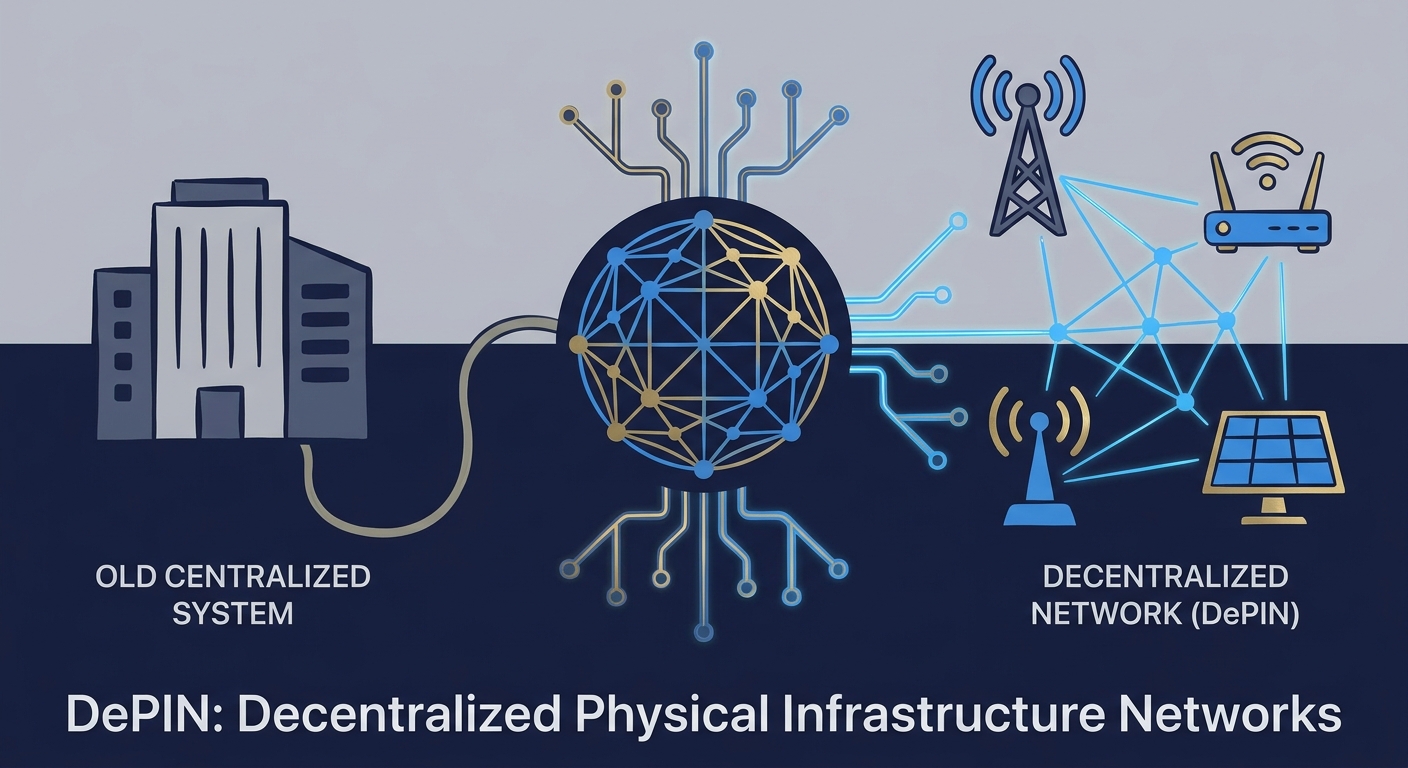
DePIN—that’s Decentralized Physical Infrastructure Networks—is the bridge between the high-minded promises of blockchain and the messy, tangible reality of the physical world. Forget the buzzwords for a second. At its core, DePIN is just a smarter way to build things. Instead of letting telco giants and cloud conglomerates hoard all the control, DePIN uses token incentives to crowdsource the heavy lifting. It’s a shift from top-down, corporate-owned infrastructure to a bottom-up, permissionless model where everyone has a seat at the table. You contribute bandwidth, compute, or wireless coverage, and you get paid for it. Simple as that.
Why Is the Internet Infrastructure Industry Ripe for Disruption?
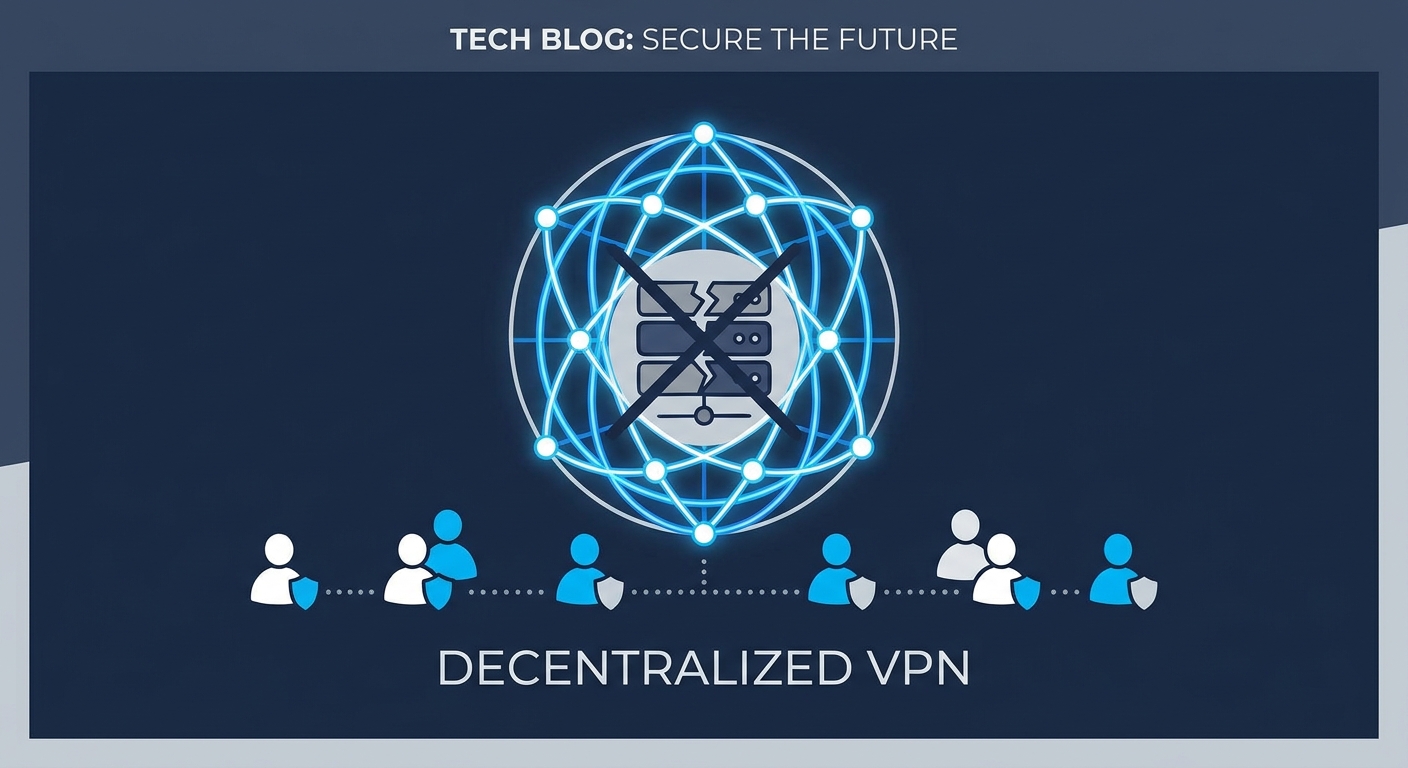
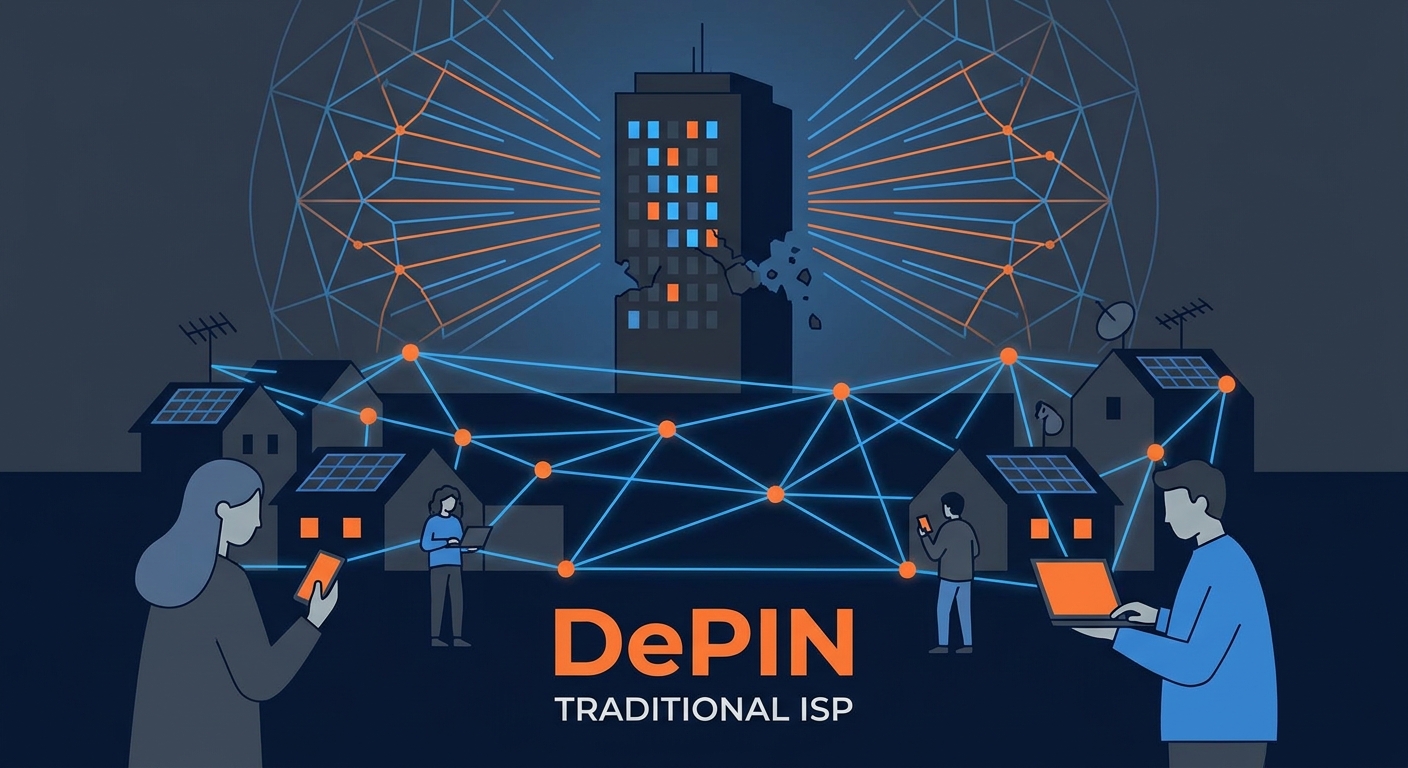
The modern internet is caught in what I call the "Centralization Trap." Think about it: almost all your traffic flows through a handful of legacy ISPs. You’re at the mercy of their routing, their data-harvesting business models, and their single points of failure. If a central data center gets hit by a power outage or decides to throttle your connection because they don't like who you're talking to, you’re stuck. You have zero recourse. This architecture isn't just inefficient; it’s a massive censorship surface waiting to be exploited.
The shift toward decentralized alternatives isn't just some tech-bro hobby horse; it’s a technical necessity for internet freedom. In the legacy world, building infrastructure costs billions. That keeps the playing field tilted heavily toward the incumbents. By contrast, decentralized networks spread the cost and the control. The result? A web that is inherently more resilient, harder to shut down, and significantly better at routing data based on where you actually are—not which corporate peering agreement happens to be most profitable.
What Exactly Is DePIN (And Why Does It Matter in 2026)?
By 2026, the conversation has moved way past the "get-rich-quick" crypto-mining frenzy. We’re in the era of utility. DePIN is now a category of networks where blockchain protocols handle the supply and demand of physical resources. According to the CoinGecko DePIN guide, these projects incentivize real people to deploy hardware—routers, servers, storage units—to provide services the market actually needs.
The energy here is different. Projects aren't just printing tokens to attract mercenaries anymore. They’re building marketplaces where real-world enterprise demand—think AI training firms hungry for bandwidth or privacy-conscious users needing secure tunnels—drives the value. The token isn't just a lottery ticket; it’s a utility that keeps the machine humming.
How Does the "DePIN Flywheel" Actually Work?
Sustainability is the name of the game. These networks rely on the "DePIN Flywheel," a self-reinforcing cycle where supply and demand feed each other.
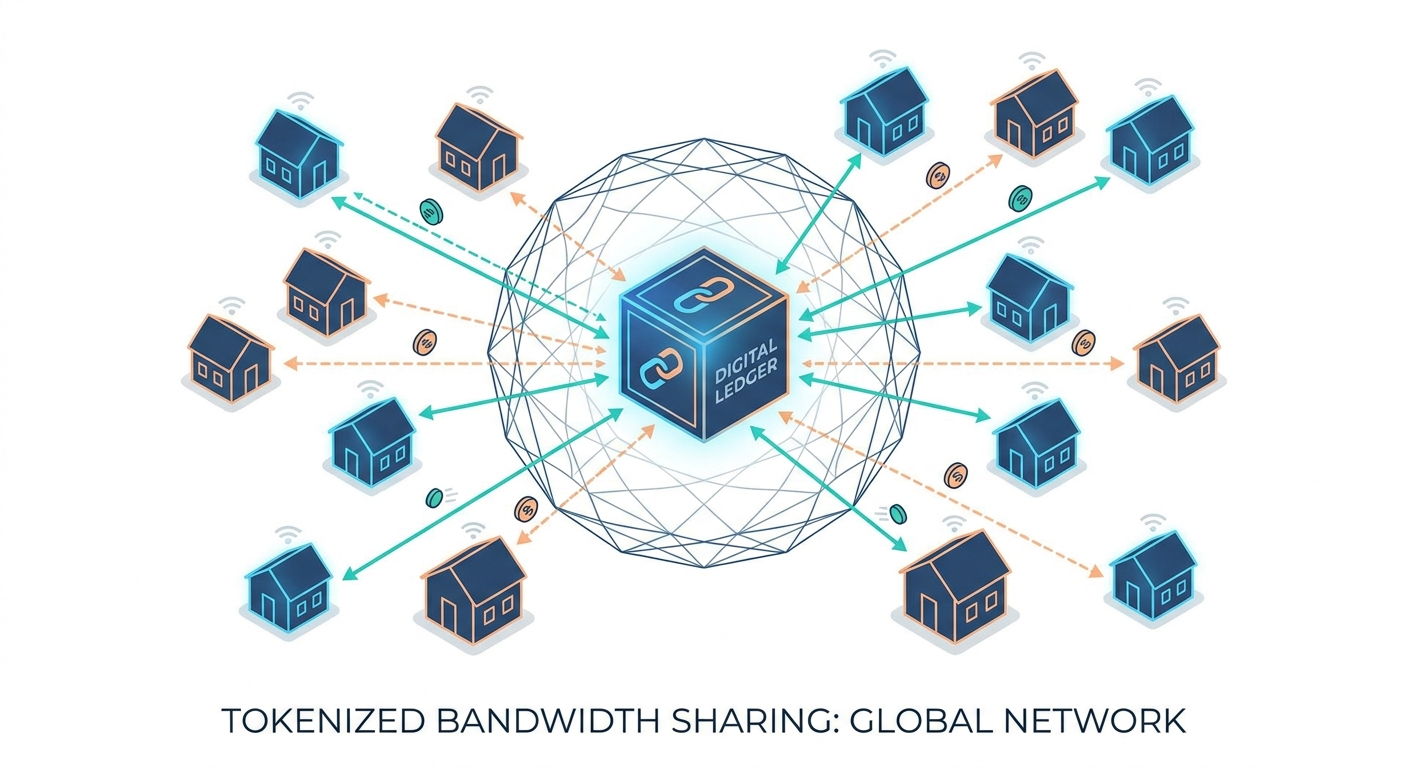
The flywheel starts with token rewards to bootstrap the supply side. It gets people to actually plug in their hardware. As those nodes come online, the Quality of Service (QoS) and network coverage improve. Better service attracts enterprise-level demand. These companies pay for the services, creating a revenue stream that supports token buybacks or burns. That, in turn, keeps the incentive pool fat and happy for new node operators. It’s a closed loop that actually makes sense.
What Are the Three Pillars of DePIN Architecture?
If you’re looking to build or just understand a decentralized access layer, you’ve got to look at these three layers:
- Physical Layer: This is the hardware base. It covers everything from high-end edge servers to the old router sitting in your living room that can share a little bit of excess bandwidth.
- Middleware Layer: This is the "glue." It handles the boring, vital stuff: verification, oracles, and Zero-Knowledge Proofs (ZKPs). It makes sure the bandwidth is real and that your privacy stays intact.
- Blockchain Layer: This is the settlement layer. It’s where smart contracts handle the payments, staking, and rewards. It keeps everyone honest without needing a middleman to sign off on the math.
PRN vs. DRN: Which Network Model Are You Building?
Not all DePIN projects are the same. You need to know the difference between Physical Resource Networks (PRN) and Digital Resource Networks (DRN).
Physical Resource Networks (PRN): These are location-dependent. Think decentralized 5G or LoRaWAN. If you aren't in the right spot, the node doesn't provide the value the network needs. The geography is the product.
Digital Resource Networks (DRN): These don't care where you are. A dVPN is the perfect example. It provides bandwidth that can be tapped from anywhere. The value isn't your GPS coordinates; it's throughput, latency, and security. DRNs are usually easier to scale because you don't have to worry about zoning permits or physical site surveys.
How Do We Solve the "Cold Start" Problem?
The "cold start" problem is the graveyard of startups. You need providers to attract users, but you need users to pay the providers. Successful networks, like those referenced in the io.net documentation, get around this by using aggressive, front-loaded token emission curves. They essentially subsidize the "empty room" phase.
But here’s the catch: you can’t rely on that forever. The goal is to move from artificial rewards to organic acquisition. You have to build a product that is so much cheaper, faster, or more private than the centralized competition that people show up for the utility, not just to farm tokens.
Can Decentralized Networks Meet Enterprise SLAs?
The "SLA Problem" is the most common jab critics take at DePIN. They ask: "How do you guarantee 99.9% uptime in a permissionless network?" The secret is cryptoeconomic game theory: "staking-for-performance."
Nodes have to put skin in the game. They stake tokens to participate. If they flake out or drop the ball on throughput, their stake gets slashed. When you combine that with reputation scores that track historical performance, the network naturally routes traffic through the "good" nodes. You end up with enterprise-grade service built on top of a decentralized, volatile, and resilient base.
Why Are ZKPs the Secret Weapon for Privacy?
Privacy is the killer app for dVPNs. With a traditional VPN, you're essentially handing your traffic to a company and hoping they mean it when they say "no logs." With a dVPN, Zero-Knowledge Proofs (ZKPs) act as the auditor. A node can prove it provided the bandwidth you asked for without ever seeing your traffic, your IP, or your browsing history. The network verifies the proof, not a central authority. It’s privacy guaranteed by math, not by a flimsy Terms of Service page.
How to Set Up Your First dVPN Node (Actionable Walkthrough)
Participating in the decentralized internet isn't rocket science. Here’s how you get started:
- Pick Your Protocol: Find a dVPN network that actually matches what you can run.
- Install the Software: Most modern protocols are just apps. If you can run a browser, you can run a client on Windows, macOS, or Linux.
- Stake Your Tokens: You’ll need a bit of the native token to collateralize your node. It’s your guarantee that you’ll play nice.
- Configure Throughput: Set your limits. You can easily share your excess capacity without turning your home connection into a crawl.
What Does the Future of Decentralized Internet Look Like?
The convergence of DePIN and AI is the next big wave. Training AI models requires massive compute power and bandwidth. By feeding these models through decentralized infrastructure, we create a symbiotic relationship where the "brains" of the future are powered by the "nerves" of a decentralized internet. The regulations are still a mess, sure. But as these networks prove they work, and as they prove they can survive where centralized networks fail, the path to global adoption becomes a question of when, not if.
Frequently Asked Questions
Is DePIN internet faster than traditional ISPs?
DePIN networks often prioritize redundancy and censorship resistance over pure raw speed. While they may not replace fiber-optic backbones in the short term, they provide superior routing through diverse, global nodes, which can drastically lower latency for specific global applications by bypassing congested centralized exchange points.
How do I earn tokens by sharing my bandwidth?
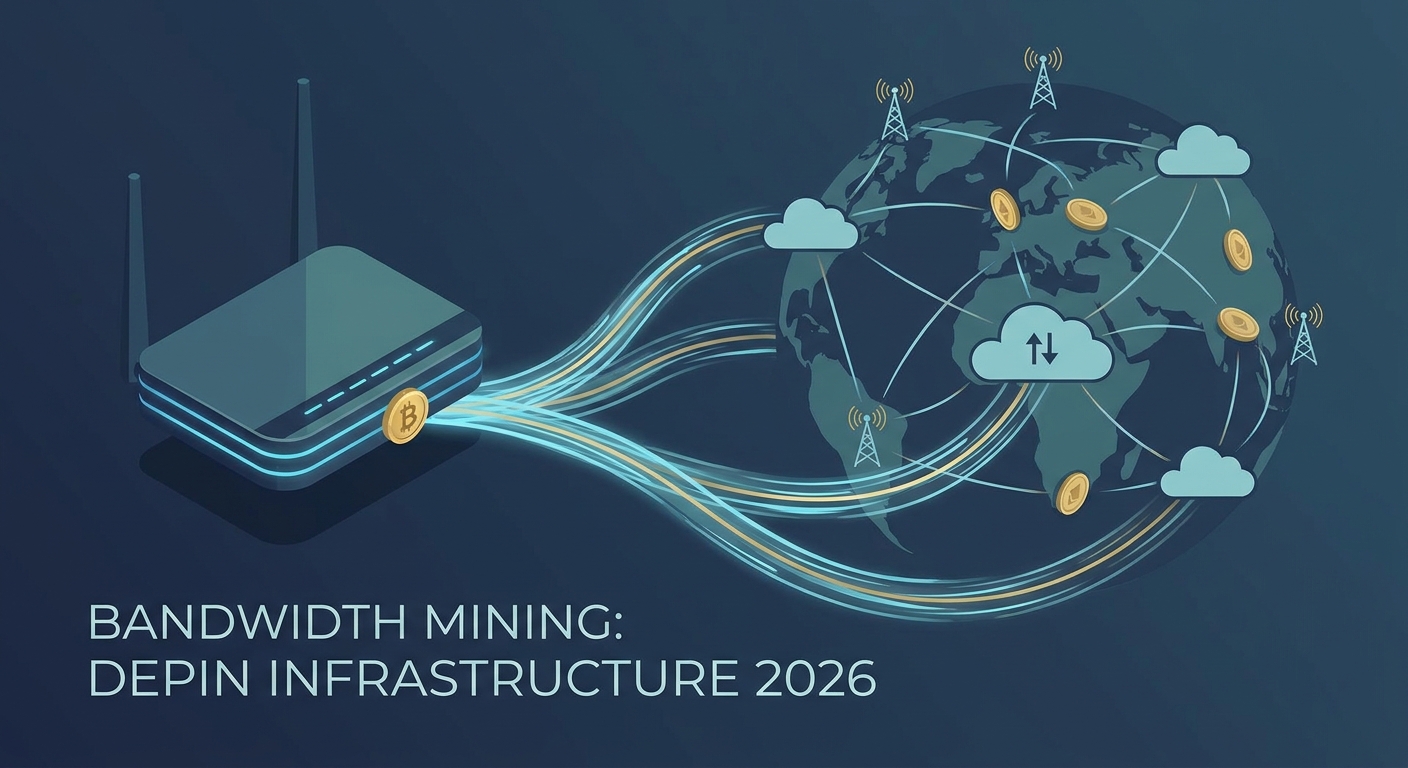
This is known as "Bandwidth Mining." You install a client, stake a portion of the network's native tokens to represent your commitment, and your node is then assigned traffic tasks. You receive rewards proportional to your uptime, the volume of data processed, and the quality of the connection provided.
Is decentralized internet access actually private?
Yes. Because the routing is distributed, no single entity sits in the middle of your connection to log traffic. When combined with ZKPs, the node operator cannot see what you are browsing, and the network cannot trace the request back to your specific IP address, providing a higher standard of privacy than a standard commercial VPN.
How does a dVPN differ from a standard commercial VPN?
A standard commercial VPN operates on a centralized server farm model, meaning the provider has full control over the servers and can technically store logs. A dVPN is permissionless; anyone can run a node, and the trust is placed in cryptographic protocols and smart contracts rather than the reputation of a centralized corporation.