10 Best Decentralized VPNs of 2026: Monetize Your Internet Connection
TL;DR
- ✓ Decentralized VPNs replace corporate servers with secure peer-to-peer residential mesh networks.
- ✓ Users can monetize unused internet bandwidth by acting as active network relay nodes.
- ✓ ZK-proof technology ensures total privacy without relying on traditional no-logs marketing claims.
- ✓ Residential IP routing makes dVPNs highly effective against state-level censorship and firewalls.
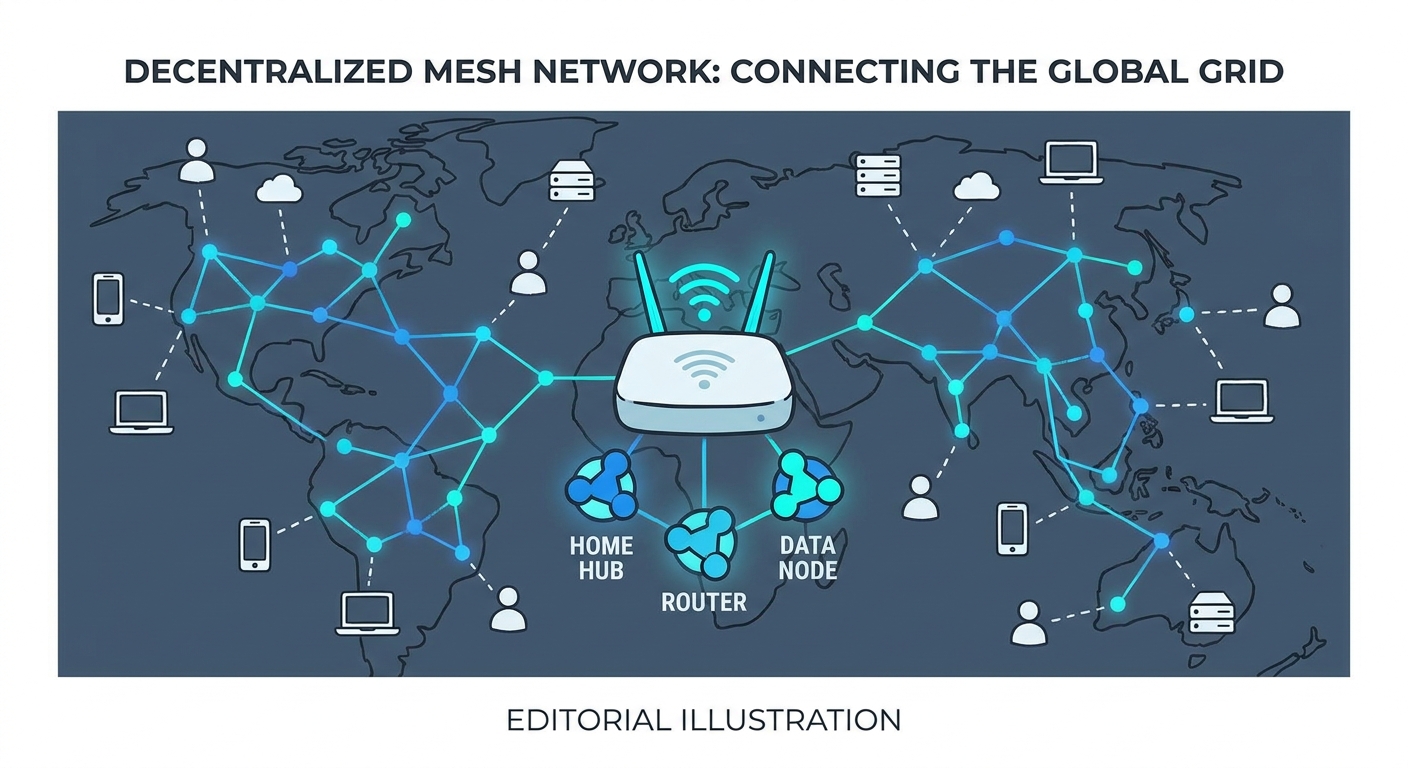
In 2026, the internet isn’t just a service you pay for—it’s an asset you can put to work. A decentralized VPN (dVPN) flips the script on the old, greedy VPN model. Instead of funneling your data through a handful of vulnerable, corporate-owned servers, a dVPN uses a peer-to-peer mesh network. It secures your traffic while paying you for the privilege of hosting it.
It’s time to stop being a passive consumer and start being a network participant.
What Exactly is a dVPN and Why is it the "Airbnb for Bandwidth"?
Traditional VPNs are black boxes. You pay a monthly fee, cross your fingers that they don't log your history, and hope their servers aren't a target for hackers. The dVPN movement, powered by DePIN (Decentralized Physical Infrastructure Networks), ditches this corporate gatekeeping.
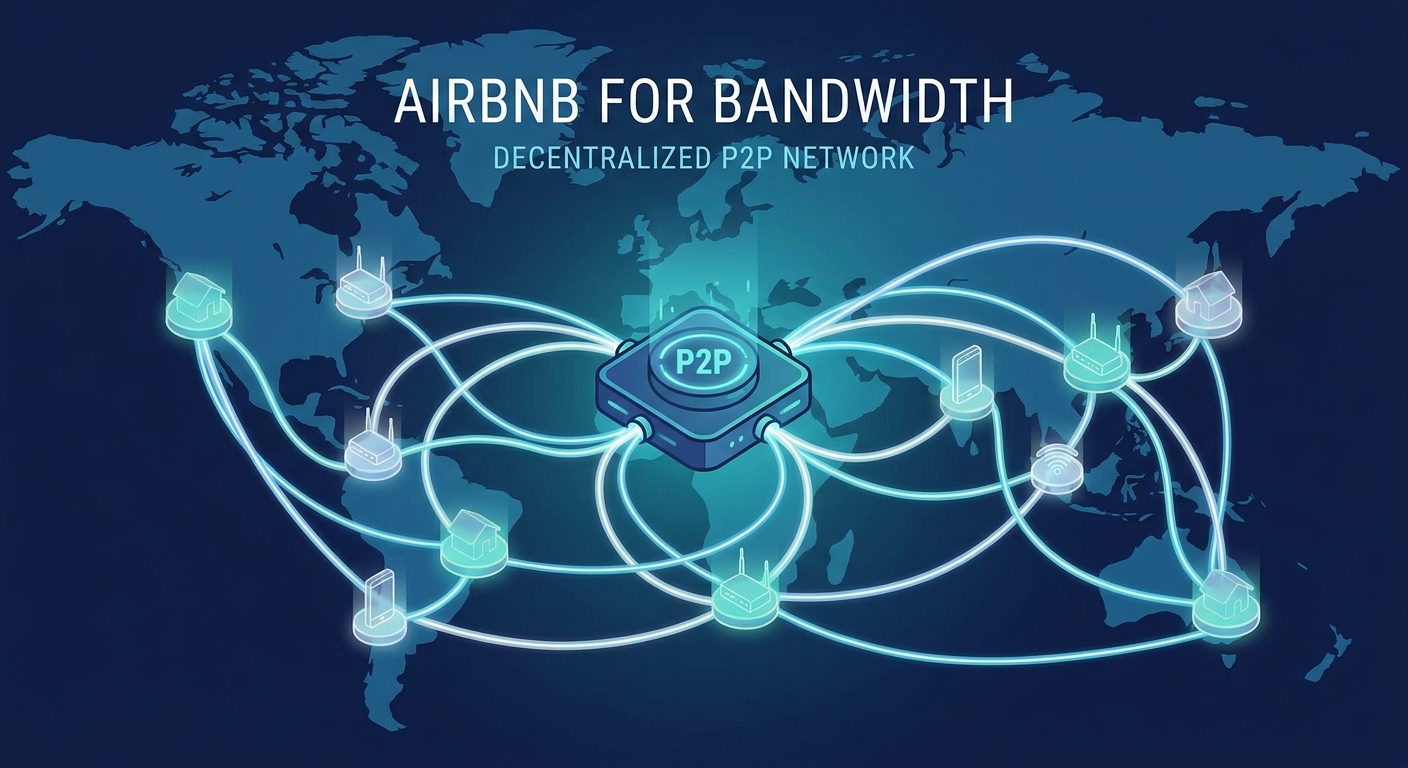
Think of it as the "Airbnb for bandwidth." Just like Airbnb turned your spare bedroom into a revenue stream, dVPNs turn your unused internet capacity into a digital storefront. This economic shift in the internet infrastructure sector is effectively decentralizing the backbone of the web, ripping power away from massive data centers and putting it back into the hands of real people.
How Does a Decentralized VPN Work? (The Technical Edge)
The big difference? Your routing path. With a legacy VPN, your data hits a company-owned server and stops there. With a dVPN, your data hops through a sequence of residential nodes—real people, just like you—who get paid to relay traffic.
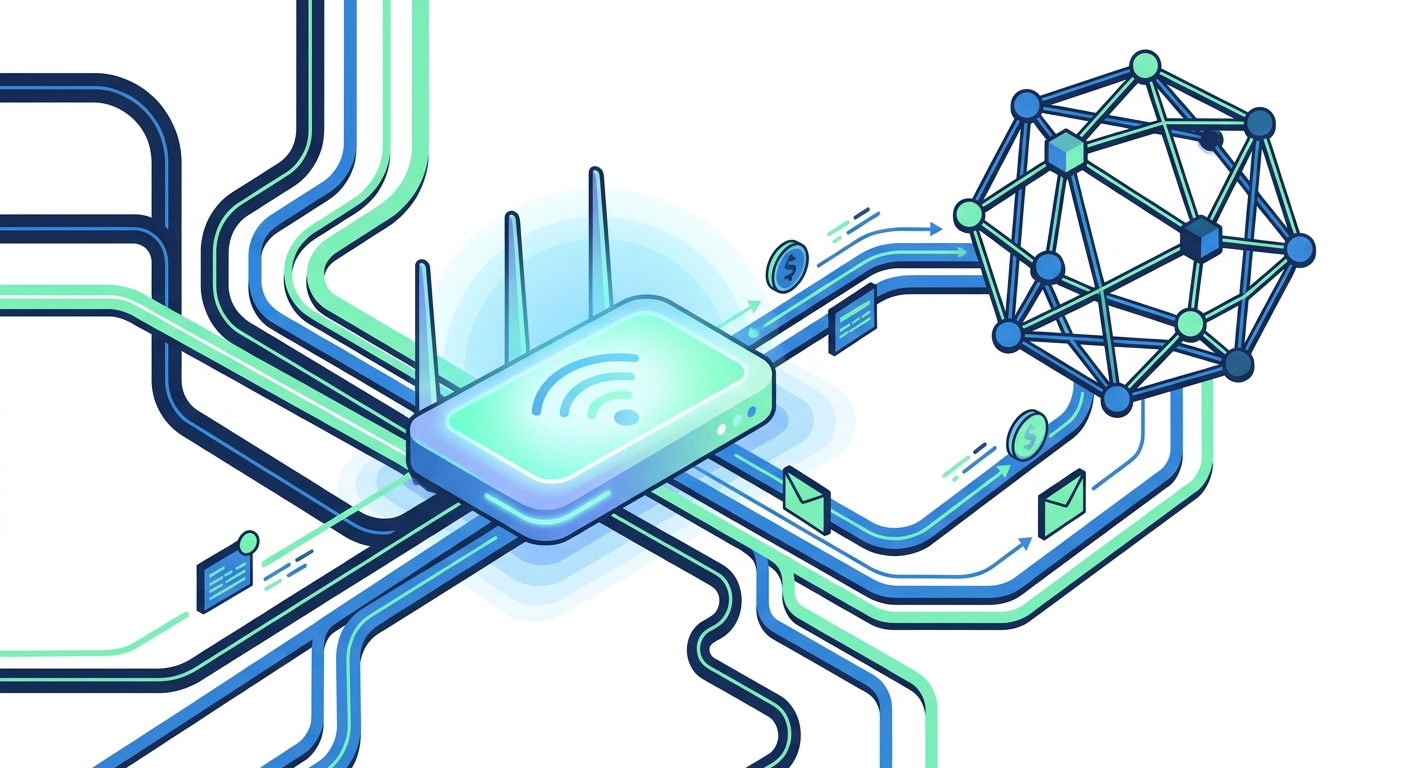
Early decentralized networks were sluggish. Not anymore. 2026-era protocols use ZK-proofs (Zero-Knowledge Proofs). These allow the network to verify that a node is doing its job—relaying traffic—without the node ever seeing a single bit of your actual data. It’s a trustless architecture that makes "no-logs" marketing claims totally obsolete. The protocol itself makes it mathematically impossible to track you.
Why Should You Switch to a dVPN in 2026?
The main reason? Censorship resistance. Because dVPNs rely on residential IP addresses that shift constantly within a massive mesh, they are a nightmare for state-level firewalls to block. A traditional VPN server is easy to spot—it’s just another data-center IP. A residential node, however, looks exactly like any other home user.
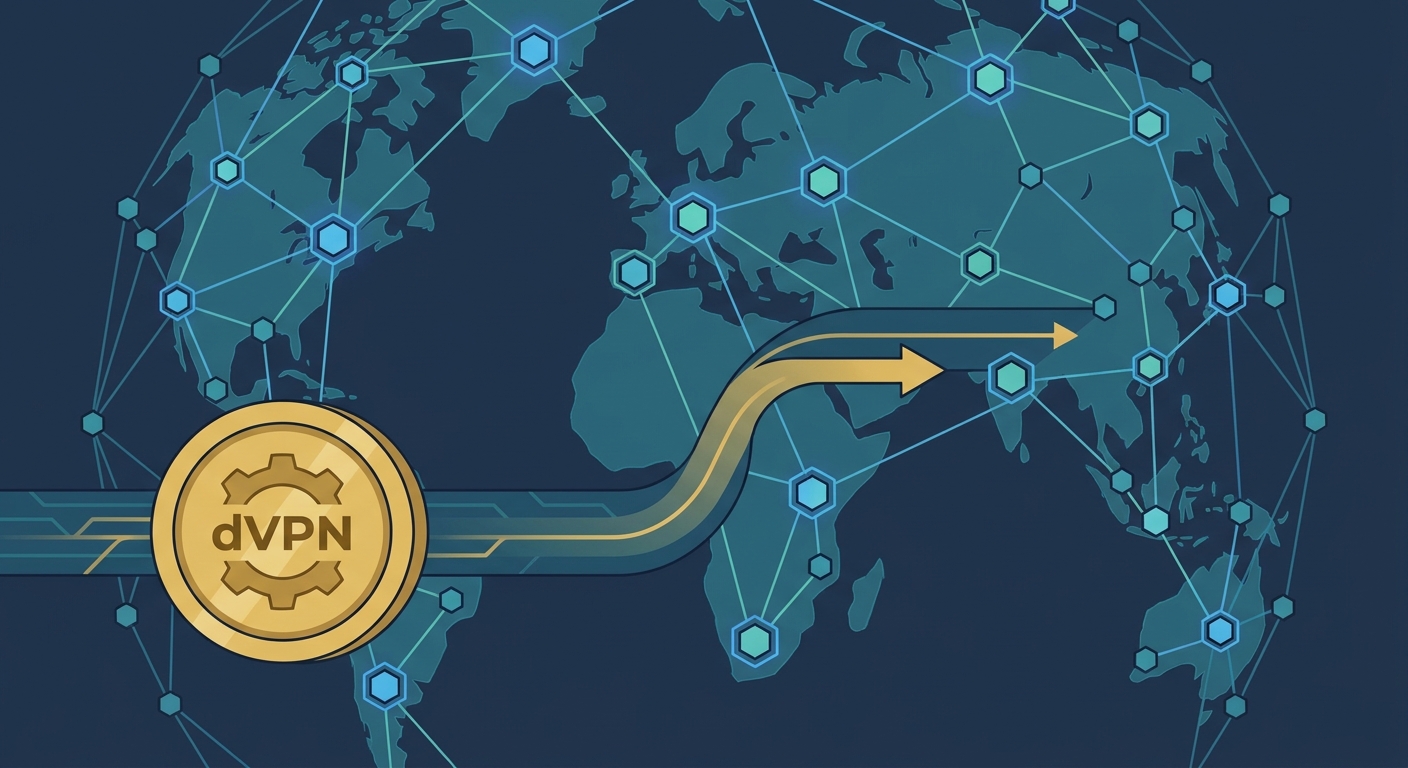
Transparency is the other big win. Everything runs on open-source smart contracts. You don't have to take a CEO’s word for it anymore. You can visualize the explosive growth of the global bandwidth marketplace in real-time, watching exactly how the network scales and where nodes are popping up across the globe.
Can You Really Monetize Your Internet Connection?
Absolutely. This is the "Bandwidth Mining" era. By running a node, you’re providing a vital service—privacy and routing—and the protocol pays you in its native token. Suddenly, your monthly ISP bill isn't just a sunk cost; it's a potential passive income stream.
The tech behind this is slick. Instead of waiting for a monthly payout, these protocols use probabilistic nanopayments to settle balances instantly. For a deep dive into the mechanics of how these tokens reach your wallet, it’s worth reading up on how your hardware talks to the blockchain to ensure you get paid for every single megabyte you process.
The 10 Best Decentralized VPNs of 2026 (Ranked)
- Sentinel (DVPN): The gold standard for open-source, multi-chain privacy focusing on true interoperability.
- Mysterium (MYST): Boasts the largest residential node network, providing incredible speed and global IP diversity.
- Orchid (OXT): A pioneer in the probabilistic micropayment space, allowing for a highly granular "pay-as-you-go" experience.
- Akash Network: While primarily compute-focused, its VPN sub-layer is highly robust for power users.
- SpiderDAO: Integrates hardware directly with its VPN, perfect for those who want a "plug and play" router experience.
- PrivaNet: Emerging as the top choice for mobile-first users looking for seamless, low-latency connections.
- BPN (Bandwidth Protocol Network): A rising star in the node density category, offering high payouts for residential nodes.
- Decentralized Onion (dOnion): A hybrid approach that integrates Tor-like routing with dVPN economic incentives.
- EtherVPN: Known for its minimalist UI and extremely low barrier to entry for node operators.
- GeoNode: Focuses specifically on high-bandwidth business routing for those with fiber-optic connections.
How Did We Select These Top 10 Providers?
We didn't just pick names out of a hat. We grilled them on four non-negotiable pillars:
- Transparency: Is the code fully open-source and audited?
- Token Stability: Does the native token have real utility and a healthy, non-speculative ecosystem?
- Node Density: How many active residential nodes are available to ensure low latency?
- UI/UX: Can a non-technical user get the app running in under five minutes?
Deep Dive: How the Protocol Works
At the heart of these networks is the P2P node protocol. To understand the granular mechanics of how your device finds and verifies a relay, you should examine the technical documentation for P2P node protocols. These protocols ensure that your connection is not only encrypted but also fragmented across multiple nodes, ensuring that no single entity can ever see your entire traffic flow.
How to Get Started: A Simple Node Setup Guide
You don't need a PhD in computer science to contribute. Got a spare laptop or a Raspberry Pi? You’re golden. The process is essentially a digital handshake between your hardware and the blockchain.
Once connected, you can verify your node's performance and health by checking the official network explorer. Keep an eye on your uptime; the more reliable your connection, the higher your reward potential.
Frequently Asked Questions
Is it legal to monetize my internet connection?
In most jurisdictions, yes. However, you should check your ISP's Terms of Service. While many ISPs are neutral, some prohibit commercial use of residential lines. Most dVPN users operate within the "fair use" bandwidth limits already provided by their home plans.
Does sharing my bandwidth make me liable for user traffic?
Modern dVPNs utilize "Exit Node" protections, where the protocol is designed to isolate the node runner from the traffic content. By using ZK-proofs and encrypted relays, you ensure that you are merely a conduit for encrypted packets, not the origin point of the data.
How much money can I actually earn sharing my bandwidth?
Earnings vary wildly based on your geographic location, connection speed, and uptime. In high-demand regions (like the US or Western Europe), a well-maintained node can significantly offset or even exceed the monthly cost of your internet subscription.
Are decentralized VPNs slower than traditional VPNs?
Historically, yes. But in 2026, the gap has closed. Because you can choose to route your traffic through nodes in your immediate geographic vicinity, you often experience lower latency than a traditional VPN that forces your traffic through a distant, congested data center.
What happens if I disconnect my node?
Nothing negative; you simply stop earning rewards. The decentralized nature of the network means that your exit does not break the VPN; the protocol automatically reroutes active traffic to the next available node in the mesh.