Supply Chain Vulnerabilities in Networking Software Emerge as Critical Threat to Digital Sovereignty
Supply Chain Vulnerabilities in Networking Software: A New Front in Digital Sovereignty
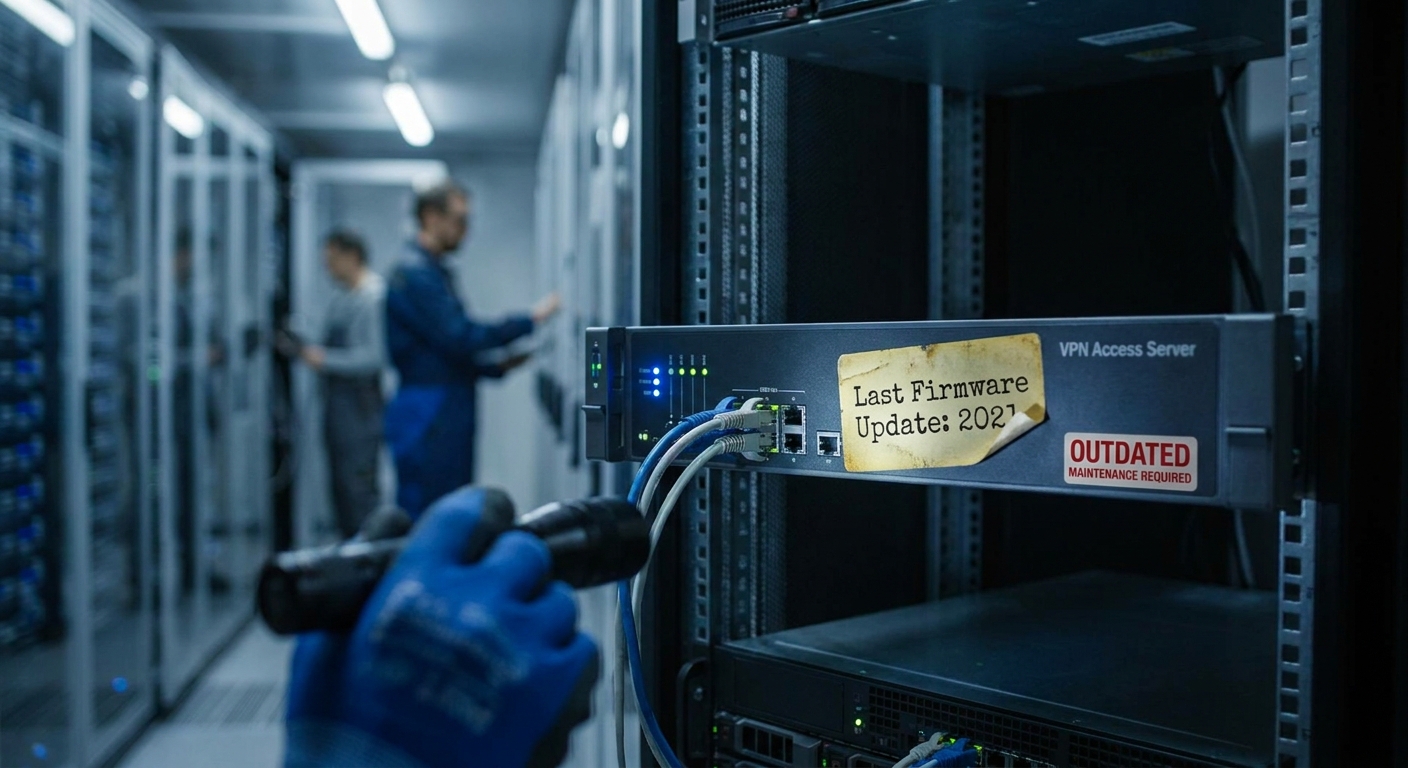
The global supply chain has become a tangled web, and for anyone relying on networking software, that web is starting to look like a trap. We’ve reached a breaking point where "digital sovereignty"—the ability to control your own infrastructure—is no longer a buzzword. It’s a survival tactic. Organizations and governments are waking up to the fact that their networking stacks are riddled with systemic vulnerabilities, and they’re finally realizing that supply chain integrity isn’t just a checkbox for auditors. It’s the bedrock of national security.
As geopolitical lines harden, our obsession with interconnectedness has come back to haunt us. We’ve built massive, sprawling digital infrastructures without fully accounting for the third-party components holding them together. The era of "trust but verify" is dead. Now, it’s just "verify, then verify again." Stakeholders are finally admitting that those hidden dependencies buried deep in the software stack aren't just technical debt—they are massive, gaping holes waiting to be exploited.
The Rise of Strategic Risk Management
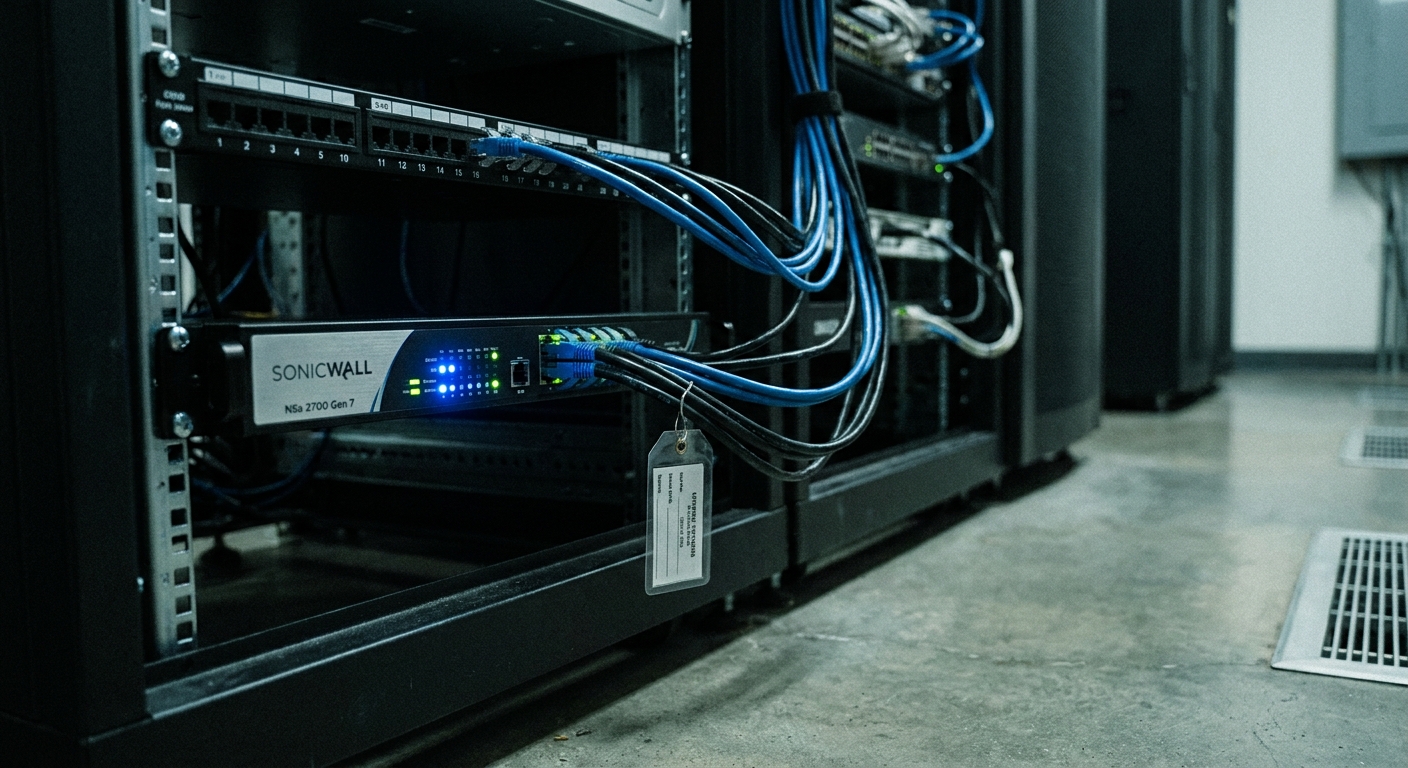
Modern digital architecture is opaque by design. You buy a solution, but you’re really buying a thousand tiny, unvetted pieces from a thousand different vendors. According to the World Economic Forum, more than half of large organizations cite this complexity as the single biggest barrier to cyber resilience. And the real danger? The "long-tail" vendors. These are the small, specialized shops that provide niche components. They rarely get the security scrutiny that a tech giant does, yet they hold the keys to the kingdom.
Security teams are now playing detective, trying to map out a digital ecosystem that was never meant to be transparent. As discussed in recent analysis on supply chain risk taking center stage, the ability to peel back these layers is the only way to maintain any semblance of sovereignty. The days of sending out a generic vendor questionnaire and calling it a day are over. Organizations are now demanding granular visibility—they want to know exactly what’s under the hood of their critical infrastructure.

Regulatory Shifts and the Push for Transparency
The European Commission isn't waiting around. They’re spearheading new regulations aimed squarely at high-risk vendors, signaling a shift where governments are no longer just observers; they’re setting the rules of the road. By forcing companies to own their third-party risks, regulators hope to curb the reliance on external, potentially compromised, software.
The linchpin of this movement is the Software Bill of Materials (SBOM). Think of it as a nutritional label for code. The CISA guidance on enhancing SBOM attributes makes it clear: if you don't know what’s in your software, you can’t protect it. Maintaining a living inventory of assets is the only way to react when a new vulnerability drops.
The New Rules of Engagement
The shift toward active risk management is changing how companies interact with their tech partners. It’s a fundamental pivot:
- Continuous Assurance: Annual audits are a relic. Boards now want real-time monitoring and constant verification of vendor security.
- IT/OT Convergence: We’re pouring money into securing the bridge between business networks and industrial control systems, because that’s exactly where attackers are aiming.
- The National Security Lens: Where does your software come from? Who owns the company? These questions are now part of every procurement conversation.
- Visibility into Hidden Dependencies: It’s not just about the primary vendor anymore. It’s about the libraries and sub-components buried five layers deep.
Mitigating Risks in Industrial Environments
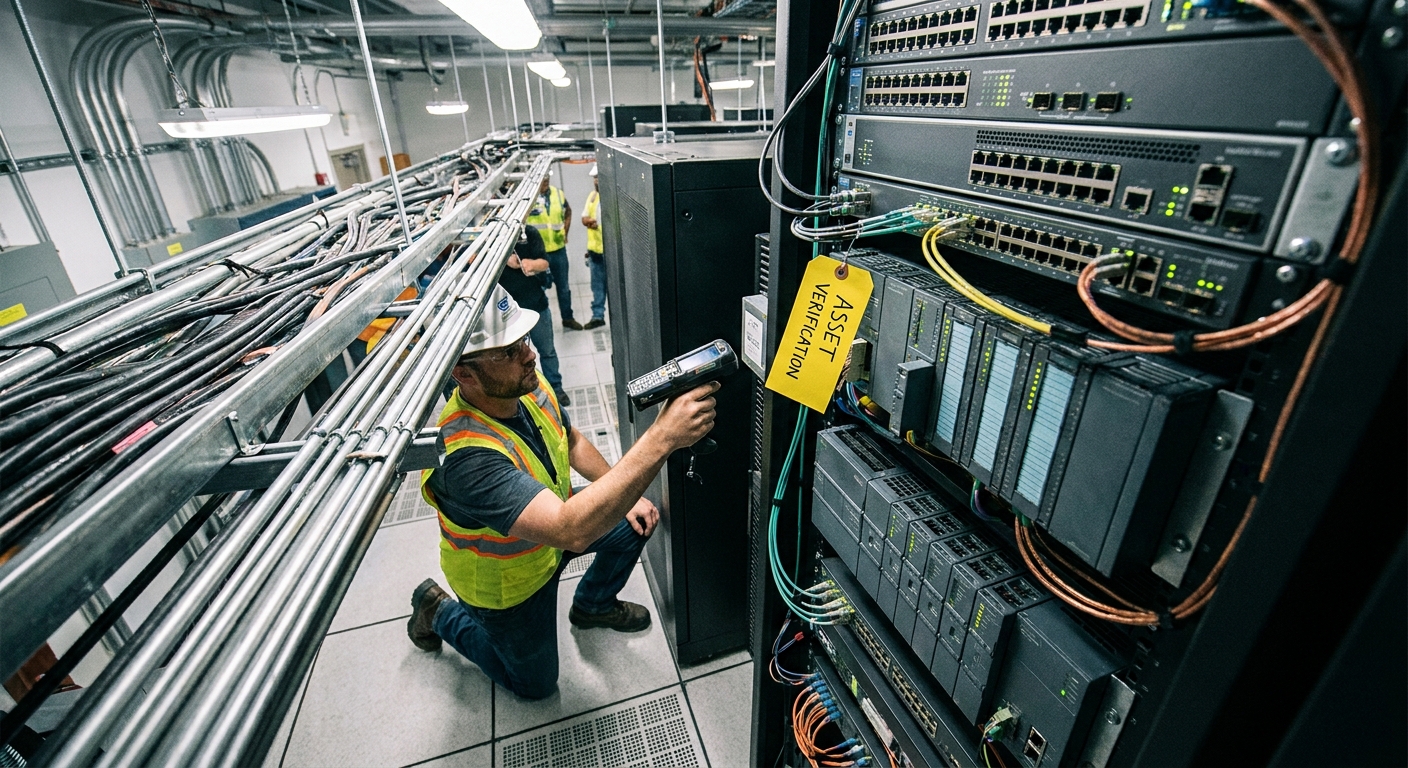
Securing industrial control systems (ICS) is where the stakes get terrifyingly real. Recent reports on large-scale Modbus TCP activity targeting PLCs prove that the gaps in OT security aren't just theoretical. A bug in a piece of networking software can lead to a physical shutdown of a power grid or a factory floor.
| Strategy Component | Focus Area | Goal |
|---|---|---|
| Transparency | SBOM Implementation | Asset visibility and vulnerability tracking |
| Governance | High-Risk Vendor Policy | Mitigation of external geopolitical dependencies |
| Resilience | IT/OT Convergence | Prevention of operational disruptions |
| Assurance | Continuous Monitoring | Shift from periodic to real-time verification |
The Path Toward Strategic Autonomy
The evolution of supply chain security is permanently altering the customer-provider dynamic. As we see more cyberattacks on critical infrastructure, the appetite for "good enough" security has evaporated.
True strategic autonomy requires a proactive, almost aggressive, stance on software integrity. It means treating code transparency as a core business asset, not an IT expense. By leaning into robust SBOM practices and keeping a hawk-like watch over the vendor landscape, organizations can insulate themselves from the chaos of hidden dependencies. The era of passive vendor management is over. We’ve entered a new phase—one defined by data-driven, sovereign-focused risk management. If you aren't looking at your supply chain today, you’re already behind.