State-Sponsored Cyber Espionage Campaigns Increasingly Target Global Energy and Defense Infrastructure Using AI Tools
TL;DR
State-Sponsored Cyber Espionage: The New Frontline Against Global Infrastructure
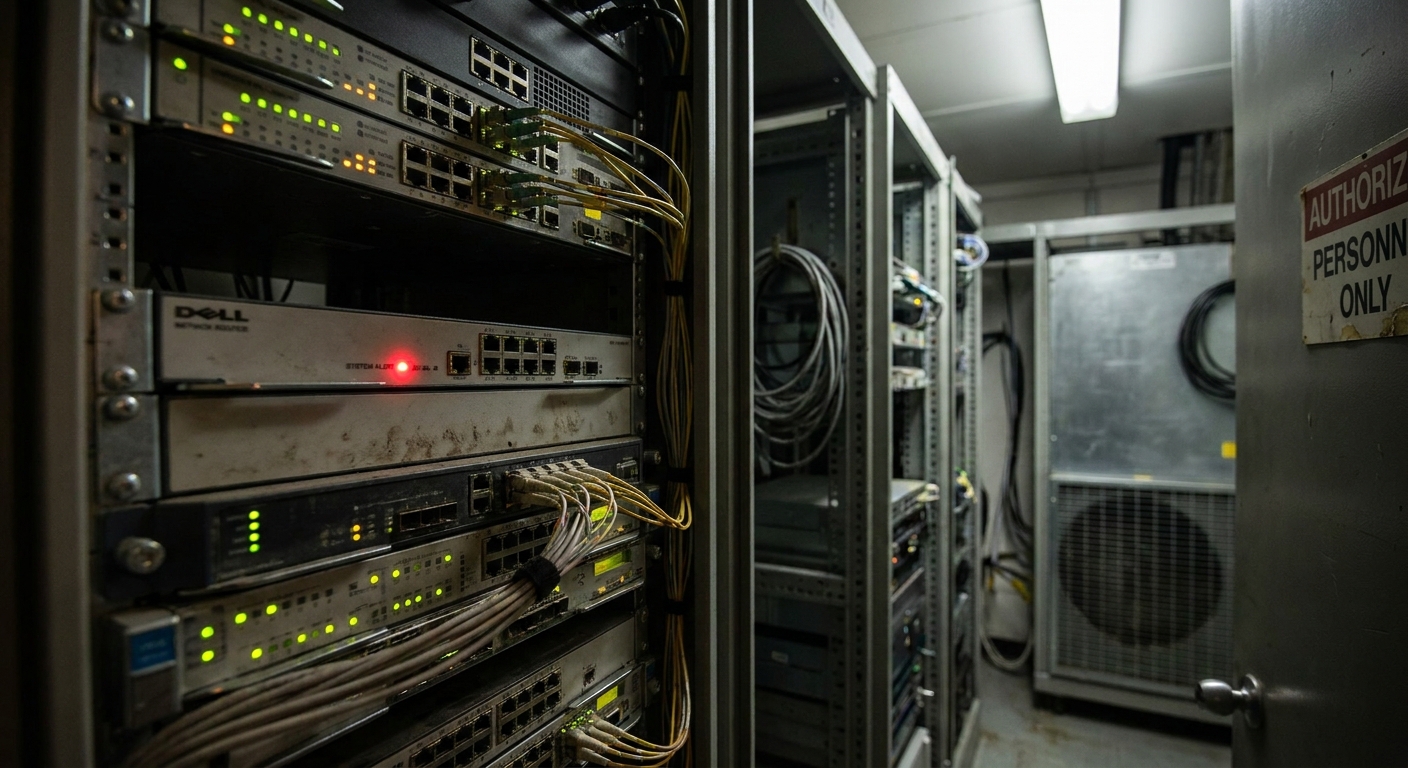
A global coalition of intelligence agencies has finally pulled back the curtain on a massive, long-running cyber espionage campaign. The culprit? State-sponsored actors with deep ties to Beijing. This isn't just a collection of random hacks; it’s a systematic, years-long effort to burrow into the digital foundations of the modern world. Since at least 2021, these operators have been compromising backbone and edge routers, planting themselves deep within the networks that keep governments, militaries, and telecommunications humming.
The operation is surprisingly corporate in its execution. It relies on a network of front companies—names like Sichuan Juxinhe Network Technology, Beijing Huanyu Tianqiong, and Sichuan Zhixin Ruijie—that act as the technical muscle for China’s intelligence services, including the People’s Liberation Army and the Ministry of State Security. As the CISA advisory makes clear, the reach of this campaign is staggering, spanning the United States, United Kingdom, Australia, Canada, and New Zealand.
The Strategy: Infiltration Over Exfiltration
Forget the old-school days of hackers just trying to swipe credit card numbers or intellectual property. The goal here is much darker. These actors are playing a long game, embedding themselves into the "pipes" of society—energy, water, transportation, and communications.
The New Jersey Cybersecurity and Communications Integration Cell (NJCCIC) has been tracking groups like Volt Typhoon, APT41, and Salt Typhoon, noting that they aren't just passing through; they are building homes inside our most critical networks. Why? It’s about leverage. By establishing persistence in these sectors, these actors are positioning themselves to sabotage or paralyze military mobilization if geopolitical tensions—say, over Taiwan or the South China Sea—ever boil over into open conflict. If they can flip a switch to kill a power grid or drain a water supply, they don’t need to win a traditional war. They just need to make the cost of resistance too high to bear.
The AI Multiplier
The rules of the game have changed, and artificial intelligence is the reason. As explored in recent research on AI and cyber espionage, AI has turned what was once a labor-intensive, human-led effort into an automated, high-speed hunt for vulnerabilities.
Algorithms don't get tired. They don't take coffee breaks. They can scan thousands of networks simultaneously, identifying weak points and maintaining access in environments so complex they would baffle a human operator. This shift creates a massive headache for international law. How do you hold a nation-state accountable for an automated, self-propagating intrusion? The interconnected nature of our infrastructure means that one compromised telecommunications node can trigger a catastrophic domino effect, and the state-sponsored actors know it.
The Target Map
To understand what’s at stake, look at where these campaigns are focusing their energy:
| Sector | Primary Objective | Potential Impact |
|---|---|---|
| Telecommunications | Network persistence | Surveillance and interception |
| Energy/Power | System control | Grid failure and disruption |
| Water/Utilities | Infrastructure access | Service outages |
| Government/Military | Strategic intelligence | Compromised mobilization |
The Defensive Wall
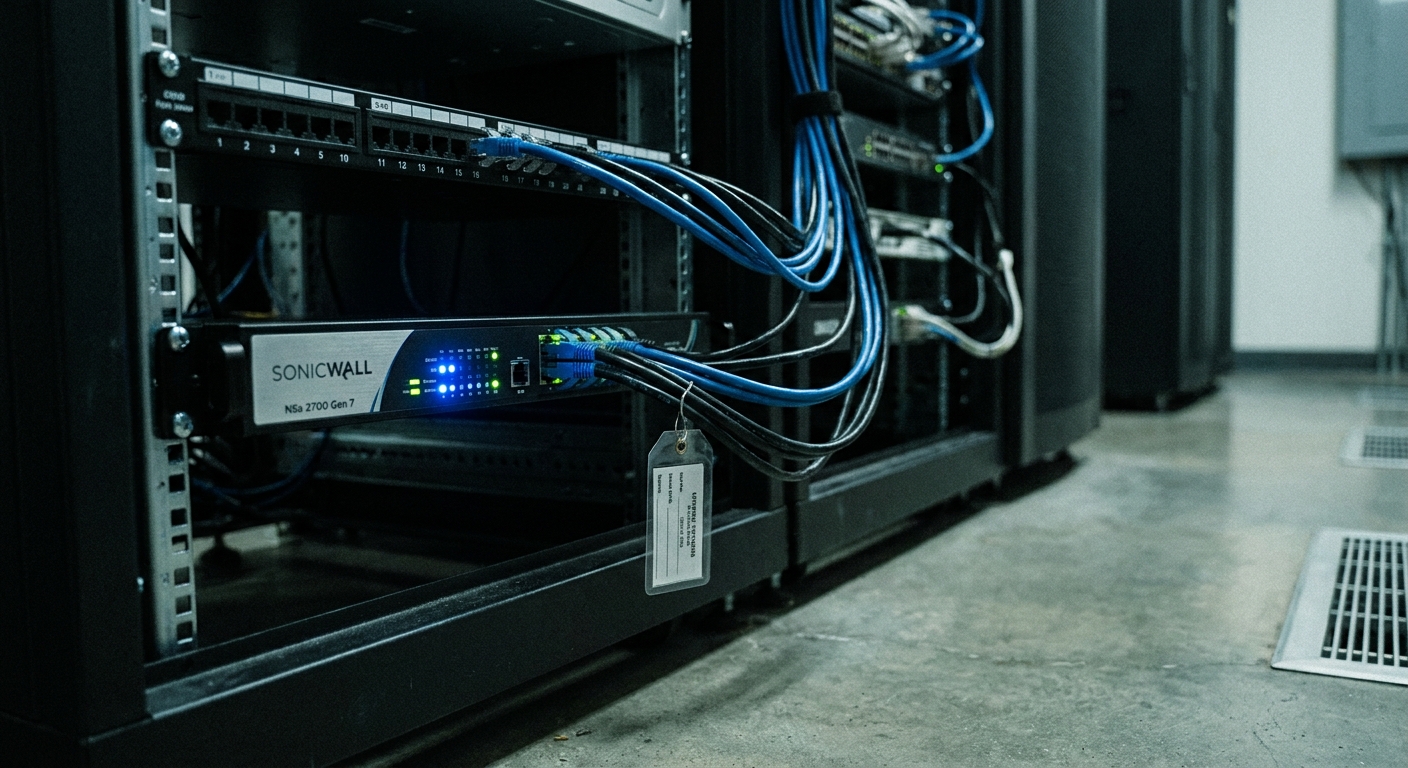
The response from the international community—a coalition of 13 countries including the heavy hitters from the NSA and FBI—is a recognition that the old "perimeter" defense is dead. These attackers aren't breaking down the front door; they’re walking in with stolen keys. They use legitimate credentials and remote access tools to hide in plain sight, often lurking in the provider edge (PE) and customer edge (CE) routers that connect the internet to the real world.
If we want to stop this, the strategy has to change:
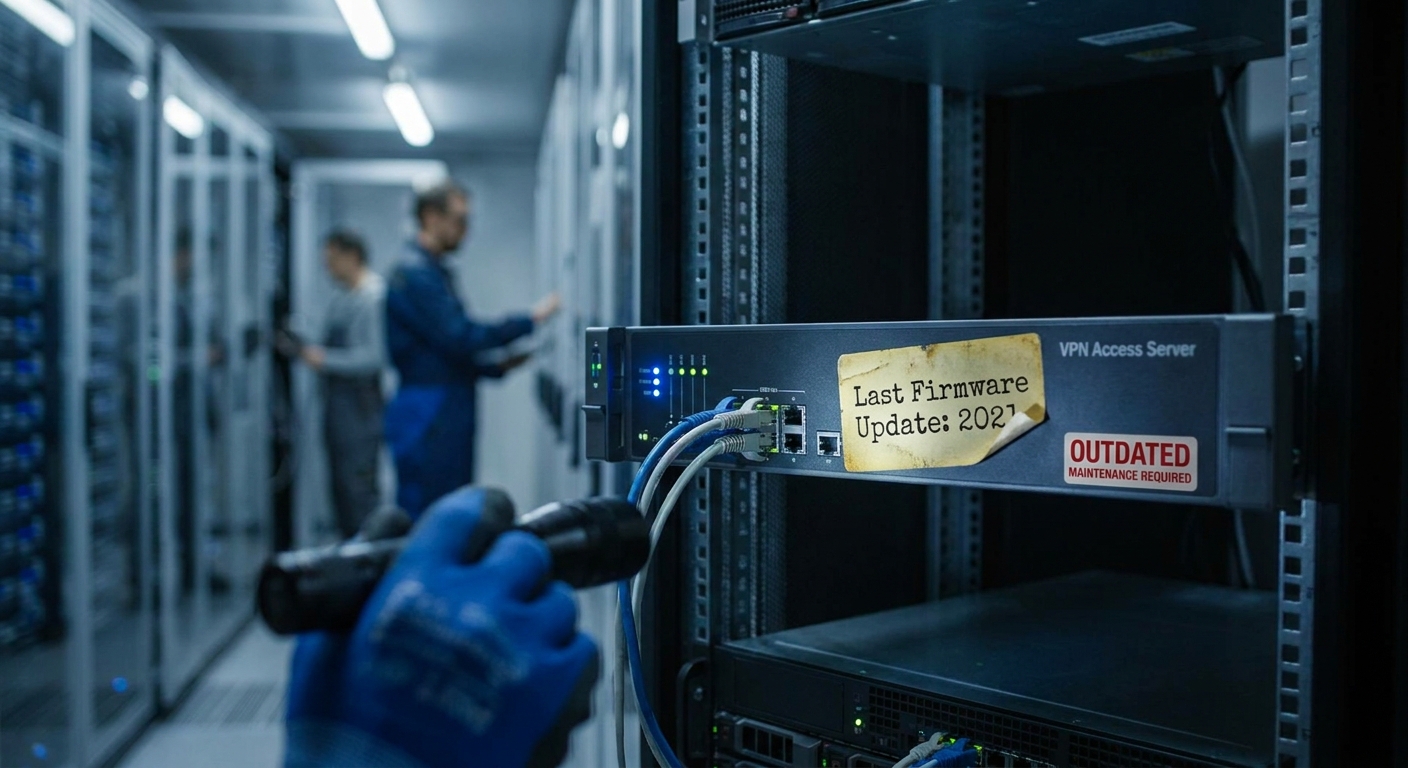
- Hardening Edge Devices: It’s time to treat routers like the high-value targets they are. Strict access controls and aggressive firmware patching are no longer optional.
- Credential Management: If you aren't using multi-factor authentication (MFA) everywhere, you’re basically leaving the safe unlocked. We need to watch for anomalous login patterns like a hawk.
- Network Segmentation: Stop letting the office Wi-Fi talk to the power grid controls. Keep critical systems isolated so that a breach in one department doesn't become a total system collapse.
- Continuous Monitoring: Signature-based detection is yesterday’s news. We need tools that look for behavioral anomalies—the subtle "wrongness" that signals a long-term intruder is moving through the system.
The Legal Gray Zone
We are currently in a race between technology and the law. The Tallinn Manual remains the gold standard for how international law applies to cyber warfare, but it’s struggling to keep pace with the speed of AI. Policymakers are left with a massive, unanswered question: what constitutes an act of war when the "weapon" is a line of code that automates espionage?
As the geopolitical climate grows more volatile, the threat to our infrastructure isn't going anywhere. It’s a permanent feature of the modern world. The shift toward targeting the operational backbone of society is a clear escalation, and it demands a proactive, unified response. We have to understand the history of these threat landscapes if we ever hope to build the resilience necessary to survive in an era where the next war might start with a flickering lightbulb and a silent, digital intrusion.