Active Exploitation of SonicWall SMA1000 Zero-Day Vulnerabilities Triggers Deployment of Custom Malware Campaigns
TL;DR
Security researchers and government agencies have confirmed that two critical zero-day vulnerabilities in SonicWall Secure Mobile Access (SMA) 1000 series appliances are being actively exploited in the wild. For weeks before patches were even on the table, threat actors were already inside, using these flaws to gain root-level access to enterprise networks. The fallout? Credential theft, custom malware deployment, and a wide-open door for lateral movement.
The vulnerabilities—tracked as CVE-2026-15409 and CVE-2026-15410—effectively shredded standard authentication protocols. By July 14, 2026, the Cybersecurity and Infrastructure Security Agency (CISA) had added both to its Known Exploited Vulnerabilities (KEV) catalog, sending a clear signal to federal agencies and private firms alike: patch now, or pay the price later.
The Anatomy of the Breach
The attack chain starts with CVE-2026-15409, a Server-Side Request Forgery (SSRF) flaw that is as dangerous as it gets. Clocking in with a perfect 10.0 CVSS score, it allows an unauthenticated attacker to initiate websocket-based tunneling to services running locally on the appliance. In plain English? The attacker can talk to internal services that were never meant to see the light of the public internet.
Once they’ve got a foothold, they pivot to CVE-2026-15410 to escalate privileges. This is a path traversal vulnerability tucked away in the appliance’s "remove_hotfix" workflow. By chaining these two exploits together, a total stranger on the internet can transform into a root-level administrator, seizing total control of the SMA 1000 appliance.

Who Is Behind This and What Are They Doing?
According to analysts—including the Rapid7 MDR team—this campaign kicked off around June 22, 2026. The threat group behind the curtain, known as UTA0533, isn't just poking around; they’re deploying a custom malware strain they call "KnuckleBall."
KnuckleBall is nasty business. It injects malicious code directly into legitimate system processes to hide its tracks. The attackers have been spotted using a Java-based webshell dubbed "OrangeTail" alongside an open-source proxy tool called "Suo5." These aren't just toys; they’re tools for persistence, credential harvesting, and deep-network tunneling. We’ve even seen the Inc ransomware group jumping on the bandwagon, using these same holes to facilitate full-scale network compromise and data exfiltration.
Impact and Remediation
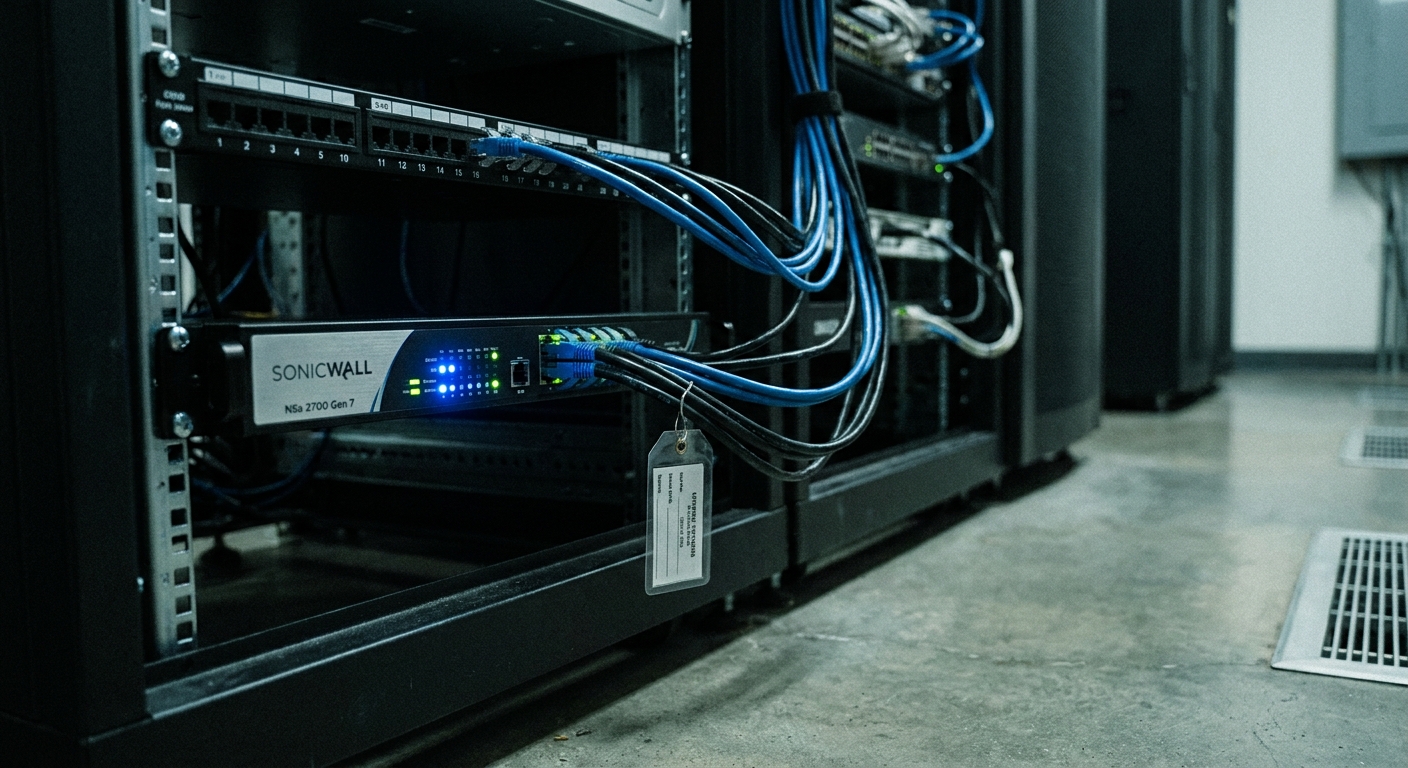
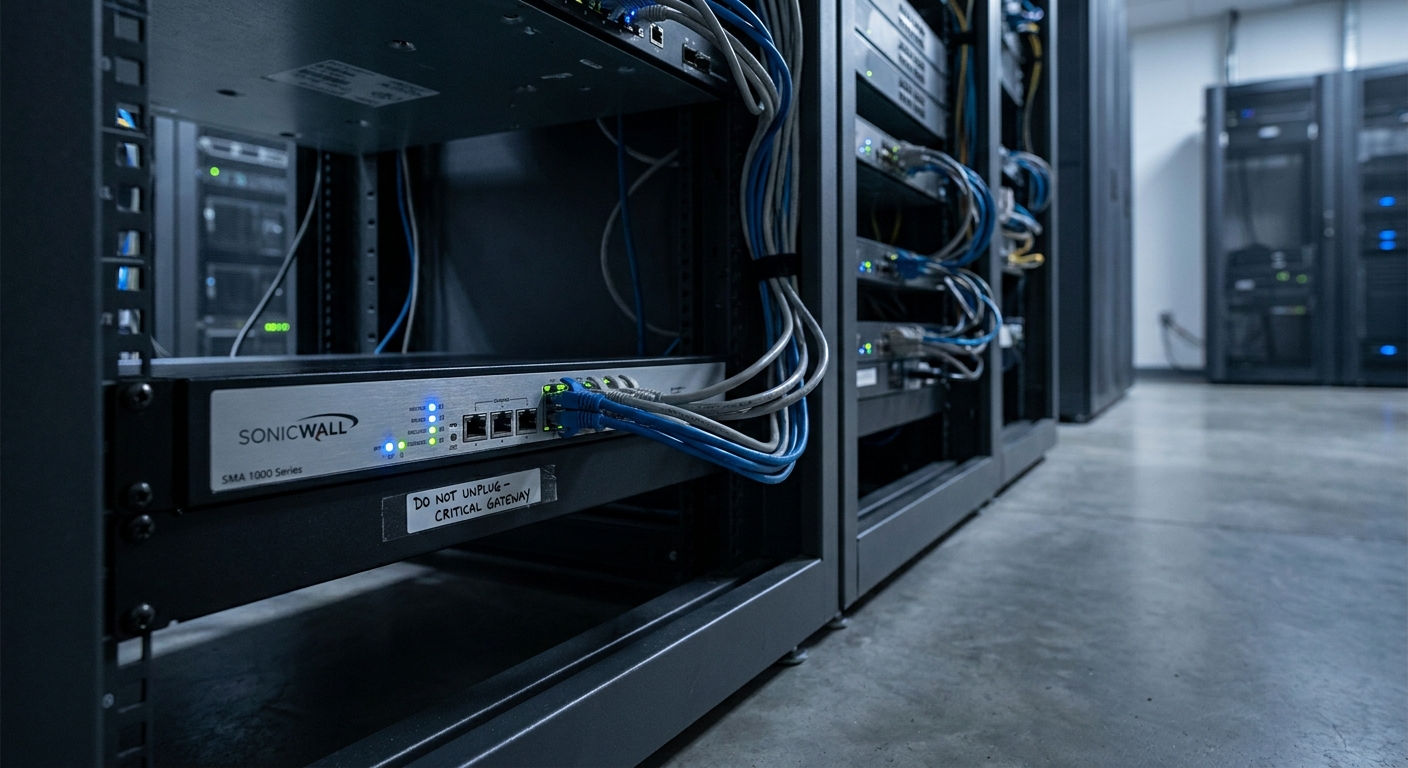
The hardware in the crosshairs includes the SonicWall SMA 1000 series—specifically the 6210, 7210, and 8200v models. Because these devices are the gatekeepers of secure remote access, the stakes couldn't be higher.
| Vulnerability | Type | Severity |
|---|---|---|
| CVE-2026-15409 | SSRF | Critical (10.0) |
| CVE-2026-15410 | Privilege Escalation | High (7.2) |
SonicWall has pushed out platform-specific hotfixes to plug these gaps. If you’re running these appliances, you need to head over to the official SonicWall PSIRT advisory and get your firmware updated immediately.
Your Action Plan:
- Patch, Don't Wait: Apply the latest hotfixes to every SMA 1000 device in your fleet.
- Audit Your Logs: Keep an eye out for suspicious websocket connections or weird process activity linked to the "remove_hotfix" workflow.
- Rotate Credentials: Assume the worst. If a user authenticated through a compromised SMA appliance, force a password reset immediately.
- Lock Down the Management Console: Restrict access to the management interface to trusted internal networks only. Stop the SSRF and path traversal attempts at the door.
The Bigger Picture
This campaign highlights a troubling trend: sophisticated actors are getting better at turning our own perimeter defenses against us. As Volexity recently pointed out, tunneling traffic through edge devices is a masterclass in stealth. When you abuse the very appliance meant to secure the network, you effectively shatter the trust model of the entire enterprise.
The three-week gap between the initial breach in late June and the release of patches in mid-July was a lifetime in security terms. During that window, many organizations were essentially flying blind, unaware that their perimeter had been compromised. The emergence of the "KnuckleBall" malware and the involvement of ransomware gangs is a sobering reminder: proactive threat hunting is non-negotiable, even when your security appliances look like they’re humming along just fine.
For now, the priority is simple: get every legacy and current SMA 1000 unit onto the latest firmware. If you can't patch right this second, wall off the management interface from the outside world. And keep watching the outbound traffic—if you were hit before the patch, there might still be a ghost in the machine waiting for a command.