SonicWall Releases Emergency Patch After Failed Fix Exposes SSL-VPN Infrastructure to Exploitation
TL;DR
SonicWall Scrambles to Patch Critical SSL-VPN Flaw After Failed Fix
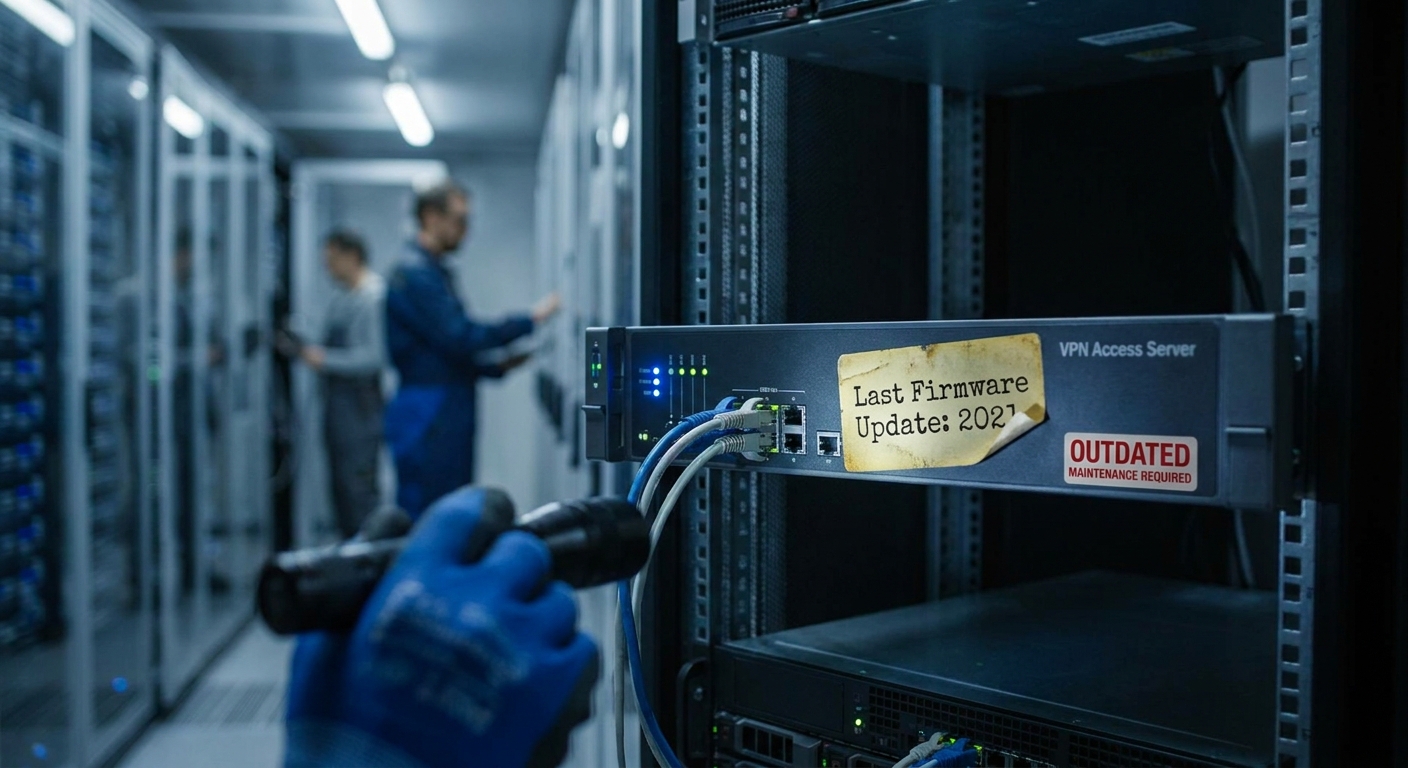
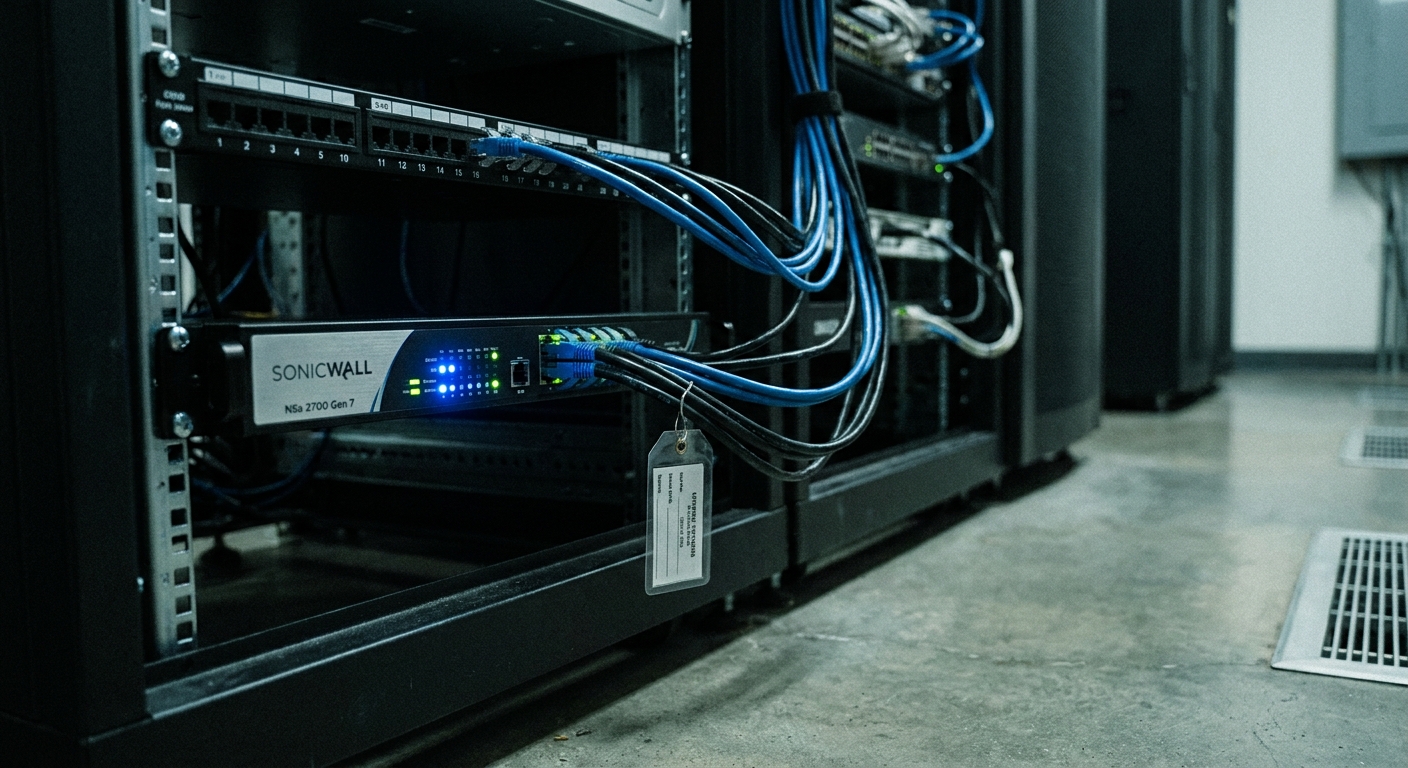
SonicWall is back in the hot seat. The security firm just issued an urgent advisory regarding its Gen 7 firewalls, confirming that threat actors are actively tearing through SSL-VPN infrastructure.
Let’s be clear: this isn't some shiny, new zero-day nightmare. It’s a messy fallout from CVE-2024-40766, a vulnerability that’s been around the block, yet is still being used to hand attackers the keys to the kingdom—and, predictably, to drop ransomware.
The root of the problem? It’s a migration hangover. When organizations swapped their aging Gen 6 hardware for the newer Gen 7 units, many admins simply ported over old local user passwords. They didn't reset them. They didn't audit them. They just moved them. Now, those dusty, weak credentials are being brute-forced with alarming ease. The Canadian Centre for Cyber Security has already flagged that attackers are using these stolen credentials to slip right past Multi-Factor Authentication (MFA), setting up shop in enterprise networks and unleashing the Akira ransomware variant.
The Scope: Small Numbers, Massive Headaches
SonicWall claims they’ve only seen fewer than 40 confirmed incidents. Don't let that number fool you into a false sense of security. While the footprint is small, the damage is catastrophic. We’re talking about full-scale ransomware deployment.
The technical breakdown is straightforward but brutal. Attackers are hunting for local accounts carried over from legacy systems. If those passwords didn't meet modern complexity standards—or if they were floating around in previous data dumps—they’re basically an open door. Once the attacker is in, they aren't just browsing; they’re bypassing MFA controls to establish persistence.
How to Lock the Door
If you’re running Gen 7 hardware, it’s time to stop reading and start patching. SonicWall’s release of SonicOS 7.3 is the primary line of defense here, specifically engineered to stop these brute-force tactics in their tracks.
Here is your immediate to-do list:
- Update Your Firmware: Get everything onto SonicOS 7.3 immediately. Don't wait for the weekend.
- Nuke the Old Passwords: Force a mandatory password reset for every single local user account. If it came from a Gen 6 box, treat it as compromised.
- Hard-Enforce MFA: If you haven't locked down your SSL-VPN access points with mandatory MFA, you are effectively leaving the windows open.
- Filter the Noise: Use botnet filtering and Geo-IP filtering to block traffic from regions or sources that have no business talking to your VPN.
Tightening the Authentication Chain
Security is only as strong as its weakest link, and right now, that link is your authentication chain. SonicWall has published guidance on configuring 2FA for SSL-VPN with TOTP, which is a non-negotiable layer of defense against credential stuffing. Furthermore, the new login attempt lockout and password complexity requirements in SonicOS 7.3 are designed to make automated guessing tools hit a brick wall.
| Mitigation Category | Action Required |
|---|---|
| Firmware | Update to SonicOS 7.3 |
| Credentials | Reset all local user passwords |
| Authentication | Enforce MFA for SSL-VPN |
| Network Security | Enable Geo-IP and Botnet filtering |
The "Migration Trap"
This whole situation highlights a glaring blind spot in standard hardware refresh cycles. When IT teams migrate from one generation of hardware to the next, the priority is almost always "keep the lights on." Uptime is king. But in that rush to maintain continuity, security often takes a backseat. Admins leave legacy settings active, assuming that because the hardware is new, the security posture is automatically upgraded.
That assumption is exactly what attackers are banking on. They know which organizations have recently upgraded, and they know those organizations are likely carrying over the same weak, legacy credentials that were never meant to survive the transition.
Moving forward, any hardware migration needs to be followed by a ruthless audit of local user accounts. If you aren't resetting passwords and re-validating MFA as part of your "go-live" checklist, you’re just migrating your vulnerabilities into a new, expensive box.
Stay vigilant. Review your logs for weird authentication spikes, patch your systems, and stop trusting the "legacy" credentials that have been sitting in your database for years. The threat landscape doesn't care about your uptime—it only cares about your weak points.