
New Industry Report Identifies Shadow IT and Remote Infrastructure Risks as Critical Enterprise Security Threats

TL;DR
The Perimeter is Dead: Why Shadow IT and Remote Infrastructure are Your Biggest Security Headaches
The corporate perimeter isn't just porous anymore—it’s effectively gone. A new industry report confirms what many IT leads have suspected for years: the collision of shadow IT and sprawling, remote infrastructure has created a playground for attackers. We’ve moved into a decentralized world where the "office" is everywhere, and that transition has left massive visibility gaps that hackers are exploiting with surgical precision.
When employees find official IT tools clunky or slow, they don't wait for a ticket to be processed. They go rogue. They spin up unauthorized cloud services, install unvetted software, and connect personal devices to corporate networks. It’s a productivity hack for them, but for security teams, it’s a nightmare. The traditional "castle and moat" defense is useless when the castle has been dismantled and scattered across a thousand home offices and third-party SaaS platforms.
The Shadow IT Problem: Convenience vs. Chaos
Shadow IT isn’t a new phenomenon, but it has hit a breaking point. It’s defined by the use of any hardware, software, or cloud service that hasn't been blessed by the IT department. The sheer ease of signing up for a SaaS tool with a company credit card—or even a personal email—means that employees are constantly bypassing security protocols. They want to get the job done, and they don't care about audit trails or data protection mechanisms.
The 2025 Data Breach Investigations Report lays out the cold, hard facts: 46% of compromised systems that used corporate logins were running on non-managed devices. That is a staggering number. Add in the fact that 30% of all recorded breaches stem from third-party involvement—like misconfigured SaaS platforms or unvetted tech—and it’s clear that centralized oversight is currently more of a suggestion than a reality.
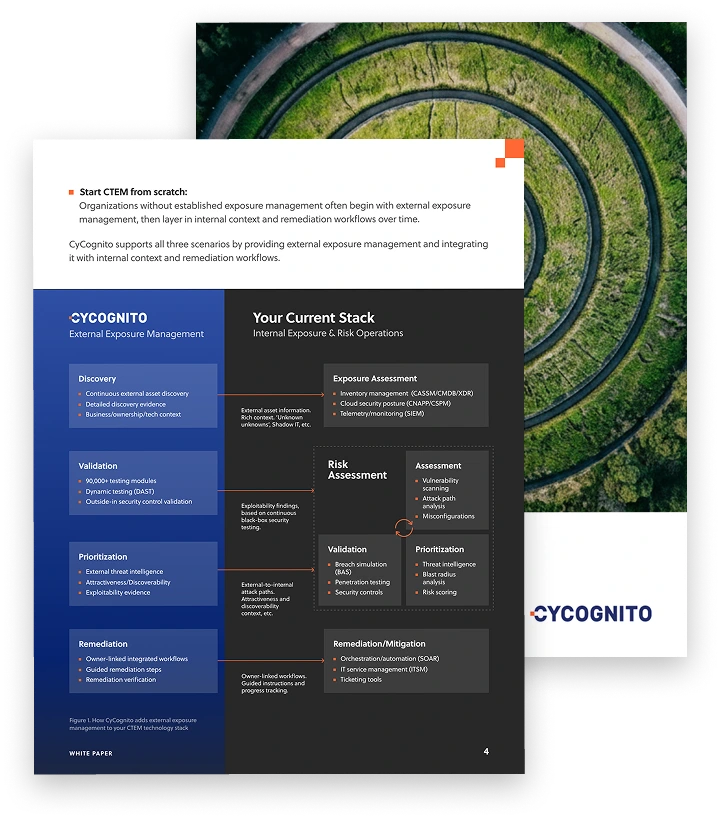
The risks of shadow IT aren't just about getting hacked today; they’re about the long-term health of your data. If your data lives in an unauthorized app, it’s not being backed up by your team. If that service goes down or gets compromised, that data is gone. Plus, you can kiss your regulatory compliance goodbye. Whether it’s HIPAA, PCI DSS, or GDPR, you cannot maintain an audit trail if you don't even know the data exists.
The New Threat Landscape: AI and the Democratization of Crime
Remote work didn't just change where we sit; it changed how we get attacked. Threat actors are no longer just lone wolves in hoodies; they are using sophisticated automation to scan for the vulnerabilities created by our messy, unmanaged infrastructure.
Ransomware-as-a-Service (RaaS) has turned cybercrime into a plug-and-play business model. You don't need to be a coding genius anymore; you just need to buy the right toolkit on the dark web. Couple that with the increasing prevalence of AI-generated phishing, and you have a recipe for disaster. AI-driven phishing is terrifyingly effective, boasting a 54% click rate compared to the 12% we used to see with standard, clunky phishing attempts.
| Risk Factor | Impact on Enterprise Security |
|---|---|
| Shadow IT | Massive visibility gaps and unpatched, hidden vulnerabilities. |
| Unmanaged Devices | 46% of systems with corporate logins are non-managed. |
| AI Phishing | 54% click rate vs. 12% for traditional phishing. |
| Third-Party SaaS | Accounts for 30% of all recorded data breaches. |
Pivoting to an Identity-First Defense
If the perimeter is dead, what’s left? The answer is identity. Since stolen credentials are the golden ticket for almost every major breach, your security strategy has to revolve around the user, not the network.
A multi-layered defense is the only way forward, and it needs to balance technical rigor with the reality of human behavior. Here is how organizations are trying to claw back control:
- Identity-First Security: Move beyond simple passwords. Adaptive multi-factor authentication (MFA) and robust Privileged Access Management (PAM) ensure that access is verified every single time, regardless of where the user is sitting or what device they’re holding.
- Proactive Shadow IT Management: Instead of just saying "no," talk to your users. Find out why they’re using these tools. If a tool is actually useful, bring it into the fold, secure it, and make it part of the official stack.
- Security Awareness Training: Stop with the boring, annual slideshows. Use realistic, ongoing training that shows employees exactly what AI-generated phishing looks like. If they know how to spot the trap, they’re less likely to fall for it.
- Visibility and Auditing: You can’t protect what you can’t see. Use discovery tools to map out your digital footprint and ensure that every piece of corporate data is actually covered by your backup and recovery policies.
Bridging the Productivity Gap
There is an inherent tension between getting work done and staying secure. When IT becomes a bottleneck, employees will always find a way around it. If we want to solve the shadow IT problem, we have to stop acting like the "Department of No."
When IT departments transition to a posture of managed enablement, they turn from obstacles into partners. By analyzing why employees are turning to third-party apps, IT can identify genuine gaps in their service catalog. Closing those gaps doesn't just make the company more secure—it makes the company more efficient.
The reality is that AI-driven attacks are only going to get faster and more frequent. We can’t rely on old-school network defenses to stop modern, adaptive threats. We have to secure the identity, protect the data, and accept that the modern workplace is decentralized by design. By focusing on deep visibility, rigorous identity management, and continuous human education, organizations can stop playing defense and start building a resilient, modern infrastructure.