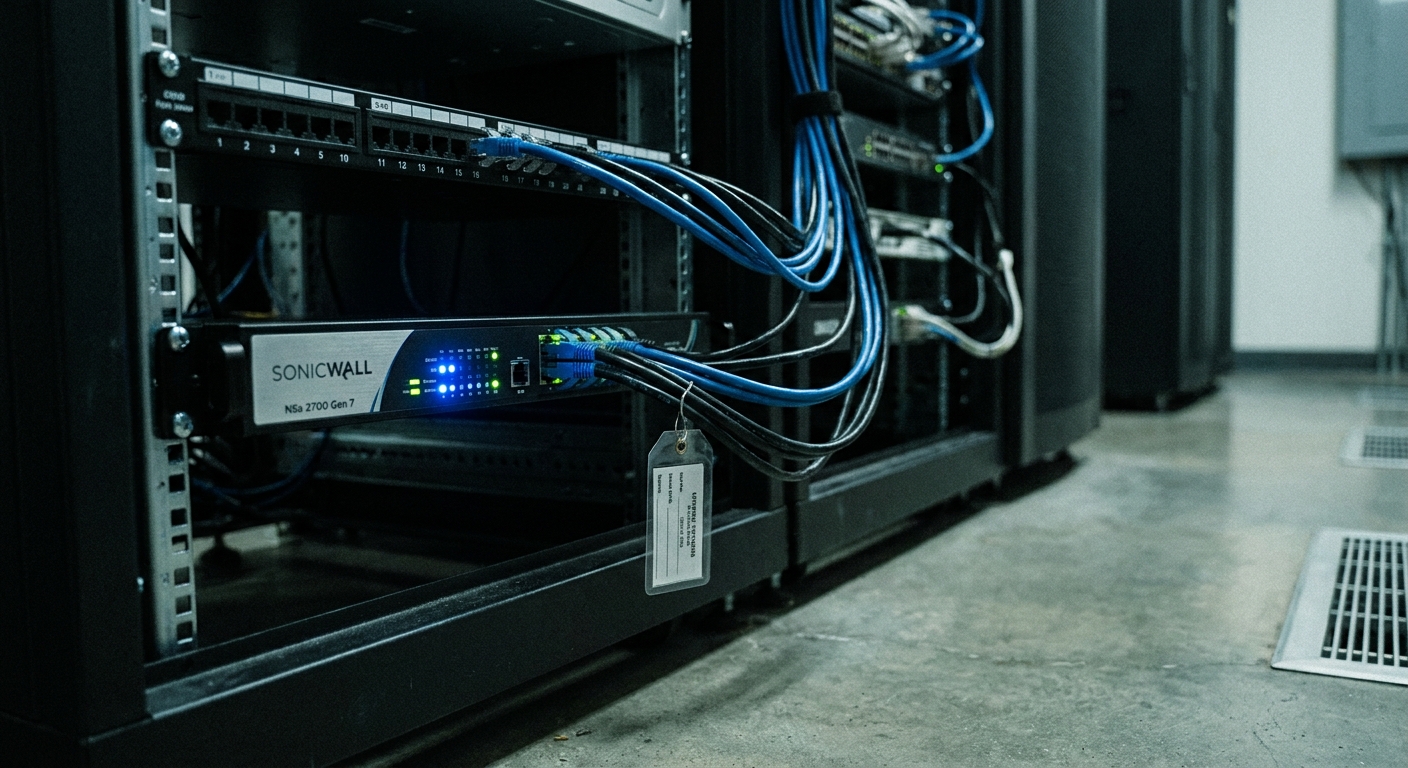
Qilin Ransomware Group Targets Enterprise VPN Infrastructure in Coordinated Attacks Against Major Network Vendors
TL;DR
The Qilin ransomware-as-a-service (RaaS) syndicate is currently tearing through enterprise VPN infrastructure. They aren’t just poking around; they’re running a highly coordinated campaign designed to crack open corporate networks, siphon off massive amounts of data, and hold entire organizations hostage. By zeroing in on the "front door" of the modern office—the VPN gateway—these actors are bypassing perimeter defenses with surgical precision.
This isn't a spray-and-pray operation. Security researchers have tracked the group as they exploit unpatched, high-severity flaws in hardware from industry titans like Palo Alto Networks, Fortinet, Citrix, and Check Point. It’s a calculated strategy. Once they secure a foothold through a vulnerable gateway, they don't just sit there. They move laterally, escalate their privileges, and hunt for the crown jewels: financial records and proprietary intellectual property.

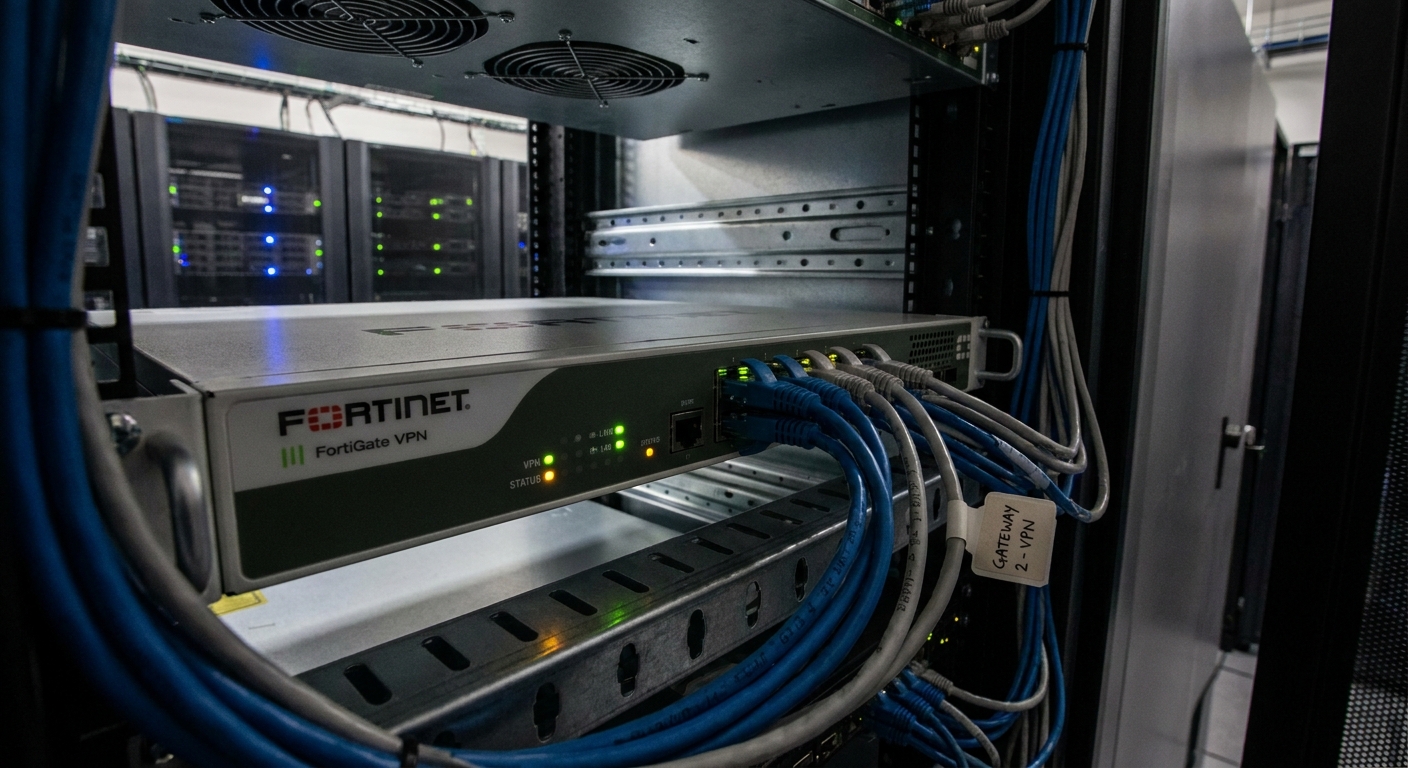
The group’s playbook often starts with Fortinet devices. They find the gap, slip through, and then use stolen credentials to blend in with legitimate traffic. It’s a nightmare for IT security teams because, for a while, the intruders look exactly like authorized employees. The impact is devastating, particularly for sensitive sectors like healthcare, where a system lockdown can mean the difference between life and death.
Qilin has fully embraced the "double-extortion" model. They don't just encrypt your files and demand a ransom for the decryption key; they steal the data first. If you refuse to pay, they threaten to dump your private, sensitive information onto public leak sites. As noted by Cybersecurity Insiders, this adds a brutal layer of pressure. It’s not just about getting your systems back online anymore—it’s about preventing a catastrophic data breach that could destroy a company’s reputation.
The Anatomy of the Attack
To understand how Qilin operates, you have to look at the lifecycle of their intrusion. It’s a methodical process, not a chaotic one.
| Attack Component | Tactical Objective |
|---|---|
| VPN Exploitation | Initial network access via unpatched vulnerabilities |
| Credential Harvesting | Persistence and lateral movement using stolen logins |
| Lateral Movement | Escalation of privileges to access high-value data |
| Double Extortion | Data exfiltration followed by system-wide encryption |
How to Tighten the Perimeter
If you’re waiting for a "silver bullet" to stop Qilin, stop waiting. The only defense is rigorous, boring, consistent security hygiene. These attackers are betting that you’ve skipped a patch or left an old account active. Prove them wrong by focusing on these four pillars:
- Patch Like You Mean It: If a vendor releases a patch for a VPN appliance, it needs to be installed yesterday. These vulnerabilities are public knowledge the moment they’re disclosed, and Qilin is scanning for them immediately.
- Kill the Password-Only Culture: Multi-Factor Authentication (MFA) is no longer optional. If you aren't enforcing strict MFA on every single remote access point, you are effectively leaving the keys under the doormat.
- Watch the Logs: Don’t just collect logs—read them. Look for the weird stuff: a login from a strange location at 3:00 AM, or a sudden spike in data traffic from a user who usually just checks their email.
- Rethink the Architecture: Traditional VPNs are increasingly becoming liabilities. Many organizations are now exploring modern alternatives to traditional VPNs that offer a more granular, "Zero Trust" approach to remote access.
The Qilin group isn't going away. They are well-funded, highly motivated, and they do their homework. They treat your VPN appliances as the high-priority assets they are—and your security team needs to do the same. By shifting from a reactive posture to a proactive, "assume-breach" mentality, organizations can make themselves a much harder target.
The reality is that these attackers are actively researching your infrastructure. They aren't just looking for a way in; they’re looking for the easiest way in. If you keep your software updated and your access controls tight, you force them to move on to someone else. In the world of ransomware, being a "hard target" is the best defense you’ve got.