Private Internet Access Updates WireGuard and OpenVPN Protocol Implementations to Strengthen Remote Access Security
TL;DR
Private Internet Access (PIA) has officially brought WireGuard into the fold across its entire platform suite. It’s a move that signals a clear shift: the lightweight, open-source protocol is no longer just an experiment—it’s the new standard, stepping up to take the place of legacy heavyweights like OpenVPN and IPsec. The goal here is simple but ambitious: faster speeds, snappier connections, and a cryptographic backbone that actually holds up to modern scrutiny.
For a long time, VPNs were synonymous with bloated, complex software. WireGuard flips that script. With a codebase sitting at fewer than 4,000 lines, it’s lean. That’s not just a technical flex; it’s a security feature. A smaller footprint means a smaller attack surface, making it infinitely easier for independent researchers to audit the code. If you’ve ever found yourself wondering what is a VPN and why it feels like a digital labyrinth, this shift to a more transparent, streamlined architecture is a breath of fresh air.
The Bones of the System: Why WireGuard Matters
WireGuard doesn't rely on the aging, clunky ciphers that have haunted VPNs for years. Instead, it leans on a modern, curated set of cryptographic primitives. It’s built for speed, but it refuses to cut corners on security. Here’s the breakdown of what’s under the hood:
- ChaCha20: A high-speed stream cipher that handles symmetric encryption without breaking a sweat.
- Poly1305: The digital seal of approval, ensuring the data you send is exactly what arrives on the other end.
- Curve25519: An elliptic curve used for key exchange—it’s fast, secure, and widely considered the gold standard.
- BLAKE2s: A hash function that keeps message authentication efficient and rock-solid.
If you’re the type to get your hands dirty with manual configurations, keep in mind that WireGuard is picky. It needs specific access to TCP 1337 and UDP 1337 on the server side to play nice. While the PIA app usually handles this heavy lifting for you, kernel-level variations on certain operating systems can sometimes throw a wrench in the works.
Compatibility: Who Gets the Upgrade?
The rollout is comprehensive, but it isn't magic. WireGuard requires specific kernel-level support, which means if you’re clinging to an aging operating system, you might be out of luck.
| Operating System | WireGuard Support Status |
|---|---|
| Windows 8 and newer | Supported |
| Linux (Modern Distributions) | Supported |
| Ubuntu 16.04 | Not Supported |
| Legacy Windows (Pre-Windows 8) | Not Supported |
For the Linux crowd, the experience is a bit more "DIY." Sometimes the PIA client won't automatically bridge the gap to your kernel, and you might need to install WireGuard or manually compile the kernel yourself. It’s the kind of transparency that has earned PIA a nod from outlets like LinuxSecurity for prioritizing verifiable, open-source standards over proprietary black boxes.
Performance Meets Protection
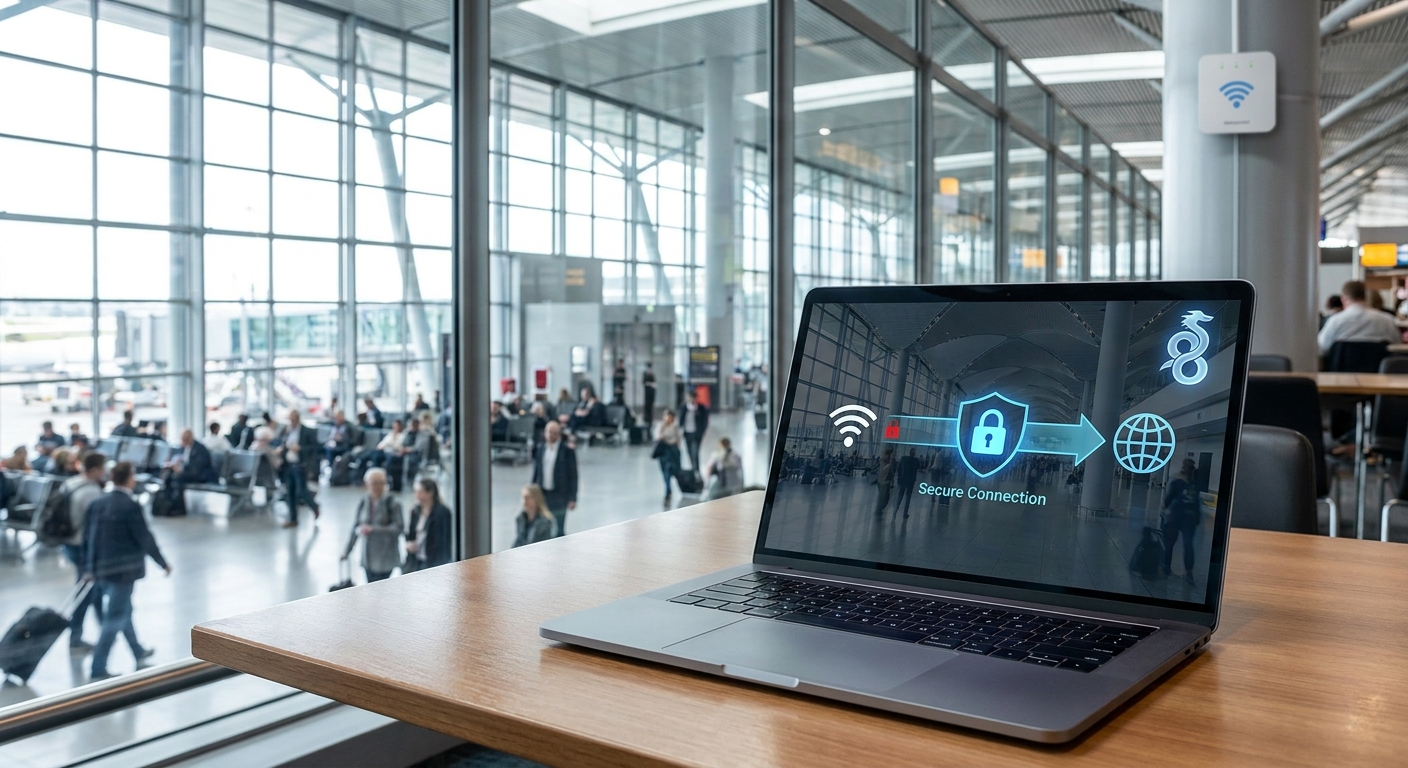
At the end of the day, a VPN is an encrypted tunnel. It’s your shield against the prying eyes of public Wi-Fi and the chaos of the open web. By masking your IP address, these protocols do more than just hide your location—they act as a buffer against targeted tracking and the occasional nuisance of a DDoS attack.
Whether you’re working from a coffee shop or accessing a corporate network from home, the goal is to keep that tunnel secure. If you want to keep tabs on how these protocols evolve, the Private Internet Access blog is a solid place to watch for infrastructure updates and security hardening news. The industry is moving toward protocols that prioritize efficiency, and this transition is just the latest step in that direction.
The User Experience: Stability and Speed
Switching between protocols can feel like a chore, but there’s a tangible difference when you move to WireGuard. OpenVPN is the reliable old workhorse—it’s been around forever, and it works—but WireGuard is the sprinter. It reconnects faster, handles network handoffs (like jumping from Wi-Fi to cellular) with grace, and generally feels less "heavy" on your system.
That said, don't ignore your system requirements. If you’re still running something like Ubuntu 16.04, you’re hitting a wall. In those cases, sticking with a compatible, established protocol is the safer bet until you can update your OS. PIA has done a decent job of making these complex cryptographic standards feel accessible to the average user, while still leaving enough room for power users to tinker with their settings.
Ultimately, this update is about modernization. It’s about taking the underlying tech of remote access and bringing it into the present day. By ditching the bloat and leaning into high-performance, modern cryptography, the goal is to keep your connection fast and your data locked down. Take a look at your client settings, pick the protocol that fits your needs, and enjoy the speed boost.