NEAR Protocol to Integrate Quantum-Resistant Cryptography This Month to Enhance Network Security
TL;DR
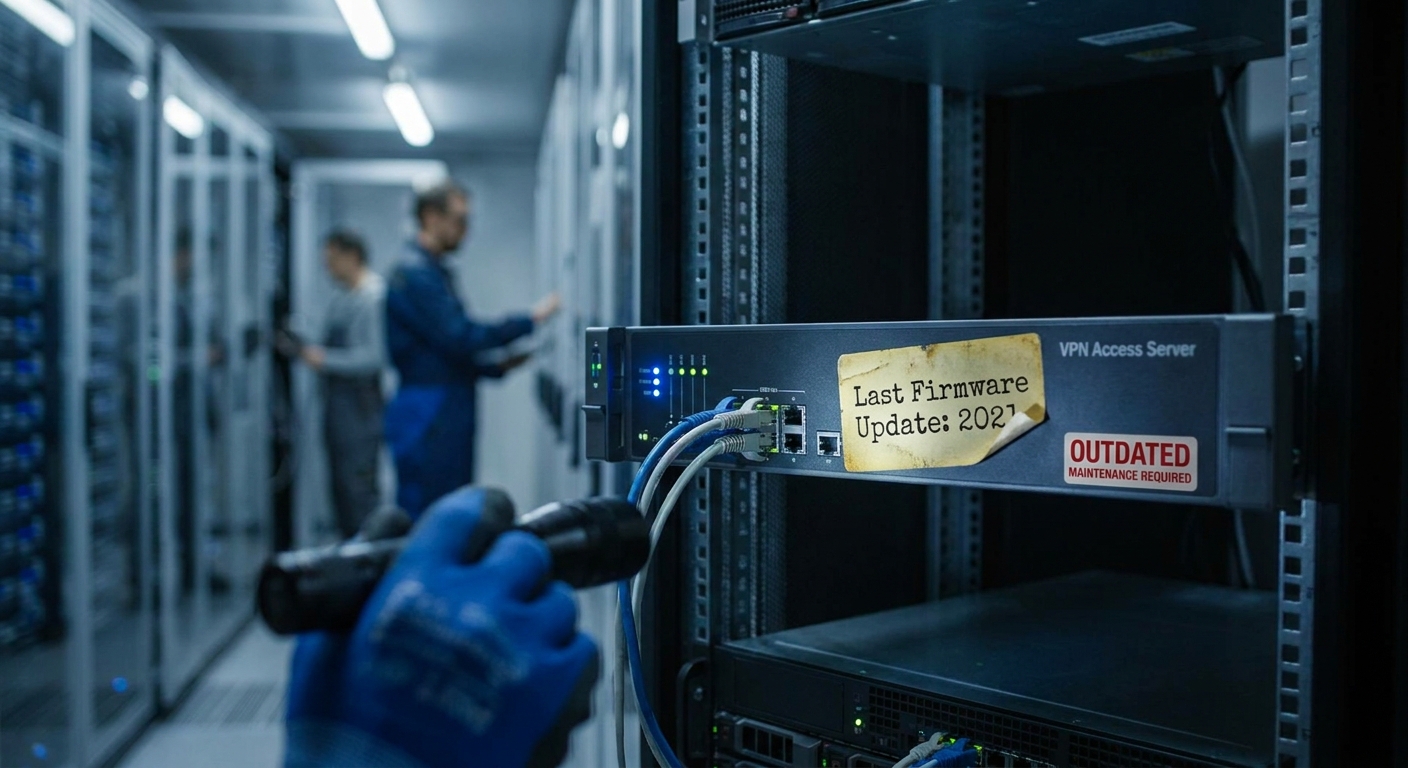
The clock is ticking on the quantum age, and NEAR Protocol isn’t waiting for the fuse to burn out. This June, the network is pulling the trigger on a massive security upgrade, integrating post-quantum cryptography to ensure that today’s blockchain isn’t tomorrow’s digital relic. It’s a bold move, but in an industry where security is everything, it’s the only move that makes sense.
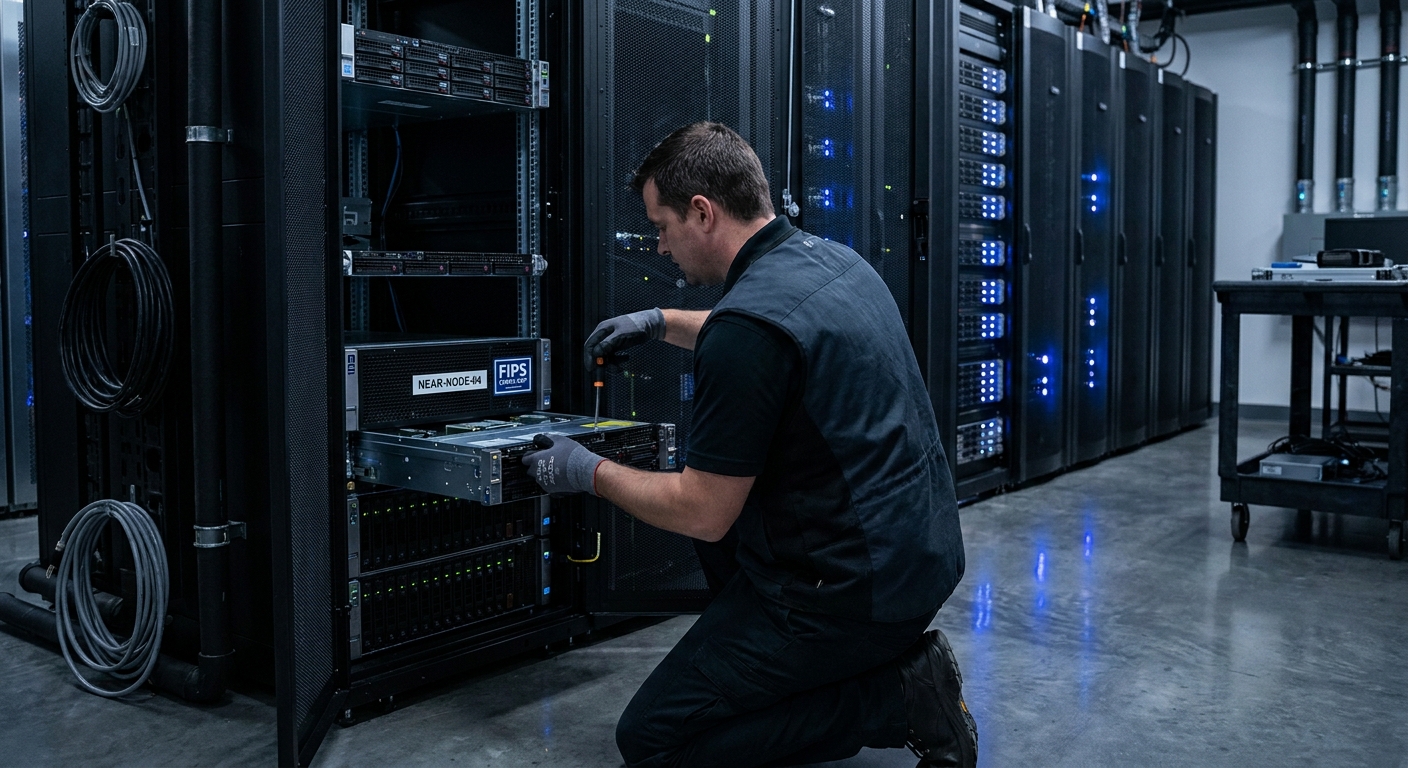
By aligning with Federal Information Processing Standards (FIPS), NEAR is effectively putting on a suit of armor. They aren't just patching holes; they’re rebuilding the foundation to withstand the kind of computational brute force that quantum computers—once they hit their stride—will inevitably bring to the table.
The Quantum Threat: Why Now?
Let’s talk about Shor’s algorithm. It’s the boogeyman of the crypto world, a theoretical quantum process capable of cracking the private keys that keep your assets locked tight. Most of the blockchain world runs on the Elliptic Curve Digital Signature Algorithm (ECDSA). It’s reliable, it’s fast, and it’s currently sitting on a ticking time bomb. As quantum hardware matures, the math that protects our wallets could become trivial to solve.
NEAR isn't waiting for that "oops" moment. According to NEAR Protocol's integration efforts, this is a proactive defense. They’re ditching the vulnerable legacy algorithms and swapping in cryptographic primitives that don't crumble under quantum pressure. It’s a classic case of "better safe than sorry," but on a massive, protocol-wide scale.
User Experience: The "Invisible" Upgrade
Here’s the best part: you probably won’t notice a thing. If you’re a standard user, your wallet addresses stay the same, and your transactions will keep firing off exactly as they always have. Reports on the upcoming launch confirm that the team has prioritized backward compatibility. They’ve managed the rare feat of hardening the network’s core without turning the user experience into a headache.
However, if you’re a developer, pay attention. While the end user gets a seamless transition, the dApp ecosystem is a different story. If you’re building on NEAR, you’ve got work to do. You’ll need to update your integrations to support these new cryptographic standards. It’s a necessary hurdle to keep the ecosystem in sync with the protocol’s new, tougher reality.
The Security Roadmap at a Glance
| Feature | Status / Impact |
|---|---|
| Launch Window | June 2026 |
| Primary Goal | Neutralizing Shor’s algorithm threats |
| End-User Impact | None; business as usual |
| Developer Impact | Mandatory dApp updates |
| Standard Alignment | FIPS-approved protocols |
This isn't happening in a vacuum. As noted in the analysis of the protocol's security roadmap, the industry is waking up to the fact that "good enough" security doesn't cut it when the hardware landscape is shifting under our feet. NEAR is opting for cryptographic agility—the ability to pivot before the threat becomes a reality.
Future-Proofing the Chain
By the time June 2026 wraps up, this transition should be complete. The goal is simple: maintain a high-throughput, user-friendly environment that doesn't sacrifice security for speed. It’s a delicate balancing act, but one that is essential for the long-term viability of decentralized finance.
The technical shift boils down to a few key pillars:
- Algorithmic Replacement: Moving away from ECDSA toward quantum-resistant signature schemes.
- Compliance Alignment: Adopting FIPS-approved methods to satisfy institutional standards.
- Ecosystem Coordination: Providing the necessary technical documentation for developers to bridge the gap.
- Network Stability: Ensuring that all these under-the-hood changes don't cause a hiccup in transaction finality or latency.
Is this overkill? Hardly. In the world of cryptography, you’re either ahead of the curve or you’re a target. By tackling quantum resistance now, NEAR is positioning itself to be a fortress in a future that, until now, looked like a major security liability for every major chain. As the rollout progresses, the focus will remain on keeping the network performant while the underlying math gets a serious, future-proof upgrade. Keep an eye on the technical docs—the transition is already underway.