
State-Sponsored Spyware Discovered in Malicious VPN Applications Targeting Global User Authentication and Privacy
TL;DR
There’s a new, ugly chapter in the world of cyber-espionage. A sophisticated campaign has surfaced, turning the very tools people use to protect their privacy—VPNs—into digital traps. Researchers have linked this operation to an Iranian state-sponsored threat actor known as TAG-182, which is currently busy harvesting sensitive data from Persian-speaking users across the globe.
These aren't just random hackers. This is a targeted, persistent surveillance operation. By masquerading as legitimate privacy tools, these malicious apps effectively turn a user's phone into a personal bug, funneling authentication data, communication logs, and device metadata straight back to the threat actor.
The Mechanism of Surveillance: MarkiRAT
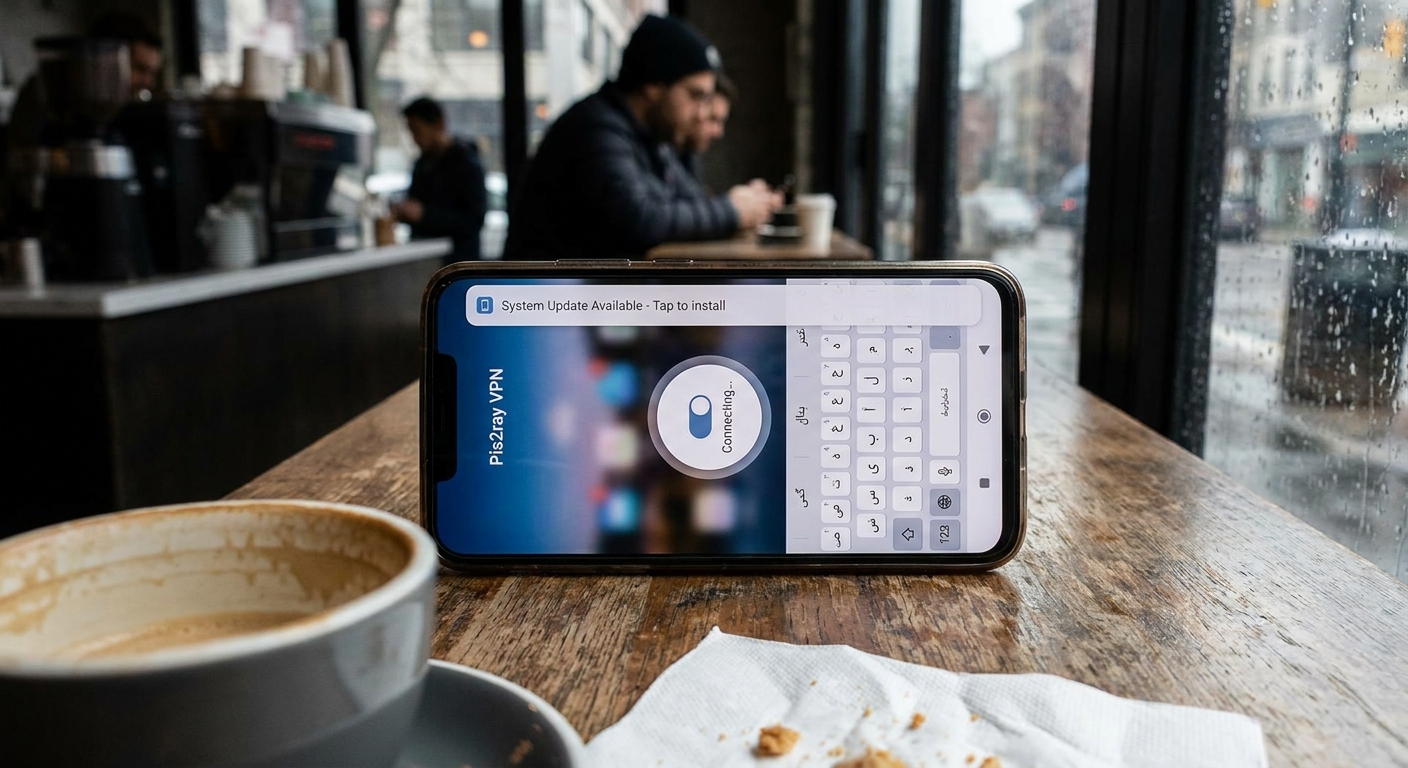
The engine behind this operation is a trojan dubbed MarkiRAT. According to research from Recorded Future’s Insikt Group, the malware is a data-vacuum. Once a user installs one of the fake VPNs—most notably "Pis2ray VPN" or "YESHICA YEPlayer"—the app triggers a background process designed to scrape everything: SMS messages, contact lists, call logs, you name it.
To stay hidden, the malware pulls a clever trick, abusing the Windows Background Intelligent Transfer Service (BITS). BITS is a legitimate system component meant for background file transfers, but here, it’s being weaponized to maintain long-term persistence. By piggybacking on this service—a technique categorized under MITRE ATT&CK as T1197—the attackers can exfiltrate data in small, intermittent bursts. It’s a smart move; it keeps the traffic quiet enough to fly under the radar of most standard security software.
Targeting and Distribution Strategies
The campaign is surgical. The malware is programmed to look for devices configured with a Persian-language keyboard layout (code 0x0429). By filtering for this specific regional setting, the threat actor ensures they aren't wasting resources on the wrong targets. They are hunting for journalists, dissidents, and activists.
As noted by Tech Times, the distribution strategy relies on old-school social engineering. They hit Instagram, dangling the promise of unrestricted internet access in front of users who are desperate to bypass local censorship. It’s a cruel irony: users install these apps to gain freedom, only to hand over the keys to their digital lives.
| Feature | Description |
|---|---|
| Threat Actor | TAG-182 (Iranian state-sponsored) |
| Primary Malware | MarkiRAT |
| Target Language | Persian (Layout 0x0429) |
| Distribution | Social media (Instagram) |
| Persistence | Windows BITS (T1197) |
Global Regulatory Response to Malicious VPN Infrastructure
While TAG-182 focuses on espionage, the broader international community is playing whack-a-mole with the infrastructure behind these criminal VPNs. The U.S. Treasury’s Office of Foreign Assets Control (OFAC) recently slapped sanctions on a service called 1VPNS, along with its administrator, Dmytro Rashevskyi, and a developer named Yegeniy Vladimirovich Silayev.
This follows an FBI-backed takedown in May 2026 that dismantled 1VPNS. The investigation painted a grim picture: the service wasn't just for casual users; it was a go-to for ransomware gangs looking to hide their tracks, deploy payloads, and move stolen data. Silayev, in particular, was flagged for developing "cryptors"—specialized tools that wrap malware in a digital shroud to bypass antivirus detection.
It’s a clear sign that the VPN industry is becoming a battleground. While legitimate providers are a lifeline for privacy, the rise of "malicious-as-a-service" options means the old advice—"just use a VPN"—is no longer enough. You have to know which VPN you're using.
Mitigations and Security Considerations
If you’re looking to bypass internet restrictions, you need to be paranoid. If you’re downloading a VPN from an Instagram ad or a random link, you’re likely walking into a trap. Official app stores aren't perfect, but they are a hell of a lot safer than the Wild West of direct APK downloads.
How to stay safe:
- Stick to the Source: Only download software from official stores or verified developer websites. If it feels sketchy, it is.
- Watch Your Services: If you’re tech-savvy, keep an eye on system-level services like BITS. If you see unusual activity, it’s time to investigate.
- Know Your Settings: If you’re in a high-risk region, be extra wary of apps that specifically target your language or keyboard settings.
- Layer Your Security: Use robust endpoint protection. Modern EDR tools are getting better at spotting the behavioral anomalies that come with persistent surveillance tools.
The lines between state-sponsored espionage and run-of-the-mill cybercrime are blurring. When attackers hide their activity within legitimate Windows processes, the "normal" behavior of your computer becomes the perfect cover for theft.
History has shown us this isn't a new tactic; campaigns like the Ferocious Kitten operations proved years ago that this is a long-term, patient strategy. For those living under heavy digital restrictions, the only real defense is a combination of skepticism and a reliance on transparent, open-source, and verified security tools. Don't let a "privacy" tool become your biggest liability.