Palo Alto Networks Launches Secure Browser for Agentic AI

Prisma Browser Agentic AI security Palo Alto Networks Prisma AIRS 3.0 AI Runtime Security Enterprise AI Governance
J
James Okoro

एथिकल हैकिंग और थ्रेट इंटेलिजेंस संपादक

 
25 मार्च 2026
2 मिनट का पठन
Palo Alto Networks Launches Secure Browser for Agentic AI
TL;DR

This article explores Palo Alto Networks' launch of the Prisma Browser and Prisma AIRS 3.0, designed to secure the lifecycle of autonomous AI agents. It covers critical advancements in threat mitigation, including AI Red Teaming, runtime security for preventing prompt injections, and new integrations for monitoring third-party models. Readers will gain insights into how these tools provide visibility and control over agentic AI to prevent unauthorized data exfiltration.

Palo Alto Networks has launched the Prisma Browser, specifically engineered to address the security gaps introduced by autonomous AI agents. As organizations move from AI pilots to full-scale production, the need for a secure interface becomes critical to prevent prompt injection and unauthorized data exfiltration. This new browser works alongside Prisma SASE enhancements to provide a controlled environment where agentic AI can operate without compromising the corporate perimeter. Anand Oswal of Palo Alto Networks noted that while organizations are unleashing a new workforce of agents, autonomy cannot be granted without integrated security.

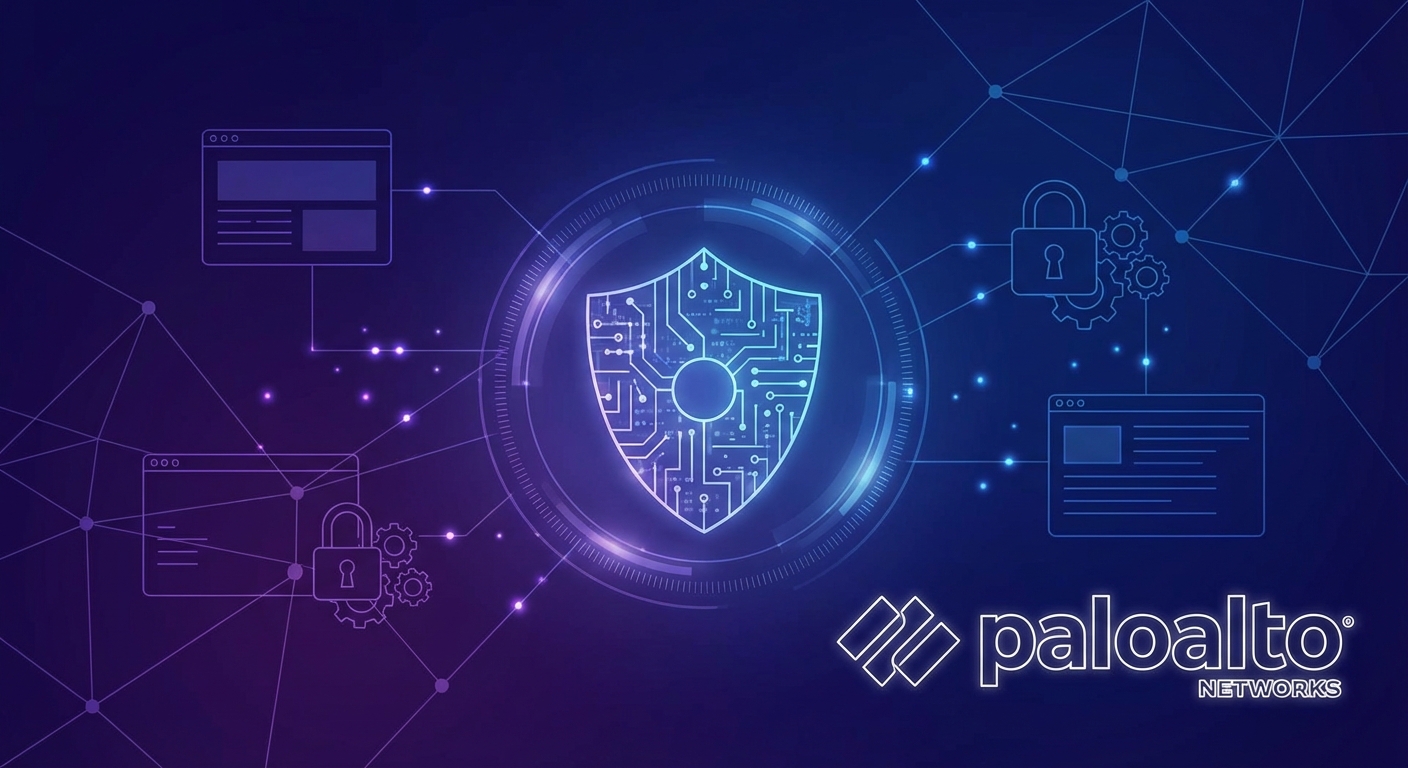
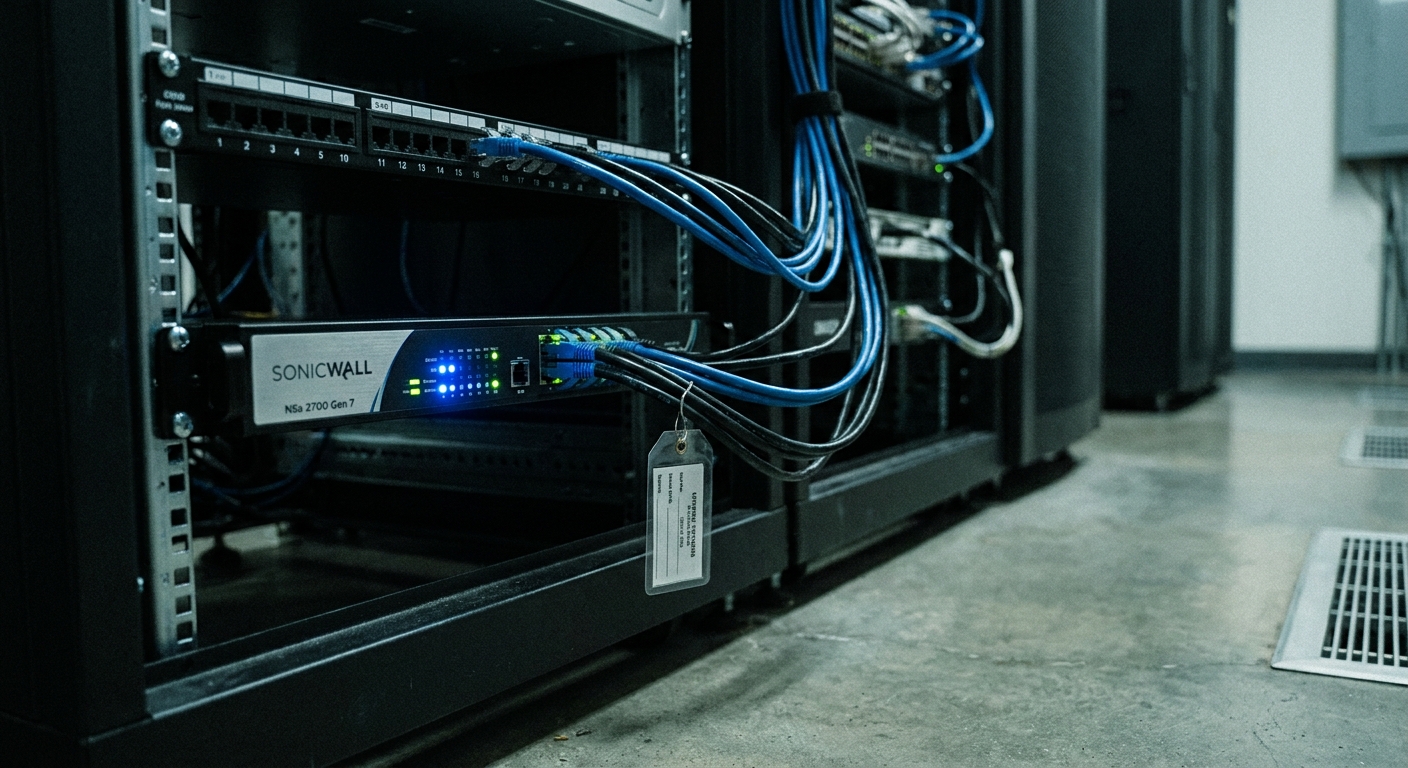
Cyber Security Ransomware Email Phishing Encrypted Technology, Digital Information Protected Secured

Image courtesy of Seeking Alpha

Prisma AIRS 3.0 and Lifecycle Governance

The release of Prisma AIRS 3.0 introduces a comprehensive platform for securing the entire AI lifecycle. This includes Agent Security to verify agent identities and AI Red Teaming to simulate real-world attacks. By identifying "shadow AI," the system provides visibility into every agent and model connecting to the network. These tools allow security teams to assess risks in real-time and control permissions before AI interactions have a real-world impact on company data.

Runtime Security and Threat Mitigation

To stop threats during live interactions, AI Runtime Security monitors AI behavior to prevent manipulation and data exposure. Technical updates in March 2026 include the Microperimeter feature, which redirects workload traffic to Next-Generation Firewalls (NGFW). Additionally, AI Model Security scans third-party models for vulnerabilities like model tampering and malicious scripts. For those managing complex infrastructures, HSF Cluster Deployment on KVM is now supported to ensure secure scaling across Linux environments.

Advanced Detection and Reporting Features

Recent intelligence updates have introduced Multi-turn Attack Support for red teaming, allowing for the simulation of sophisticated, multi-stage breaches. The API Violations View now provides a granular look at security breaches within AI APIs. To improve forensic investigations, Threat Snippets in Reporting display exact violation data. Furthermore, the Microsoft Foundry Integration ensures that models hosted on external cloud platforms maintain the same rigorous security standards as internal deployments.

Protect your digital footprint and stay ahead of emerging AI threats by visiting squirrelvpn.com for the latest updates in encryption and online privacy.
J
James Okoro

एथिकल हैकिंग और थ्रेट इंटेलिजेंस संपादक


जेम्स ओकोरो एक प्रमाणित एथिकल हैकर (सीईएच) और साइबर सुरक्षा पत्रकार हैं, जिनकी पृष्ठभूमि सैन्य खुफिया विभाग से जुड़ी है। साइबर ऑपरेशंस एनालिस्ट के रूप में कार्य करने के बाद, उन्होंने निजी क्षेत्र में कदम रखा और एक लेखक के रूप में अपनी पहचान बनाने से पहले थ्रेट इंटेलिजेंस सलाहकार के रूप में काम किया। जेम्स ने कई प्रमुख सुरक्षा प्रकाशनों के लिए बड़े डेटा उल्लंघनों, रैनसमवेयर अभियानों और राज्य-प्रायोजित साइबर हमलों को कवर किया है। वे लगातार विकसित हो रहे खतरों के परिदृश्य पर अपनी रिपोर्टिंग में एक रणनीतिक और अंदरूनी दृष्टिकोण लाते हैं।

संबंधित समाचार

Cybersecurity Insiders Report Reveals SMBs Increasing Security Spend to Counter Escalating Remote Infrastructure Risks
SMB cybersecurity budget

Cybersecurity Insiders Report Reveals SMBs Increasing Security Spend to Counter Escalating Remote Infrastructure Risks

Facing a 50% breach rate, SMBs are finally increasing security budgets. Discover why legacy tech and AI adoption gaps are driving this critical investment shift.

द्वारा Marcus Chen 23 मई 2026 4 मिनट का पठन
common.read_full_article
Russian State-Sponsored Actors Target RDP and VPN Protocol Vulnerabilities to Compromise Enterprise Networks
VPN protocol vulnerabilities 2026

Russian State-Sponsored Actors Target RDP and VPN Protocol Vulnerabilities to Compromise Enterprise Networks

Russian state-sponsored actors are exploiting known RDP and VPN vulnerabilities to breach enterprise networks. Learn the risks and how to secure your infrastructure.

द्वारा Elena Voss 22 मई 2026 5 मिनट का पठन
common.read_full_article
Western Digital Launches First Post-Quantum Cryptography Hard Drives to Secure Data Against Future Threats
post-quantum cryptography standards 2026

Western Digital Launches First Post-Quantum Cryptography Hard Drives to Secure Data Against Future Threats

Western Digital unveils enterprise HDDs with NIST-approved quantum-resistant cryptography to protect long-term data against future decryption threats.

द्वारा James Okoro 21 मई 2026 4 मिनट का पठन
common.read_full_article
New Market Report Projects Rapid Adoption of Zero-Trust Network Access Amid Evolving Cyber Threats
zero-trust network access (ZTNA) market shifts

New Market Report Projects Rapid Adoption of Zero-Trust Network Access Amid Evolving Cyber Threats

Explore the rapid growth of the Zero-Trust Network Access (ZTNA) market. Discover why ZTNA is the new baseline for cybersecurity in a remote and cloud-first era.

द्वारा Marcus Chen 20 मई 2026 4 मिनट का पठन
common.read_full_article