Cybersecurity Trends and Priorities for Canadian Organizations 2024
TL;DR
Evolution of the Canadian Threat Landscape and Attack Surface
The attack surface for Canadian organizations is expanding rapidly, with 8 in 10 organizations reporting connected-device deployments and nearly half piloting AI projects. Large enterprises have seen the average number of cyberattacks jump from 191 to 342. This shift is particularly evident in cloud environments, where cloud-incident infections for enterprises have reached 53%, the highest level recorded to date.
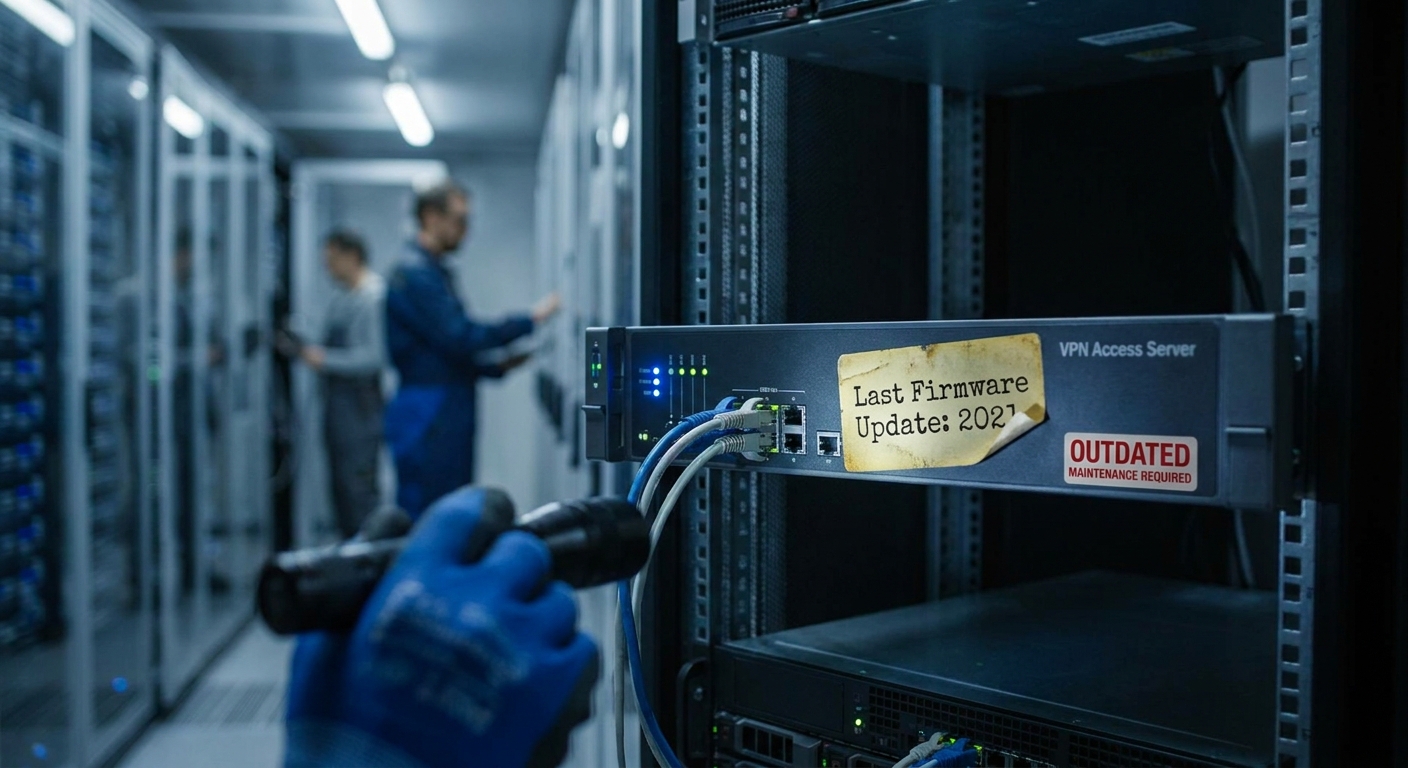
For those managing complex network architectures, the average breach downtime has increased from 13 to 20 days. To mitigate these risks, users should look into SquirrelVPN for advanced VPN tunneling protocols and performance optimization to shield traffic from ISP surveillance and data retention policies. Maintaining visibility over SaaS applications, APIs, and containers is now a baseline requirement for business continuity.
Zero Trust Architecture and SSE/SASE Integration
Zero-trust alignment has become the primary driver for SSE/SASE adoption, with 57.9% of organizations citing it as a top priority. While many organizations focus on Zero-Trust Access (ZTA), technical gaps remain in threat detection and response technologies like SIEM, XDR, and SOAR. Implementing a "never trust, always verify" protocol requires deep packet inspection and traffic analysis to prevent lateral movement after a credential compromise.
Effective zero-trust implementation must address identity governance and supplier risk to close pathways for ransomware. Organizations are encouraged to treat SSE/SASE as the delivery mechanism for policy enforcement rather than a secondary tool. For individual privacy, understanding IPv4/IPv6 transition security implications is vital when configuring secure tunnels.
Adversarial AI and Defensive Machine Learning
Cybercriminals are increasingly using AI to automate vulnerability discovery and speed up the development of new malware strains. In response, AI and ML are becoming invaluable tools for analyzing vast datasets and predicting threats. However, the 2026 study indicates that executive confidence often outpaces actual capability, leaving AI governance complicated and fragile.
Technical teams are shifting focus toward AI model assurance and data-leakage controls. A robust AI security policy is now a necessity, ensuring that defensive AI can neutralize threats in real-time. This includes monitoring for cloud jacking and cryptojacking within public cloud environments.
Security Investment and Framework Maturity
Security spending now averages 19.5% of total IT budgets, with cloud security accounting for 22.4% of that expenditure. Despite these record levels, a "maturity paradox" exists where foundational disciplines like recovery planning and third-party risk lag behind. Utilizing frameworks like NIST CSF or ISO 2700x allows organizations to prioritize high-risk areas and demonstrate measurable security outcomes.
To combat rising downtime, which has grown between 23% and 39% year-over-year, firms are turning to MDR providers for enhanced detection. Consistent annual security testing has proven effective in reducing the frequency of serious security incidents.
Protect your data from evolving threats and government surveillance. Visit squirrelvpn.com to explore our cutting-edge privacy solutions and secure your digital footprint today.