Law Enforcement Dismantles VPN Infrastructure Supporting Two Dozen Ransomware Syndicates
TL;DR
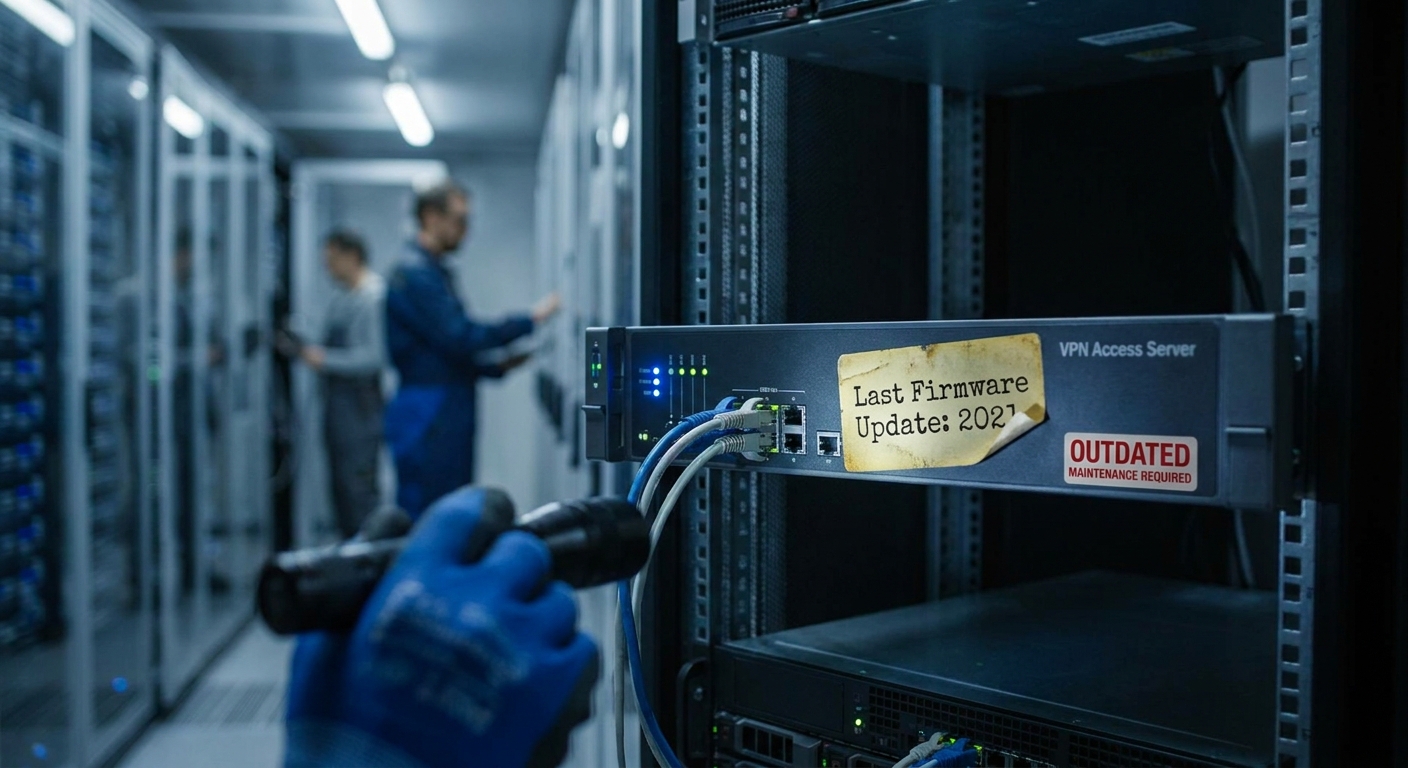
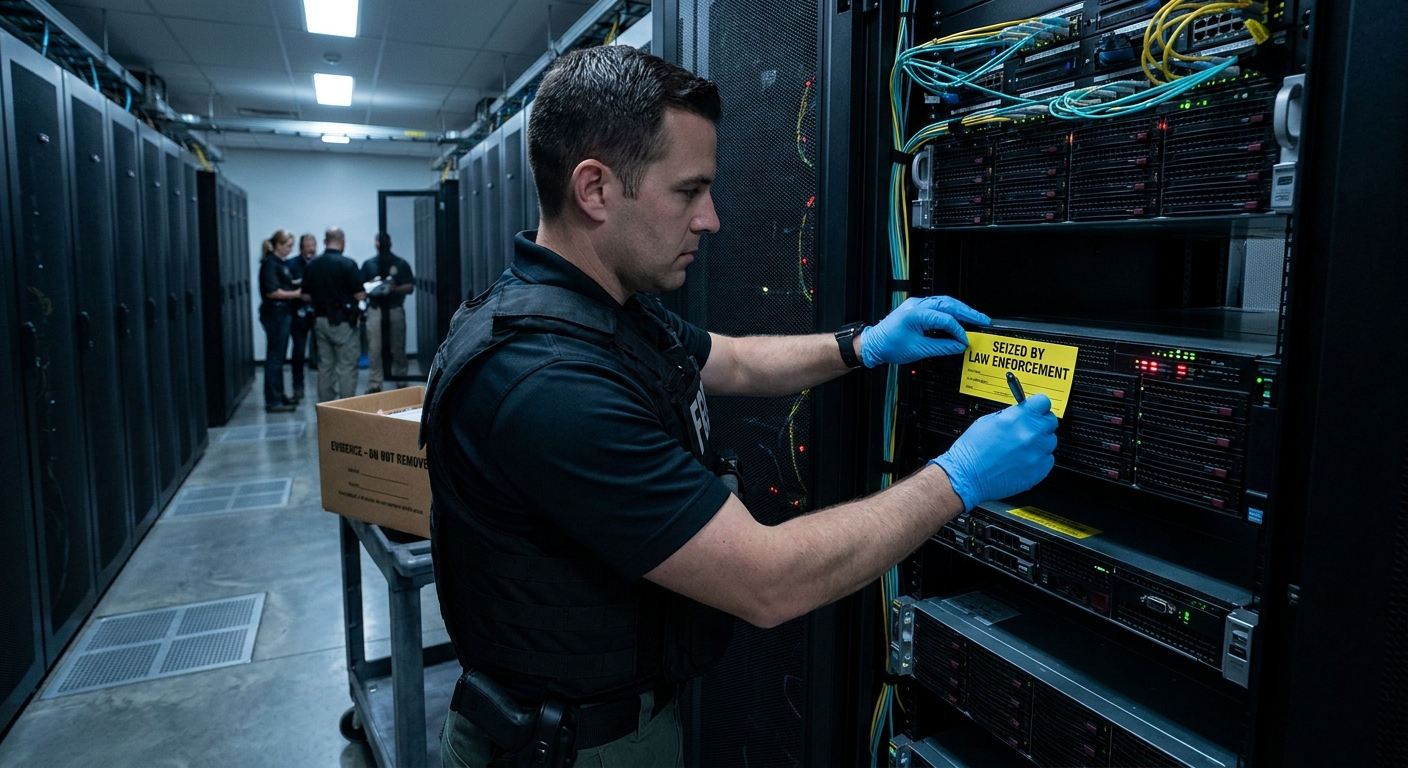
The digital underworld just lost one of its favorite hiding spots. In a massive, coordinated strike, an international coalition led by the FBI and Europol has officially pulled the plug on "First VPN." This wasn't your average privacy tool for streaming movies from another country; it was a dedicated, high-stakes infrastructure provider that served as the backbone for at least 25 different ransomware syndicates. After a grueling multi-year investigation, authorities have arrested the service’s primary administrator and seized servers scattered across 27 different countries.
This takedown is a massive blow to the technical foundation of global cybercrime. By offering a specialized, "no-questions-asked" anonymity service, First VPN allowed bad actors to bury their digital tracks while they ransacked networks, stole sensitive data, and extorted companies for millions. As TechDogs points out, this wasn't just a passive service. It was a mission-critical hub that enabled these gangs to manage botnets, launch DDoS attacks, and scan the internet for vulnerabilities without ever revealing their true location.
The hunt began back in December 2021, when investigators noticed a recurring pattern: a staggering amount of criminal traffic was all flowing through the same set of servers. Unlike legitimate VPNs designed for the privacy-conscious consumer, First VPN didn't bother with mainstream marketing. Instead, it set up shop on Russian-speaking cybercrime forums, promising a bulletproof "no-logs" policy to anyone looking to stay off the radar of international law enforcement.

The sheer scale of this seizure is staggering. By seizing the backend, police didn't just shut down the service—they walked away with the keys to the kingdom: the user database. Forensic teams are currently combing through that data, and the expectation is that this will lead to a domino effect of arrests, unmasking thousands of individuals tied to various criminal campaigns. As Europol noted, this is a genuine breakthrough. For years, these groups have operated with a sense of untouchability, but that facade is crumbling.
The ripple effects from this operation are going to be felt for a long time. It isn't just about the ransomware gangs; it’s about the entire ecosystem of illicit services that relied on this VPN to keep their operations running smoothly.
| Category | Details |
|---|---|
| Primary Target | First VPN (Criminal-focused infrastructure) |
| Ransomware Syndicates | At least 25 distinct groups |
| Global Reach | Servers seized across 27 countries |
| Investigation Start | December 2021 |
| Primary Facilitation | Anonymity for data theft and botnet control |
The fact that over two dozen groups relied on a single provider highlights a sobering reality: modern cybercrime is a business, and it relies on specialized vendors just like any other industry. By masking their activity, these groups could conduct network intrusions with a false sense of security. CXO Digital Pulse reported that the service was custom-built to help criminals evade detection, making its destruction a top-tier priority for cybersecurity task forces worldwide.
First VPN wasn't just a basic tunnel; it was engineered for high-bandwidth, high-risk dirty work. Its infrastructure was optimized for:
- Anonymized Data Exfiltration: Allowing gangs to siphon stolen data out of victim networks without triggering standard security alerts.
- Botnet Command and Control: Acting as a stable, hidden communication channel to manage thousands of compromised devices.
- DDoS Orchestration: Providing the heavy lifting required to launch massive denial-of-service attacks against critical infrastructure.
- Unauthorized Scanning: Enabling real-time searching for vulnerabilities across the web while keeping the source of the traffic completely obscured.
By grabbing the user database, law enforcement has moved from playing a game of "whack-a-mole" with malicious traffic to actually hunting the people behind the keyboards. This strategic shift—targeting the service providers rather than just the individual attacks—is becoming the new gold standard in international cyber-policing.
For those tracking the technical methods of these groups, official advisories like those from the IC3 provide a grim look at how deep these threats run. The First VPN case is a masterclass in what happens when agencies stop working in silos and start sharing intelligence across borders.
As the investigation drags on, authorities are mapping out the complex web of relationships between the different gangs that used this service. While the immediate disruption of 25 syndicates is a massive win, the ultimate goal is to dismantle the entire "trust network" that allows these criminals to operate with such impunity.
As reported by Yahoo News, this is a pivotal moment. The myth that "no-logs" services provide absolute, unshakeable anonymity has been thoroughly debunked. When the world’s police forces coordinate, even the most fortified criminal infrastructure becomes vulnerable.
The global nature of this crackdown—involving 27 countries—proves that the only way to beat a global threat is with a global response. As ransomware groups inevitably scramble to find new, likely inferior, ways to hide their tracks, they’ll find the landscape much more hostile than it was yesterday. The removal of First VPN is a significant step toward making the internet a slightly less dangerous place, forcing these criminal organizations to scramble and, hopefully, stumble.