
Law Enforcement Dismantles First Dedicated VPN Infrastructure Facilitating Global Ransomware Operations
TL;DR
Law Enforcement Dismantles First VPN: The End of a Ransomware Backbone
It turns out "bulletproof" isn't quite as bulletproof as the hackers thought.
On May 19 and 20, 2026, a massive international dragnet led by the FBI and Europol pulled the plug on "First VPN." This wasn't your average, run-of-the-mill privacy tool used to watch geo-blocked movies. This was a purpose-built, high-stakes infrastructure service designed specifically to keep ransomware gangs, botnet operators, and fraudsters invisible.
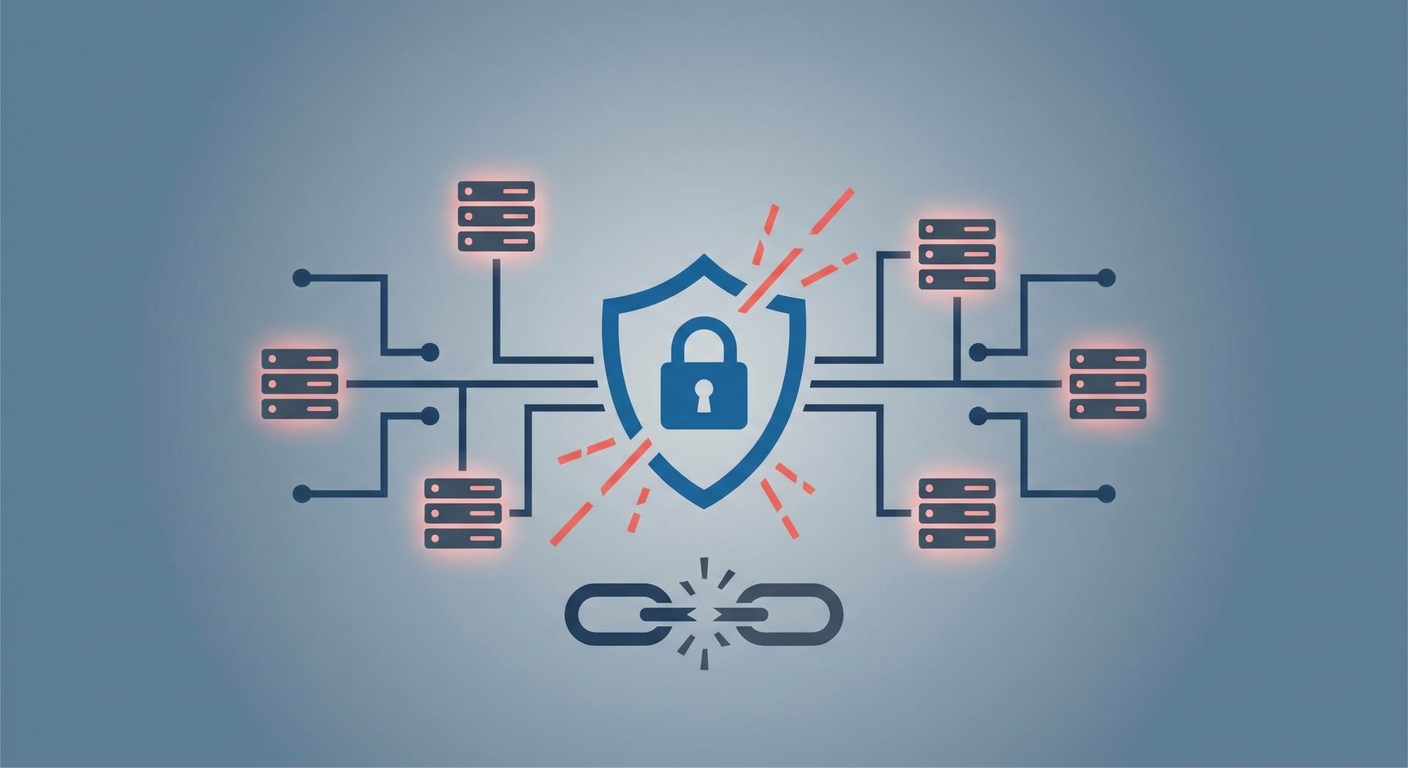
The operation was surgical. Authorities seized 33 servers across 27 different countries and hauled in the service’s primary administrator. Four years of quiet, painstaking investigation finally paid off.
According to Europol, First VPN was the common thread running through almost every major cybercrime investigation they’ve touched in recent years. By hitting this service, law enforcement isn't just chasing ghosts; they’re tearing down the house the ghosts live in.
The Myth of the "No-Logs" Fortress
First VPN didn't sell privacy; they sold impunity. They built their brand on Russian-speaking cybercrime forums, promising a strict "no-logs" policy and ironclad anonymity. For a criminal planning a multi-million dollar ransomware attack or a massive DDoS strike, that promise was the ultimate insurance policy.
But here’s the kicker: the promise was a lie.
While the service marketed itself as a digital fortress, the investigation proved that these criminal-centric providers are just as vulnerable as the networks they host. When the dust settled, authorities hadn't just shut down the servers—they had cracked the vault. They gained full access to the platform’s internal user database.
The Dutch Public Prosecution Service has confirmed that this data is already being put to work. We aren't just talking about a few disconnected files; we’re talking about a roadmap of the global cybercrime ecosystem. Investigators are currently tracing thousands of individuals who thought they were untraceable.
| Metric | Impact/Detail |
|---|---|
| Servers Seized | 33 |
| Countries Involved | 27 |
| Investigation Start Date | December 2021 |
| Primary Targets | 25+ Ransomware Gangs |
| Key Evidence Seized | Full User Database |
A Shift in Strategy
For years, the cat-and-mouse game of cybersecurity focused on the malware itself—the specific strain of ransomware or the latest botnet code. But First VPN’s collapse signals a shift. Law enforcement is now focusing on the "middlemen." By dismantling the infrastructure that allows these groups to operate, authorities are effectively driving up the cost of doing business.
As The Record noted, this service was the go-to for anyone looking to evade heat. Now, those same actors are in a state of panic. They have to migrate to new, unproven services, and in that migration, they’re bound to make mistakes.
The IC3 (Internet Crime Complaint Center) is clear: the era of "bulletproof" hosting is under siege. Every time a service like this falls, it forces the entire criminal underground to re-evaluate their security posture. It’s a game of musical chairs, and the music just stopped for a lot of people.
Why This Matters
Coordination on this scale is rare. As TechCrunch pointed out, the complexity of hitting 27 countries simultaneously cannot be overstated. One slip-up, one early notification, and the admins could have wiped the drives clean. The fact that they didn't suggests that law enforcement was several steps ahead of them for a long time.
What does this mean for the future of digital crime?
- Infrastructure Vulnerability: The "law-enforcement-proof" label is now officially a marketing gimmick. If you build it, they can break it.
- The Intelligence Goldmine: The seized database is a treasure trove. It’s not just about what these people did; it’s about who they are. Expect a wave of arrests to follow as the data is processed.
- The Power of the Coalition: This wasn't a solo act. The success of this operation proves that international task forces, when properly aligned, can dismantle even the most decentralized criminal networks.
- Operational Scramble: Ransomware gangs are currently scrambling to find new, safe harbors. That scramble creates noise, and noise is exactly what security researchers and law enforcement need to catch them.
The investigation is far from over. In fact, for many of the individuals linked to First VPN, the real trouble is just beginning. The digital anonymity that these criminals relied on was never a permanent state—it was a fragile illusion. And now, that illusion has been shattered.
For the rest of the cybersecurity world, this is a reminder that the backbone of the criminal internet is not nearly as sturdy as it pretends to be. When you build your business model on deception, it’s only a matter of time before the truth catches up with you.