New Report Urges Defense Contractors to Adopt Proactive Security Against Growing Infostealer Threats
TL;DR
The U.S. defense industrial base is under siege. A new, comprehensive report reveals a sharp, dangerous uptick in the use of information-stealing malware—or "infostealers"—that are systematically picking apart the digital defenses of contractors and government agencies alike. These aren't just random attacks; they are precision strikes designed to harvest login data at scale. The takeaway? If you’re still relying on traditional endpoint protection to keep the bad guys out, you’re already behind. It’s time to stop guarding the perimeter and start securing the identity.
The numbers are staggering. In 2025 alone, over 11.1 million devices were compromised by this breed of malware. That’s 3.3 billion individual credentials now sitting in the hands of malicious actors, providing them with a massive, ready-to-use stockpile of keys to our most sensitive networks. As noted in National Defense Magazine, one single database unearthed in 2026 contained more than 149 million stolen login credentials. When the enemy has that many doors they can walk through, the security of our national infrastructure is no longer a theoretical concern—it’s a crisis.
The Mechanics of the Infostealer Lifecycle
So, how do they do it? It’s a slick, four-stage operation: infection, exposure, infiltration, and finally, the attack. It starts with a simple infection, often through a seemingly innocuous link or file. Once the malware is on a machine, it goes to work, siphoning off everything from proprietary data to browser cookies and saved passwords. These stolen goods don't just disappear; they are packaged and sold on underground markets, fueling a malware-as-a-service economy that makes it trivial for even low-level threat actors to gain a foothold in the defense supply chain.
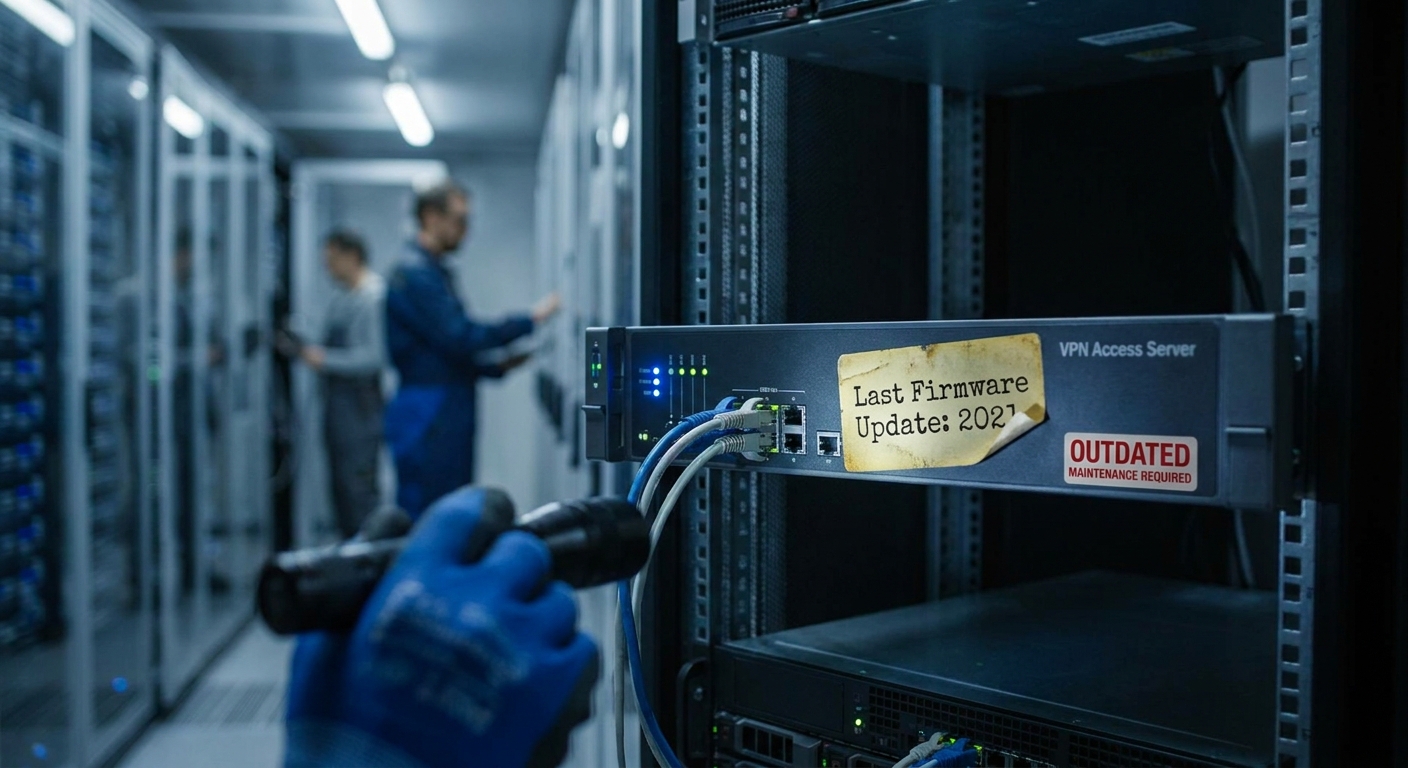
Once they have your credentials, they don’t need to "hack" your perimeter—they just log in. They can bypass your firewalls, access development timelines, and walk away with the blueprints for critical defense operations. Because this malware is designed to be persistent and stealthy, traditional antivirus software, which focuses on blocking malicious files at the endpoint, is effectively swinging at shadows.
A New Defensive Framework
If the old way of doing things is broken, what’s the fix? Security experts are pushing for a shift toward proactive identity threat detection. Since infostealers are specifically hunting for session cookies and saved browser credentials, simply forcing a password reset isn't enough. If an attacker has your active session token, they’re already inside.
To turn the tide, organizations need to focus on neutralizing the value of stolen data before it can be exploited:
- Multi-Factor Authentication (MFA): Use robust, hardware-backed MFA that infostealers can’t easily spoof.
- Rapid Session Invalidation: If your system detects a whiff of suspicious behavior, kill the active session immediately. Don't wait for the user to log out.
- Credential Rotation: Stop treating passwords like permanent fixtures. Frequent, automated rotation shrinks the window of opportunity for an attacker holding stolen data.
- Proactive Monitoring: Don't wait for a breach report. Actively scan the dark web and underground logs to see if your employees’ credentials have already been leaked.
The Threat Landscape at a Glance
| Threat Stage | Adversary Objective | Defensive Priority |
|---|---|---|
| Infection | Deploy malware to endpoints | Endpoint detection and response |
| Exposure | Exfiltrate credentials/cookies | Identity monitoring and threat hunting |
| Infiltration | Access supply chain networks | Session management and MFA |
| Attack | Exfiltrate sensitive programs | Credential rotation and access control |
The Reality Check for the Defense Industrial Base
The campaign targeting U.S. government agencies and defense contractors is a deliberate attempt to erode the integrity of our national security apparatus. The biggest hurdle here isn't just the malware—it's the visibility gap. Most contractors have no idea they’ve been compromised until their data pops up in a criminal database or, worse, is used to launch a downstream attack.
Moving to an identity-centric defense isn't just a technical polish; it’s a fundamental shift in risk management. You have to operate under the assumption that every credential is already compromised. By implementing granular access controls and behavioral analytics, you can spot when a legitimate account is being used in an illegitimate way.
Furthermore, threat intelligence is no longer optional. By keeping a finger on the pulse of underground data leaks, security teams can get ahead of the curve, resetting accounts and patching vulnerabilities before the adversary even realizes they have a target. This proactive stance, paired with rigorous session management, is the only way to protect the development timelines and proprietary programs that keep the defense sector competitive.
As the Flashpoint report makes clear, this threat isn't going away. The automation of these malware platforms means attackers can scale their efforts with minimal cost. To counter that, our defense strategy must be equally scalable. We need to automate credential security and maintain a constant, rigorous verification of identity across the entire supply chain.
Ultimately, the goal is to make the cost of an attack higher than the potential gain. By rendering stolen credentials useless through rapid invalidation and constant rotation, we can disrupt the infostealer lifecycle. It forces the attacker to work harder, spend more, and—most importantly—increases the odds that they’ll trip an alarm. We’re moving away from the static, fragile perimeters of the past and into a new era of dynamic, identity-focused defense. In the world of modern cyber warfare, that’s the only way to stay in the fight.