Check Point Issues Urgent Warning Over Actively Exploited VPN Zero-Day Linked to Qilin Ransomware
TL;DR
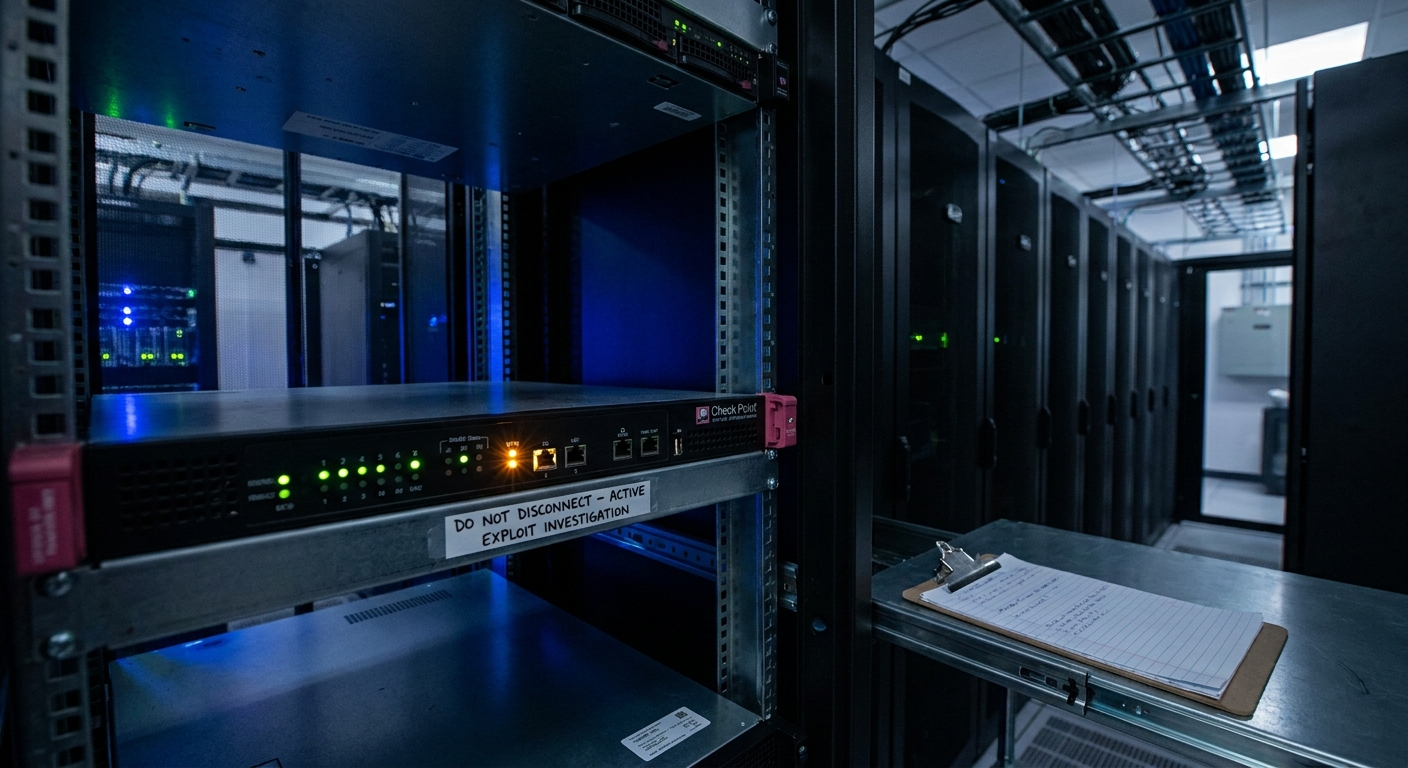
Check Point Software Technologies has sounded the alarm, and for good reason: a zero-day vulnerability in their VPN gateway products is currently being torn apart by attackers. The Qilin ransomware gang—a group that doesn't mess around—is actively using this hole to punch their way into enterprise networks. For the IT admins and security teams tasked with keeping the perimeter locked down, this is a "drop everything" moment.
The exploit hit the wild before anyone even knew it existed, with public awareness sparking around June 9, 2026. This is the nightmare scenario for any shop running Check Point’s remote access gear. It’s a stark reminder that even the most robust edge devices are only as strong as the code they run, and when a flaw is weaponized before a patch hits the streets, your defenses are effectively naked.
According to reports on the Check Point VPN zero-day vulnerability, Qilin has baked this exploit directly into their playbook. Once they’re through the front door, they don’t just sit there. They move laterally, hunting for sensitive data to swipe before locking everything down with ransomware. It’s a high-stakes game of cat and mouse, and right now, the attackers have a head start.
The Anatomy of the Threat
Qilin, sometimes known as Agenda, isn't a group of script kiddies. They hunt high-value targets, and they know exactly where to look. By turning their sights on VPN gateways, they’re going after the digital equivalent of the front door. These gateways are the lifeblood of remote work, but they’re also the biggest, most obvious target on your network.
When a zero-day is in play, your standard signature-based security tools are basically blind. They’re looking for known threats, but this is an unknown variable. By the time the security team wakes up to an alert, the attackers have often already established a foothold. The link between the zero-day and Qilin ransomware proves just how fast these groups can pivot from discovering a flaw to turning it into a payday.
The Situation at a Glance
| Category | Details |
|---|---|
| Vulnerability Type | Zero-day |
| Primary Threat Actor | Qilin (Agenda) |
| Targeted Infrastructure | Check Point VPN Gateways |
| Incident Status | Actively exploited |
| Public Disclosure Date | June 9, 2026 |
How to Hold the Line
If you’re running Check Point, you need to move fast. While the technical specifics are still shifting like sand, the fundamentals of incident response haven't changed. You need to harden your perimeter, and you need to do it yesterday.
- Audit Your Logs: Don’t just look for errors. Look for the weird stuff—unauthorized access attempts, logins at 3:00 AM from strange locations, or traffic patterns that just don't make sense.
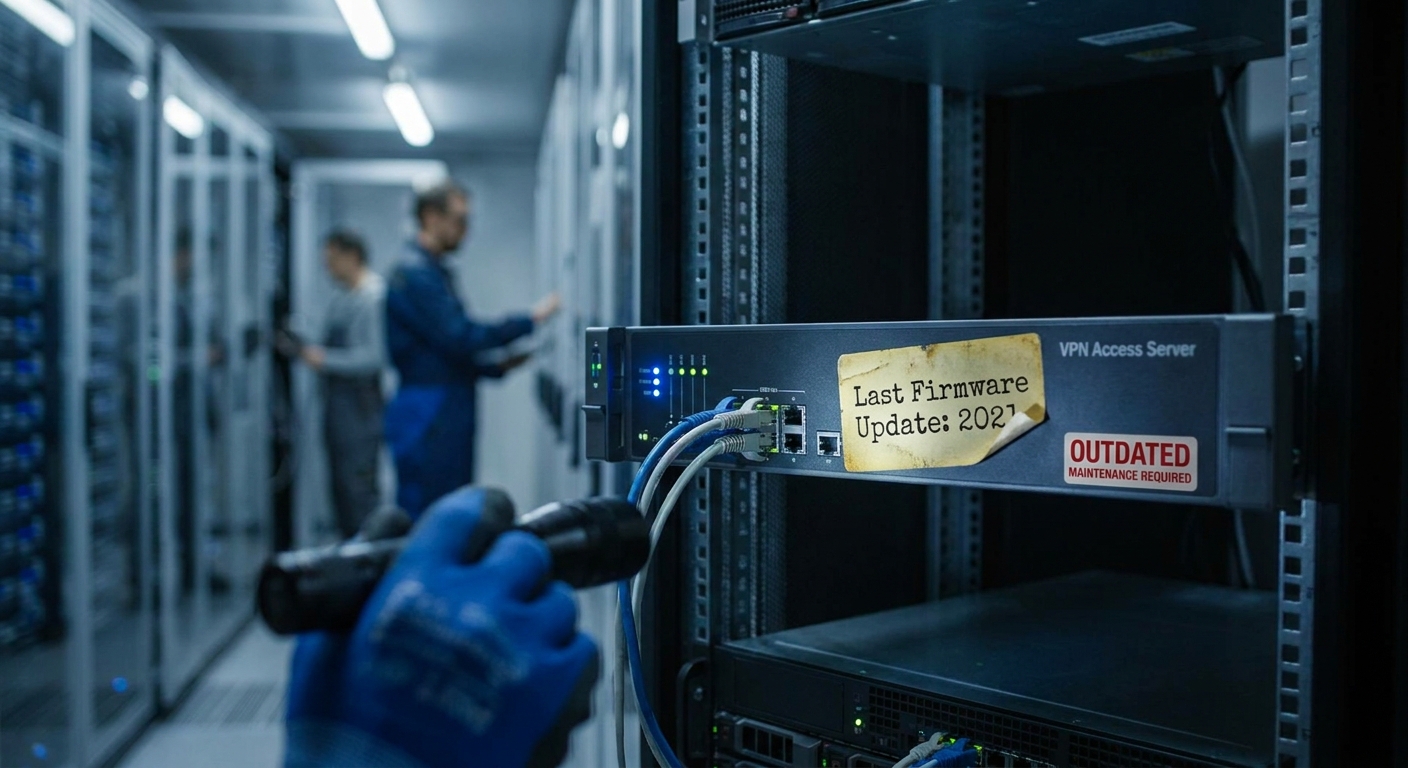
- Patch, Patch, Patch: Check Point is pushing updates. Get them installed. If you’re behind on firmware, you’re basically inviting the Qilin crew to dinner.
- Enforce MFA: If you haven't forced Multi-Factor Authentication on every single remote connection, stop reading this and go do it. It’s your last line of defense if your credentials get swiped.
- Lock Down Management: The management interface for your VPN shouldn't be accessible to the entire internet. Whitelist trusted IPs and keep that door shut.
- Segment Your Network: If they get through the VPN, don't let them roam free. Keep your critical assets isolated so that one compromised gateway doesn't mean the whole company goes down.
Why Zero-Days Are the Ultimate Headache
The rise of zero-day exploits in ransomware campaigns isn't a coincidence; it’s a strategy. These groups are pouring money into finding or buying these exploits because they work. They provide that crucial window of time—that "golden hour"—where the attacker has total stealth because the vendor doesn't even know the hole exists yet.
For the rest of us, the defense is a grueling mix of constant vigilance and rapid response. When a vendor issues a warning like this, the clock starts ticking. You don't have the luxury of waiting for the next scheduled maintenance window. You need to clear the decks, pull the team together, and get the fix applied.
Staying Ahead of the Curve
This isn't a one-and-done event. Qilin is persistent. They aren't going to give up just because you blocked one entry point. They’ll keep probing, keep testing, and keep looking for the next weak link.
The real danger isn't just the initial breach—it’s what happens after. They’re looking to exfiltrate your data and then encrypt your systems. If your backups aren't air-gapped or at least tested and secure, you’re in real trouble. Make sure your recovery plan is more than just a document on a shelf.
Ultimately, this comes down to basic hygiene: stay updated, monitor your traffic, and assume you’re being watched. The cybersecurity landscape is getting nastier, and the gap between a vulnerability being found and being exploited is shrinking to almost nothing. Stay sharp, keep your eyes on the logs, and don't assume your current defenses are enough. The moment you get complacent is the moment they get in.
Securing your network isn't about finding a magic bullet; it's about being faster and more methodical than the people trying to tear it down. Keep your ears to the ground, watch for updates from Check Point, and keep your incident response plan ready to go at a moment's notice. In this business, the only thing worse than a security breach is being surprised by one.