Check Point Issues Urgent Warning Over Actively Exploited VPN Zero-Day Linked to Qilin Ransomware
TL;DR
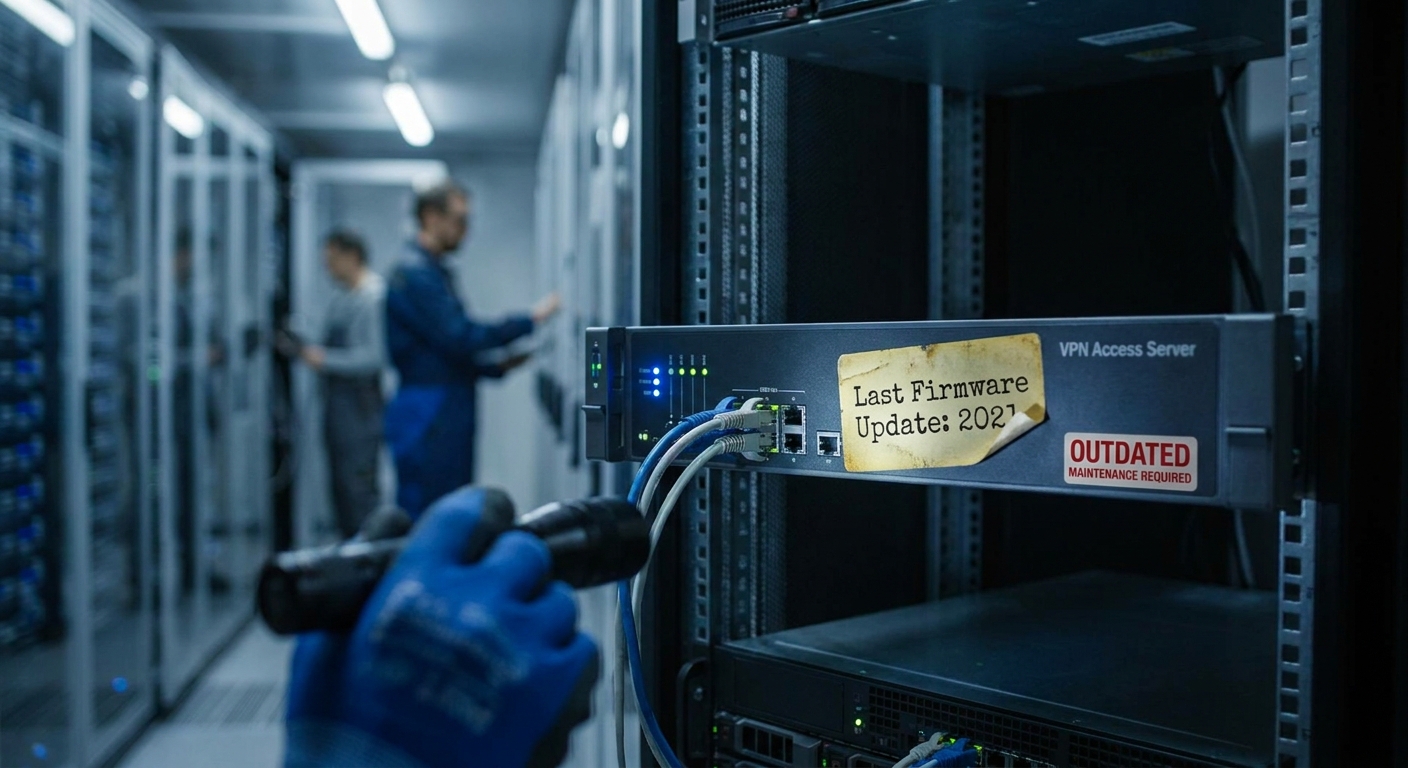
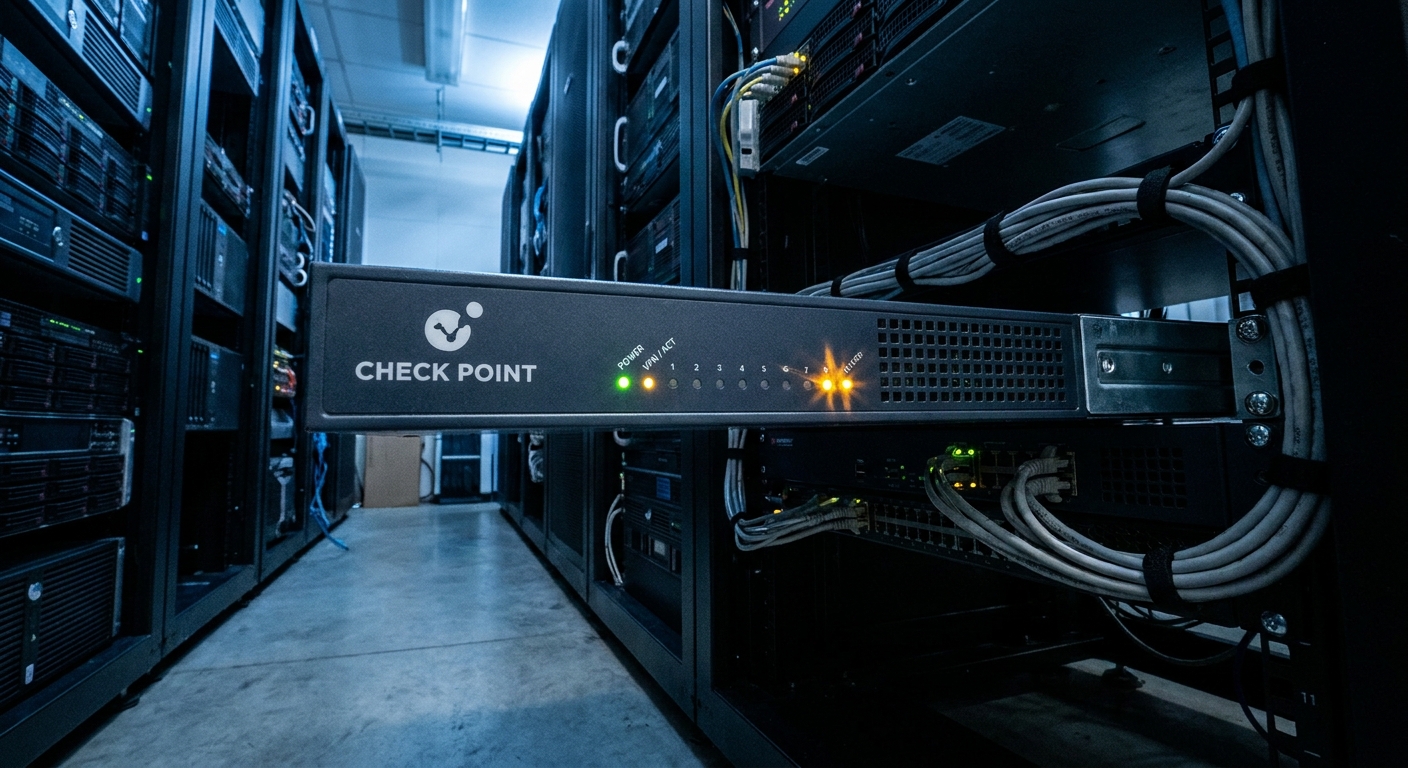
Check Point has just dropped a bombshell for network admins: a zero-day vulnerability in their VPN gateways is currently being torn apart by attackers in the wild. This isn't just a theoretical "what-if" scenario. The threat is real, it’s active, and it’s been tied directly to the Qilin ransomware gang.
If you’re running these gateways, you’re essentially looking at an open door into your corporate network. The flaw lets unauthorized actors waltz right past authentication, effectively neutralizing the very perimeter defenses meant to keep them out. Because this is linked to a ransomware outfit that doesn't mess around, both the vendor and security researchers are treating this as a "drop everything" priority.
The Qilin Connection: A Blueprint for Breach
The Qilin ransomware operation isn't exactly new to the game, but they’ve clearly leveled up by folding this zero-day into their standard playbook. They aren't waiting for a lucky break; they’re actively using this exploit to punch a hole in the network perimeter.
According to reporting from SecurityWeek, once these attackers get that initial foothold, they don't just sit there. They move laterally, hunting for sensitive data to exfiltrate and systems to encrypt. It’s a classic, brutal ransomware lifecycle.
Why the sudden obsession with VPNs? It’s simple: they are the front porch of the modern enterprise. By hitting the VPN gateway, Qilin bypasses the endpoint protections that usually trigger alarms when someone tries to run malicious scripts or poke around the network. As noted by TechRepublic, the speed at which this exploit has been weaponized is a wake-up call. If you’re waiting for a convenient time to patch, you’re already behind the curve.
Incident Response: What You Need to Do Now
Don't wait for a dashboard alert to tell you that you’ve been compromised. If you’re using Check Point VPN gateways, start digging through your logs immediately. Look for the weird stuff—odd login times, geographic anomalies, or a string of failed attempts that suddenly turn into a "success."
Here is your immediate action plan:
- Watch the Portal: Keep your eyes glued to the official Check Point support site. When the patch hits, you need to be ready to deploy it across every single gateway, no exceptions.
- Audit Your Logs: Scour those authentication logs for anything that doesn't look like your standard remote workforce.
- Lock the Gates: If you can, restrict VPN access to known, trusted IP addresses. If you haven't forced multi-factor authentication (MFA) on every remote connection yet, do it now.
- Patch Aggressively: As soon as the fix is released, treat it as the most important task on your desk.
The Technical Reality
| Aspect | Status/Description |
|---|---|
| Vulnerability Type | Zero-Day |
| Primary Target | Check Point VPN Gateways |
| Threat Actor | Qilin Ransomware Group |
| Impact | Unauthorized network access |
| Current Status | Actively exploited in the wild |
The danger here is the location. VPN gateways live on the edge, exposed to the entire internet. Because this vulnerability exists at the boundary, an attacker doesn't need to trick a user into clicking a phishing link or run a complex social engineering campaign. They just need to find your gateway, exploit the flaw, and they’re in.
Staying Ahead of the Extortion
Let’s be clear: Qilin isn't trying to steal your credentials for fun. They want your data, they want to encrypt your servers, and they want a payout. This is high-stakes extortion.
If you haven't checked your off-site or immutable backups lately, do it today. Make sure your recovery procedures aren't just a dusty document in a drawer—they need to be ready to run at a moment's notice.
Check Point is still deep in the investigation, working to get the remediation out to everyone. But don't sit on your hands waiting for an automated notification. Proactive defense is the only defense that works against a group like Qilin.
The rapid weaponization of this flaw is a stark reminder that in the world of edge-facing infrastructure, you are only as secure as your last patch. The vendor provides the tools, but the burden of keeping the gates locked falls squarely on the shoulders of the IT teams managing them. Stay vigilant, keep your security policies tight, and keep monitoring those channels. If you find indicators of compromise, treat them as a fire—put them out before the whole house goes up.