Authorities Seize First VPN Infrastructure Used to Facilitate Large-Scale Ransomware Operations
TL;DR
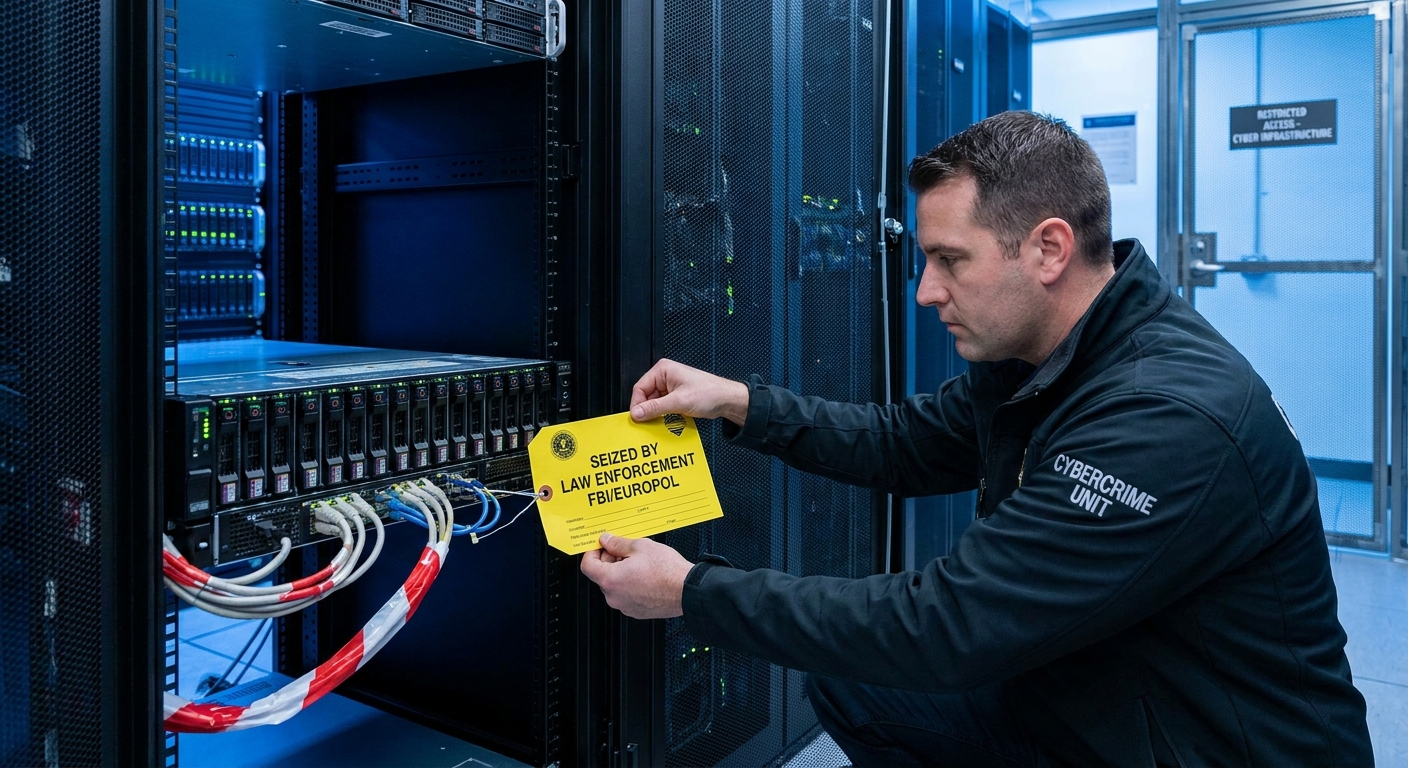
The digital underworld just took a massive hit. In a coordinated, multi-national strike, law enforcement agencies have finally pulled the plug on "First VPN"—a service that, for over a decade, acted as the primary nervous system for the world’s most dangerous cybercriminal syndicates.
Led by French and Dutch authorities with a heavy assist from global partners, this operation didn't just shut down a website; it dismantled a backbone. If you’ve followed Europol’s major cybercrime investigations over the last ten years, you’ve seen First VPN’s fingerprints everywhere. It was the go-to tool for bad actors who needed to stay invisible while tearing down networks from the inside out.
The FBI isn’t pulling punches, either. They’ve confirmed that at least 25 distinct ransomware syndicates—including the notorious Avaddon group—were tethered to this service. By offering a "bulletproof" conduit for network intrusions, credential theft, and massive denial-of-service attacks, First VPN allowed these criminals to squat in victim networks for months, all while masking their true location and technical trail.

A Decade in the Shadows
Since 2014, First VPN operated with a level of arrogance that only a decade of success can breed. They didn't advertise on Google or social media. Instead, they lived on Russian-language dark web forums like Exploit.in and XSS.is, marketing themselves specifically to botnet operators and dark web scammers. They weren't selling privacy to the average user; they were selling immunity to the highest bidder.
As noted by Industrial Cyber, the platform was built for speed and stealth. It was designed to handle everything from high-speed data exfiltration to the kind of quiet, patient reconnaissance that precedes a massive ransomware payload.
The Technical Shell Game
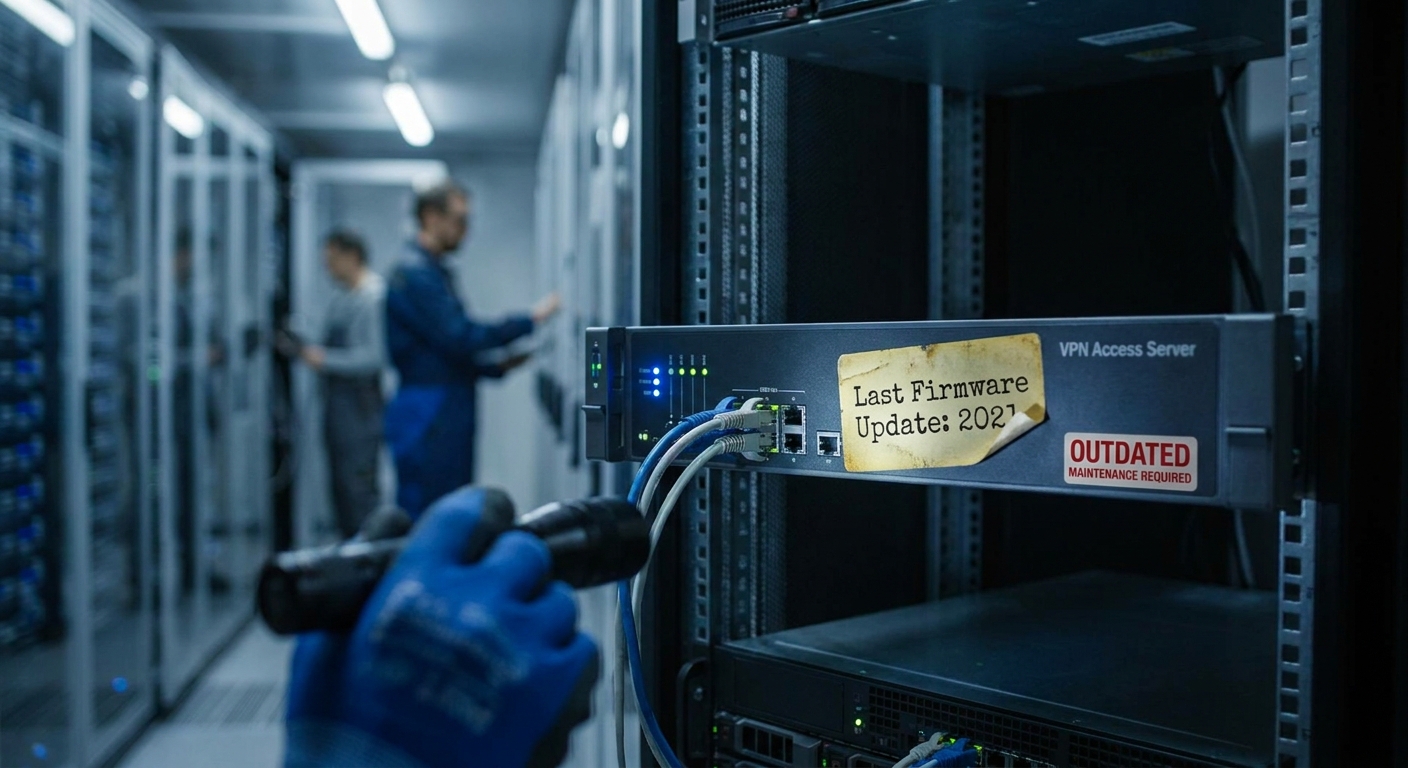
How did they stay hidden for so long? By playing a complex game of musical chairs with their infrastructure. The service maintained 32 exit nodes spread across 27 different countries. It was a distributed web designed to frustrate even the most persistent investigators.
Their technical setup was a headache for network defenders:
- Protocol Diversity: They supported OpenConnect and WireGuard, providing standard, reliable tunneling for their clients.
- Traffic Obfuscation: This was the real kicker. By integrating the VLESS protocol, they could disguise malicious, high-volume traffic as standard HTTPS requests, effectively slipping right past deep packet inspection (DPI) tools.
- Global Reach: With 32 exit nodes scattered across 27 countries, they could rotate IP addresses faster than any security team could blacklist them.
- Dark Web Integration: By keeping the entire ecosystem within underground forums, they ensured that only vetted, high-level threat actors could access the service.
This Europol-supported crackdown represents a fundamental shift in strategy. Law enforcement is finally moving past the "whack-a-mole" approach of chasing individual ransomware payloads. Instead, they are going after the infrastructure that makes the entire "Ransomware-as-a-Service" model possible.
The Aftermath: What Happens Now?
The seizure of these servers is a goldmine. Investigators are currently sifting through a massive cache of forensic data, which is expected to blow the lid off the 25 syndicates identified by the FBI. According to the official IC3 advisory, dismantling these services is the only way to truly disrupt the operational tempo of these criminal organizations.
| Feature | Details |
|---|---|
| Operational Period | 2014 – 2026 |
| Ransomware Groups Linked | At least 25 |
| Global Footprint | 32 exit nodes in 27 countries |
| Primary Marketing Channels | Exploit.in, XSS.is |
| Key Protocols Supported | OpenConnect, WireGuard, VLESS |
The operation was a logistical masterpiece, involving law enforcement from France, the Netherlands, Ukraine, the U.K., Switzerland, and Luxembourg. By hitting the servers simultaneously across multiple jurisdictions, they effectively neutralized the service’s command-and-control capabilities before the operators could wipe the drives or move the data.
As the dust settles, the FBI's confirmation of these usage patterns serves as a stark warning for IT security teams. If your organization relies on legacy perimeter defenses, you’re essentially leaving the door unlocked for actors who have mastered these kinds of obfuscation tools.
The takedown of First VPN is a win, certainly. But it’s also a reminder that the tools of the trade are constantly evolving. By stripping away the infrastructure that allows these groups to operate in the shadows, law enforcement is making the business of cybercrime significantly more expensive and risky. For now, the criminals are scrambling—but the search for the next "First VPN" has already begun. Vigilance, as always, is the only real defense.