2026 Industry Report Evaluates Next-Generation Firewall Performance and VPN Integration Capabilities for Enterprise Security

TL;DR
2026 Industry Report: The State of NGFW Performance and VPN Integration
The 2026 enterprise security landscape isn't just changing; it’s being rewritten. We’ve hit a point where the old-school perimeter is effectively dead, replaced by a desperate, high-stakes pivot toward AI-driven threat prevention and the tight integration of VPN capabilities directly into next-generation firewall (NGFW) architectures. For IT leaders wrestling with the messy reality of hybrid networks, the question isn't just "Does it block threats?" It’s "Can it actually keep up?" Maintaining high-speed inspection without choking your throughput is now the gold standard by which all vendors are judged.
Let’s be honest: the traditional approach to perimeter security is a relic. If you’re still relying on the strategies that worked five years ago, you’re already behind. According to the latest evaluations of top enterprise firewalls solutions in 2026, adopting next-generation firewall (NGFW) technology isn't a luxury. It’s the baseline requirement for keeping distributed workforces and cloud-native apps from becoming easy targets.
Encryption: The Throughput Killer
The biggest headache in 2026? Encrypted traffic. TLS 1.3 is everywhere, and while that’s great for privacy, it’s a nightmare for firewalls. Decryption overhead is the silent bottleneck of the modern data center. The data is clear: if you aren't using hardware-accelerated inspection engines, those encryption blind spots can slash your firewall’s throughput by 50% to 80%.
That’s why security architects are shifting their focus to "Threat Prevention Throughput." Stop looking at the raw, unencrypted numbers on the back of the box—those are marketing fluff. Real-world performance is measured by what happens when you actually turn on the IPS, antivirus, and SSL inspection simultaneously. If your firewall can't handle the load with the shields up, it’s just an expensive paperweight.
Benchmarking the Heavy Hitters
The 2026 market evaluation, pulling from user-driven data via SoftwareReviews, puts 12 major products under the microscope. This isn't about paid placements or analyst bias; it’s about how these tools actually behave in the wild.
| Vendor/Solution | Composite Score | CX Score |
|---|---|---|
| Fortinet FortiGate | 8.9/10 | 9.2/10 |
| Palo Alto Network Security | 8.9/10 | 9.3/10 |
These scores tell a specific story. Yes, raw speed matters, but the stability of the software ecosystem and the quality of the vendor relationship often dictate whether a deployment succeeds or fails. A fast firewall is useless if it’s a nightmare to manage or if support leaves you hanging during a breach.
The War Against Configuration Drift
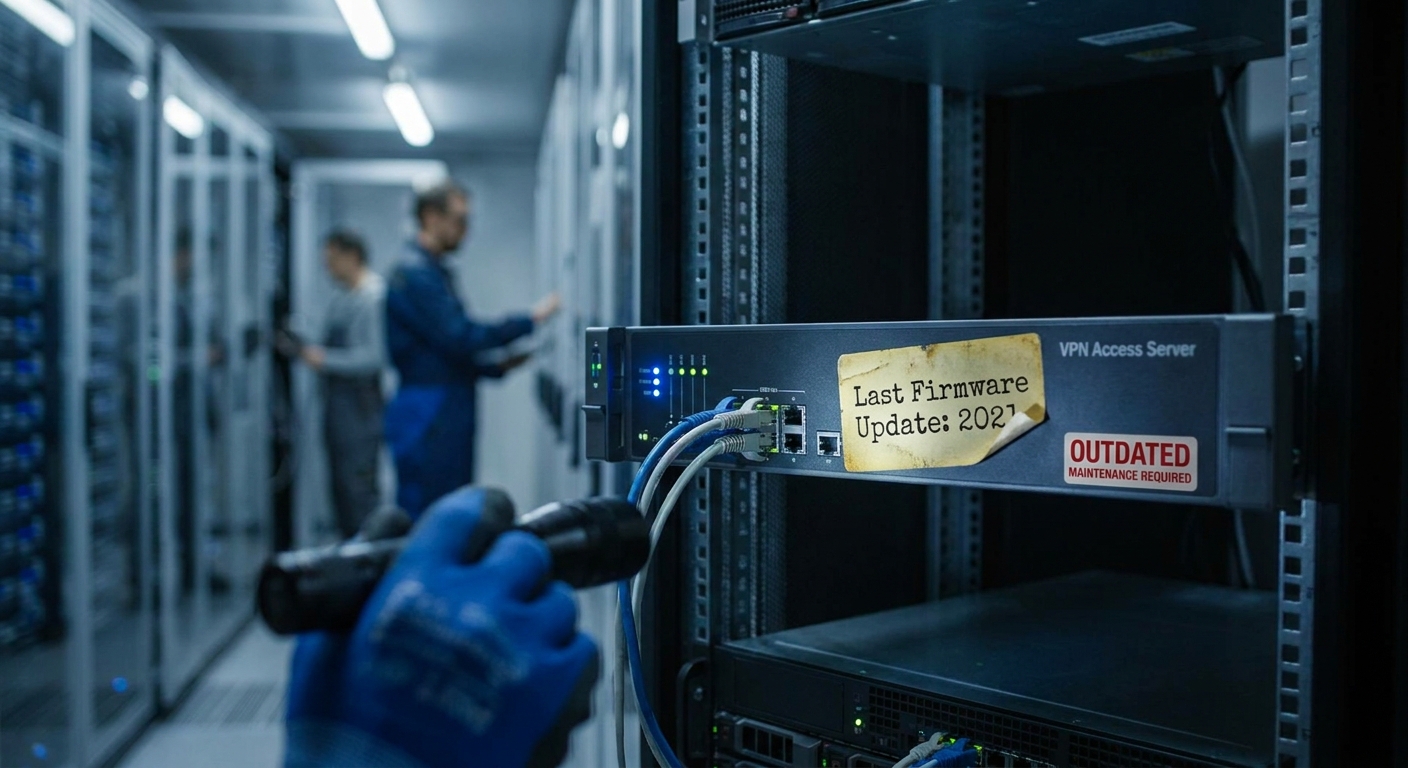
When your corporate perimeter stretches into the cloud and home offices, "configuration drift" becomes your worst enemy. In a hybrid mesh network security environment, keeping security policies consistent across on-prem, cloud, and remote sites is a massive operational hurdle.
If you don't have unified policy management, you’re just waiting for a gap to open up. Individual appliances falling out of sync is how breaches happen. The industry consensus for 2026 is clear: stop relying on legacy signature matching. It’s too slow. By leaning into AI-driven threat prevention, teams can automate responses to emerging threats, closing the window of vulnerability before an attacker even realizes it’s there.
The 2026 Playbook: Key Operational Takeaways
If you’re evaluating your security stack this year, keep these four pillars in mind:
- Real-time Intelligence: Move beyond daily signature updates. You need AI-powered feeds that react in real-time.
- Decryption Efficiency: If you aren't using hardware acceleration for SSL/TLS, you’re losing more than half your performance.
- Unified Policy Enforcement: Centralized management isn't optional. It’s the only way to prevent configuration drift across fragmented segments.
- Threat Prevention Focus: Ignore the raw throughput numbers. Focus on "Threat Prevention Throughput" to see how the device performs under actual stress.
The results speak for themselves. Miercom’s 2026 testing showed that top-tier solutions can hit a 99.9% malware block rate and a 99.7% rate for phishing and malicious URLs. That’s the kind of protection you get when the stack is integrated and, more importantly, configured correctly.
The Evolution of the Firewall
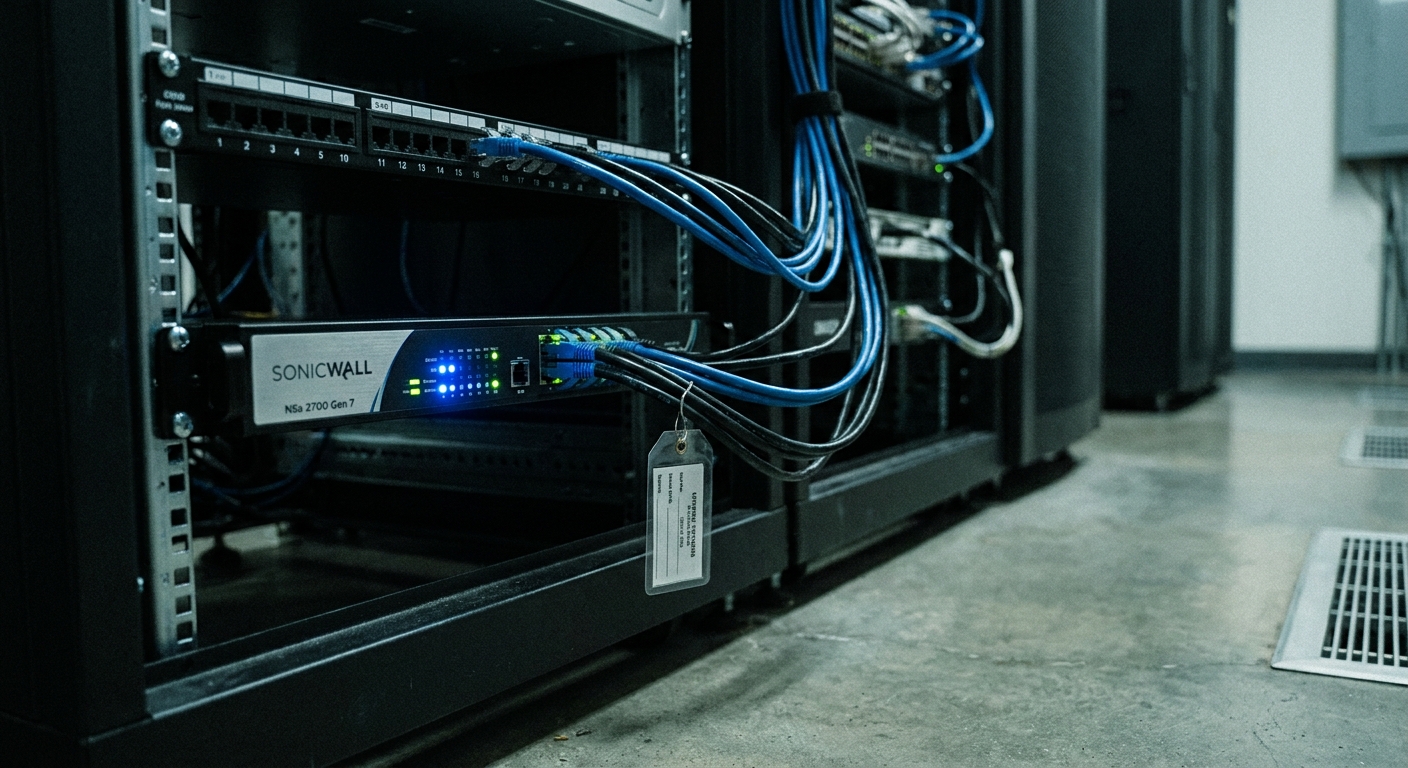
The functionality of a firewall has fundamentally shifted. It’s no longer just a gatekeeper for ports and protocols. Today, the NGFW is the central enforcement point for identity-aware access, deep packet inspection, and automated mitigation. It has to be, because your assets aren't sitting in a data center anymore—they’re everywhere.
As we look toward the next evaluation cycle in May 2027, the focus will undoubtedly stay on refining AI integration and simplifying the management interface. If you’re in the middle of a refresh, take a hard look at your current infrastructure. Can it handle the intersection of high-volume encrypted traffic and the need for granular, policy-based access?
Ultimately, the hardware matters, but the ability to orchestrate policy across a messy, hybrid infrastructure is what separates the high-performers from the rest. Focus on the technical pillars, stay vigilant about configuration, and stop chasing raw numbers that don't reflect your actual security posture. The 2026 threat environment doesn't care about your spec sheet—it cares about your execution.