Tokenomics of Bandwidth Mining and Inflationary Control

TL;DR
The Rise of the Bandwidth Sharing Economy
Ever felt like you're paying for a massive internet pipe but only using a tiny straw's worth of data? It’s kind of a bummer, right? Well, a new trend called the bandwidth sharing economy is changing that by letting you "rent out" your extra internet speed to others who need it.
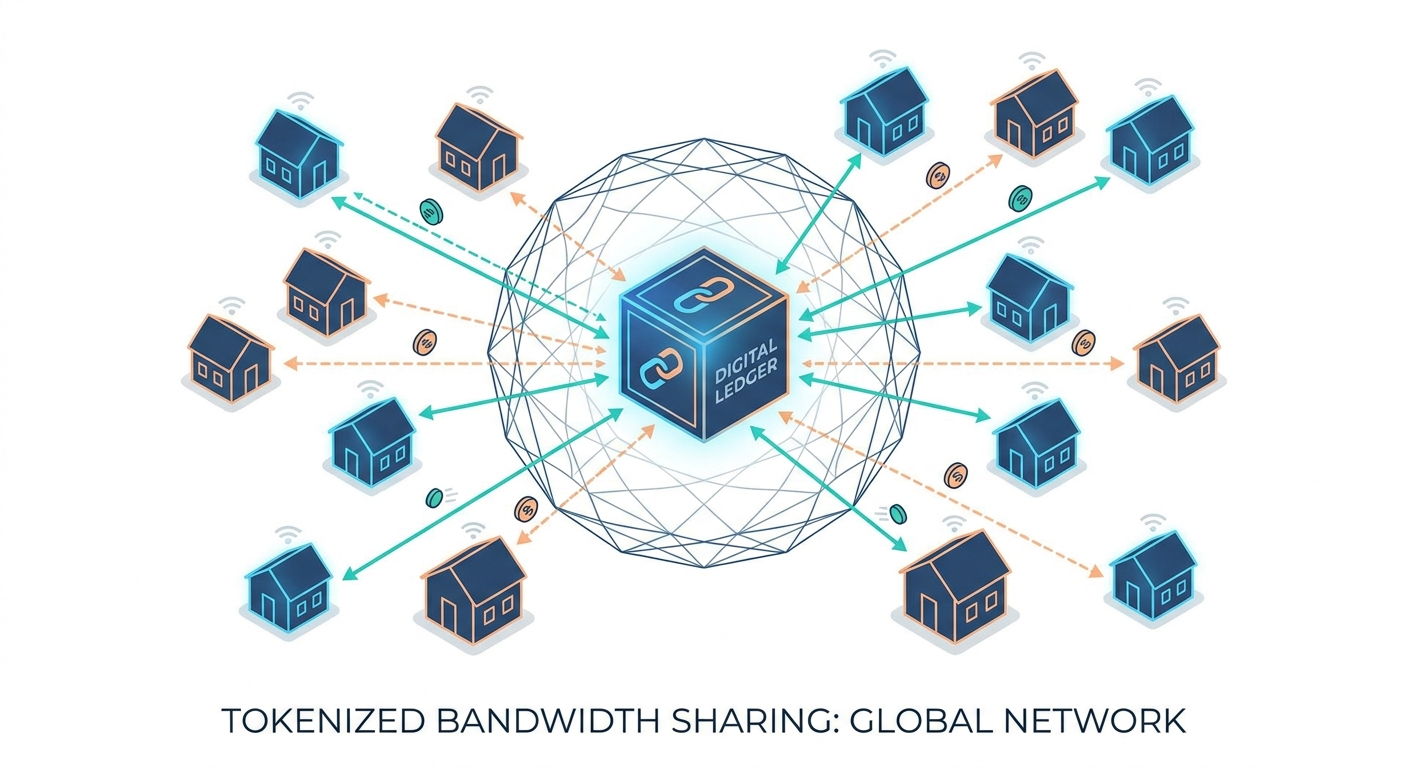
Think of it as the "Airbnb for your wifi." Instead of a spare bedroom, you’re sharing your unused upload and download capacity. In a traditional setup, a big company owns a giant server. In a p2p (peer-to-peer) network, regular folks like you and me run distributed vpn nodes from home computers or small devices.
- The Node Hookup: You run a little piece of software that securely routes encrypted traffic for others.
- Verification: To make sure everyone is playing fair, a bandwidth proof protocol checks that your node is actually up and running before you get paid.
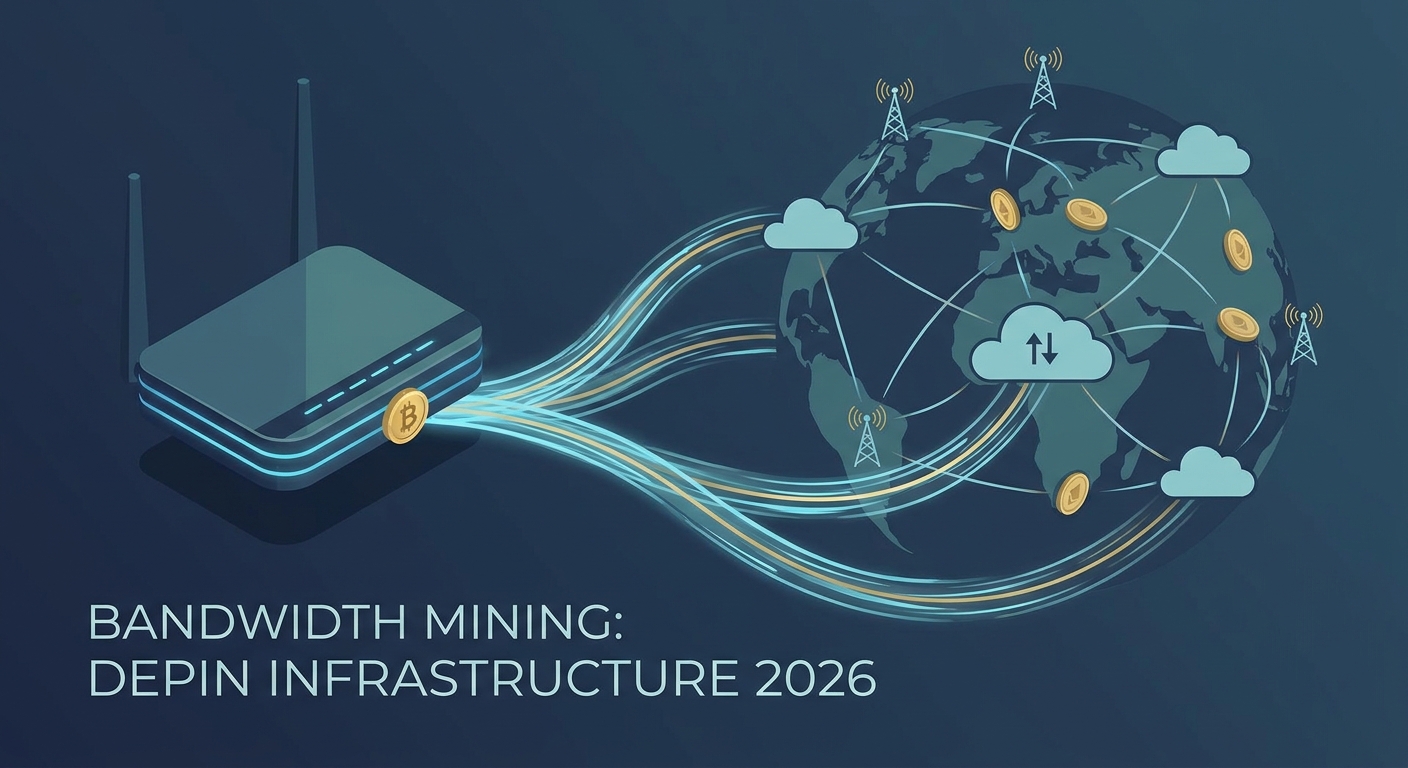
- Earnings: You earn digital tokens as a thank you for keeping the lights on. Popular examples include HNT from the Helium network, DVPN from Sentinel, or OXT used by Orchid. These are real assets you can often trade on exchanges.

Honestly, the old way of doing things has some holes. If one big vpn provider gets hacked or blocked by a government, everyone is out of luck. (Are all these centralized VPNs just government honeypots? - Reddit)
According to Tokenomics Learning, inflation in these systems—like the new tokens you earn—is often pre-programmed into smart contracts to keep things transparent.
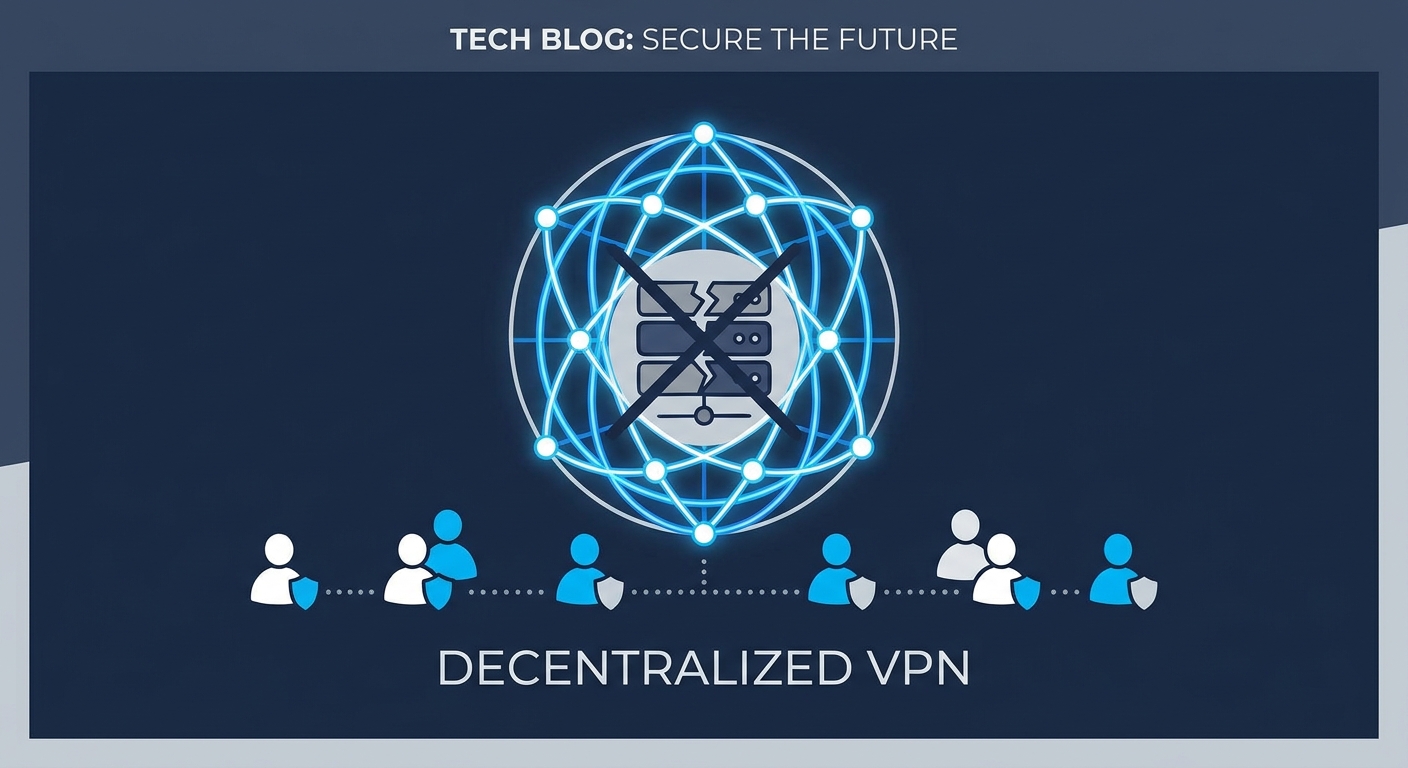
By removing the middleman, we get censorship-resistant access. If you’re in a region where certain sites are blocked, a dvpn (decentralized vpn) is way harder to shut down because there isn't just one "off switch." It’s just thousands of people helping each other out. Plus, these networks are built to be privacy-preserving, so your data isn't sitting on some corporate hard drive waiting to be sold.
It’s a cool way to turn a utility bill into a little side hustle. Next, let's look at how these tokens actually keep their value so you aren't just earning "monopoly money."
Core Tokenomics of Decentralized VPN Ecosystems
Ever wondered why anyone would leave their computer on all night just to help a stranger in another country browse the web? It isn't just out of the goodness of their heart—there is a whole "token economy" making it worth their while.
To get a p2p network off the ground, you need a lot of people willing to act as nodes. Most blockchain vpn projects use "mining rewards" to attract these early birds. Basically, if you provide high-quality bandwidth, the network mints new tokens and drops them into your digital wallet.
But it’s not always a free-for-all. Many professional setups require staking, which is just a fancy way of saying you have to lock up some tokens as a "security deposit." This ensures node operators don't act like jerks or provide laggy service, because if they do, they might lose their stake.
- Early Bird Perks: New networks often give out more tokens at the start to grow fast, similar to how a new coffee shop might give out free lattes on opening day.
- Quality Checks: Systems use bandwidth proof protocol to make sure you aren't just faking your speeds.
- Payouts: Rewards are usually sent automatically through smart contracts, so you don't have to chase down a boss for your paycheck.
A token is only useful if someone wants to buy it, right? In a dvpn ecosystem, these tokens are the "gas" that makes the car go. The bandwidth provided by thousands of home users is aggregated into a massive global pool, which businesses then purchase for specific high-security needs.
For instance, if a small medical clinic in a remote area needs a privacy-preserving vpn to send patient records securely, they buy tokens to pay the node operators. According to Gate Wiki, a good network needs to balance this supply. If too many tokens are created, the price drops, and operators quit. That's why many projects use a "burn" mechanism—where a tiny bit of every transaction fee is destroyed forever—to keep things scarce.

This isn't just for tech geeks. I've seen small retail shops use a decentralized proxy network to check competitor pricing in different regions without getting blocked. They pay in the network's native token, which then flows back to the people running the nodes. It’s a closed loop where the internet itself becomes a commodity, like electricity or water.
Next up, we’re gonna look at how these networks stop the "monopoly money" problem by keeping inflation under control.
Mechanisms for Inflationary Control in DePIN
So, you’ve started earning some tokens by sharing your bandwidth—congrats! But now you might be wondering, "if everyone is mining these tokens, won't they eventually be worth less than a pack of gum?"
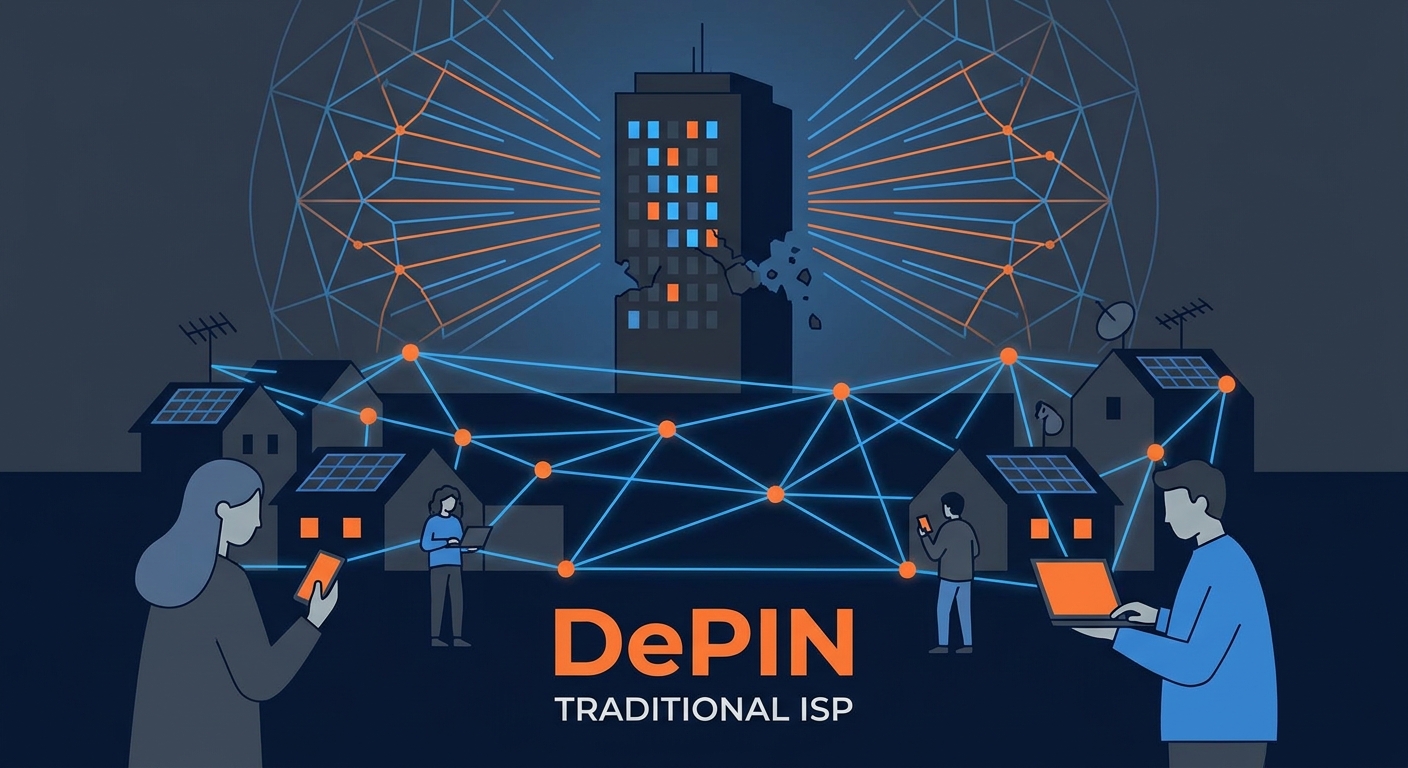
It’s a fair question. This is where DePIN comes in. DePIN stands for Decentralized Physical Infrastructure Networks, and it represents a massive shift where regular people build physical networks (like wifi or energy grids) instead of big corporations. Because these networks rely on real hardware, they need smart "brakes" to keep the economy stable.
One of the coolest ways these networks stay healthy is through a "burn" mechanism. Think of it like a shop that takes a tiny portion of every dollar it makes and literally destroys it. This makes the remaining dollars in everyone’s pocket a little bit more rare.
- Transaction-Based Burning: Every time a company pays to use your distributed vpn nodes, a small percentage of that fee is sent to a "null address" where it can never be used again.
- Scarcity is Key: As more people use the vpn, more tokens get burned. This creates a situation where the supply actually goes down while the network grows.
- SquirrelVPN Insights: In the latest vpn features, we're seeing projects like SquirrelVPN track these burn rates in real-time. It helps users see exactly how tokenized connectivity stays valuable over the long haul.
According to Gate Wiki, linking these burn mechanisms directly to transaction activity can reduce the circulating supply by 10% during busy times, which really helps stabilize the price.
If burning is the "drain," then halving is the "faucet" getting turned down. You might have heard of Bitcoin halving—well, p2p bandwidth networks do similar things to make sure they don't over-saturate the market.
- The Big Cut: Every few years, the rewards for running a node get cut in half. This prevents "token bloat" and rewards the early adopters.
- KPI-Based Inflation: Some smart networks look at how the network is doing. If there are already too many nodes in New York but not enough in Tokyo, the rewards might scale up or down based on that "node density."

I've seen this play out in the healthcare world too. A small clinic using a privacy-preserving vpn to move data needs to know the token costs won't triple overnight. These inflationary controls keep the "gas" prices for the internet predictable for everyone.
How to Start "Mining" Bandwidth
If you want to get in on this, here is the basic path:
- Pick a Project: Research a depin project like Helium or Sentinel.
- Hardware: Most just need a basic PC or a Raspberry Pi. Some projects sell "plug-and-play" boxes.
- Software: Download the node client from the official site.
- Wallet: Set up a compatible digital wallet to receive your rewards.
- Stay Online: Keep your device connected to the internet. The more "uptime" you have, the more you earn.
Next, we’ll dive into how the community actually runs these things.
Governance and the Future of Tokenized Internet Infrastructure
If you’ve ever felt like the internet is just a few giant companies in a trench coat, you aren't alone. Transitioning to a tokenized internet infrastructure means we finally get a say in how the digital roads are built.
In a traditional vpn, a ceo in a fancy office decides the fees. In a p2p network, the community uses governance tokens to vote on things like fee structures. It’s like a digital town hall where your "vote" is backed by the tokens you’ve earned or staked.
- Voting on Fees: If a bandwidth marketplace gets too expensive, the community can vote to lower costs.
- Treasury Management: A portion of network fees often goes into a "community chest" for upgrades.

It isn't all sunshine and rainbows, though. One big headache is the "regulatory hurdle." Governments are still scratching their heads over how to classify a decentralized isp alternative, which can lead to some confusing tax or legal rules for node operators.
- Security Risks: Since there’s no central boss, "bad actors" can try to set up malicious exit nodes. This is where a node owner tries to "sniff" your unencrypted traffic or route you to fake sites. To stop this, most dvpns use multi-hop routing (sending data through several people) and heavy encryption so no single node can see what you're doing.
- Competition: Big tech companies have deep pockets. Staying ahead of them means web3 internet freedom tools have to stay faster and cheaper.
I’ve seen this work in the retail world where shops use a decentralized proxy network to bypass regional price hiking. By participating in governance, these businesses ensure the network stays affordable for their inventory tracking. Even in finance, teams use these networks to securely pull data without alerting competitors, voting on privacy patches that keep their strategies under wraps.
As mentioned earlier in this article, the balance of supply and demand is what keeps the lights on. By joining a dvpn ecosystem, you’re not just a consumer; you’re an owner helping build a freer, more open web for everyone. Stay safe out there!