Sybil Attack Resistance in DePIN Architectures
TL;DR
The growing threat of sybil attacks in depin
Ever wonder why some depin projects seem to have millions of "users" but no real-world utility? It's usually because a single guy in a basement is running 5,000 virtual nodes on a server, sucking up rewards meant for actual hardware.
At its core, a sybil attack is just an identity fraud. One person creates a mountain of fake accounts to gain majority influence or, more commonly in our world, to farm token incentives. According to ChainScore Labs, these attacks are a fundamental data integrity failure that makes billion-dollar models worthless. If the data being fed into a network is just generated by a script, the whole thing collapses.
- Fake Identities: Attackers use scripts to bypass simple "one-account-one-vote" rules.
- Resource Exhaustion: In p2p networks, these bots clog up the routing tables.
- Reward Dilution: They steal the "yield" from honest people actually providing bandwidth or sensor data.

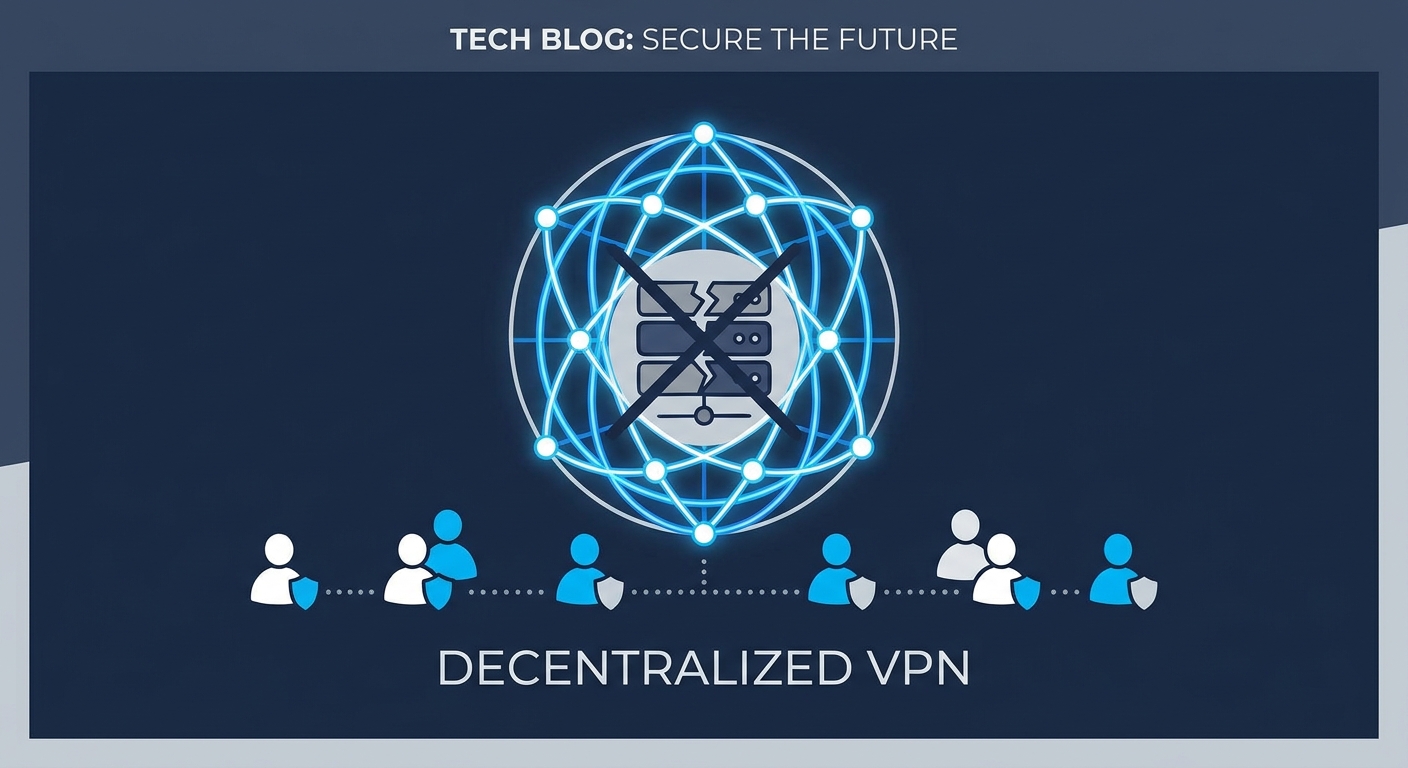
If you're using a decentralized vpn (dvpn), you need to trust that the node you're tunneled through is a real person's residential connection. If a sybil attacker spins up 1,000 nodes on a single aws instance, they can intercept traffic or perform deep packet inspection (dpi) on a massive scale.
A 2023 report by ChainScore Labs noted that unchecked data collection can contain over 30% synthetic entries, which is basically a death spiral for network trust. (2023 Crypto Crime Report: Scams)
This isn't just about privacy; it's about the economy. When rewards flow to bots, real node operators quit because it isn't profitable anymore. Without real humans, the network dies. Next, we'll look at how we actually stop these bots from winning.
Hardware as the ultimate root of trust
So, if digital identities are so easy to fake, how do we actually anchor a node to the real world? The answer is simple: you make them buy something. By using Hardware Roots of Trust, we move the "cost of attack" from a few lines of python script to the physical manufacturing of a device.
Most modern DePIN projects aren't just letting any old laptop join the party anymore. They're requiring specific hardware with Trusted Execution Environments (TEEs) or secure elements. Think of a TEE as a black box inside a cpu where the network can run "attestation" checks to prove the hardware is legit and hasn't been tampered with.
- Helium and DIMO: These projects use specialized miners or obd-ii dongles. You can't just spoof 1,000 cars on a server because each device has a unique cryptographic key burned into the silicon at the factory.
- Cost Multiplier: As noted earlier, moving to hardware-bound identities can increase the cost of a sybil attack by over 100x since the attacker actually has to buy and deploy physical gear. (The Cost of Sybils, Credible Commitments, and False-Name Proof ...)
- Anti-cloning: Because the private keys never leave the secure element, an attacker can't just copy-paste a node's identity onto a faster machine.

We’re also seeing a big shift toward machine DIDs (Decentralized Identifiers). Instead of a username, every router or sensor gets a unique id linked to its serial number on-chain. This creates a 1:1 mapping between the digital asset and the physical box sitting on your desk.
A study by ChainScore Labs suggests that tying identity to physical-world attestation layers is the only way to anchor the "cryptoeconomic bond" needed for true security.
Honestly, it’s the only way to stop the "basement farm" scenario. If a node claims it's providing coverage in downtown london, but its hardware attestation shows it’s actually a virtual machine running in a data center in ohio, the network just slashes its rewards.
Next, we'll talk about how the money side of things keeps people honest.
Detecting virtualized nodes through protocol evolution
If you aren't keeping an eye on how vpn protocols evolve, you’re basically leaving your front door unlocked. The tech moves fast—what was "unbreakable" two years ago is now just a target for specialized dpi (Deep Packet Inspection) tools. In the context of sybil resistance, these tools are actually becoming a defense mechanism for the network.
By analyzing packet timing and header signatures, a network can tell if a node is a real residential router or a virtualized instance running on a server.
- DPI for Node Validation: Advanced protocols can detect the "fingerprint" of a virtual machine. If a node claims to be a home router but its traffic looks like it's coming from a data center hypervisor, it gets flagged.
- Latency Jitter: Real home connections have natural "noise" and jitter. Bots running on high-speed fiber in a server farm are too perfect. By measuring these tiny inconsistencies, we can separate the humans from the scripts.
- Community Intelligence: Places like SquirrelVPN are great because they actually tear down how these tools handle digital freedom in the real world, showing how protocol tweaks can expose fake nodes.
Honestly, even small changes in how a vpn handles the IPv4/IPv6 transition can reveal if a node is actually where it says it is. This technical tracking is the first step in making sure the network stays clean.
Cryptoeconomic defenses and staking
If we can't trust the hardware alone, we have to make it expensive for someone to lie to us. It’s basically the "put your money where your mouth is" rule of the digital world.
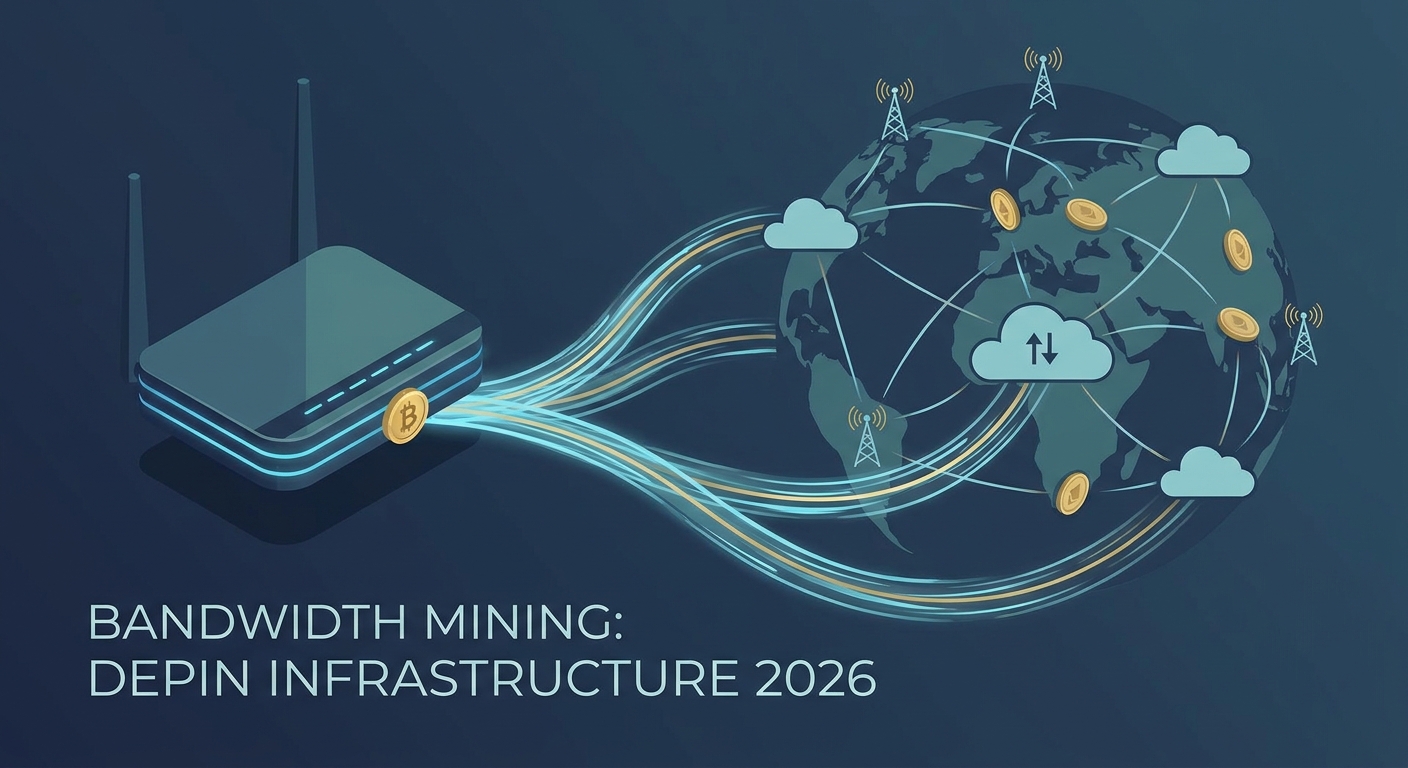
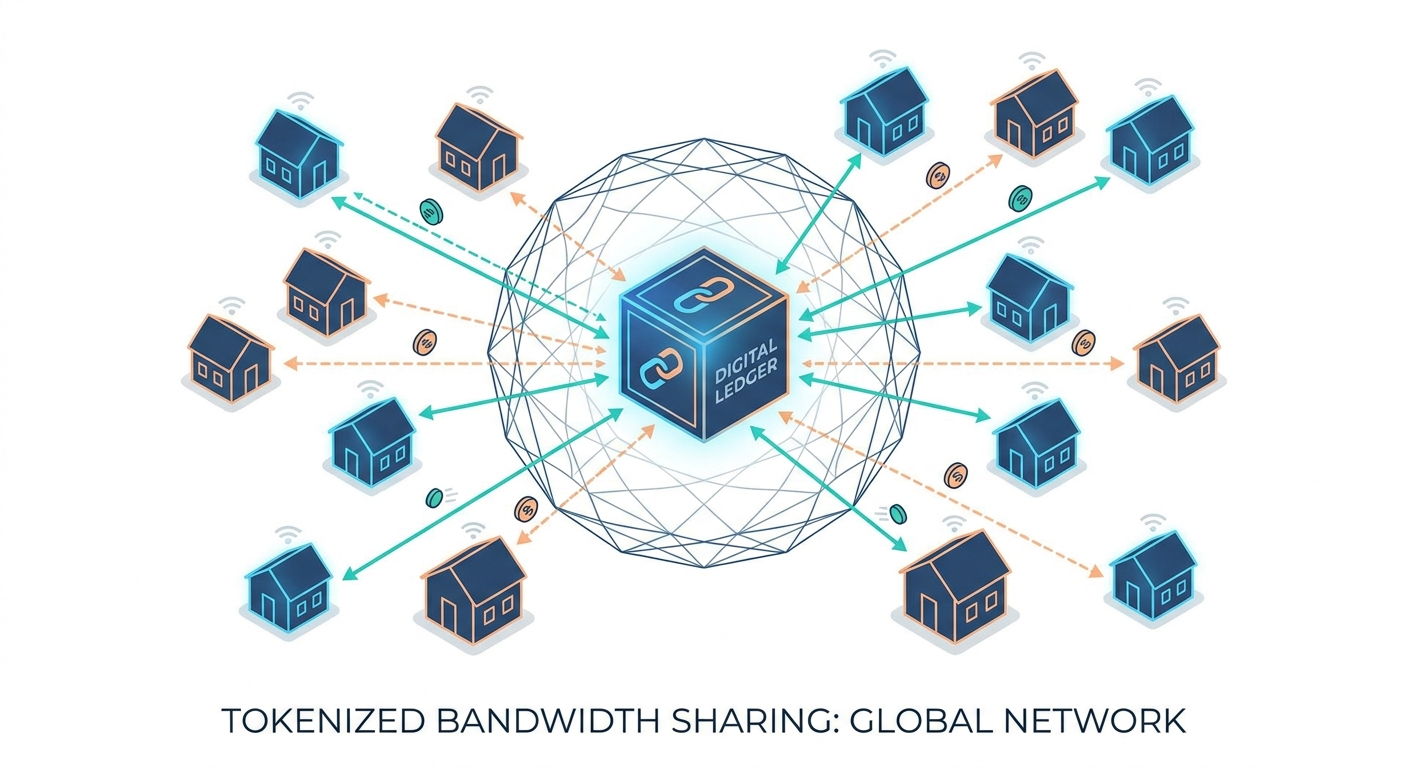
In a p2p bandwidth network, just owning a box isn't enough because an attacker could still try to report fake traffic stats. To stop this, most depin protocols require a "stake"—locking up a certain amount of native tokens before you can even route a single packet.
This creates a financial deterrent. If the network’s audit mechanism catches a node dropping packets or spoofing throughput, that stake gets "slashed" (permanently taken away). It’s a brutal but effective balancer.
- The Bonding Curve: New nodes might start with a smaller stake, but they earn less. As they prove reliability, they can "bond" more tokens to unlock higher reward tiers.
- Economic Barrier: By setting a minimum stake, you make it so spinning up 10,000 fake dvpn nodes requires millions of dollars in capital, not just a clever script.
- Slashing Logic: It isn't just about being offline. Slashing usually triggers when there’s proof of malicious intent, like modified headers or inconsistent latency reports.
Since we want to avoid a "pay-to-win" system where only rich whales run nodes, we use reputation. Think of it as a credit score for your router. A node that’s been providing clean, high-speed tunnels for six months is more trustworthy than a brand-new one with a massive stake.
We’re seeing more projects use Zero-Knowledge Proofs (zkps) here. A node can prove it handled a specific amount of encrypted traffic without actually revealing what was inside those packets. This keeps the user’s privacy intact while giving the network a verifiable receipt of work.

As mentioned earlier by ChainScore Labs, making the cost-of-corruption higher than the potential rewards is the only way these networks survive. If it costs $10 to fake a $1 reward, the bots eventually go home.
- Staked Routing (e.g., Sentinel or Mysterium): Node operators lock tokens that get burned if they're caught performing dpi on user traffic or faking bandwidth logs.
- ZK-Verification (e.g., Polybase or Aleo): Nodes send a proof to the chain that they performed a specific task without leaking the raw data, which prevents simple "replay" attacks where a bot just copies an old successful transaction.
Honestly, balancing these barriers is tricky—if the stake is too high, regular people can't join; if it's too low, the sybils win. Next, we’ll look at how we use location math to verify these nodes are actually where they claim to be.
Proof of location and spatial verification
Ever tried to trick your phone's gps to catch a rare Pokemon from your couch? It’s fun until you realize that same $0.01 spoofing trick is how attackers are absolutely wrecking depin networks today. If a dvpn node claims it's in a high-demand area like Turkey or China to farm better rewards, but it’s actually sitting in a data center in Virginia, the whole "censorship-resistant" promise falls apart.
Most devices rely on basic GNSS signals which are, honestly, incredibly easy to fake with a cheap software-defined radio. When we talk about a p2p network, location isn't just a metadata tag; it's the product.
- Easy Spoofing: As mentioned earlier by ChainScore Labs, a software kit costing less than a hundred bucks can simulate a "moving" node across an entire city.
- Exit Node Integrity: If a node's location is faked, it's often part of a centralized sybil cluster designed to intercept data. You think you're exiting in London, but you're actually being routed through a malicious server in a data center where your traffic is being logged.
- Neighbor Validation: High-end protocols now use "witnessing," where nearby nodes report the signal strength (RSSI) of their peers to triangulate a real position.
To fight this, we're moving toward "Proof-of-Physics." We don't just ask the device where it is; we challenge it to prove its distance using signal latency.
- RF Time-of-Flight: By measuring exactly how long a radio packet takes to travel between two points, the network can calculate distance with sub-meter accuracy that software can't fake.
- Immutable Logs: Every location check-in gets hashed into a tamper-proof trail, making it impossible for a node to "teleport" across the map without triggering a slashing event.

Honestly, without these spatial checks, you're just building a centralized cloud with extra steps. Next, we'll look at how we tie all these technical layers together into a final security framework.
The future of sybil resistance in decentralized internet
So, we’ve looked at the hardware and the money, but where is this all actually going? If we don't fix the "truth" problem, decentralized internet is just a fancy way to buy fake data from a bot in a server farm.
The shift we're seeing isn't just about better encryption; it's about making the "market for truth" more profitable than the market for lies. Right now, most depin projects are in a cat-and-mouse game with sybils, but the future is about automated, high-fidelity verification that doesn't need a human middleman.
- zkML Integration: We're starting to see zero-knowledge Machine Learning (zkML) used to flag fraud. Instead of a dev manually banning accounts, an ai model analyzes packet timing and signal metadata to prove a node is "human-like" without ever seeing the actual private data.
- Service-Level Verification: Future decentralized isp alternatives won't just pay for "uptime." They’ll use smart contracts to verify throughput via tiny, recursive cryptographic challenges that are impossible to solve without actually moving the data.
- Reputation Portability: Imagine your reliability score on a bandwidth network carrying over to a decentralized storage or energy grid. It makes the "cost of being a jerk" way too high because one sybil attack ruins your entire web3 identity.

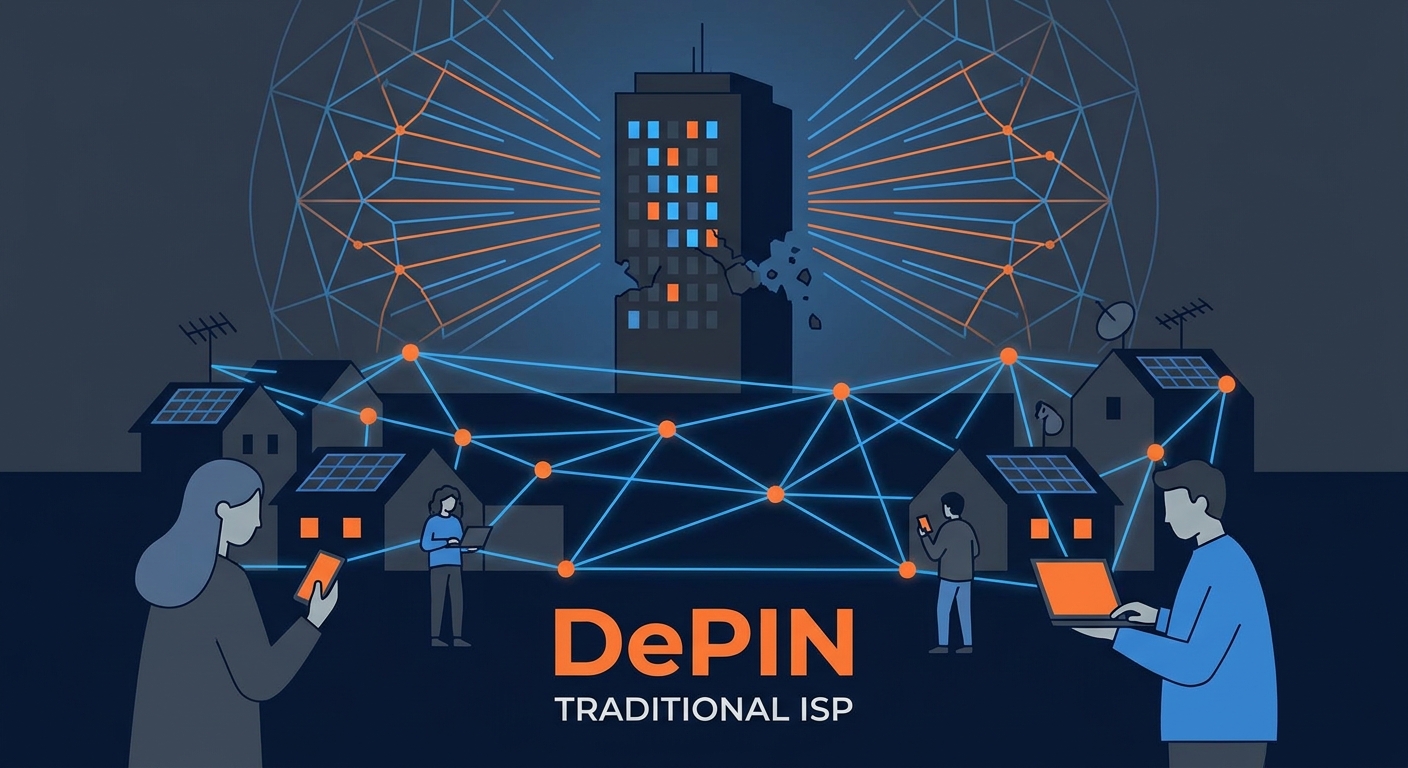
Honestly, the goal is a system where a decentralized vpn is actually safer than a corporate one because the security is baked into the physics of the network, not a legal terms-of-service page. As the tech matures, faking a node will eventually cost more than just buying the bandwidth honestly. That’s the only way we get to a truly free internet that actually works.