Residential Proxy Monetization in DePIN Ecosystems
TL;DR
The Evolution of Internet Sharing and DePIN
Ever wondered why your home internet connection is suddenly worth more than just Netflix marathons? It is because we're moving from a world where big tech owns the wires to one where you actually get paid for your uptime.
Decentralized Physical Infrastructure Networks (DePIN) is a fancy way of saying we're building real-world stuff—like wireless networks or maps—using blockchain to coordinate it all. Instead of a single company like Google or Amazon owning every server, the hardware sits in your living room or car.
- Physical meets Digital: Blockchain isn't just for "magical internet money" anymore; it’s being used to manage actual hardware assets.
- Crowdsourced Scaling: According to DePIN Beta Tester, the DePIN market cap hit $34.3 billion in late 2024, growing 400% in just a year. (Messari Unveils 4 New DePin Sectors Amid 400% Growth)
- Incentive Layers: You run a node, you provide a service (like storage or bandwidth), and you earn tokens. Simple.

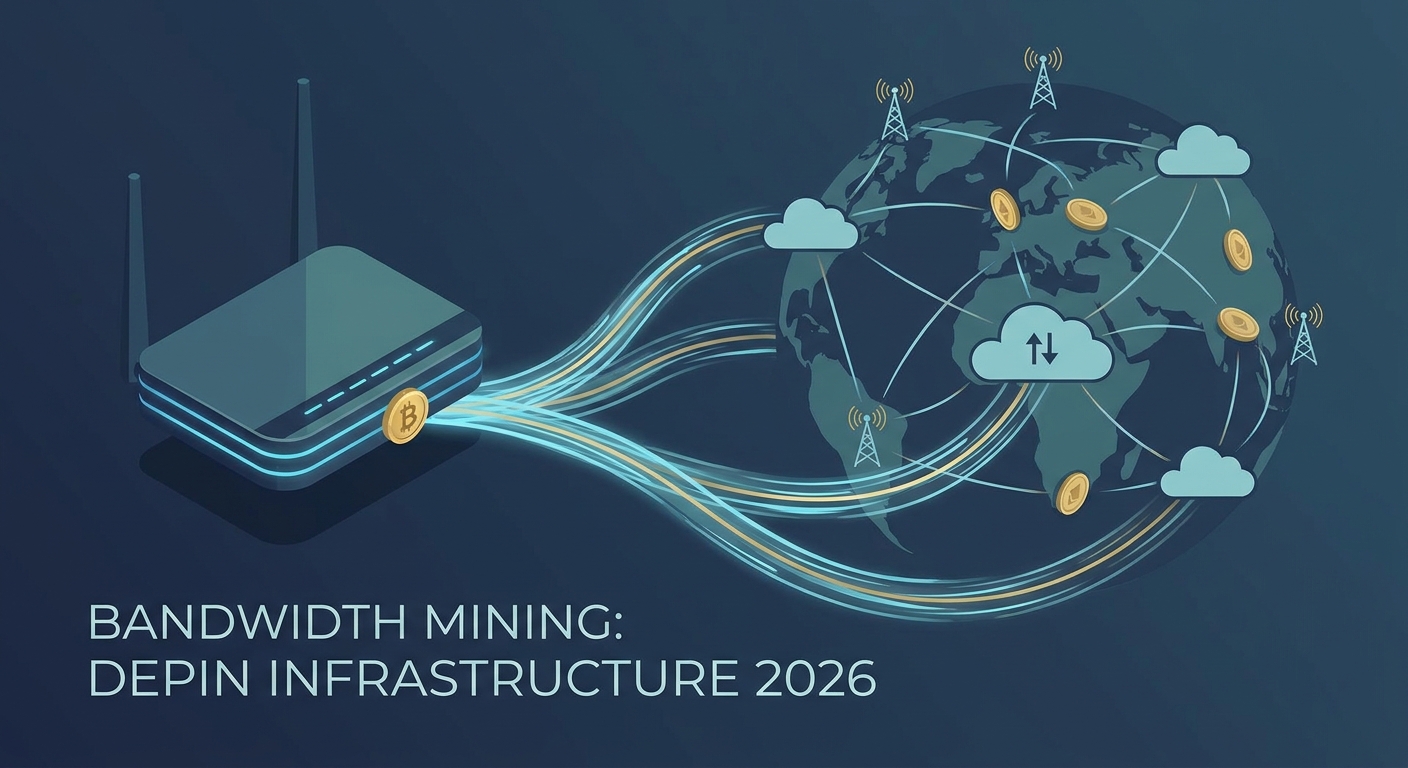
Think of your unused upload speed like a spare bedroom. You aren't using it 24/7, so why not rent it out? This is where the residential proxy comes in. Companies need "clean" ip addresses from real homes to do things like web scraping or training ai models without getting blocked by data centers.
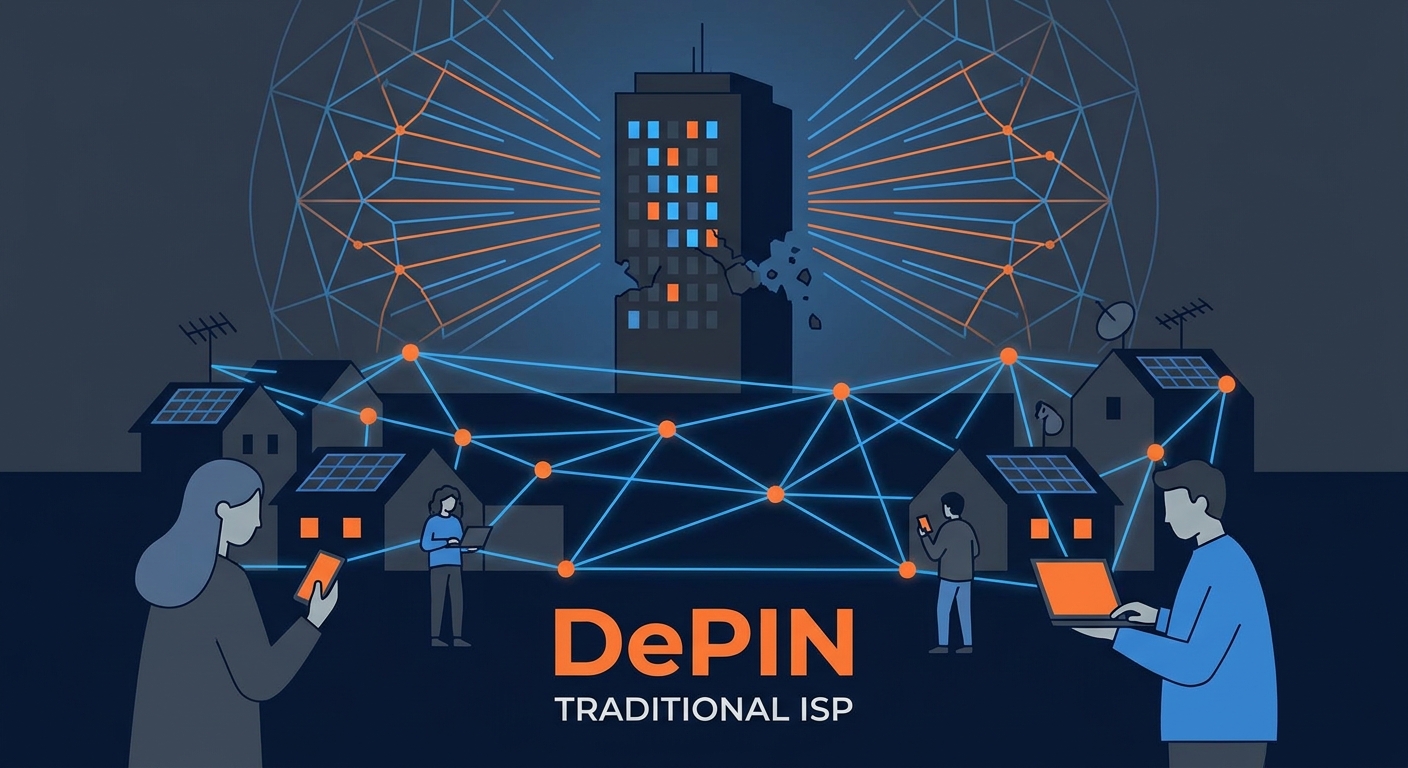
Projects like Grass are literally letting people monetize their extra bandwidth to help index the web for ai. It’s a massive shift from centralized isp control to a p2p economy where you’re the provider.
Honestly, it's about time we stopped letting isp companies double-dip on our data. Next, let's look at how this actually works under the hood.
How Residential Proxy Monetization Works
So, you've got this internet pipe sitting there, mostly idle while you're at work or sleeping. Why let your isp keep all the profit from the infrastructure you're paying for? Residential proxy monetization is basically just turning your home ip into a micro-gateway for the rest of the web.
Getting started usually involves installing a "node" — which is just a lightweight piece of software — on your pc, or sometimes using a dedicated hardware plug-in. This node sits in the background, acting as a relay. When a verified client needs to check how an ad looks in your city or scrape some retail prices, their request hops through your connection.
- Routing and Tunneling: The software creates a secure tunnel (often using protocols like SOCKS5 or encrypted TLS) that masks the end user's identity with your residential IP.
- Uptime is King: Most DePIN protocols, like Grass, track how long your node stays online. If your connection flutters or your latency spikes too high, your "reputation score" drops, and so do your rewards.
- Packet-Level Privacy: Good providers use split-tunneling so the node only touches the "extra" bandwidth, never sniffing your private local traffic or accessing your files.

Instead of a monthly check, you usually earn native crypto tokens. This is where the "Proof of Bandwidth" comes in. To stop people from faking their speed, the network uses decentralized verifiers that send tiny "heartbeat" packets to your node to check you're actually there.
- Earning per Byte: You get paid based on throughput. More data relayed equals more tokens in your wallet.
- Supply and Demand: In a decentralized exchange, if everyone in London turns on a node, the reward rate might dip. But if you're the only node in a small town, your "rare" IP might fetch a premium.
- Passive Scaling: As mentioned earlier by DePIN Beta Tester, the market for these decentralized resources is exploding because it's cheaper for companies than renting massive data centers that get blocked anyway.
It's a pretty elegant way to claw back some value from your monthly internet bill. Next, we should probably talk about what these companies are actually doing with your connection—and if it's actually safe.
Top Projects Leading the Charge
Let’s get into the actual players making this happen. It’s one thing to talk about the theory of packet routing, but seeing how these networks actually handle your data (and pay you for it) is where the rubber meets the road.
If you’ve been hanging around the DePIN space lately, you’ve definitely heard of Grass. They’ve basically branded themselves as the "AI Private Network." The technical side is pretty slick—they use your residential connection to scrape the public web.
- AI Training Grounds: ai models like ChatGPT need massive amounts of data. Grass nodes act as the "eyes" for these models, fetching raw html from sites that usually block data centers.
- The Referral Engine: They’ve grown fast because of a tiered referral system. Early adopters get a "stake" in the network’s future, though right now it’s mostly about accumulating points that eventually turn into tokens.
- Privacy vs. Reality: Grass claims they don't see your personal data. Technically, since they operate at the application layer as a browser extension or a light node, they’re only routing specific web requests. But, as always, you’re trusting their code not to peek at your local dns queries.
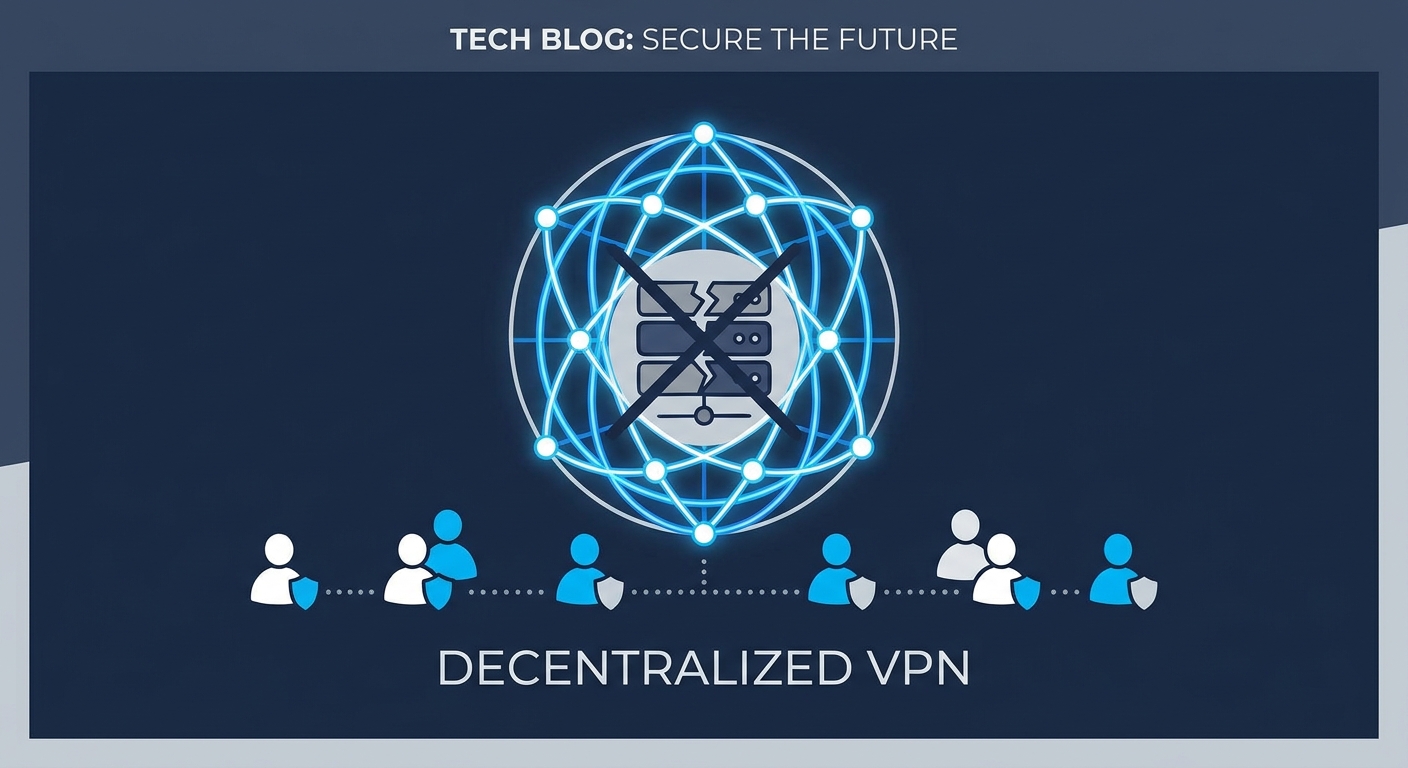
While Grass focuses on data scraping, projects like Sentinel and Mysterium are building true decentralized vpn (dvpn) services. This is a different beast entirely because it's about p2p privacy, not just web indexing.
Other big names include DIMO, which lets you monetize your car's data, and Soarchain, which is building a decentralized network for vehicle-to-everything communication. These are huge for the "physical" side of the DePIN ecosystem.
- Node-Based Tunneling: In a traditional VPN, you trust a company like Nord or Express. In a dvpn, you’re connecting to a node run by a guy named Dave in Berlin. The encryption happens via WireGuard or OpenVPN protocols, but the exit point is a residential IP.
- Censorship Resistance: Because these nodes are scattered across thousands of home isps, it’s nearly impossible for governments to block the entire network. If one node goes down, the dVPN client just hops to another peer.
- Sentinel’s Architecture: Sentinel uses a hub-and-spoke model on the Cosmos ecosystem. It’s built for "unblockable" access, which is huge in regions with heavy isp surveillance.
As previously discussed by DePIN Beta Tester, these projects are part of a market that's grown 400% year-over-year. It's not just a hobby anymore; it's a $34 billion infrastructure shift.

Honestly, the difference between a proxy and a full dvpn comes down to the OSI layer. Proxies are usually just for web traffic (Layer 7), while a dvpn tunnels everything at the network layer (Layer 3). Both are cool, but they serve different masters. Next, we should look at the actual risks of letting strangers use your ip.
Risks and Security in the DePIN Space
Let's be real—handing over your home IP to a decentralized network isn't exactly like sharing a Netflix password. You're basically opening a digital back door, and if you aren't careful about the tunneling protocols, things can get messy fast.
The biggest headache is attribution. If a "client" on the DePIN network uses your connection to do something shady—like hitting a government site or scraping a restricted database—the request looks like it came from your living room. To mitigate this, you need to ensure the protocol uses robust encryption at the transport layer.
- IP Reputation Risks: While these networks aim to be "clean," heavy usage by the network can lead to your residential IP being flagged. You might find yourself solving endless captchas just to buy shoes online—it's a trade-off for the rewards.
- VPN Layering: A solid move is using a traditional service like SquirrelVPN on your main devices. Crucially, you must use split-tunneling to exclude the DePIN node from the VPN tunnel, or run the node on a separate hardware device. If the node goes through your VPN, it loses its "Residential IP" status and you won't earn anything.
- Exit Node Validation: Top-tier projects now use "verifiers" to sniff out malicious actors before their packets even hit your home router.
We're seeing a shift toward more advanced network architecture to protect providers. Some projects are experimenting with Zero-Knowledge Proofs (ZKP) to prove a packet is "safe" without the node actually seeing the unencrypted payload. It’s all about limiting what the DePIN protocol can actually touch.
- SOCKS5 vs. WireGuard: While SOCKS5 is common for simple proxies, WireGuard offers much better performance and state-of-the-art cryptography for full dvpn tunnels.
- Traffic Isolation: Always run your node on a separate vlan if your router supports it; this keeps a compromised node from "seeing" your smart fridge or laptop.
- Automated Kill-Switches: If the encrypted tunnel drops, the software should instantly kill the connection so your raw isp data doesn't leak.
Honestly, as mentioned earlier by DePIN Beta Tester, the market is growing so fast that security is sometimes an afterthought. You've gotta be your own network admin here. Next, we'll dive into how to actually maximize those token rewards without blowing up your bandwidth.
The Economics of a Tokenized Network
Ever thought about how your isp charges you for a "unlimited" connection but then caps your upload or throttles you when you actually use it? It's a total racket, but the tokenomics of DePIN are finally flipping the script by turning bandwidth into a liquid asset.
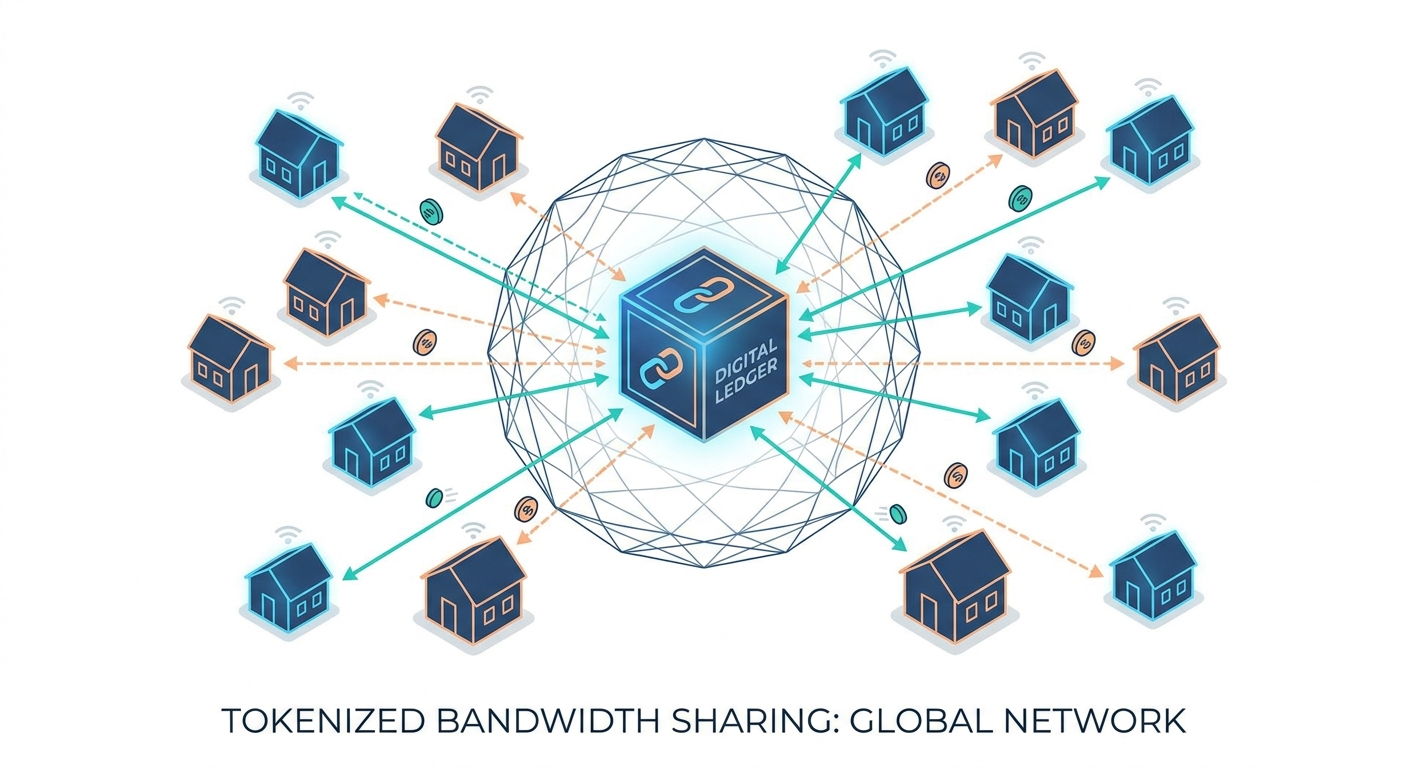
Most of these networks don't just hand out tokens for free. To keep the network secure and prevent sybil attacks—where one guy pretends to be a thousand nodes—you often have to stake the native token. This "skin in the game" ensures you aren't just running a laggy node that drops packets.
Many projects use a Burn-and-Mint Equilibrium (BME). In this model, customers buy credits by burning the network's native tokens, which creates deflationary pressure. On the other side, the protocol mints new tokens to reward providers regardless of price fluctuations. This ensures there is always an incentive for people to keep their hardware online, keeping the network stable even when the market is shaky.

We're seeing a massive shift where community-owned mesh networks are starting to compete with local monopolies. Instead of paying $100 a month to a giant corp, businesses can tap into p2p bandwidth exchanges.
- Healthcare Data Privacy: Hospitals can use decentralized tunnels to move patient records between branches without relying on a single centralized cloud provider that might be a honey pot for hackers.
- Retail Web Scraping: Large retailers use these networks to monitor competitor pricing globally without getting their data center ips blacklisted.
- Cost Efficiency: By cutting out the middleman, companies can reduce their network overhead by 30-50% while you get a cut of the action.
Honestly, as previously discussed, this massive market shift is just the start. If the routing protocols stay secure, your router might just pay for its own electricity soon. Next, we'll wrap this all up and see if DePIN is actually the future or just another crypto cycle.
Future Outlook and Final Thoughts
So, is turning your home router into a mini data center actually worth the hassle, or is it just another crypto pipe dream? Honestly, the shift toward DePIN feels like the first time we’re actually clawing back some power from isps who’ve been overcharging us for years.
We’re heading toward a hybrid future where you don’t have to choose between speed and privacy. Future stacks will likely use a mix of centralized "warm" nodes for heavy 4K streaming and decentralized residential hops for sensitive tasks like bypassing aggressive geo-blocks or avoiding isp deep packet inspection.
- 5G and IoT Synergy: As more people grab 5G home internet, the "bandwidth pool" is gonna explode. Imagine your smart fridge or car—like the DIMO or Soarchain setups mentioned earlier—earning its own "keep" by routing tiny encrypted packets while you sleep.
- Enterprise-Grade Privacy: We’re seeing more interest from the finance and healthcare sectors. They need to move data without leaving a massive footprint on a single corporate server, making p2p mesh networks a legit architectural choice.
- The Electricity Factor: Most of these "light nodes" (like Grass) run as browser extensions or on low-power raspberry pi units. If the token value holds, the "mining" cost is basically pennies compared to the rewards.

The explosive growth cited by the DePIN Beta Tester earlier shows this isn't just a niche hobby anymore. It’s a full-blown infrastructure flip that is changing how we think about hardware ownership. Just make sure you’re keeping an eye on your routing logs—staying secure is your job now, not the isp's.