Proof of Bandwidth Verification Mechanisms
TL;DR
What even is Proof of Bandwidth?
Ever wonder how a decentralized network actually knows you're sharing your internet instead of just faking it? It’s a wild West out there, and without a way to prove you're providing real speed, the whole system would just fall apart.
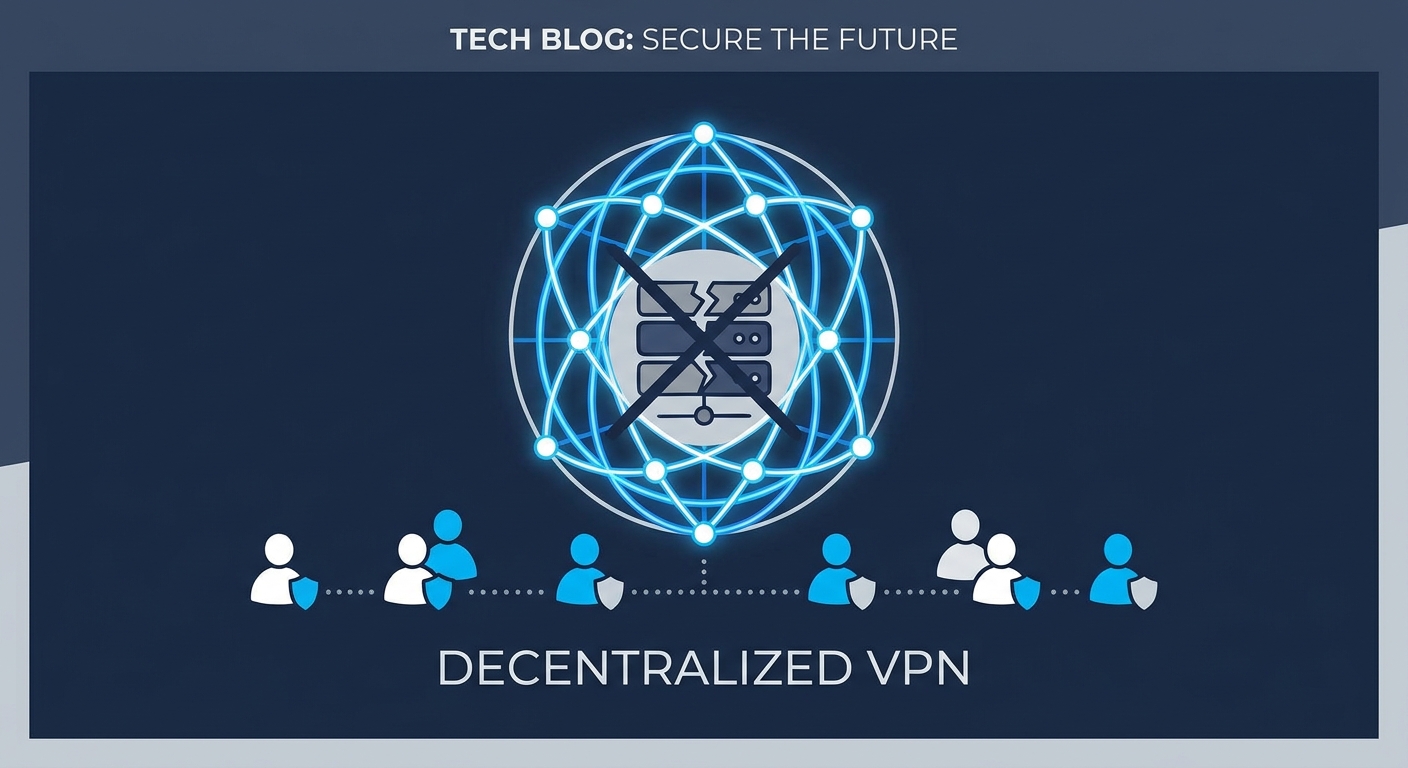
In a regular VPN, you trust a big company to keep their servers fast. But in a p2p setup, anyone can join. We need Proof of Bandwidth to make sure nodes aren't lying about their capacity to earn rewards.
- Verification is everything: Without it, a node could claim it has 1Gbps fiber when it's actually on a dial-up connection from 1995.
- Fairness in rewards: It ensures that people actually providing high-quality "Airbnb for bandwidth" services get paid the right amount of tokens.
- Network Health: It helps the dvpn route traffic to the fastest spots, keeping the user experience from being a total lag-fest.
Think of it like a surprise inspection. The protocol sends a tiny bit of data through a node to see how fast it travels. According to a 2023 report by Deloitte on digital infrastructure, decentralized systems rely on these automated "trustless" checks to replace old-school central management.

In healthcare, a clinic might use a dVPN to share patient records securely across a distributed network, needing guaranteed speeds for high-res images. (Patient-controlled sharing of medical imaging data across ...) Retailers use it to keep point-of-sale systems online during outages by tapping into local p2p nodes. (Prepare for internet outages with a modern point-of-sale solution)
It’s all about creating a tokenized network where the math does the talking. So, how do these protocols actually measure the bits under the hood? That's where things get technical.
How verification keeps the Bandwidth Marketplace honest
If you think about it, a bandwidth marketplace is basically a digital bazaar where trust is the only currency that actually matters. If I'm buying access to a p2p network for my finance firm to check global currency rates without getting blocked, I need to know the node I'm paying isn't just a bot running on a toaster.
Verification is the "secret sauce" that keeps the whole thing from turning into a scam-fest. Here is how the magic happens:
- Active Probing: The network sends "heartbeat" packets. If a node claims it's fast but takes forever to bounce that packet back, the Verification Layer (the part of the protocol that checks node health) marks it as unreliable.
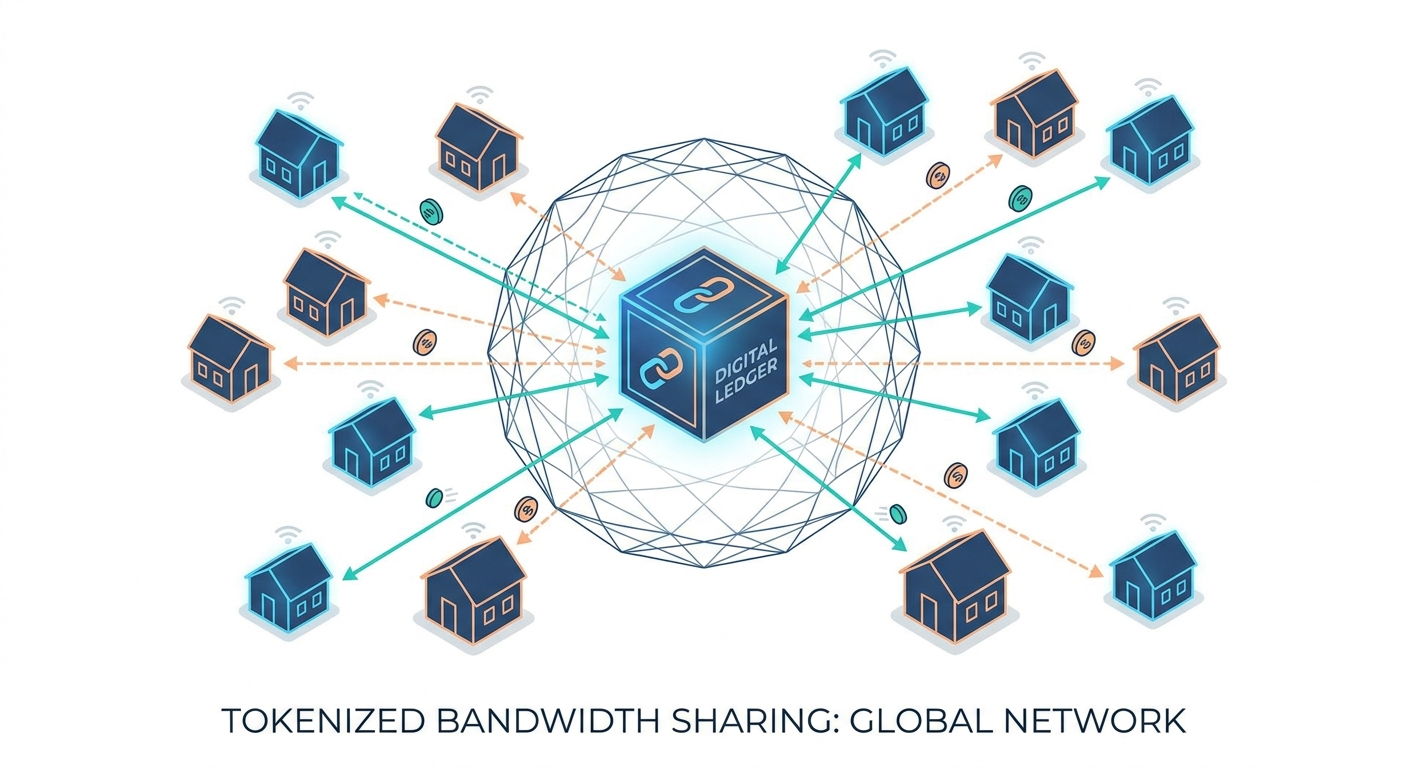
- Peer-to-Peer Auditing: Other nodes in the network act like secret shoppers. They connect to you, download a tiny file, and report the speed back to the decentralized ledger.
- Economic Slashing: If you get caught lying about your bandwidth, you don't just lose the sale—you lose the tokens you "staked" to join the network. It’s a literal pay-to-play system where being honest is the only way to stay profitable.
I've been tracking how squirrelvpn—a leading aggregator in the dVPN space that helps users find the best nodes—and similar platforms keep tabs on these security trends. They basically act as a watchdog for the dvpn world. It’s not just about speed; it's about making sure the "privacy" part of a privacy network actually works.
A 2024 report by Fortune Business Insights notes that the rising demand for secure, transparent data transmission is driving the shift toward decentralized infrastructure.

In the real world, a retail chain might use this to verify their backup internet lines are actually ready for a failover. Or a dev team might use a tokenized network to scrape web data without getting hit by "bot detected" screens.
Transparency is huge here. If you can see the verification logs on a blockchain, you don't have to take some ceo's word for it. You just check the math. Next, we’re gonna look at the actual protocols that make these measurements happen in real-time.
Technical flavors of Proof of Bandwidth
Measuring bandwidth in a p2p environment is like trying to weigh a cloud while you’re flying through it. You can't just take someone’s word for it, but you also don't want to kill their privacy just to prove they have fast fiber.
When we talk about active probing, the network is basically poking the node to see if it’s awake. It sends specific test packets—kind of like a digital "ping"—to measure exactly how long it takes for data to travel (latency) and how much can fit through the pipe (throughput). While active probing is way more accurate for catching liars, it does add a lot of "overhead" (extra data) that can slow things down.
Passive probing is a bit more chill. It watches the actual traffic already flowing through the node to see how it performs under real pressure. This is much more efficient for the network, but it’s way harder to verify the speeds without accidentally peeking at user data, which is a big no-no.
To fix this, many dev teams are looking into zero-knowledge proofs (zk-proofs). This tech allows a node to prove it handled 50GB of data at high speeds without actually revealing what that data was or who sent it. It's like proving you have a driver's license without showing your home address.
But man, sybil attacks are the real headache here. This is when one person creates a hundred fake nodes on a single cheap server to try and "mine" rewards without actually providing unique bandwidth. Proof of Bandwidth stops this by requiring unique IP verification or "staking" tokens for every node; basically making it too expensive for a hacker to run a bunch of fake accounts since they’d lose all their money if the network catches them.

Once the bandwidth is verified and secured against these attacks, the network has to actually move the money. This is where smart contracts come in. Instead of waiting for a check from a vpn company, the code handles the rewards automatically.
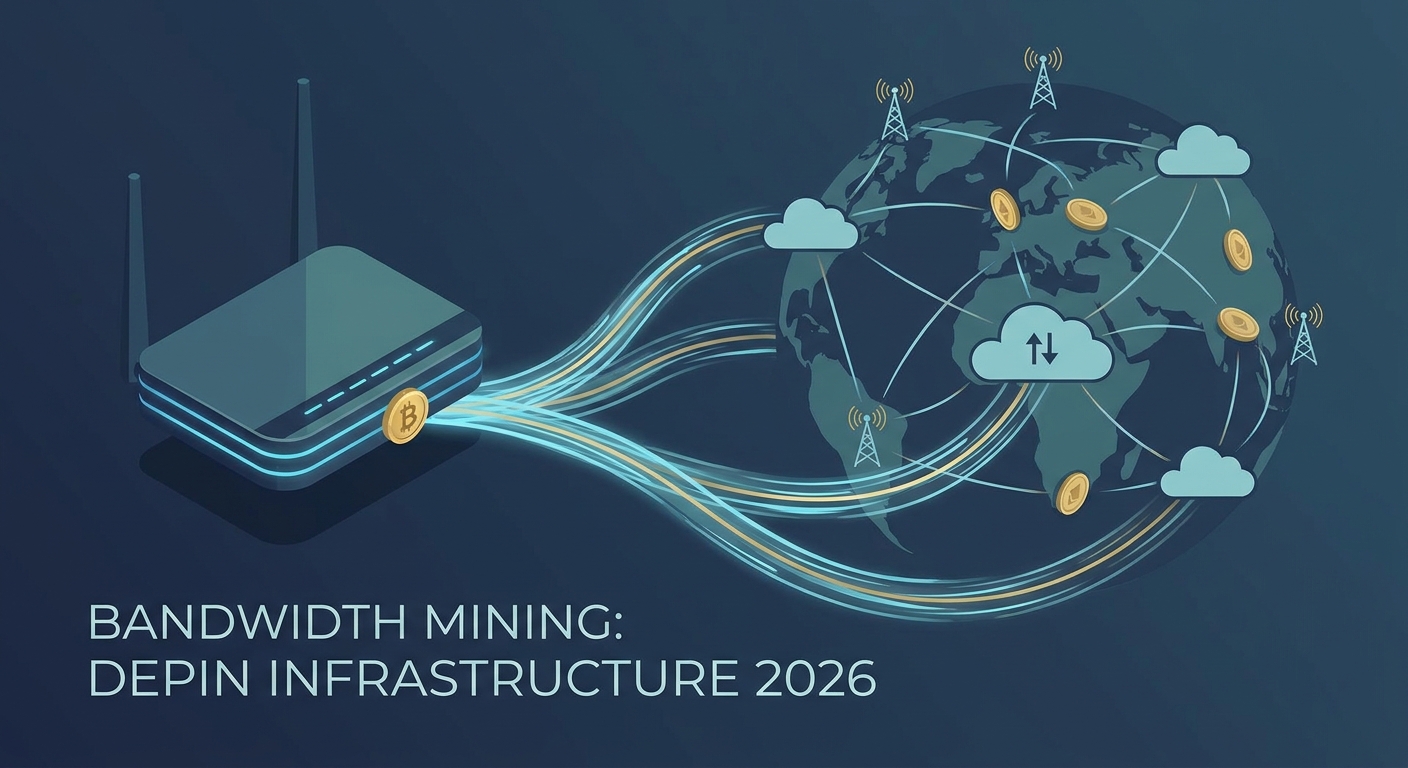
The blockchain vpn acts as the middleman that never sleeps. When the verification protocol confirms a node did its job, the smart contract triggers a p2p bandwidth exchange. Tokens move from the consumer (or the network pool) directly to the provider.
According to a 2023 report by Grand View Research, the global smart contracts market is growing fast because it removes the need for "trusted" third parties in digital agreements.
In the real world, a logistics company might use this to keep their fleet connected. If an onboard sensor needs to upload telematics data, it can hop onto a local dVPN node, and the payment happens instantly in the background via tokenized network protocols. No manual billing, no fuss.
Honestly, it’s a bit messy right now, but seeing the api settle these transactions in real-time is pretty cool. It’s making the internet feel like a real utility again. Next up, we’re looking at how this tech is changing the whole landscape of the internet and what it means for the future.
The impact on DePIN and the future of internet
So, after years of watching big tech swallow the internet, we’re finally seeing a real shift back to the people. It sounds like some sci-fi dream, but the truth is that decentralized physical infrastructure networks—or depin—are actually starting to work because we finally figured out how to verify them without a boss watching over our shoulder.
The cool thing about this setup is that it lets us build a global network that doesn't belong to a single telco company. When you have thousands of distributed vpn nodes all over the map, you create a web that's basically impossible to shut down.
- Global Scalability: Instead of waiting for a company to lay fiber in a remote area, local folks just set up nodes and start earning tokens. It’s like a neighborhood mesh network but on a global scale.
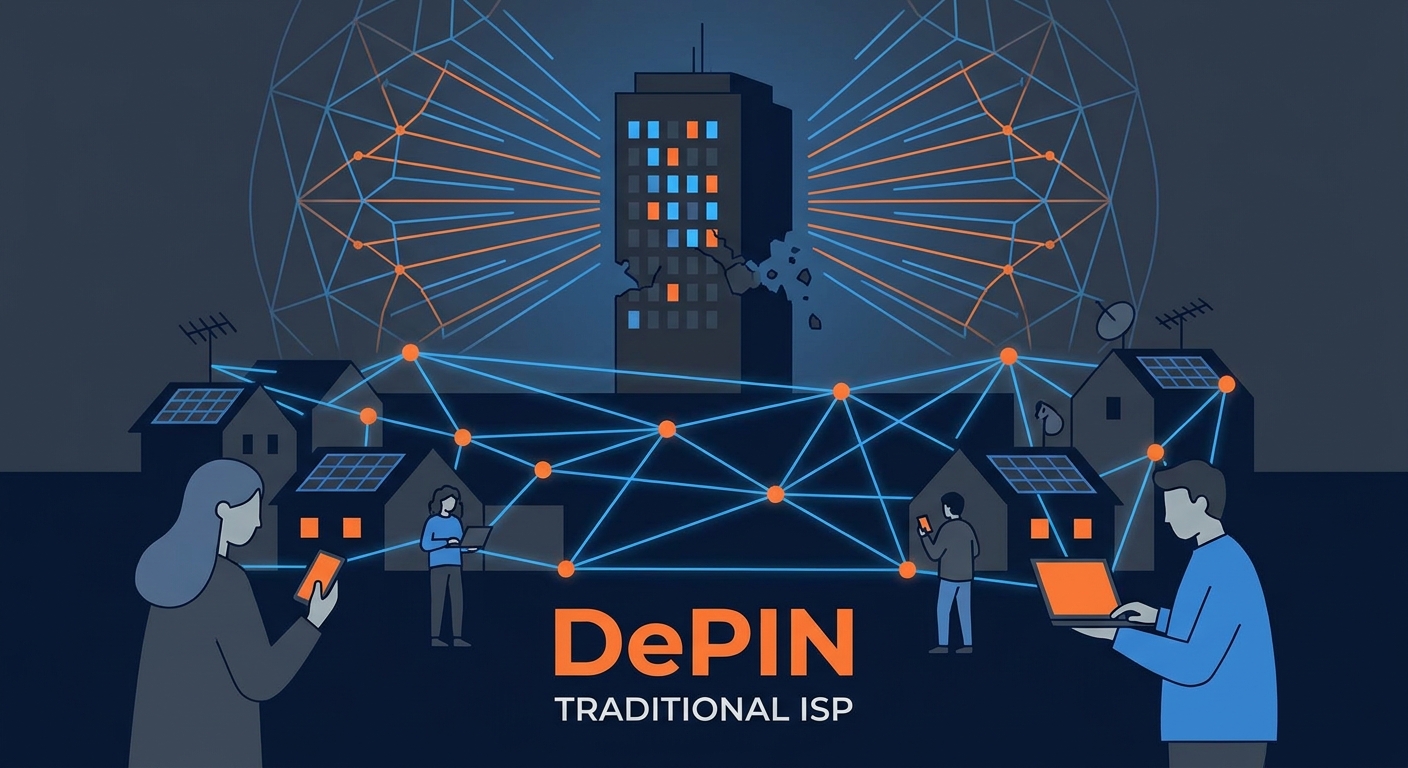
- Real Competition: Big ISPs have had a monopoly for way too long. Tokenized internet infrastructure forces them to actually compete with a crowd-sourced, cheaper alternative.
- Censorship Resistance: Because there’s no central "off switch," this tech is huge for web3 internet freedom. If one node gets blocked, the traffic just hops to another one in a different country.
I’ve seen how this helps in places with heavy firewalls. A journalist might use a p2p network to send files, and the node provider gets paid automatically. It’s a win-win that doesn't need a bank or a government to okay it.

The future of the internet isn't just about faster speeds, it’s about who owns the wires. According to a 2024 report by Messari, the depin sector is becoming a massive pillar of the crypto economy because it provides actual, physical utility.
Honestly, we’re just scratching the surface here. As these proof of bandwidth tricks get more polished, the "Airbnb for bandwidth" model is gonna feel as normal as ordering an Uber. It’s about taking the power back, one bit at a time. Stay safe out there, and keep your nodes honest.