Edge Computing Integration in Distributed VPN Node Clusters
TL;DR
Introduction to Edge Computing in the dVPN World
Ever wondered why your vpn sometimes feels like it's dragging through mud? It’s usually because your data is traveling thousands of miles to some dusty basement data center before coming back to you. (Ever wonder how your data gets to you? It's a cross-country trip to a ...)
Think of edge computing like having a local corner store instead of driving across the state to a massive warehouse. We're moving the heavy lifting away from those giant "hyperscalers" and putting it right at the "edge" of the network—basically, closer to where you actually sit.
- Latency Killer: By processing data physically near the user, we cut down those annoying delays.
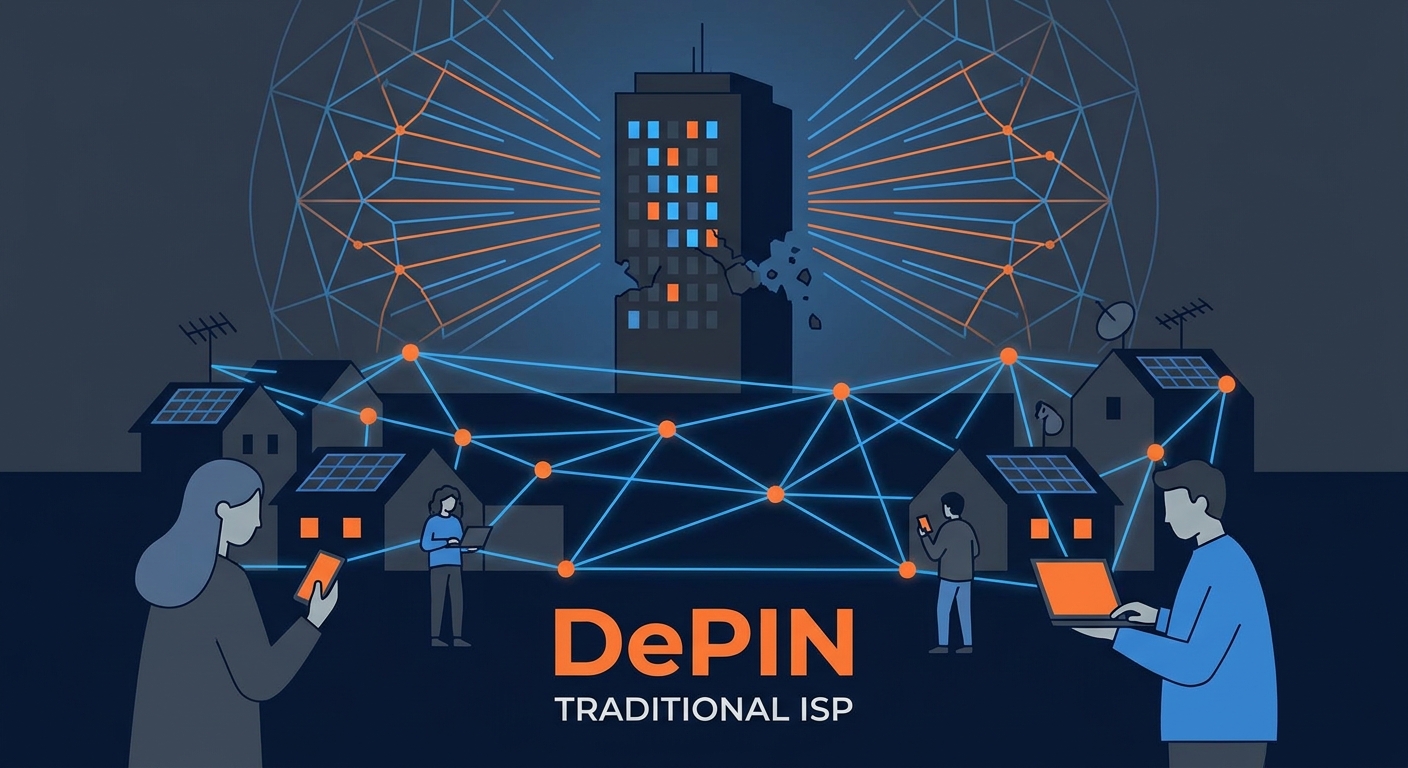
- DePIN Power: This fits perfectly into Decentralized Physical Infrastructure Networks (DePIN), which is just a fancy way of saying regular folks provide the hardware instead of big corporations.
- Local Smarts: According to IBM, edge clusters allow retailers to pull recalled products from shelves instantly by syncing local cameras and POS systems. Just as retail uses the edge for speed, dVPNs use it for localized encryption and routing so your data doesn't have to travel far to get protected.

Old-school vpn setups rely on single, overworked servers. If that one server in New York hits 100% load, everyone's Netflix starts buffering. (TV show or movie loads slowly or keeps buffering - Netflix Help Center) In a p2p network economy, we use clusters of nodes instead. It’s way more reliable because if one node drops, the others in the cluster pick up the slack. (A Distributed Node Clustering Mechanism in P2P Networks)
Edge Network points out that this distributed approach is actually 50% greener too, since it ditches those energy-hungry central hubs. It’s basically the "Airbnb for bandwidth," making the internet faster and a bit more human.
Next up, we'll dig into how these nodes actually talk to each other.
Technical Architecture of Distributed VPN Node Clusters
Think of a node cluster like a group of friends helping you move a heavy couch—if one person trips, the others tighten their grip so the couch doesn't hit the floor. In the world of decentralized networking, we use tools like k3s or microk8s to turn a bunch of small, cheap devices like a raspberry pi or an Intel NUC into a single, powerhouse "edge node."
How Nodes Talk: The Secret Sauce
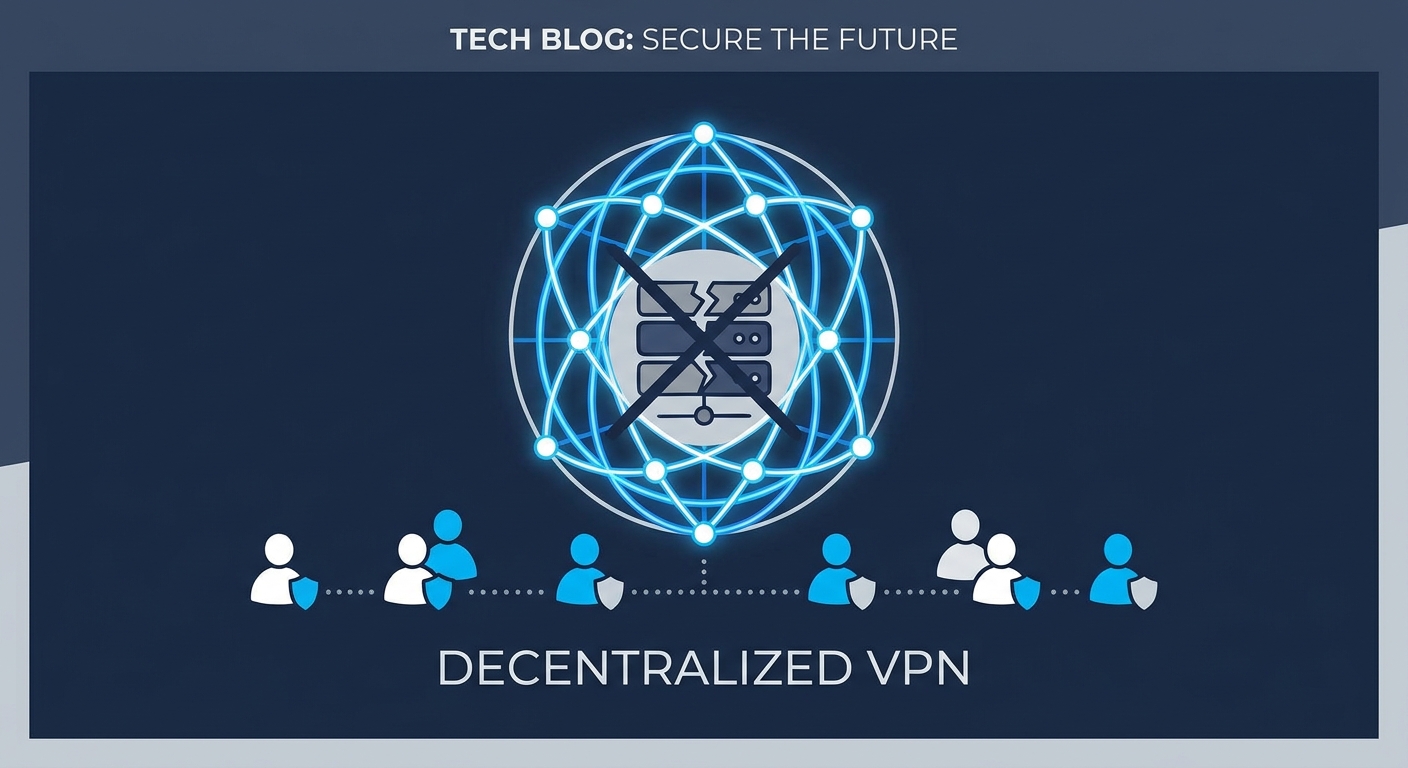
So, how do these random devices find each other without a boss telling them what to do? They use libp2p and Gossip protocols. It's basically like a digital game of "telephone." When a new node joins, it shouts out to its nearest neighbors to introduce itself. These neighbors then pass the message along until the whole network knows where everyone is. This p2p discovery means there's no central phonebook for a hacker to steal or a government to block.
When you connect to a dvpn, you aren't just hitting one lonely server; you're hitting a localized mesh. This is where the magic happens:
- Local Load Balancing: Instead of overwhelming one device, traffic is spread across multiple nodes in your city. If everyone in a neighborhood starts streaming at 8 PM, the cluster balances that load instantly.
- k3s Management: According to IBM, using lightweight kubernetes distributions allows these tiny clusters to act like high-performance data centers, even if they're just tucked away on a retail store shelf.
- Privacy Tunneling: We use p2p protocols that keep your data encrypted and local, so it never has to touch the "big cloud" unless it absolutely has to.

One tricky part is where to put the data. For a vpn to be fast, it needs to handle api requests and security tokens locally. As Red Hat points out, using Cinder (which is just local disk storage) is way better for edge sites than trying to use central object storage like Swift (remote cloud storage), which just adds too much travel time for your data.
"We do not recommend using Swift... because it is only available from the central site," which basically kills the low-latency dream we're chasing here.
By keeping the storage right there with the compute, the vpn can verify your session and route your traffic in milliseconds. It’s all about making the internet feel "snappy" again.
Privacy and Security Benefits of Edge Integration
Ever feel like your data is just one big "honey pot" waiting for a hacker to find the lid? Traditional VPNs are like a giant vault—if someone gets the master key, they get everything.
By spreading the vpn load across edge clusters, we basically delete the target. Instead of one massive server, your traffic is split across a mesh. If one node in a retail store or a home office gets compromised, the rest of the cluster just keeps humming along.
- No Metadata Trails: Since processing happens at the edge, less of your personal "digital breadcrumbs" travel back to a central hub.
- Localized Security: As IBM (as noted earlier) points out, these clusters offer secure communication between all app servers right on the cluster itself.
- Resilient to Attacks: A ddos attack might knock out a node, but it's almost impossible to kill a whole decentralized proxy network.
Edge integration is a nightmare for those trying to block the web. In regions with strict controls, "web3 internet freedom" isn't just a buzzword; it's a lifeline. Edge clusters use obfuscation to make your vpn traffic look like regular Netflix streaming or a zoom call.

Honestly, it’s much harder to block ten thousand raspberry pis in people's basements than one known ip range from a big provider. For more tips on staying under the radar, I always recommend checking SquirrelVPN for the latest privacy guides.
Next, let's see how we actually manage this chaos at scale.
Tokenized Bandwidth and the Mining Incentive
Ever thought about how your computer is basically just sitting there doing nothing while you sleep? It’s a waste of perfectly good hardware, honestly. In a p2p bandwidth marketplace, you can turn that idle connection into a "mining" rig without needing a room full of loud, hot fans.
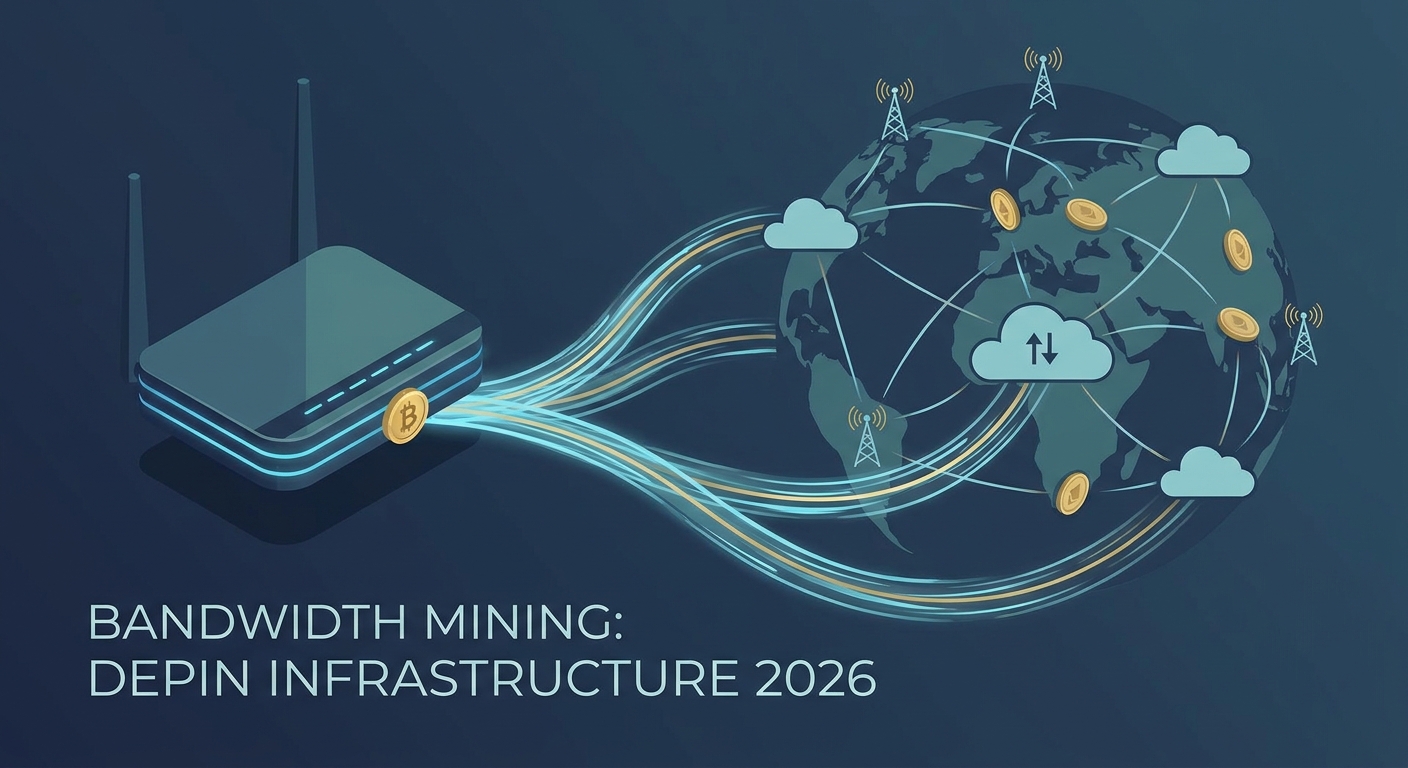
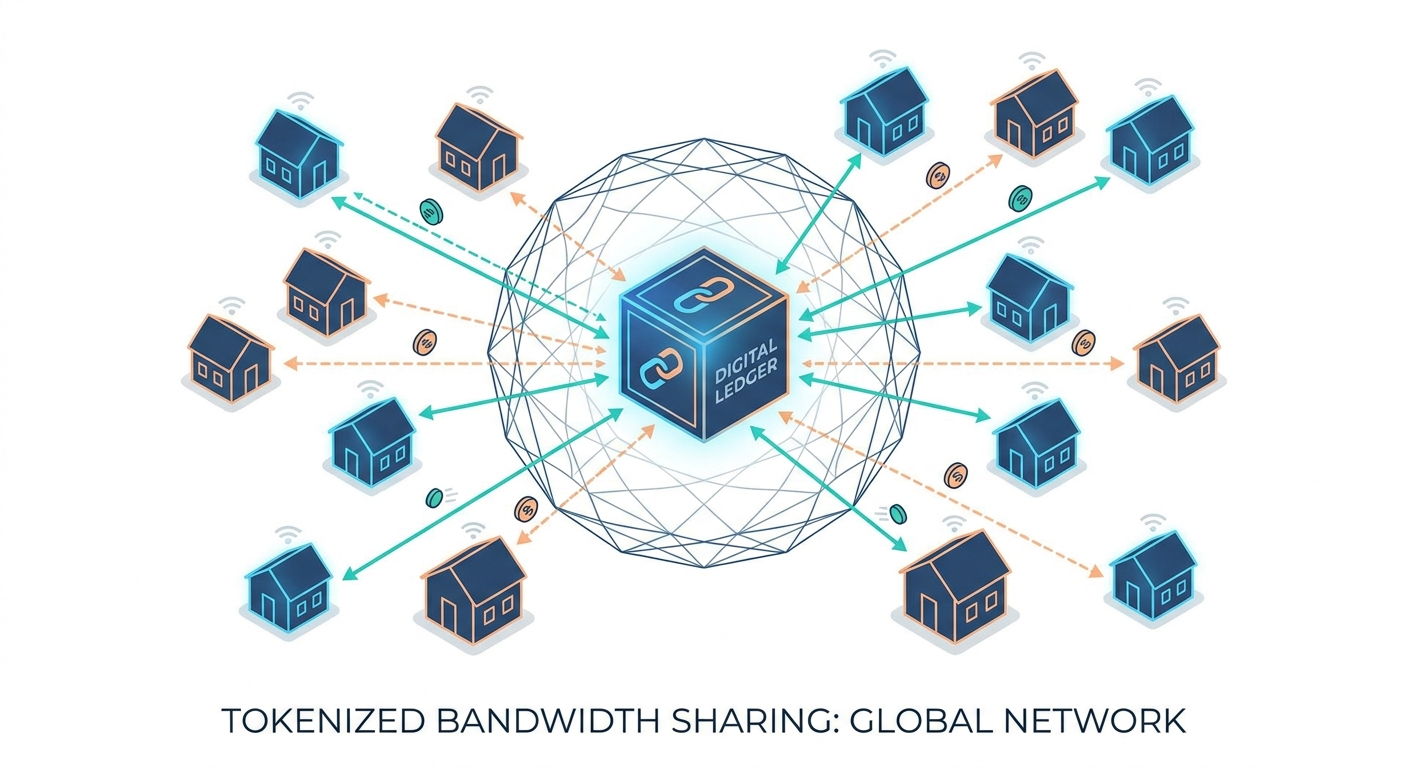
Think of this like renting out a spare room, but instead of a tourist, it's encrypted data packets staying for a millisecond. You share your extra home internet and get paid in crypto. To keep things honest, we use Proof of Bandwidth (PoB).
How Proof of Bandwidth Works
You might wonder, "what stops someone from lying about their speed?" Well, the network uses verifier nodes. These verifiers send "challenge" packets to a provider node to check its throughput. If the provider node can't send the data back fast enough or drops the ball, it doesn't get paid. This prevents "cheating" because you only earn tokens for the actual, verified traffic you move.
- Fair Play: The network constantly pings nodes to verify uptime.
- Tokenized Incentives: Edge Network (as mentioned earlier) shows how this decentralized approach keeps the lights on by rewarding thousands of independent node operators globally.
- Resource Pooling: It turns your home router into a tiny piece of a global web3 internet freedom machine.
Mining isn't just for big data centers anymore. If you have a stable connection, you're basically an ISP now. The more reliable your node, the more you earn. It’s a new asset class where tokenized network resources represent real-world utility.

This p2p economy is growing fast because it's cheaper for everyone. Plus, it’s way harder for a government to block ten thousand home basements than one giant data center.
Management and Challenges of dVPN Clusters
So, we’ve built this amazing mesh of nodes, but let’s be real—distributed systems is a bit of a headache to manage when you're dealing with home-grade hardware. To keep things running, we use orchestration tools like Helm or custom dVPN controllers that act like a conductor for an orchestra, making sure every node knows its part.
The transition to a full p2p bandwidth sharing model isn't without its growing pains. We’re still fighting a few major battles:
- Hardware limits: Most edge devices are low-power. Trying to run heavy encryption on a tiny chip can sometimes throttle your speeds.
- Network Flakiness: People turn off their routers or their isp goes down. Managing thousands of nodes that "blink" in and out of existence requires some serious orchestration.
- Complexity: As mentioned earlier by IBM, setting up k3s clusters on small form factors is powerful, but managing that at a global scale is still pretty complex for the average user.
The future looks like ai taking the wheel. Imagine a network that "feels" a bottleneck in Tokyo and automatically reroutes your traffic through a faster cluster in Osaka before you even notice a lag. With 5G hitting the edge, mobile users will finally get that same low-latency experience.

Honestly, the "Airbnb for bandwidth" is just getting started. It’s about taking back the internet, one tiny node at a time. Stay safe out there!