The Ultimate Guide to Blockchain Bandwidth Monetization: Passive Income Strategies for 2026
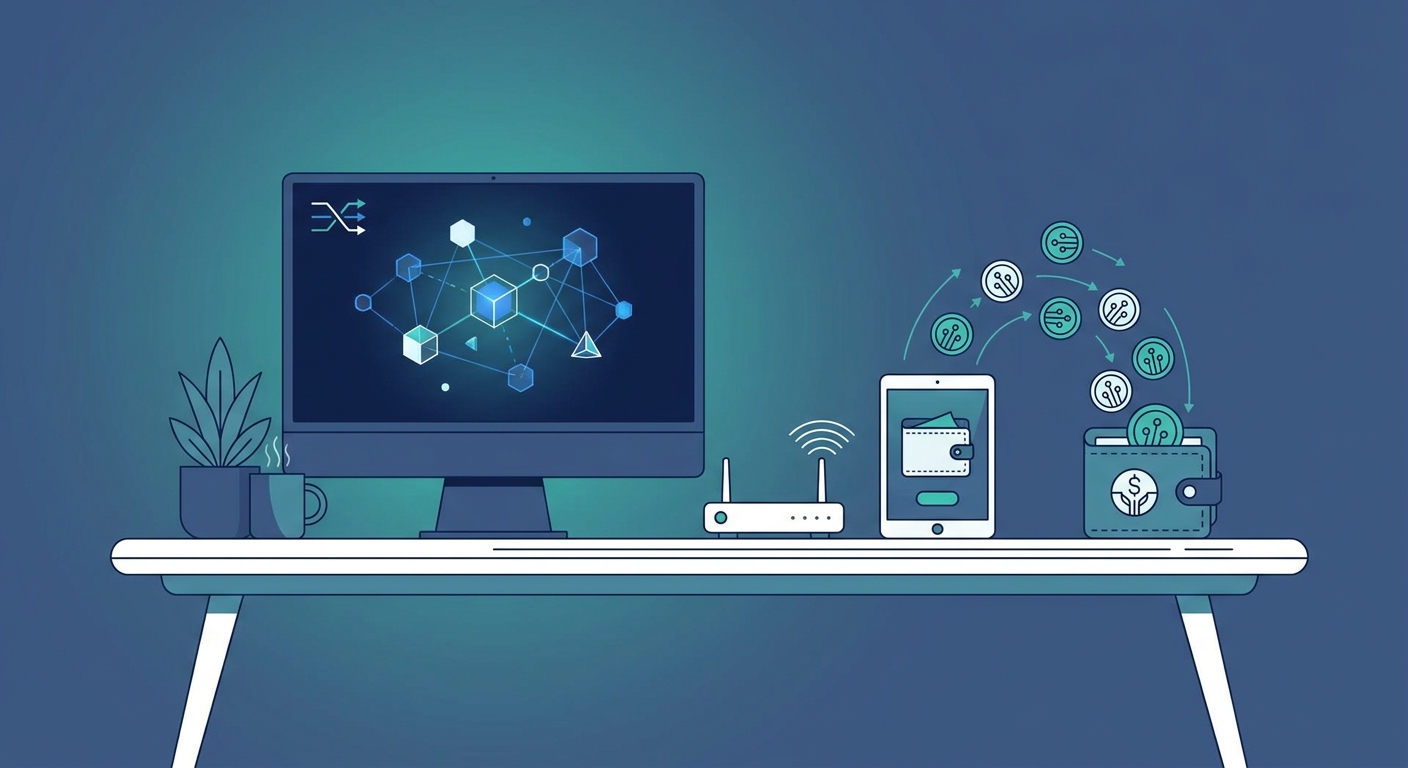
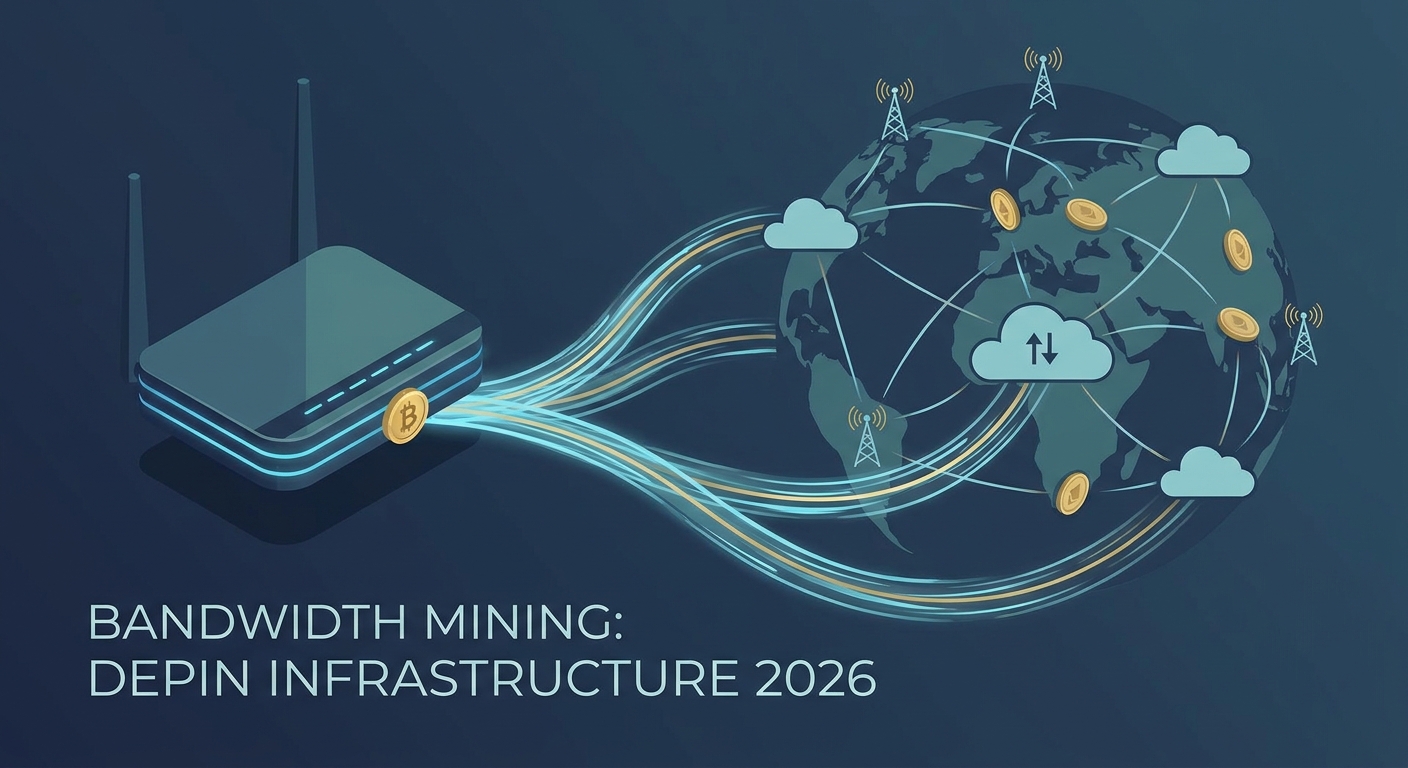
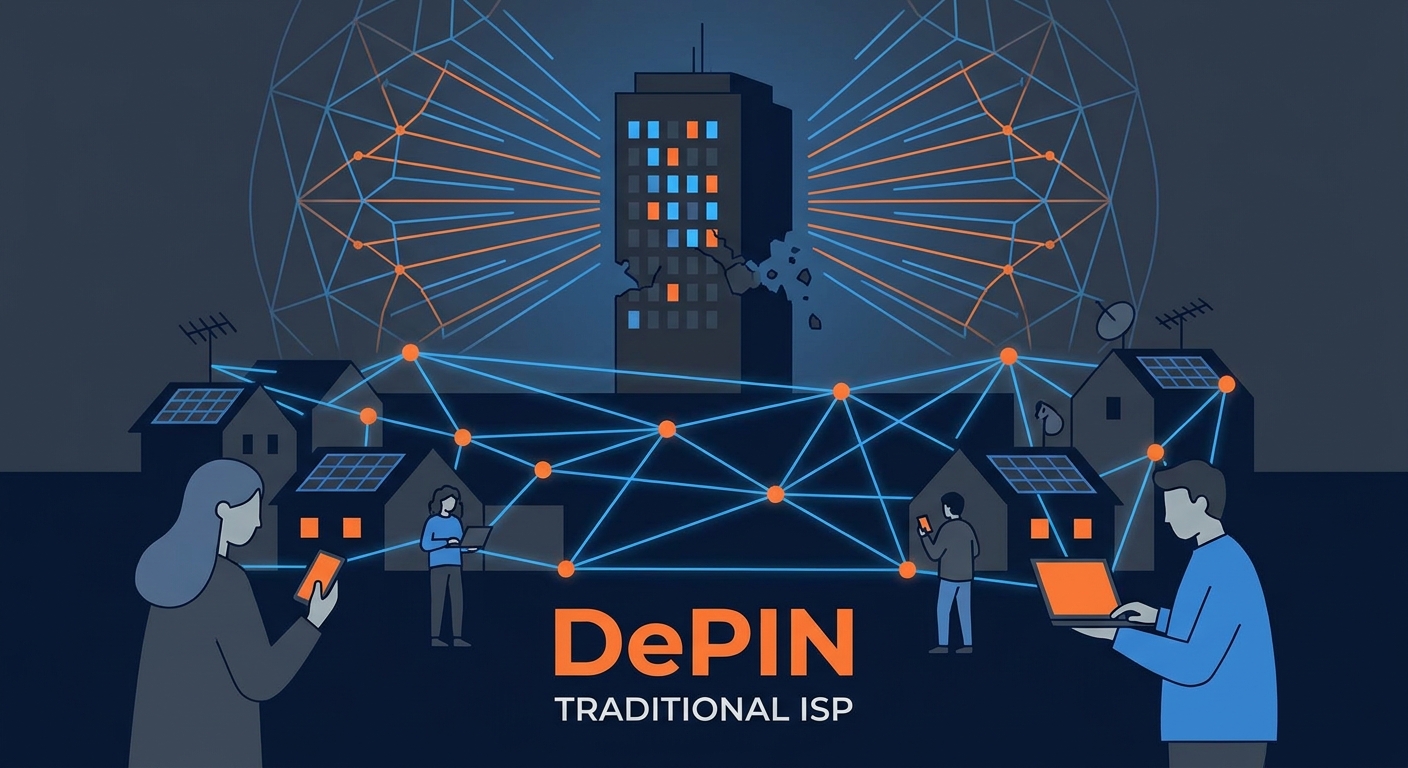
If you’ve got a stable internet connection and a computer that rarely sleeps, you’re sitting on a goldmine. Or, well, a small pile of change that adds up. By 2026, the shift from sketchy "bandwidth mining" to a legitimate $15B+ DePIN (Decentralized Physical Infrastructure) economy has turned your idle upload capacity into a real, functional stream of passive income.
You’re looking at an extra $5 to $25 a month. It’s not "quit your job" money, but it’s "pay for your Netflix and then some" money. All you do is run "set-and-forget" software that lets AI companies and researchers use your connection for data verification. This isn't some shady, get-rich-quick scheme. It’s the commoditization of your digital footprint. If you aren't doing it, you’re just leaving cash on the table.
The AI-Driven Bandwidth Boom
Why do these companies want your internet? It’s simple: AI is hungry. Large Language Models and machine learning algorithms need massive amounts of data to stay sharp. The problem? "Data center bias."
When an AI scrapes the web from a data center IP address, it gets flagged, blocked, or fed sanitized, boring data. It’s like trying to get an honest opinion from a corporate PR rep. To fix this, AI labs are paying for access to "residential" IP addresses—the kind assigned to your home router. This is the heart of the residential proxy economy. By routing traffic through real homes, AI companies can crawl the web like a normal person, ensuring their training data is actually authentic. You aren't just "sharing internet"; you’re acting as a decentralized relay for the next generation of artificial intelligence.
How Bandwidth Sharing Works
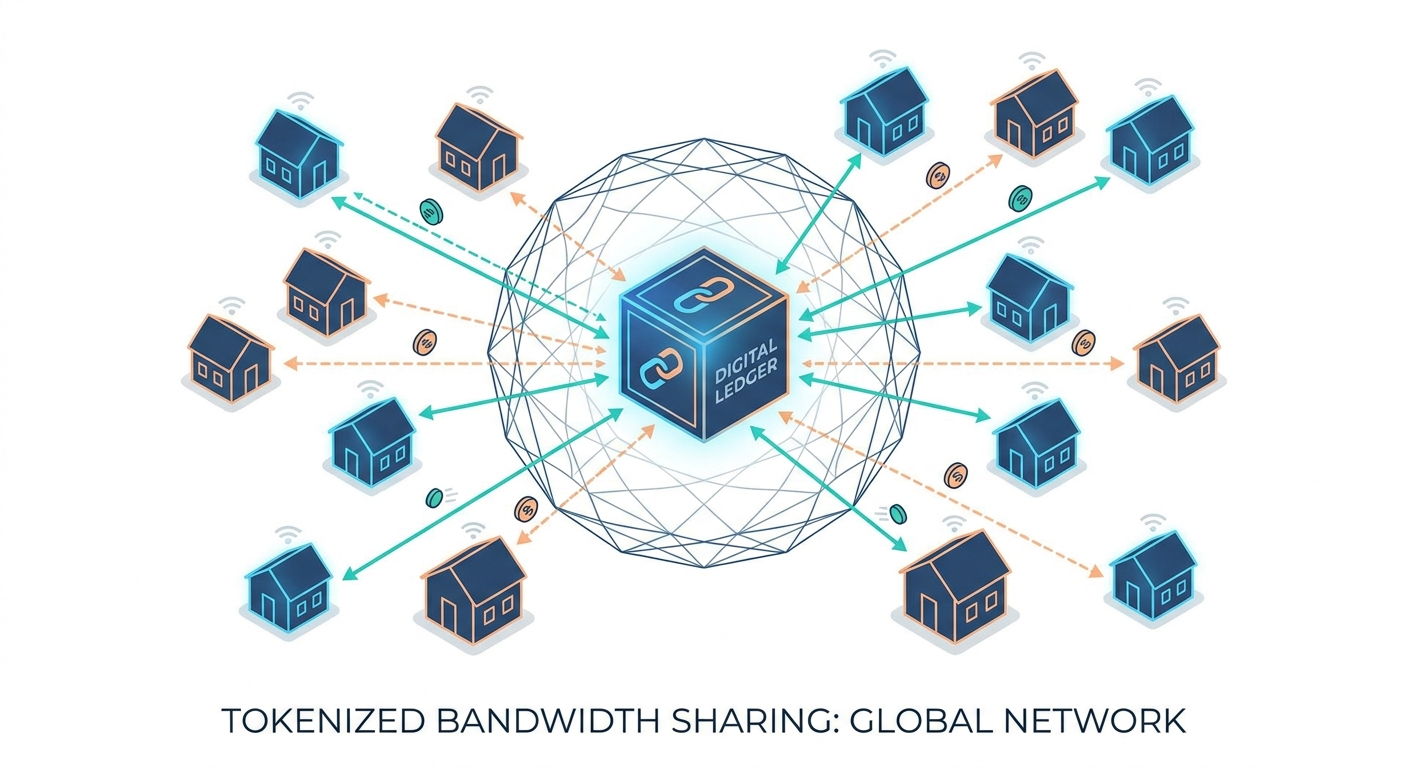
Think of it as a three-party handshake. You’re the node operator. The protocol is the digital middleman. The buyer is the entity needing the data.
You install a lightweight client. It creates an encrypted tunnel between your device and the protocol’s network. When a buyer needs to verify a website in your region, they route a tiny fraction of their traffic through your connection.
The protocol does all the heavy lifting, ensuring the traffic is legit and authenticated. If you want to get tactical, keep an eye on DePIN sector market data. It shows you which projects have the most demand, helping you pick the ones that actually pay out.
Is It Safe for Your Home Network?
Security is the big elephant in the room. Is some weirdo going to use your IP to do something illegal? It’s a valid concern, but the industry has moved toward Zero-Knowledge Proofs (ZKPs) as the gold standard for 2026. ZKPs verify that the traffic is legitimate without exposing the contents of that data to you, or exposing your network guts to the requester.
But don't be naive. Opening your network to the public internet increases your attack surface. Period.
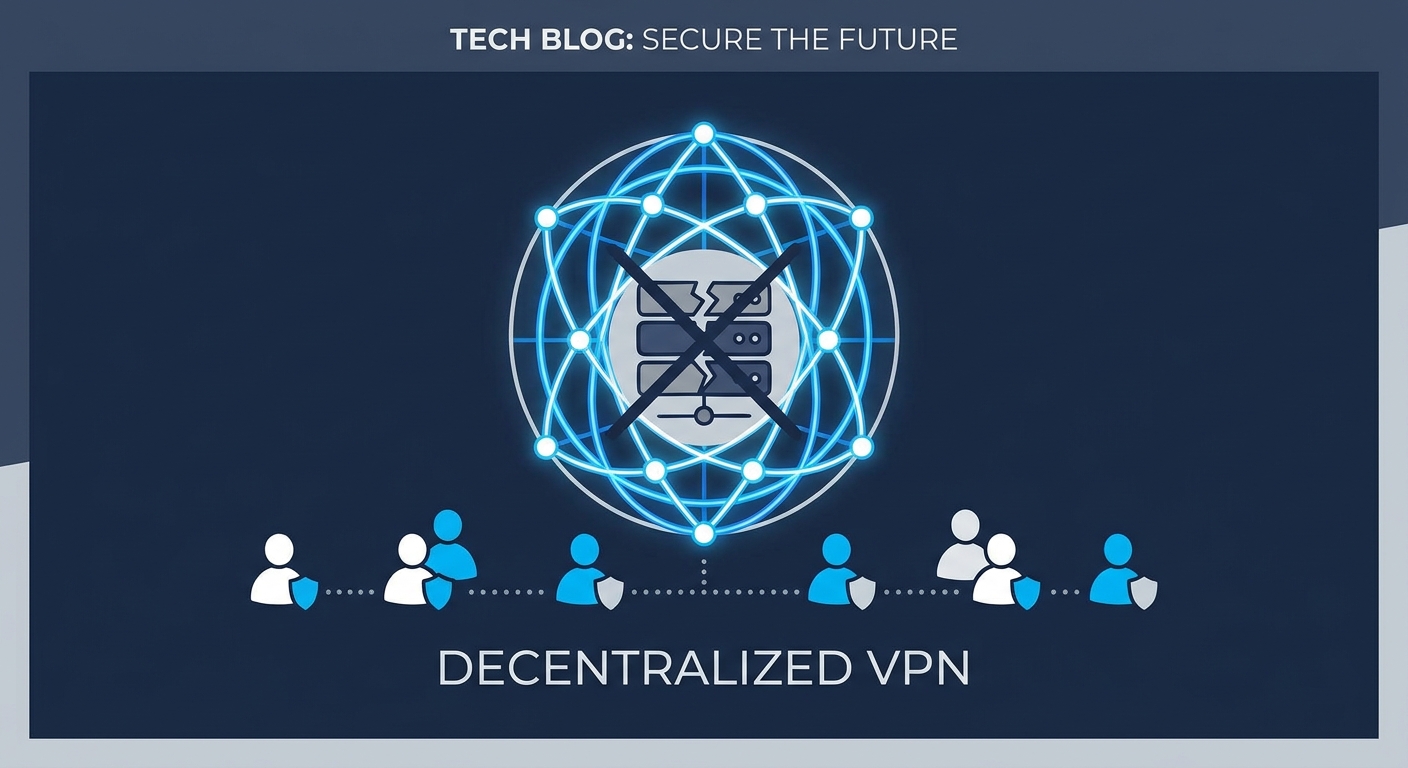
Smart miners treat their node as a separate entity. By using a non-logging VPN, you can effectively protect your digital footprint and ensure your banking, private browsing, and personal data stay completely isolated from the traffic being routed through your node. Think of the VPN as a firewall that keeps your private life in one room and the public relay in another.
Navigating the Passive Income Landscape
The barrier to entry is lower than it’s ever been. You don't need to be a server admin or own a custom rig. Most projects now just live as browser extensions or background apps that sit quietly in your system tray.
| Protocol | Ease of Use | Typical Earnings | Hardware Requirement |
|---|---|---|---|
| Grass.io | High | $10–$25/mo | Browser Extension |
| Emerging Node A | Medium | $5–$15/mo | Background Desktop App |
| Emerging Node B | High | $5–$10/mo | Browser/Mobile App |
While Grass.io is currently the heavyweight, the landscape changes weekly. Your secret weapon here is "Regional Arbitrage." If you live in a high-cost area like the US, UK, or Western Europe, your IP is high-value. Companies pay a premium for "clean" residential IPs in these regions because they are harder to find and rarely blacklisted.
Setting Up Your First Node
Getting started is easy, but don't rush the setup. Follow these steps:
- Check Your ISP: Make sure your internet provider doesn't have restrictive terms of service. Most don't care, but it’s worth a quick scan of the fine print.
- Install the Client: Grab the official app from the project's site. Don't go hunting for "boosters" or unauthorized third-party apps. That’s how you get malware.
- Configure Security: Before you flip the switch, harden your network. If you’re worried that your ISP is tracking your bandwidth, a VPN is non-negotiable. Run your node through a dedicated, non-logging VPN tunnel to ensure your home network remains a black box.
- Maintenance: Check your uptime. If your computer is off, you aren't earning. It’s that simple.
The Reality Check: 2026 Expectations
Let’s be real: this is a side hustle. It’s not a salary. The days of "get rich quick" in crypto are dead and buried. View this as a way to offset your internet bill or clear a few extra bucks for coffee.
Also, keep your tax documents in order. In 2026, the tax man is watching these protocols much closer than he was a few years ago. If you treat this like a business, you won't have to deal with surprise tax bills later. Keep a record of what you earn, declare it, and move on.
Frequently Asked Questions
Is sharing my internet bandwidth legal and safe?
Yes, provided you use reputable platforms that employ Zero-Knowledge Proofs (ZKPs). These protocols use encrypted tunnels to ensure that you are not liable for the content being accessed through your IP, as the traffic is authenticated and routed to prevent malicious activity.
How much can I realistically earn per month in 2026?
You can realistically expect to earn between $5 and $25 per month. Your earnings are primarily determined by your geographical location (US/EU/UK IPs command higher premiums) and your node's total uptime.
Will using a bandwidth-sharing app slow down my internet?
Modern apps are designed to be "invisible." They utilize only your idle bandwidth—the capacity you aren't currently using—and include throttling features to ensure that your personal latency remains unaffected during high-bandwidth tasks like gaming or streaming.
Do I need specialized hardware to participate?
No. While dedicated hardware nodes exist for power users who want to maximize uptime and stability, the vast majority of participants use simple browser extensions or background applications that require no technical expertise to maintain.
How do I protect my personal traffic while running a node?
You should always use a high-quality, non-logging VPN to mask your true identity and personal browsing habits. By running your node through a VPN, you create an essential security layer that separates your personal data from the public traffic being routed through your bandwidth-sharing node. Browse securely with SquirrelVPN to ensure your privacy remains intact while you mine.