Quantum Encryption Threat: Are Your Public Banks Prepared?

Quantum Computing Banking Post-Quantum Cryptography National Quantum Mission India Cybersecurity in Finance Q-Day Threat Crypto-Agility
T
Tom Jefferson

सीईओ और सह-संस्थापक

 
20 अप्रैल 2026
2 मिनट का पठन
Quantum Encryption Threat: Are Your Public Banks Prepared?
TL;DR

This article explores the critical vulnerabilities quantum computing introduces to the financial sector, specifically targeting RSA and ECC encryption used in UPI and ATM networks. It covers the Indian government's ₹6,003 crore National Quantum Mission and the phased migration strategies banks are implementing, such as Cryptographic Bill of Materials and hybrid TLS. Readers will gain insights into the technical challenges of upgrading legacy core banking systems to achieve essential crypto-agility.

Quantum Vulnerabilities in Modern Banking

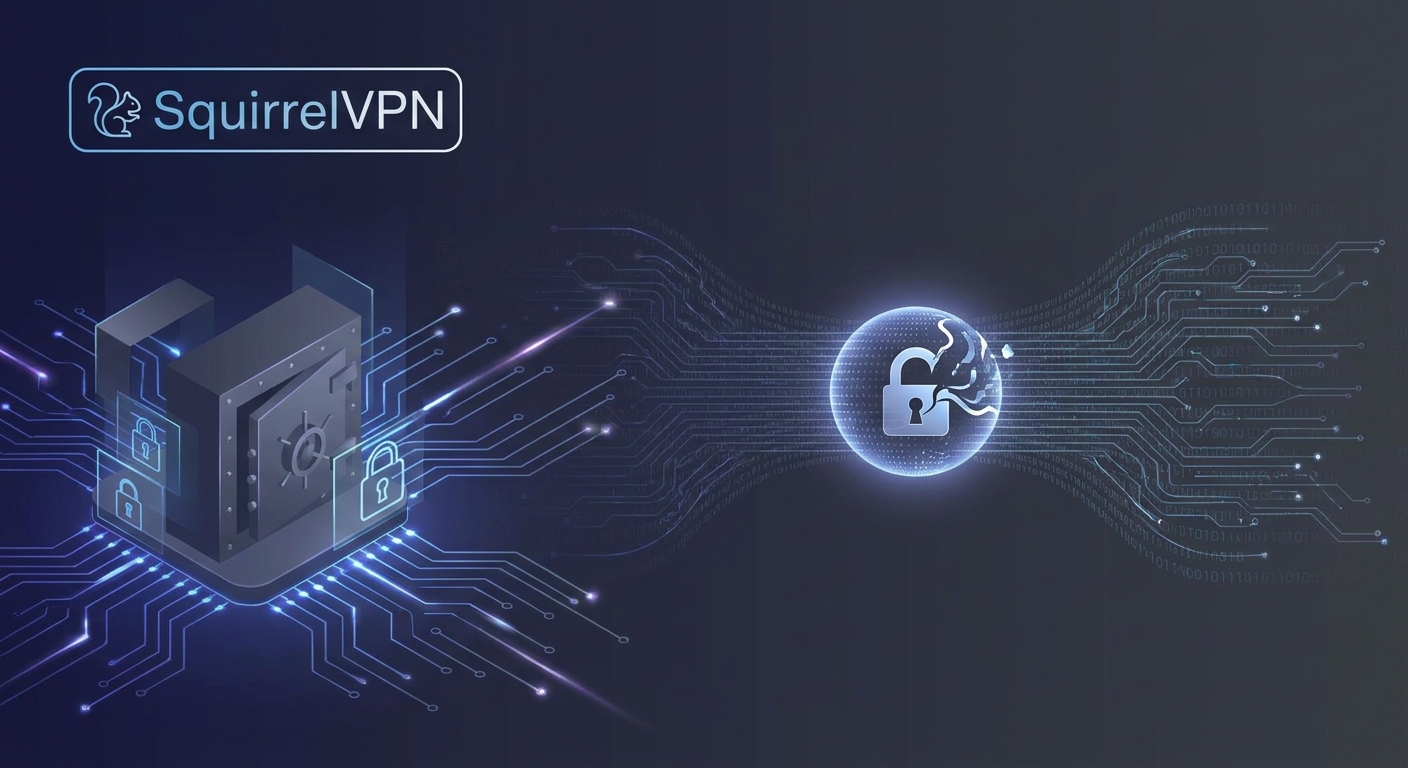
The financial sector currently relies on RSA and ECC encryption to secure every UPI payment, ATM withdrawal, and customer record. However, the rise of Quantum computing poses a "Q-Day" threat, where Shor's algorithm could break these codes in seconds. Experts at SquirrelVPN note that 87% of Indian banks still use these vulnerable standards. A primary concern is harvest now, decrypt later, where attackers collect encrypted data today to unlock it once quantum hardware matures.

India ke Public Banks par Quantum Encryption ka 'Darr'!

Image courtesy of Whalesbook

National Quantum Mission and Regulatory Directives

The Indian government has allocated ₹6,003.65 crore to the National Quantum Mission to build a 2,000-km secure communication network by 2030-31. The finance ministry has directed public sector banks to explore quantum-resistant encryption immediately. Additionally, the RBI is mandating specific security protocols, while SEBI addresses long-term data risks through its Cyber Resilience Framework.

Implementation Strategies for Financial Institutions

Banks are adopting a phased approach to PQC migration. HDFC Bank has implemented a three-pillar framework starting with a Cryptographic Bill of Materials (CBOM) to inventory vulnerable ciphers. Other institutions like Punjab National Bank are focusing on quantum-proof systems for public applications. To maintain online privacy, many are testing hybrid TLS which combines classical and quantum-safe algorithms.

bank

Image courtesy of The Economic Times

Technical Challenges and Legacy Systems

The transition is a multi-year task because encryption is buried deep within Core Banking Systems (CBS), mobile apps, and ATM networks. Upgrading these systems may cost banks up to ₹2,000 crore. Key focus areas include protecting SWIFT messaging and securing the API layer used for UPI transactions. Institutions are also looking into Quantum Key Distribution (QKD) to secure physical network links.

The Role of Crypto-Agility

To survive the post-quantum era, organizations must develop crypto-agility. This involves using NIST-approved algorithms like ML-KEM. State Bank of India is already collaborating with academic institutions to fight phishing, while UCO Bank is developing audio forensics to prevent voice cloning. This proactive stance is essential for digital security and preventing the predicted $3.3 trillion impact on the global economy.

Image courtesy of QNu Labs

Expert VPN analyst with over 8 years of experience in online privacy and cybersecurity. Specializes in VPN technology, digital security, and privacy protection. Passionate about helping users navigate the complex world of online security and making VPN setup accessible for everyone worldwide.

Protect your digital assets before Q-Day arrives. Visit squirrelvpn.com to explore our cutting-edge privacy solutions and stay ahead of emerging cryptographic threats.

T
Tom Jefferson

सीईओ और सह-संस्थापक


विशेषज्ञ वीपीएन विश्लेषक

संबंधित समाचार

Cybersecurity Insiders Report Reveals SMBs Increasing Security Spend to Counter Escalating Remote Infrastructure Risks
SMB cybersecurity budget

Cybersecurity Insiders Report Reveals SMBs Increasing Security Spend to Counter Escalating Remote Infrastructure Risks

Facing a 50% breach rate, SMBs are finally increasing security budgets. Discover why legacy tech and AI adoption gaps are driving this critical investment shift.

द्वारा Marcus Chen 23 मई 2026 4 मिनट का पठन
common.read_full_article
Russian State-Sponsored Actors Target RDP and VPN Protocol Vulnerabilities to Compromise Enterprise Networks
VPN protocol vulnerabilities 2026

Russian State-Sponsored Actors Target RDP and VPN Protocol Vulnerabilities to Compromise Enterprise Networks

Russian state-sponsored actors are exploiting known RDP and VPN vulnerabilities to breach enterprise networks. Learn the risks and how to secure your infrastructure.

द्वारा Elena Voss 22 मई 2026 5 मिनट का पठन
common.read_full_article
Western Digital Launches First Post-Quantum Cryptography Hard Drives to Secure Data Against Future Threats
post-quantum cryptography standards 2026

Western Digital Launches First Post-Quantum Cryptography Hard Drives to Secure Data Against Future Threats

Western Digital unveils enterprise HDDs with NIST-approved quantum-resistant cryptography to protect long-term data against future decryption threats.

द्वारा James Okoro 21 मई 2026 4 मिनट का पठन
common.read_full_article
New Market Report Projects Rapid Adoption of Zero-Trust Network Access Amid Evolving Cyber Threats
zero-trust network access (ZTNA) market shifts

New Market Report Projects Rapid Adoption of Zero-Trust Network Access Amid Evolving Cyber Threats

Explore the rapid growth of the Zero-Trust Network Access (ZTNA) market. Discover why ZTNA is the new baseline for cybersecurity in a remote and cloud-first era.

द्वारा Marcus Chen 20 मई 2026 4 मिनट का पठन
common.read_full_article