NIST Releases Finalized Post-Quantum Cryptography Standards to Secure 2026 Infrastructure Against Future Threats

TL;DR
NIST Drops the Hammer: Finalized Post-Quantum Standards Are Here to Save Our Digital Future
The National Institute of Standards and Technology (NIST) has finally pulled the curtain back on its first three finalized post-quantum encryption standards. It’s a massive deal—a definitive line in the sand drawn against the looming shadow of quantum computing. For years, we’ve talked about the "quantum apocalypse" as some distant, sci-fi threat. NIST just turned it into a project management to-do list. These standards aren't just academic exercises; they provide the actual code and technical blueprints needed to lock down our systems before someone builds a quantum machine capable of cracking our current digital vaults.
This isn't a flash in the pan. It’s the result of an eight-year marathon that kicked off back in 2015. Think about the sheer scale of it: an international gauntlet that pitted 82 different algorithms against each other, submitted by the brightest minds from 25 countries. By setting these standards in stone, NIST has handed every organization on the planet a roadmap to move toward quantum-resistant security. The clock is ticking, and the reality is that our current public-key encryption—the stuff keeping your bank account and emails private—could be toast within the next ten years.
Why Your Current Encryption Is Already Aging Out
To understand why this is happening, you have to look at the fundamental physics. Classical computers are built on binary—simple ones and zeros. Quantum computers? They use qubits, which can exist in multiple states at once. It’s a leap in logic that makes current RSA and elliptic-curve cryptography look like a child’s padlock. A sufficiently powerful quantum computer could tear through our current defenses like they were made of wet tissue paper, solving complex math problems in seconds that would take a classical supercomputer millennia to crack.
The NIST Post-Quantum Cryptography (PQC) project was born out of the Computer Security Division to stop this from becoming a catastrophe. The goal is simple: develop algorithms that are computationally impossible for even the most aggressive quantum machines to break. We’re fighting against the "harvest now, decrypt later" strategy—a terrifying tactic where bad actors scoop up encrypted data today, waiting for the day they have the quantum power to unlock it. As experts have noted in the impact of quantum computing on encryption, this isn't just about tomorrow; it’s about protecting the secrets we’re transmitting right now.
The New Toolkit: Defense in Depth
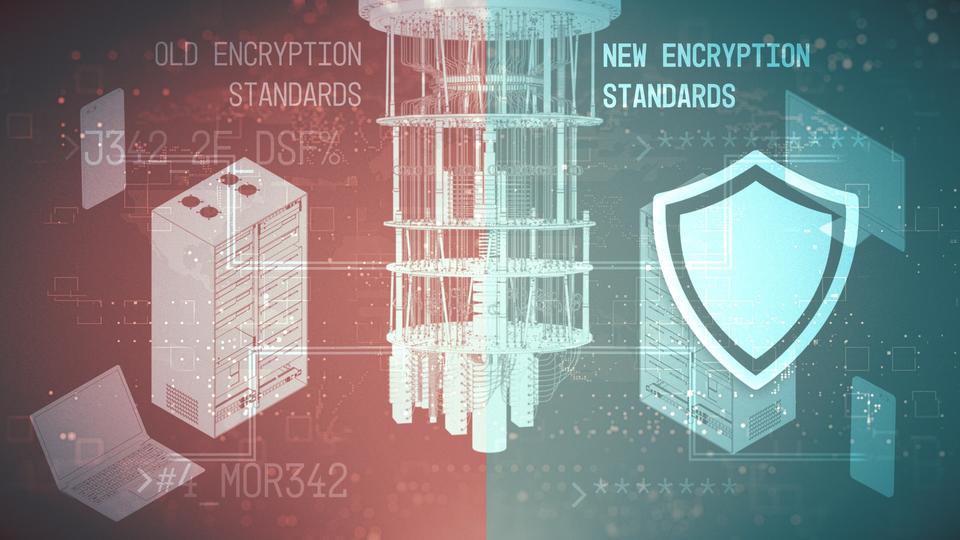
NIST didn't just pick one winner. They’ve rolled out a diverse set of mathematical approaches. The logic here is sound: if someone finds a crack in one method, we’ve got others standing by to hold the line. These standards are ready for prime time, and NIST is urging government agencies, private firms, and the folks running our critical infrastructure to start the integration process immediately.
The issuance of Federal Information Processing Standards makes it clear that this isn't a suggestion; it’s the new baseline. Here’s what the rollout looks like:
- Global Collaboration: This was an open-book test. Cryptographers from every corner of the globe poked, prodded, and stress-tested these algorithms.
- Algorithm Diversity: We aren't putting all our eggs in one basket. By using different mathematical foundations, we’re building a multi-layered defense.
- Immediate Availability: You don't have to wait for the future. The code and implementation guides are available right now for hardware and software teams to get to work.
- Future-Proofing: It’s not a "rip and replace" nightmare. These standards are built to fold into existing protocols, allowing for a phased migration that won't break the internet in the process.
The Road Ahead: Implementation and Reality
The release of these three finalized standards is the bedrock for the updated Federal Information Processing Standards (FIPS). The focus is twofold: digital signatures and general encryption. We’re talking about securing everything from the integrity of a software update to the confidentiality of a classified document.
| Objective | Description |
|---|---|
| Resilience | Hardening data against the inevitable rise of quantum-enabled decryption. |
| Standardization | Giving the world a common language for secure communication. |
| Migration | Moving the needle from legacy systems to quantum-resistant math. |
| Security | Ensuring that sensitive data stays private, regardless of computing power. |
Time to Audit Your Inventory
If you’re in IT or security, your to-do list just got longer. It’s time to start auditing your cryptographic inventory. Where are you using legacy algorithms? Which systems are the most vulnerable? Migration is a heavy lift—it involves updating firmware, tweaking software libraries, and overhauling communication protocols—but the cost of waiting is far higher.
NIST isn't stopping here. They’re still refining additional algorithms for niche use cases, but the core primitives are ready. The official announcement regarding the PQC FIPS is the signal that the era of quantum-resistant security has officially begun. By adopting these protocols now, organizations aren't just checking a box; they’re ensuring their data remains under lock and key, no matter how fast the computers of the future get. The threat is real, but for the first time, we have the tools to meet it head-on.