Surge in Enterprise VPN Adoption Driven by Stricter Data Privacy Compliance for Remote Teams
TL;DR
The VPN Gold Rush: Why Corporate Security is Moving to the Edge
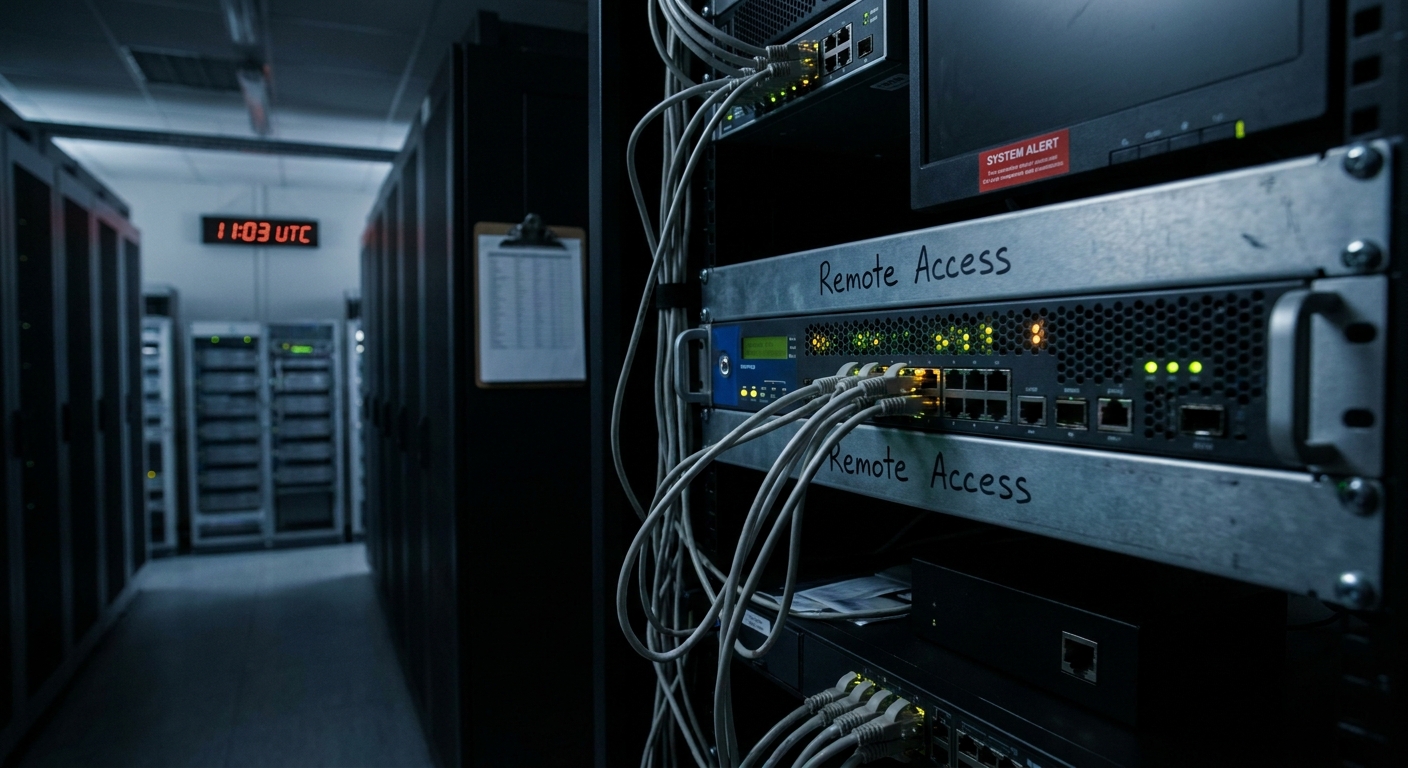
The office isn’t what it used to be. Remember the days of the cubicle farm and the physical firewall? Those days are effectively dead. As remote work shifted from a pandemic-era necessity to a permanent fixture of the modern economy, corporate cybersecurity hit a wall—or rather, it lost its walls entirely. Companies are now scrambling to secure a workforce that’s scattered across coffee shops, home offices, and airport lounges. Enter the enterprise VPN: the unsung hero of the distributed workforce.
It’s not just about convenience anymore. It’s about survival. With roughly 35% of the global workforce now operating remotely—a massive leap from the 7% we saw just a few years ago—the old "perimeter-based" security model is looking like a relic of the dial-up era. When your employees are logging in from unsecured home Wi-Fi, you aren't just managing a network; you’re managing a chaotic, unpredictable landscape of potential entry points for bad actors.
The Million-Dollar Headache
Let’s talk numbers, because they don’t lie. When a company relies on remote work without the right armor, the cost of a data breach isn’t just a minor line item—it’s a catastrophe. Research shows that breaches in remote-heavy environments cost, on average, a cool $1 million more than those in traditional office settings.
The real kicker? The "dwell time." It takes nearly two months longer to detect a breach when your team is off-site. That’s 58 days of a hacker having the run of the place, sifting through your proprietary data or planting ransomware.
Look at the LastPass incident. We’re talking about 33 million records compromised because a single developer’s home computer wasn’t up to snuff. It’s a perfect, painful example of why the "Bring Your Own Device" (BYOD) era is a double-edged sword. When your employees use personal gear without enterprise-grade shielding, they aren't just working from home—they’re inviting the world into your private server.

The Regulatory Pressure Cooker
If the financial risk isn't enough to keep a CISO up at night, the regulatory landscape certainly will. If you’re in finance or healthcare, you’re dancing a fine line between productivity and a massive GDPR, HIPAA, or CCPA fine.
The North American VPN market is exploding for a reason. We’re looking at a jump from roughly $20 billion in 2025 to over $70 billion by 2034. That’s not just tech-bro hype; that’s the sound of thousands of companies realizing they need to encrypt everything, everywhere, all at once. As businesses and remote workers invest more in VPN technology, the focus has shifted away from "good enough" consumer tools toward heavy-duty, enterprise-grade infrastructure that can handle the sheer scale of a hybrid workforce.
| Metric | Data Point |
|---|---|
| Remote Work Participation (2023) | 37% of US Workforce |
| Federal Secure Access Budget Increase | 41% (2021-2023) |
| Corporate Networks Allowing BYOD | 68% |
| Educational Sector Ransomware Rise | 33% (2021-2023) |
Building a Perimeterless Fortress
So, how do you secure a company that doesn't have a physical center? You stop trusting. The industry is moving toward a "Zero Trust" architecture. The premise is simple: assume every connection is hostile until proven otherwise.
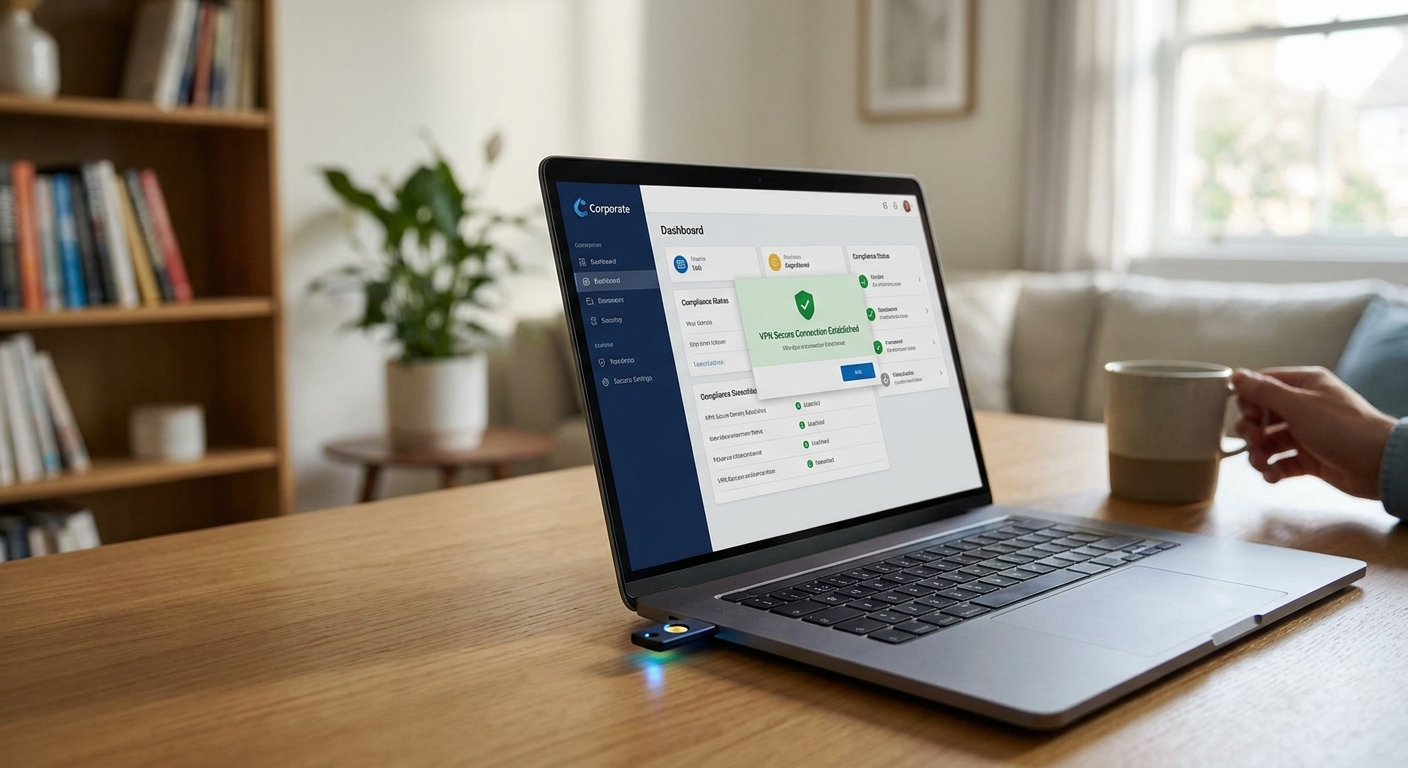
VPNs are the bridge here. They act as the secure tunnel that keeps corporate traffic away from the prying eyes of the public internet. While individual users might look to resources like Free VPN Mentor to protect their personal privacy, the enterprise game is far more surgical. It’s about control, visibility, and compliance.
To stay ahead, companies are deploying a few non-negotiables:
- Endpoint Security Integration: If you aren't running EDR (Endpoint Detection and Response) alongside your VPN, you’re flying blind. You need to know if that home laptop is infected before it touches your database.
- Audit Everything: If you can’t prove you’re compliant, you aren’t. Regular, automated audits of remote access logs are the only way to keep the regulators off your back.
- Hardened BYOD Policies: If an employee’s device doesn’t meet your security baseline—updated OS, active antivirus, encrypted disk—it shouldn’t get a key to the kingdom.
- Follow the Money: Look at the federal government. They’ve hiked their secure access budgets by over 40% in just two years. If they’re worried about ransomware, you should be too.
The Road Ahead
Is the VPN going away? Not anytime soon. Even as we see new, flashier security protocols emerge, the VPN remains the most reliable workhorse for securing data in transit. The Pew Research Center confirms that remote work is here to stay, which means the "distributed office" is the new normal.
The companies that win in the next decade won't be the ones that try to drag everyone back into the office. They’ll be the ones that build a digital infrastructure so robust that it doesn't matter if an employee is working from a home office in Ohio or a beach in Bali. Security isn't a destination; it’s a constant, evolving process. And right now, that process starts with a secure tunnel.