How to Monetize Unused Internet: A Step-by-Step Guide to Bandwidth Mining
You’re already paying for a high-speed fiber connection that sits there, doing absolutely nothing for eighteen hours a day. While you sleep, work, or run errands, your router acts as a silent, expensive paperweight.
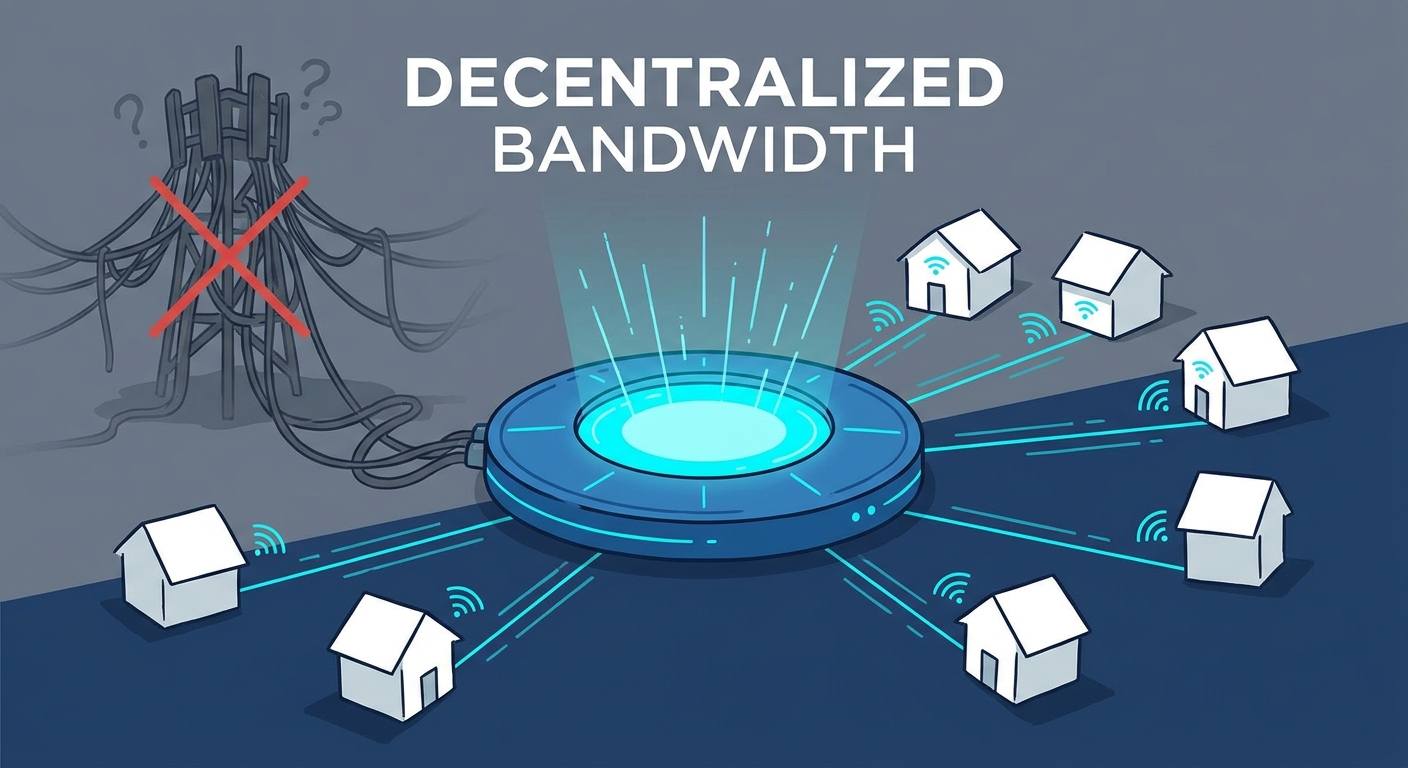
The internet economy has finally caught on to this waste. Your home connection is digital real estate, and it’s time you started collecting rent. Bandwidth mining—the practice of contributing your spare connectivity to Decentralized Physical Infrastructure Networks (DePIN)—lets you turn that idle capacity into a steady stream of passive income. It’s the shift from being a passive consumer to a foundational pillar of the web's architecture.
Why is Your Idle Bandwidth Suddenly Valuable?
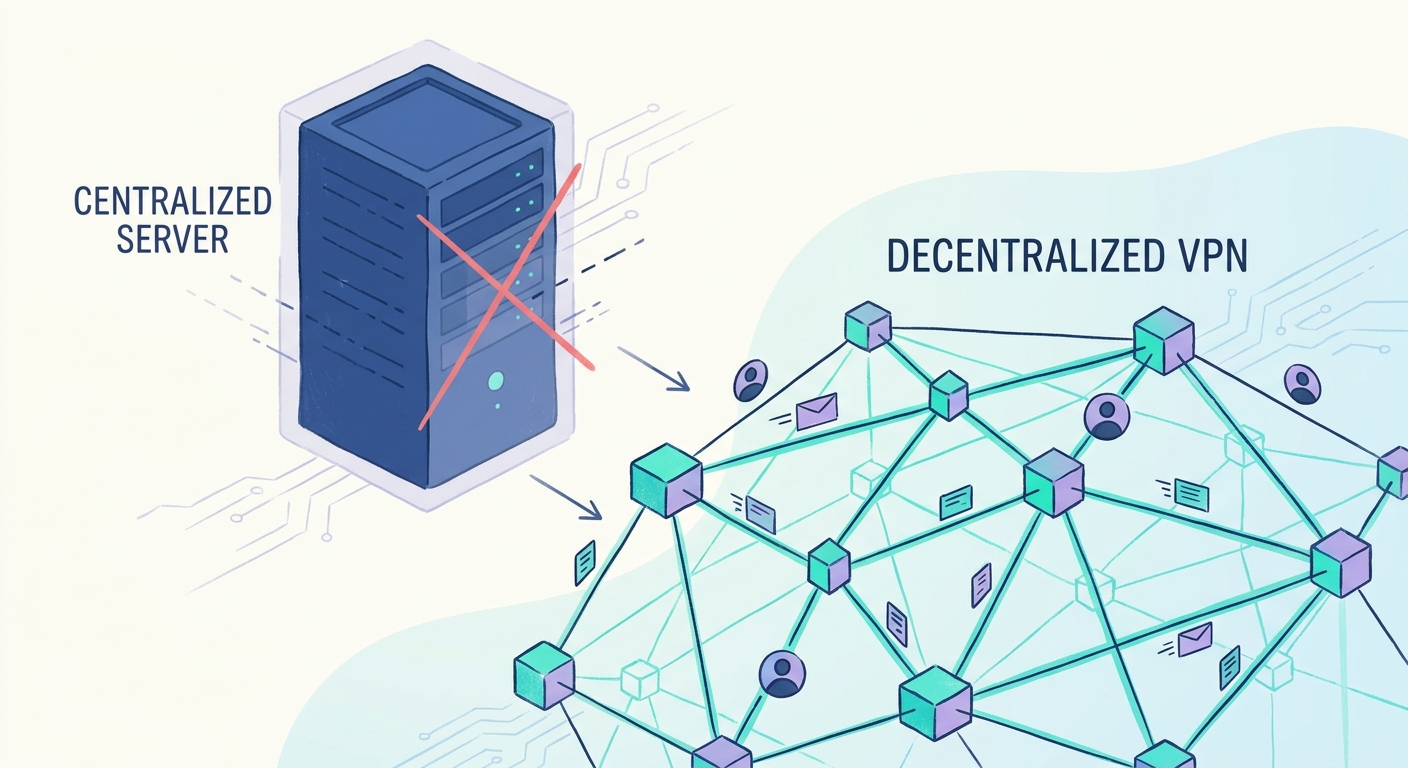
The internet is shifting. We’re moving away from centralized data centers toward a distributed model that looks a lot more like the real world—chaotic, vast, and decentralized.
The catalyst? The insatiable hunger of modern AI. Large Language Models and foundation models need massive, geographically diverse datasets to learn. They can’t just scrape the web from one server farm in Northern Virginia. That data is filtered, sanitized, and often blocked by regional firewalls. It’s "clean," but it’s not real.
To get an authentic view of the internet, AI agents need to "see" the web from the perspective of a real person in Tokyo, Berlin, or Chicago. That’s where you come in. By acting as a relay point, your connection provides the residential IP address those bots need to collect unbiased, raw data.
We’ve moved past the era of energy-hungry Proof-of-Work mining. Today, the industry runs on "Proof of Connectivity"—a lightweight, consensus-based mechanism that rewards you for simply staying online and stable. If you’re curious about how this fits into the broader financial picture, The Ultimate Guide to Blockchain Bandwidth Monetization offers a deep dive into the tokenomics that make this viable in 2026. You aren’t just selling speed; you’re leasing a slice of your digital identity to help the global internet become more transparent.
How Does Bandwidth Mining Actually Work?
Technically, you’re acting as a "node" in a decentralized network. No, you aren’t hosting illegal files or weird content. You’re providing a secure, encrypted relay for verified data scrapers and AI agents. Think of it like a toll booth: you provide the road, but you don't care what’s in the car as long as the toll is paid.
When an AI agent needs data from a site, it sends a request through the network. Your device receives it, fetches the data, and relays it back. Because this happens inside an encrypted tunnel, your actual local traffic stays isolated. Your browsing stays yours.
Is My Data Safe? The "Privacy-First" Reality
The biggest hesitation? The fear that "bad actors" will use your IP for something malicious. It’s a fair concern, but it ignores how modern network architecture works. The top-tier DePIN projects use Zero-Knowledge architectures.
What does that mean? It means the network verifies you’re doing your job without ever seeing the actual content passing through your node. By understanding Zero-Knowledge Proofs, you realize your privacy is protected by cold, hard math—not just the "honor system."
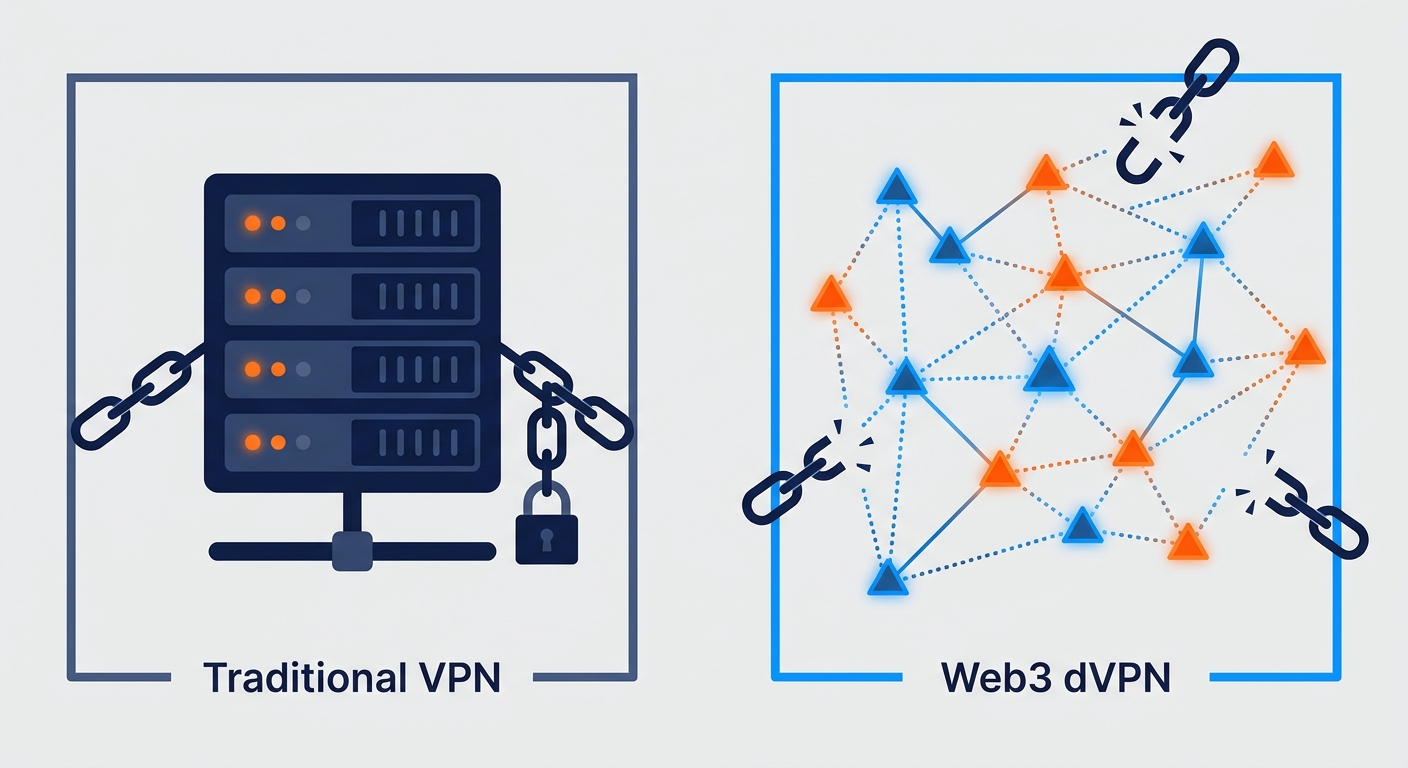
Furthermore, because these networks function like a Decentralized VPN (dVPN), they’re designed to wall off that relay traffic from your personal habits. The network sees your connection, but it never sees your banking credentials, your streaming accounts, or your emails. You’re the gatekeeper, and the gate is locked.
Step-by-Step: Setting Up Your First Node
Getting started is easier than you think. You don’t need to be a Linux wizard or own a server rack. Most platforms have turned this into a "set it and forget it" experience.
Phase 1: Selecting Your Provider
Pick a project with a transparent history and a clear whitepaper. Look for platforms audited by third-party security firms. Avoid "get rich quick" schemes that promise astronomical returns for zero effort; sustainable mining is a marathon, not a sprint.
Phase 2: Installation
Most providers offer a browser extension or a desktop client. The browser extension is the easiest entry point—it only runs when your browser is open. But for the best rewards? Use the desktop client. It runs in the background 24/7, even when you aren’t touching the keyboard.
Phase 3: Verification and Activation
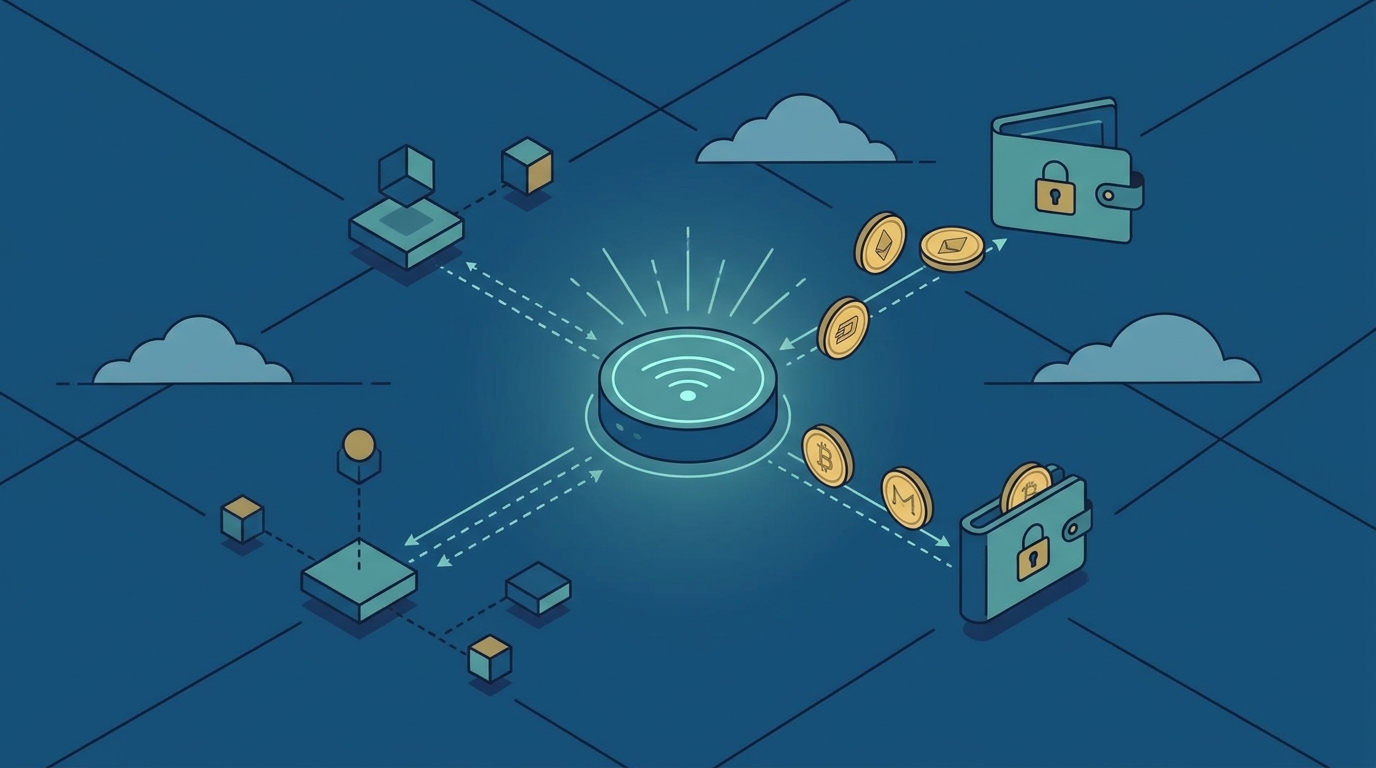
Once installed, link your crypto wallet. This is where your rewards land. The system will run a quick handshake to verify your IP and connection speed. Once it shows "Idle Status," you’re live.
How Can You Optimize Your Connectivity Score?
Once your node is running, you want it to be "high quality." Networks love stability. If your node is constantly dropping offline, your reward multiplier will tank.
- Go Wired: If you can, connect your computer directly to your router via Ethernet. A stable, low-latency connection beats raw, jittery Wi-Fi speed every time.
- Hardware Matters: Don’t run your node on a laptop you constantly put to sleep. If you have an old desktop or a mini-PC, dedicate it to the task.
- Human Feedback: Many platforms now offer "Reinforcement Learning from Human Feedback" (RLHF) tasks. These are simple data labeling steps that take a few minutes but can significantly boost your earning tier.
- Referral Bonuses: Most decentralized projects rely on network effects. Referring friends who also have high-uptime connections provides a perpetual bonus to your own earnings.
The Financial Reality: Taxes and Tokens
Treat your bandwidth earnings like any other financial asset. In most places, these rewards are taxable income the moment you get them. Keep a record of your earnings and find a tax pro who actually understands crypto.
The best part? The overhead is almost zero. Unlike traditional GPU mining, which requires expensive hardware and massive electricity bills, bandwidth mining is negligible on your power bill. You’re using the idle cycles of a device you already have powered on. It’s essentially free money, provided you have the infrastructure. Once you hit a decent balance, swap your tokens on decentralized exchanges for stablecoins or cash. Turn that internet bill into a profit center.
Frequently Asked Questions
Is bandwidth mining safe for my home network?
Yes. Modern DePIN projects use end-to-end encryption and traffic isolation. Your node operates as a sandboxed process, meaning the relay traffic cannot touch your personal files or other devices on your network.
Does mining slow down my actual internet speed?
No. These apps are programmed to be "polite." They monitor your local usage and only tap into your spare, unused bandwidth. If you start a 4K video call or a massive download, the software automatically throttles itself. Your experience stays smooth.
How much can I realistically earn in a month?
It varies wildly based on your location, the quality of your IP (residential beats data center), and your uptime. Don’t expect to replace your salary; think of it as a way to cover your monthly ISP bill or generate a modest, passive side income.
Will my ISP block me for sharing bandwidth?
Most residential Terms of Service (ToS) prohibit running commercial servers, but bandwidth sharing via decentralized networks usually sits in a gray area. To play it safe, monitor your usage to ensure it stays within normal bounds. Avoid high-volume, continuous saturation that might trigger an automated flag from your provider.