The Rise of the Bandwidth Marketplace: Monetizing Your Connection in 2026
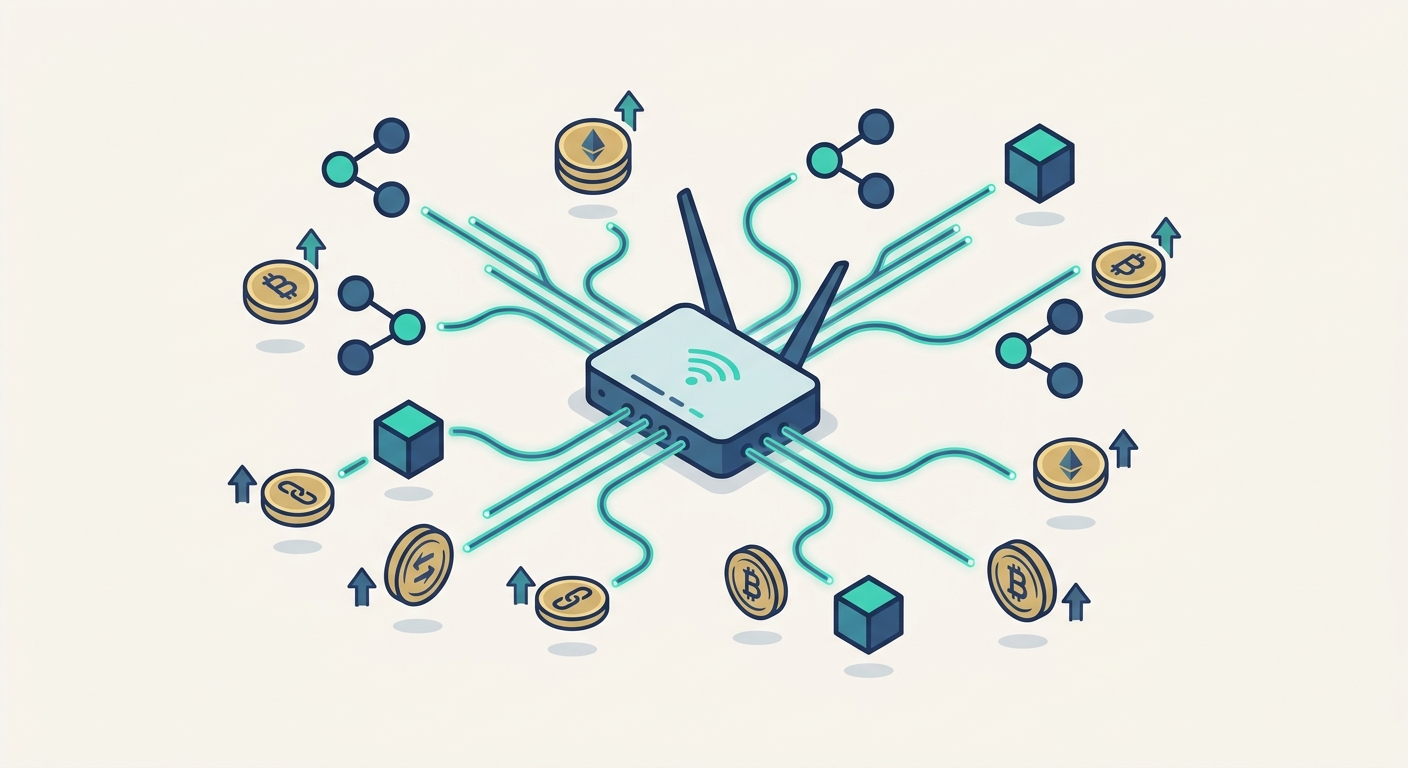
For the last decade, your home internet was a one-way street. You paid the ISP, you watched Netflix, you scrolled, and you logged off. That model is officially dead.
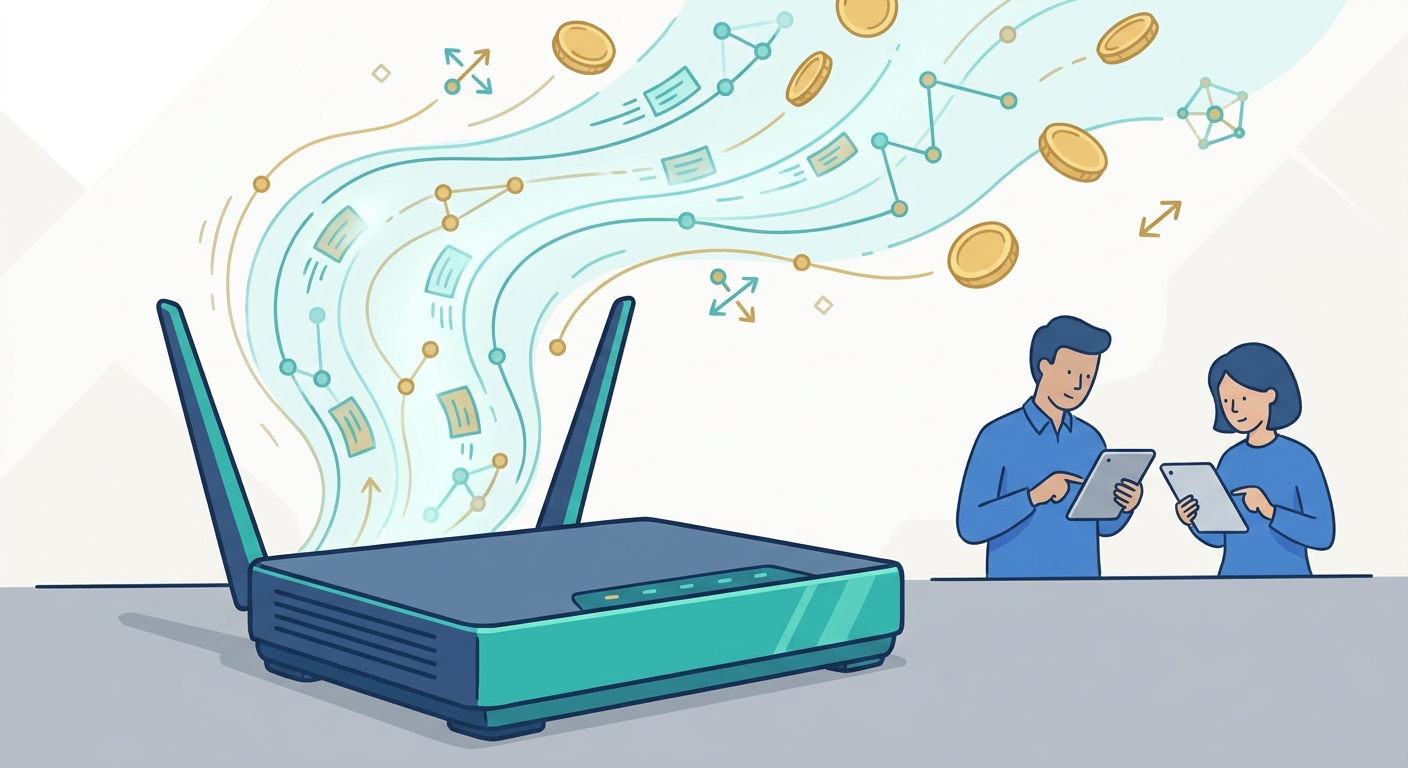
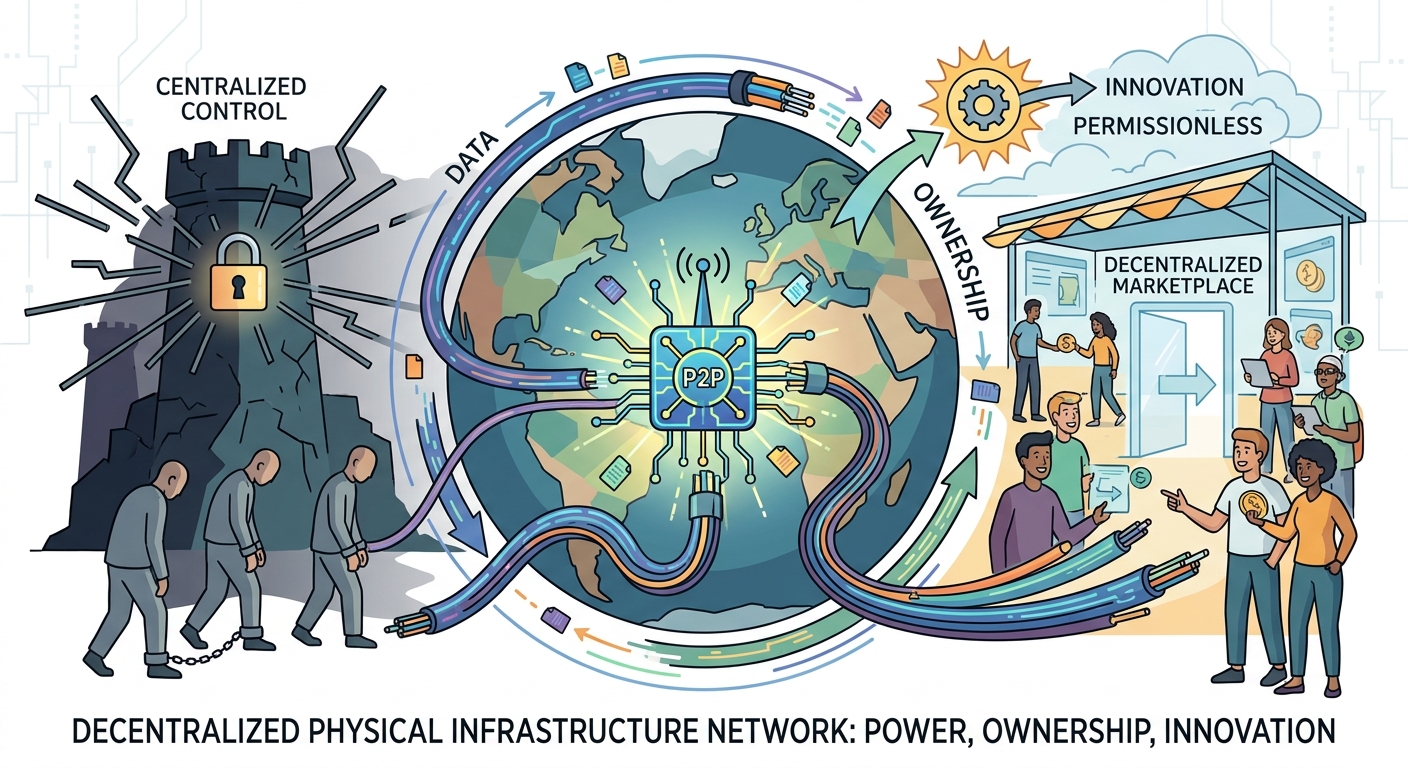
By 2026, the relationship between your router and the internet has flipped. Thanks to the rise of Decentralized Physical Infrastructure Networks—or DePIN, if you want to sound like a Silicon Valley insider—your idle bandwidth has morphed into a high-demand digital asset. With the AI economy ballooning past $15 billion, the massive thirst for human-like, real-world data traffic has turned your router into a revenue-generating node.
You no longer need to be a sysadmin or a network engineer to get a piece of this action. It’s become a standard, set-and-forget passive income stream for anyone with a decent fiber line and a bit of curiosity.
Why do AI companies crave your home connection?
If you’re wondering why a protocol wants to pay you for your data, look at the “Data Center Bias” currently choking AI development.
Most AI models are trained on traffic pulled from massive server farms. It’s cheap, sure, but it’s flawed. Corporate-grade connections are easily flagged, filtered, and blocked by websites. If an AI only eats data from a data center, it develops a blinkered view of the world. It sees the web through a sterile, artificial lens that doesn't reflect how actual humans use the internet.
AI researchers need residential IPs. They need to scrape data, test localized search results, and verify ad placements as if they were a real person sitting in a living room in Chicago or London. A residential IP is the gold standard for "unbiased" data. That’s why understanding residential proxies is the first step to understanding this market. When you run a node, you’re essentially renting out your "reputation" as a real, non-bot user to help train the next generation of LLMs.
How does the bandwidth marketplace actually work?
The mechanics are surprisingly elegant. It’s a three-party handshake: you (the Node Operator), the DePIN protocol (the intermediary), and the buyer (the AI or research firm). The protocol acts as a traffic controller, making sure your connection is only used for verified, legal requests.
The security backbone here is the Zero-Knowledge Proof (ZKP). This cryptographic method is the secret sauce. It lets the protocol verify that you are providing the bandwidth you promised—maintaining uptime and throughput—without the buyer ever needing to peek at your personal data or your private local network.
The "Regional Arbitrage" strategy
Not all bandwidth is created equal. This is where "Regional Arbitrage" comes in. If you live in a place with high-cost, high-reputation internet—think the United States, the UK, or Western Europe—your IP address is a premium asset. It’s significantly more valuable than an IP from a region already saturated with data scrapers.
The market demand shifts based on where AI companies need to "appear" to be. If you’re curious about how your specific location stacks up, you can monitor DePIN Sector Market Data to see which regions currently command the highest payouts. It’s a dynamic, living market; the value of your connection is tied to its scarcity and its geographic utility.
Security: How can you protect your home network?
The elephant in the room: What about bad actors using your IP for illicit stuff?
It’s a valid concern. The industry has matured, but your personal responsibility is still the best firewall. The most effective approach is the "Two-Room" strategy.
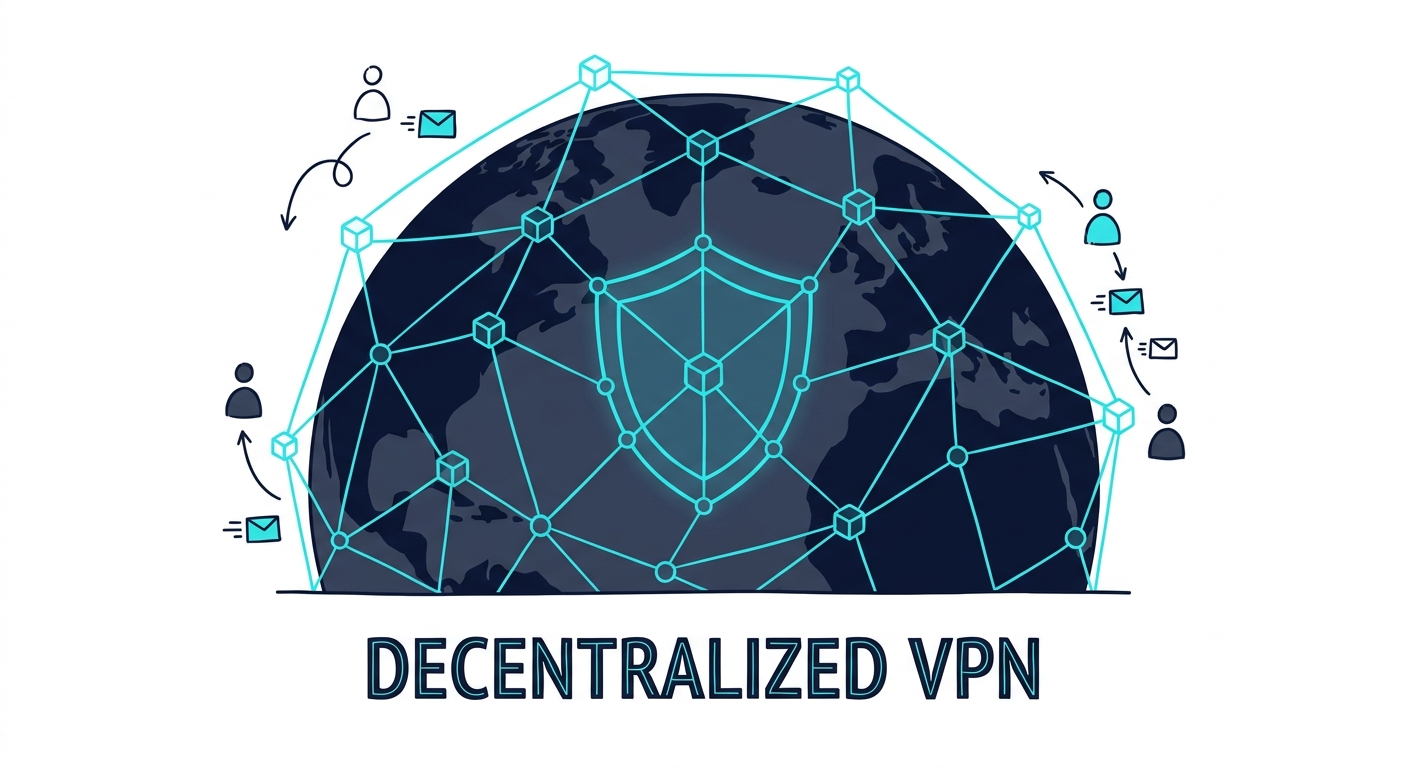
Think of your home network as a house. You don’t want strangers walking through your bedroom. By using a robust router setup, you can segment your traffic. Your personal devices—banking, work, private browsing—should sit behind a secure, non-logging VPN, creating a "Private Tunnel." Meanwhile, your node software runs in a separate, firewalled VLAN (a virtual local area network) that acts as the "Public Relay."
Pro-Tip: Check your ISP's Terms of Service. Most residential plans are fine with general bandwidth usage, but heavy, 24/7 commercial-grade relaying can sometimes trigger automated flags. If you’re worried about account termination, look into Top 7 Web3 VPNs for 2026 to help manage your traffic signatures and ensure you stay within your service provider's acceptable use policies.
By utilizing Zero-Knowledge Proofs, you ensure that you never see the buyer’s traffic and they never see yours. The protocol acts as an encrypted barrier.
Practical Setup: From zero to node in 15 minutes
Forget the days of command-line interfaces and endless server headaches. Today, most protocols offer a "set-and-forget" desktop app. If you’re ready to dive into the technical nuances of node management, The Ultimate Guide to Blockchain Bandwidth Monetization is an essential read to help you choose a protocol that balances ease of use with the hardware requirements of your device.
A successful setup typically involves:
- Verifying your upload speed: AI scrapers want consistent, high-upload connections.
- Choosing a protocol: Some are just browser extensions; others run as background apps.
- Throttling: Always set a bandwidth limit in your node settings. Don’t let the relay traffic kill your work video calls or your 4K streaming.
The Future: From training to agentic tasks
We are currently in the "Training Phase" of the bandwidth marketplace. AI models are hungry for raw data, and they’re paying for it. But the horizon looks different. As we move toward 2027 and beyond, AI will shift from static training to "agentic" tasks.
Think about it: AI agents will soon autonomously navigate the web to book travel, manage supply chains, or perform real-time research. This evolution will drastically spike the demand for residential bandwidth. These agents need to act with the speed and reliability of a real user, making your home connection a critical piece of the global infrastructure. For node operators, this means the value of your bandwidth is likely to climb as the demand shifts from simple data scraping to active, real-time web navigation.
Frequently Asked Questions
Is it legal to rent out my internet connection?
Generally, yes. Most bandwidth marketplace protocols operate by routing traffic through your IP for legitimate research and web-crawling purposes. However, you should review your ISP’s Terms of Service to ensure you aren't violating specific clauses regarding commercial use of a residential line.
Can I get in trouble if a user does something illegal via my IP?
Protocols utilize sophisticated filtering, encryption, and logging-free architectures to prevent illegal traffic from passing through your node. Because the traffic is routed through encrypted tunnels using ZKPs, the burden of the traffic's content is handled by the protocol’s internal security measures.
Does bandwidth sharing slow down my home internet?
It can if you don't manage it. Most modern node apps allow you to "throttle" the amount of bandwidth shared. By setting a cap—for example, limiting the node to 20% of your total upload capacity—you ensure that your personal browsing and gaming remain unaffected while still earning rewards.
What is the difference between a traditional VPN and a decentralized bandwidth marketplace?
A traditional VPN is a centralized service you pay to protect your privacy. A decentralized bandwidth marketplace is an "inverse" model: you are the service provider. Instead of paying to hide your traffic, you are being paid to host a node that allows others to access the open, public web through your connection.
How do I accurately calculate my monthly earnings?
Earnings are typically determined by your location (Regional Arbitrage), your uptime (how long your node stays online), and the quality of your IP. Most platforms provide a dashboard that tracks your payout in real-time based on the volume of traffic successfully routed through your node.