Decentralized VPN (dVPN) vs. Traditional VPN: Why Privacy-Preserving VPNs Are the Future
TL;DR
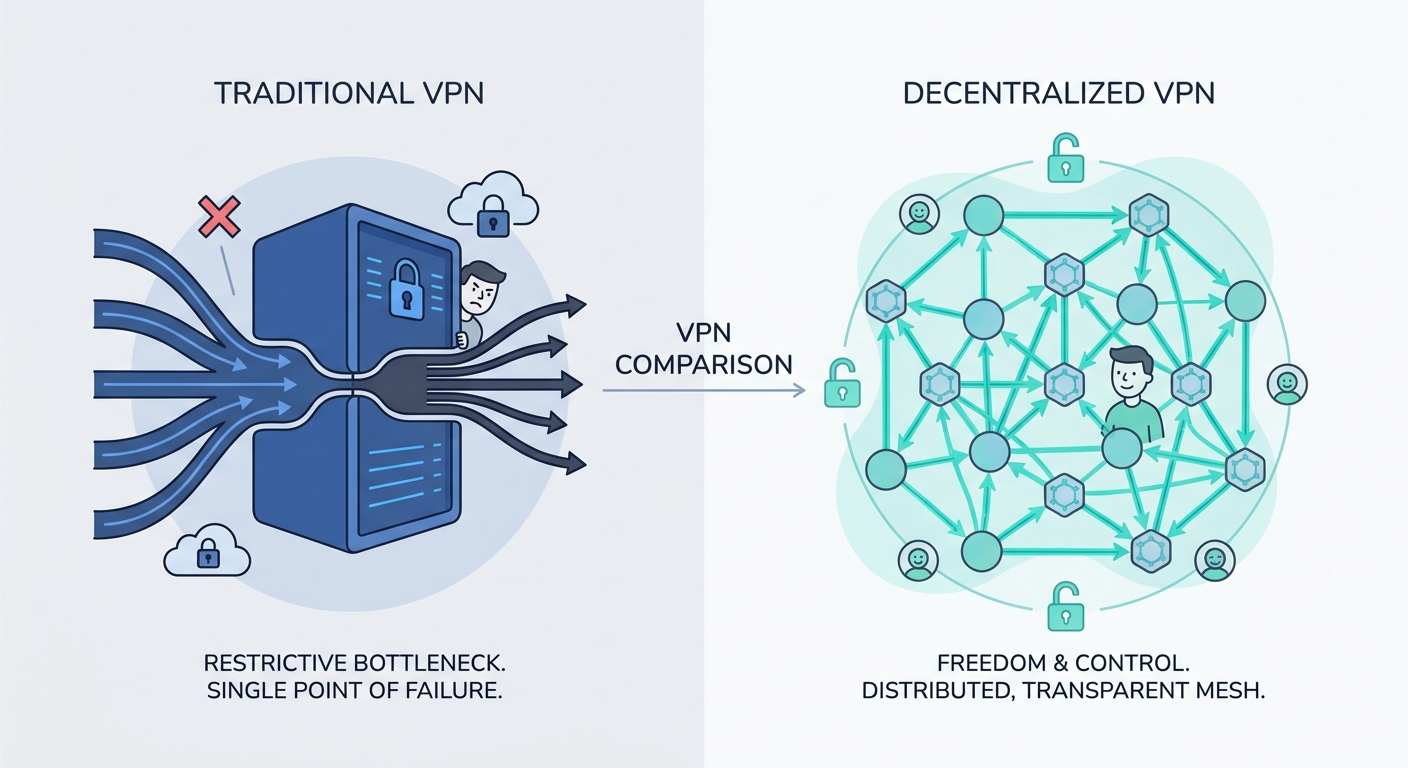
- ✓ Traditional VPNs rely on centralized servers that require blind trust in providers.
- ✓ Decentralized VPNs use P2P networks to eliminate central points of failure.
- ✓ Multi-hop architecture ensures no single node sees your complete browsing activity.
- ✓ DePIN technology powers dVPNs by crowdsourcing bandwidth from a global node network.
The promise of a VPN is simple: keep your digital footprint out of sight. But here’s the catch. To get that privacy, you have to perform a massive act of faith. You hand your data over to a company, cross your fingers, and hope their "no-logs" policy is more than just marketing fluff. You aren’t actually cutting out the middleman; you’re just picking a different one and trusting they won't sell you out.
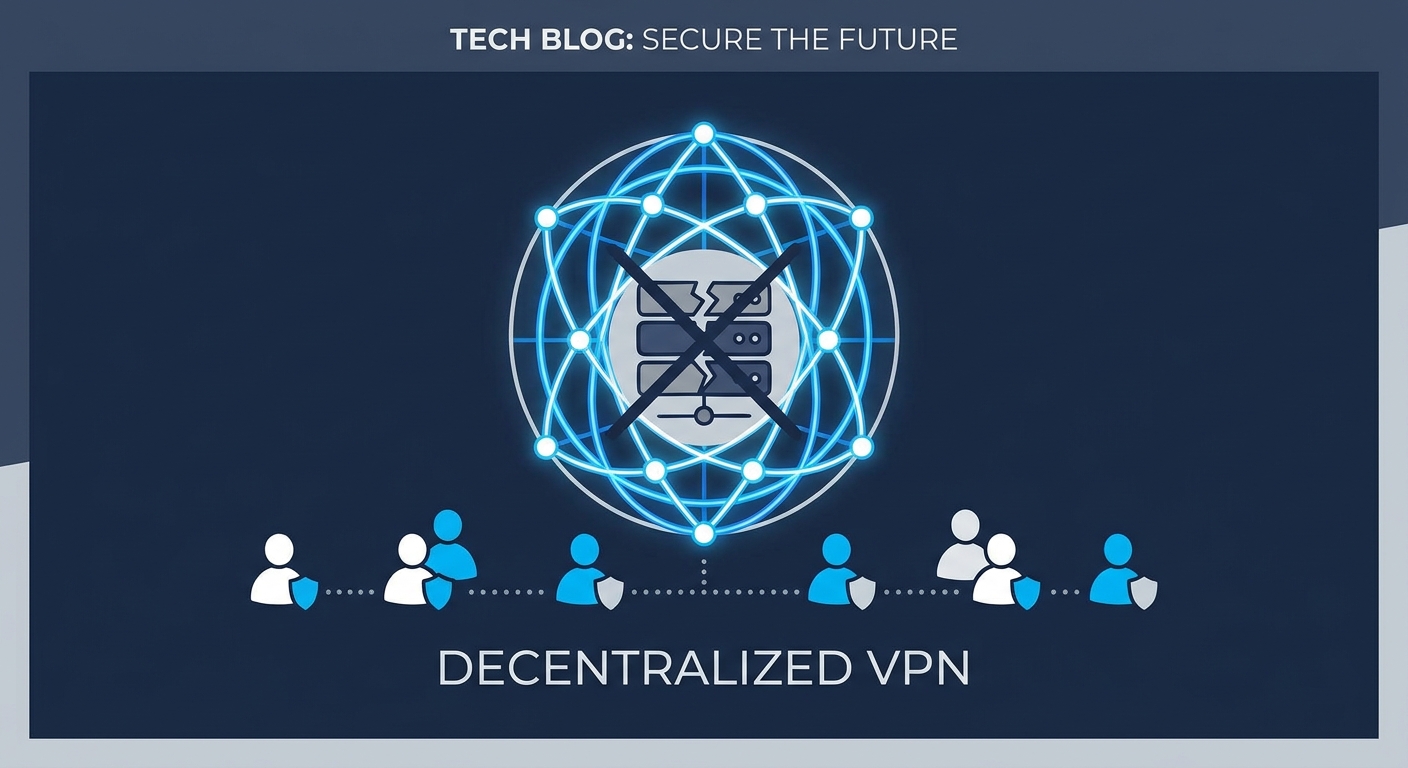
As we stare down the barrel of 2026, the old-school VPN model is starting to look like a relic. It’s time to stop worrying about which brand you trust and start looking at the protocol itself. Enter the decentralized VPN, or dVPN. It’s a total shift from brand-based security to math-based, verifiable privacy. If you’re still scratching your head about how it works, take a second to learn what a dVPN is before we rip the lid off how it changes the game.
Infrastructure: Server Farms vs. P2P Networks
Traditional VPNs run on the "Data Center" model. A company rents space, racks up servers, and manages your traffic. It’s fast. It’s slick. It’s also incredibly centralized. If a government agency knocks on that company’s door with a subpoena, or if one bad apple in their IT department decide to peek at the logs, the whole house of cards falls down. You are betting your digital life on the integrity of a single office building and the jurisdiction it sits in.
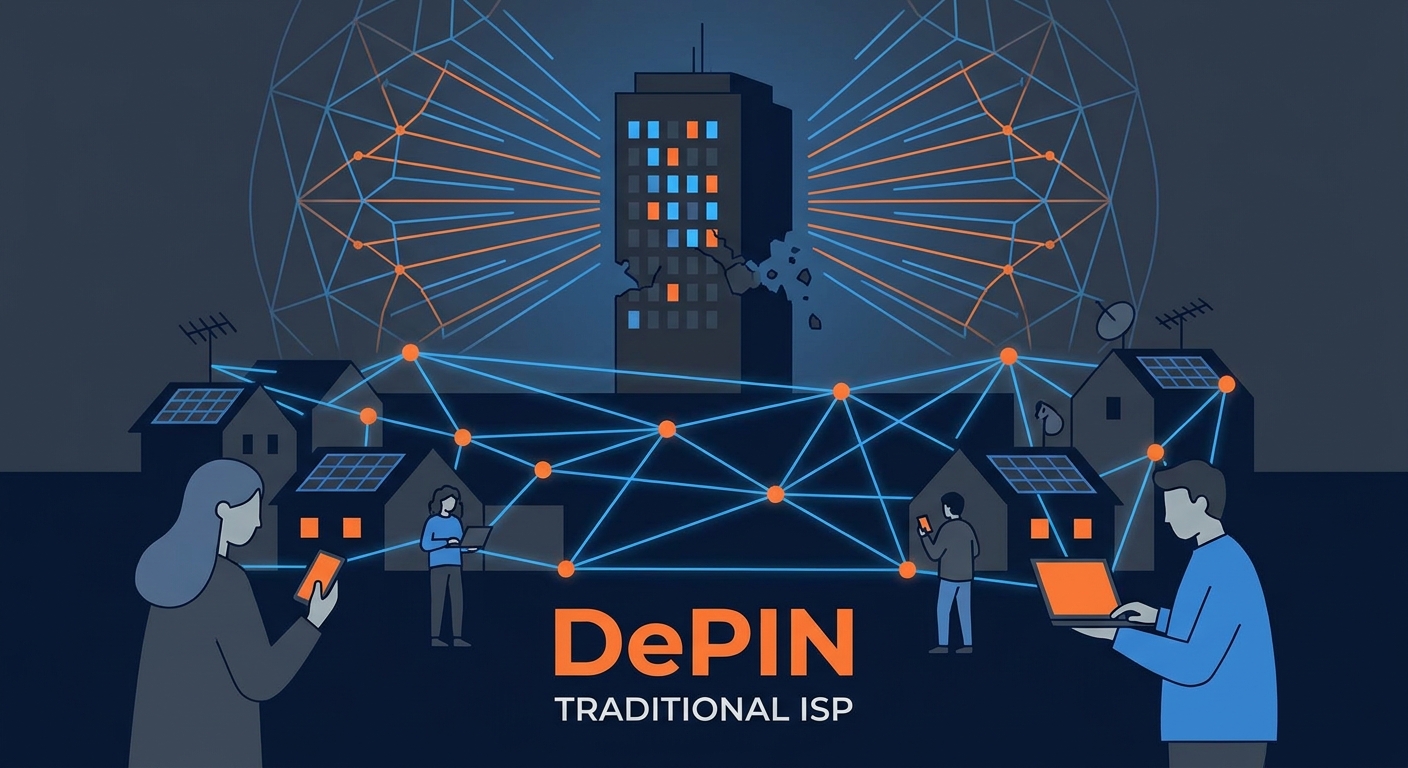
A dVPN is different. It’s a distributed beast. Instead of a few massive server farms, you’ve got thousands of nodes run by independent people all over the planet. This is the heart of the DePIN—Decentralized Physical Infrastructure Network—movement. It’s growing fast, and as noted in recent DePIN Market Growth reports by Messari, it’s maturing into a real alternative to the old guard. By cutting out the central boss, the dVPN makes sure no single entity holds the keys to your history. Your data gets chopped up, encrypted, and bounced through a mesh of peers who don't know you, don't care about you, and couldn't track you even if they wanted to.
How Data Moves: The Three-Node Architecture
The real genius of a dVPN is how it routes your traffic. In a standard VPN, it’s a single-hop trip. You connect to the server, and the server connects to the website. That one server sees everything: your IP, your destination, and your activity.
Decentralized networks, however, usually use a multi-hop setup, borrowing from the heavy-duty standards of the Tor Project’s approach to routing. By layering the path, the network makes sure no single point in that chain has the full picture of what you’re doing.
This three-node dance breaks the connection between you and your destination. The Entry node knows who you are, but not what you’re looking at. The Relay node just passes the baton without looking at the contents. The Exit node knows what you’re accessing, but has no clue who you are. We’ve moved from "trust our policy" to "trust our math."
Why Decentralization is the Future of Privacy
For a decade, "no-logs" has been the industry’s favorite slogan. It’s a nice phrase, but it’s still just a "trust me" claim. You have to believe they configured the servers right. You have to believe they aren't keeping a secret backup.
In a decentralized world, "no-logs" isn't a promise; it’s a physical constraint. There is no central server to log traffic. There is no central admin to subpoena. When you use a protocol built on cryptographic proofs, you’re relying on the laws of physics and math, not a marketing team’s script. This is exactly why projects like Nym Technologies' privacy architecture are becoming the gold standard for anyone who actually cares about anonymity.
Performance vs. Privacy: The 2026 Reality Check
Let’s be real for a second: you pay a price for this kind of privacy. Centralized VPNs are optimized for speed. They have massive fiber connections and optimized hardware. When you route your traffic through a volunteer’s node in a basement in Berlin, you’re at the mercy of their home internet.
If your main goal is 4K streaming or low-ping gaming, a traditional Tier-1 VPN is going to win every time. The extra hops and the variable speeds of decentralized nodes can add jitter and lag that’ll make you want to throw your controller through the screen. But if you're a journalist, a researcher, or someone living under a regime that blocks every major VPN on the planet? The speed trade-off is a bargain. Decentralization is how you slip past firewalls that see right through the big commercial providers.
The Bandwidth Economy: Can You Really Earn Passive Income?
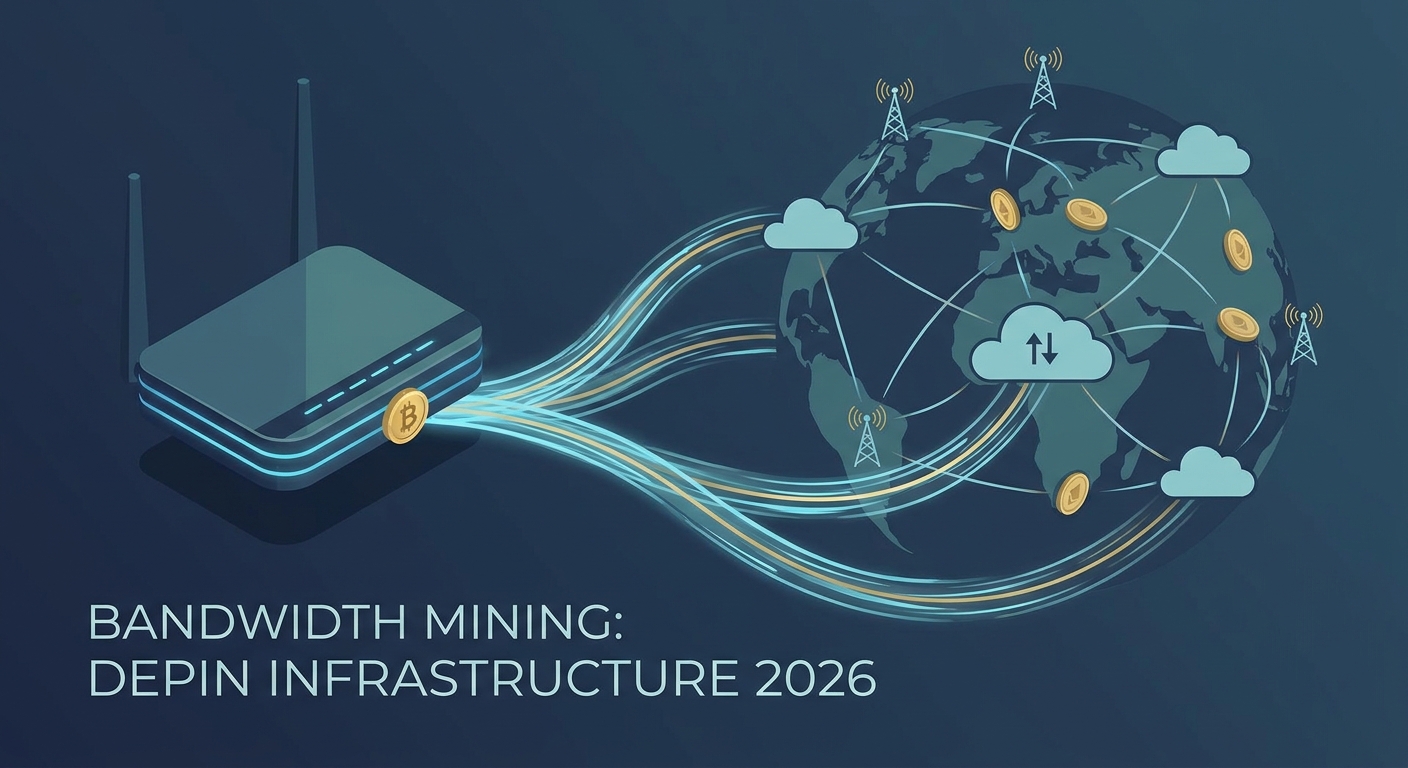
The "bandwidth economy" turns you from a customer into a participant. You can run a node, share your spare internet capacity, and earn tokens for your trouble. If you want to get into the weeds, our Monetize Your Bandwidth Guide breaks down exactly what you need to get started.
Just don’t quit your day job. The earnings are modest. It’s designed to keep the network healthy and fast, not to make you a millionaire. To be a good node operator, you need stable hardware and a solid connection. It’s a utility-first model. Treat it like one.
Navigating the Risks: The Exit Node Problem
Decentralization isn't magic; it comes with its own headaches. Specifically, the "Exit Node" risk. Since the exit node is where your traffic hits the open web, it’s theoretically possible for a bad actor to run an exit node and try to sniff unencrypted data.
This is why the pros use a "Bridge" strategy. They use a fast, reliable centralized VPN for the boring stuff—like Netflix or downloading games—where speed matters more than iron-clad privacy. For the sensitive stuff? They switch to a dVPN. By layering your security, you get the best of both worlds without putting all your eggs in one basket. When you’re ready to weigh your options, our guide on choosing the right VPN can help you decide which approach fits your specific threat level.
Conclusion: Which VPN is Right for You?
The choice is simple: Do you want convenience, or do you want control? If you want "plug-and-play" and high speeds for your evening binge-watch, stick with the centralized guys. They’re great at what they do. But if you believe privacy is a right—something to be defended with code instead of a handshake—then the dVPN is the only logical path forward. We’re moving into an era where the protocol is the product. Choose what matches your risk tolerance, and remember: in the digital world, never take someone’s word for it. Verify it.
Frequently Asked Questions
Are dVPNs inherently safer than traditional VPNs?
They are safer in terms of trust architecture. By eliminating the central entity that holds the "kill switch" or maintains access to server logs, dVPNs move the responsibility of privacy to cryptographic protocols. You no longer have to worry about a corporation being forced to hand over your data, because that data does not exist in any centralized location.
Can I use a dVPN for streaming content like Netflix?
While technically possible, it is often suboptimal. Streaming platforms actively detect and block data-center IPs. While dVPNs use residential nodes which are harder to block, the latency inherent in multi-hop routing often leads to buffering. A dVPN is a tool for privacy and censorship resistance, not for bypassing geo-restrictions for high-bandwidth entertainment.
Is it legal to operate a dVPN node?
Operating a node is generally legal, but it carries responsibility. You are essentially acting as an ISP for the traffic passing through your node. Most robust dVPN protocols allow node operators to set filters on the type of traffic they relay, allowing you to block illegal or high-risk content to protect yourself from liability.
How does the tokenized incentive layer work?
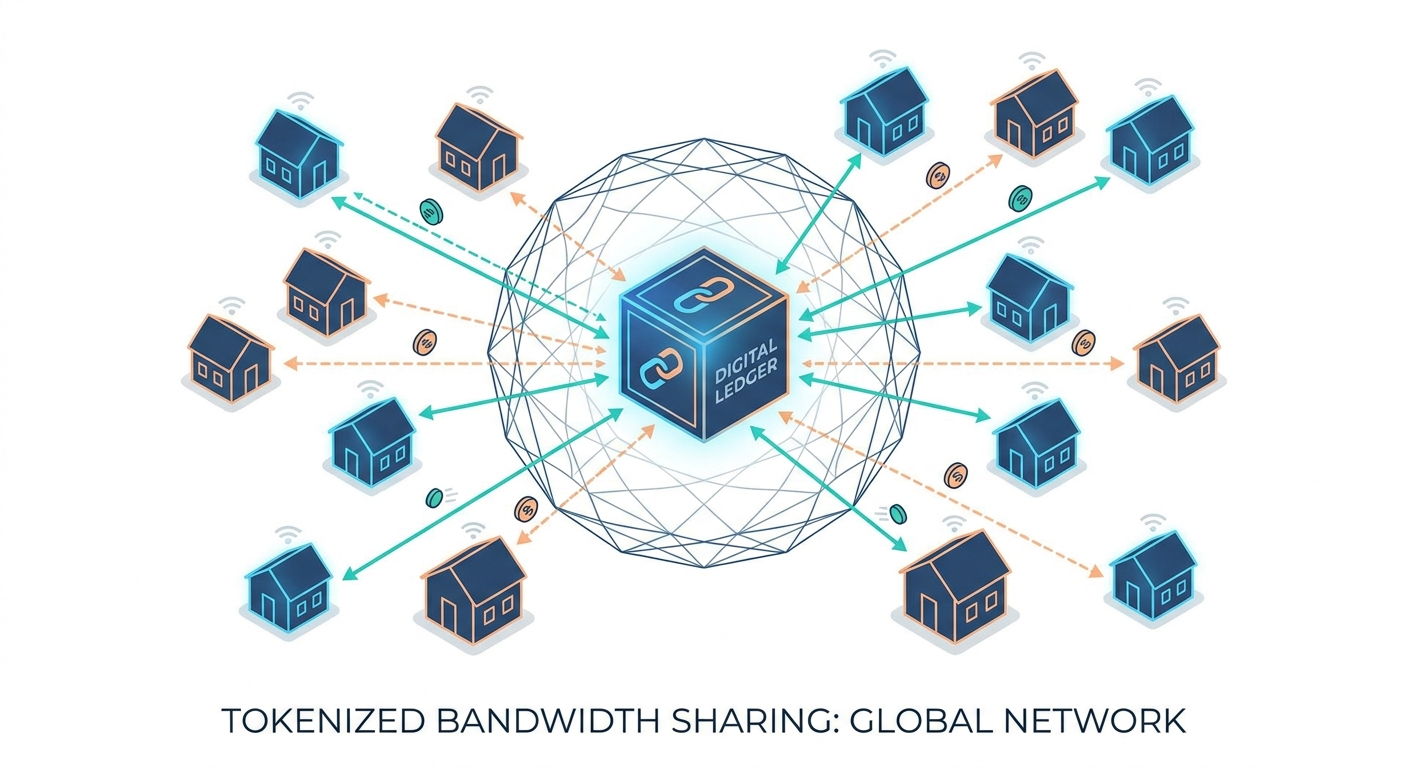
The tokenized layer functions as a market. When you contribute bandwidth, the network automatically calculates your uptime and quality of service. You are then rewarded in the network’s native token via blockchain-based micro-payments. This ensures that the network remains decentralized, incentivizing people to provide bandwidth in regions where it is most needed.
What is the "Bridge" approach to VPN security?
The "Bridge" approach is the practice of using two different privacy tools for two different needs. You use a fast, centralized VPN for your day-to-day, high-bandwidth activities where privacy is less critical, and you reserve a dVPN for sensitive, high-risk tasks where you require the highest level of anonymity and censorship resistance.