Passive Income with Bandwidth Sharing: A Beginner’s Guide to Earning Crypto in 2026
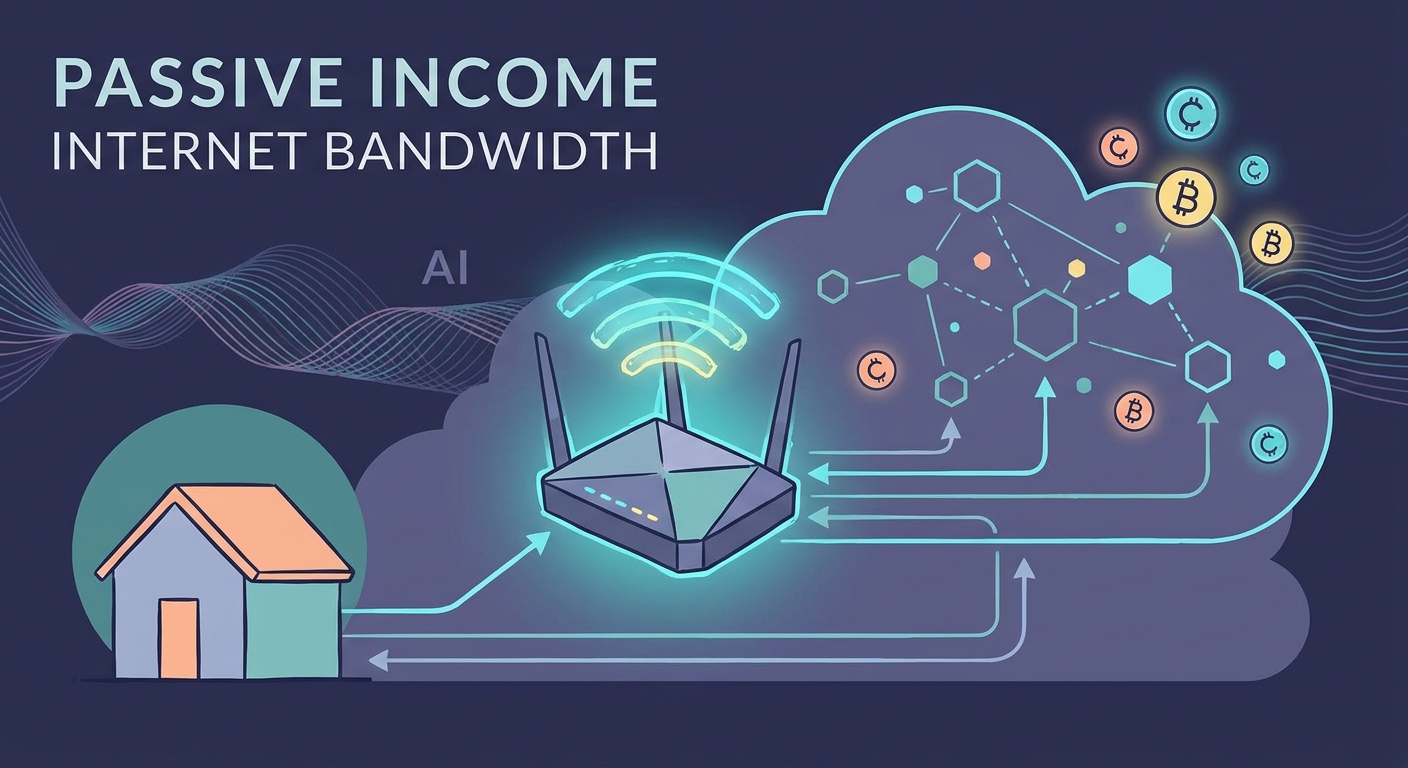
Your home internet connection isn’t just a utility bill anymore. It’s a dormant digital asset, idling away for sixteen hours a day while you sleep or work. By 2026, the "AI Data Bottleneck" has turned residential bandwidth into one of the most liquid commodities on the planet.
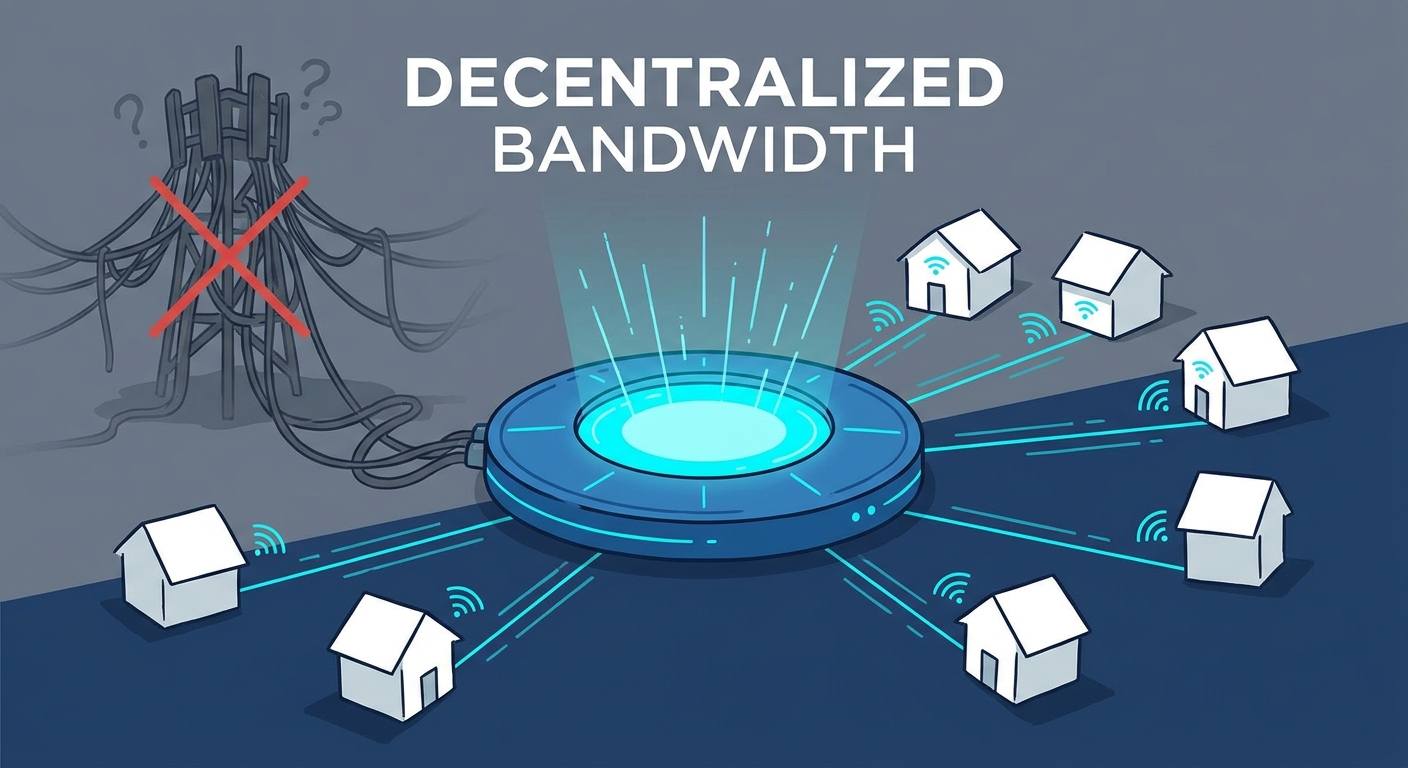
AI labs are starving. They need to train massive models, but they hit anti-bot firewalls the second they try to scrape data from a data center. They need residential IP addresses—they need your internet connection—to verify content and scrape data without getting blocked. Instead of funneling money to bloated cloud giants, these protocols are now cutting out the middleman and paying you directly. By joining the DePIN (Decentralized Physical Infrastructure Network) sector, you’re shifting from a passive consumer of data to a foundational provider of network infrastructure.
What is DePIN and Why Does it Matter in 2026?
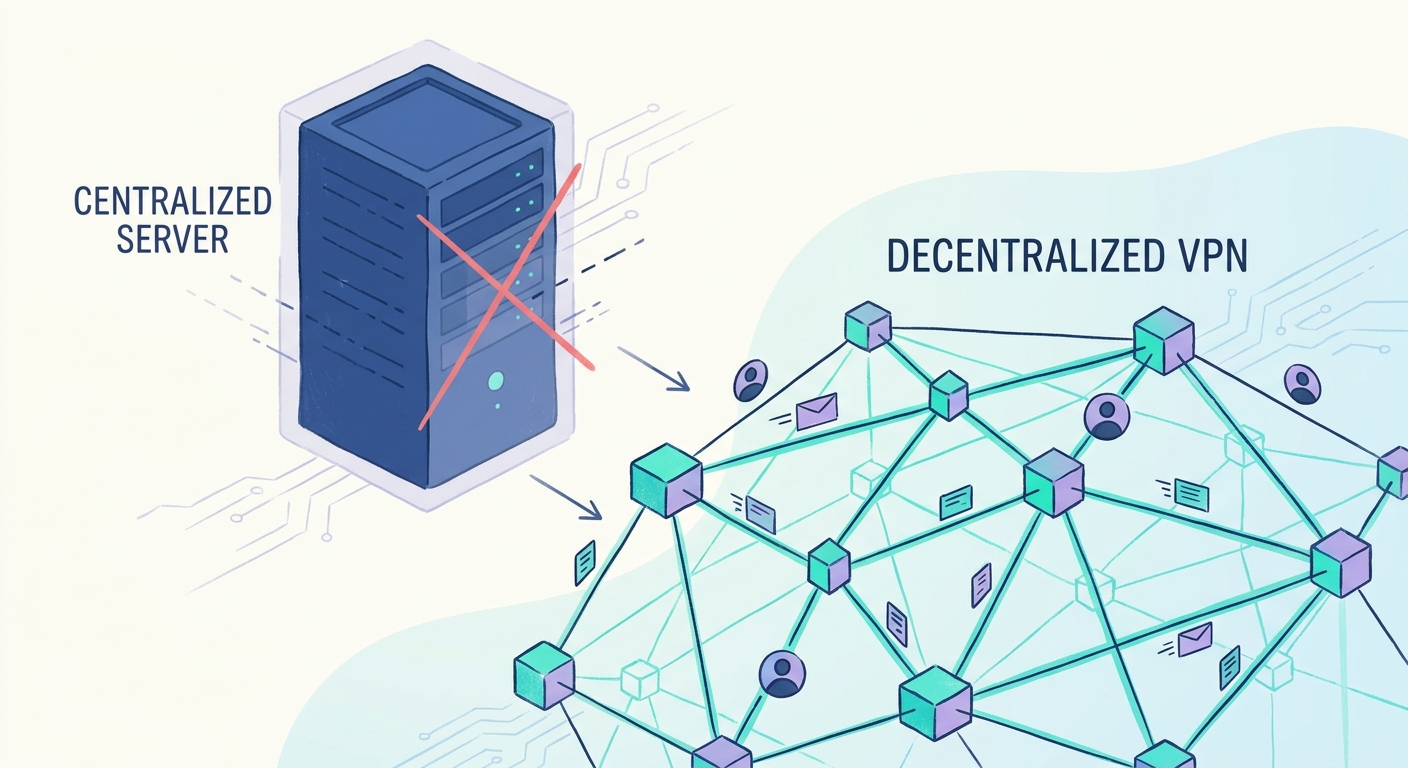
DePIN is the biggest shake-up to the internet since AWS took the stage. For decades, if a company needed global data, they went to a centralized provider. It was easy, sure, but it was also opaque—a single point of failure that created massive monopolies.
DePIN flips the script. It allows you to contribute your own hardware—bandwidth, storage, computing power—to a global, community-owned pool. You become a micro-node in a massive, distributed machine. You aren't "mining" crypto in the old, power-hungry sense. You’re providing a physical, verified bridge for enterprise-grade data requests. It’s cleaner, it’s fairer, and it’s actually useful.
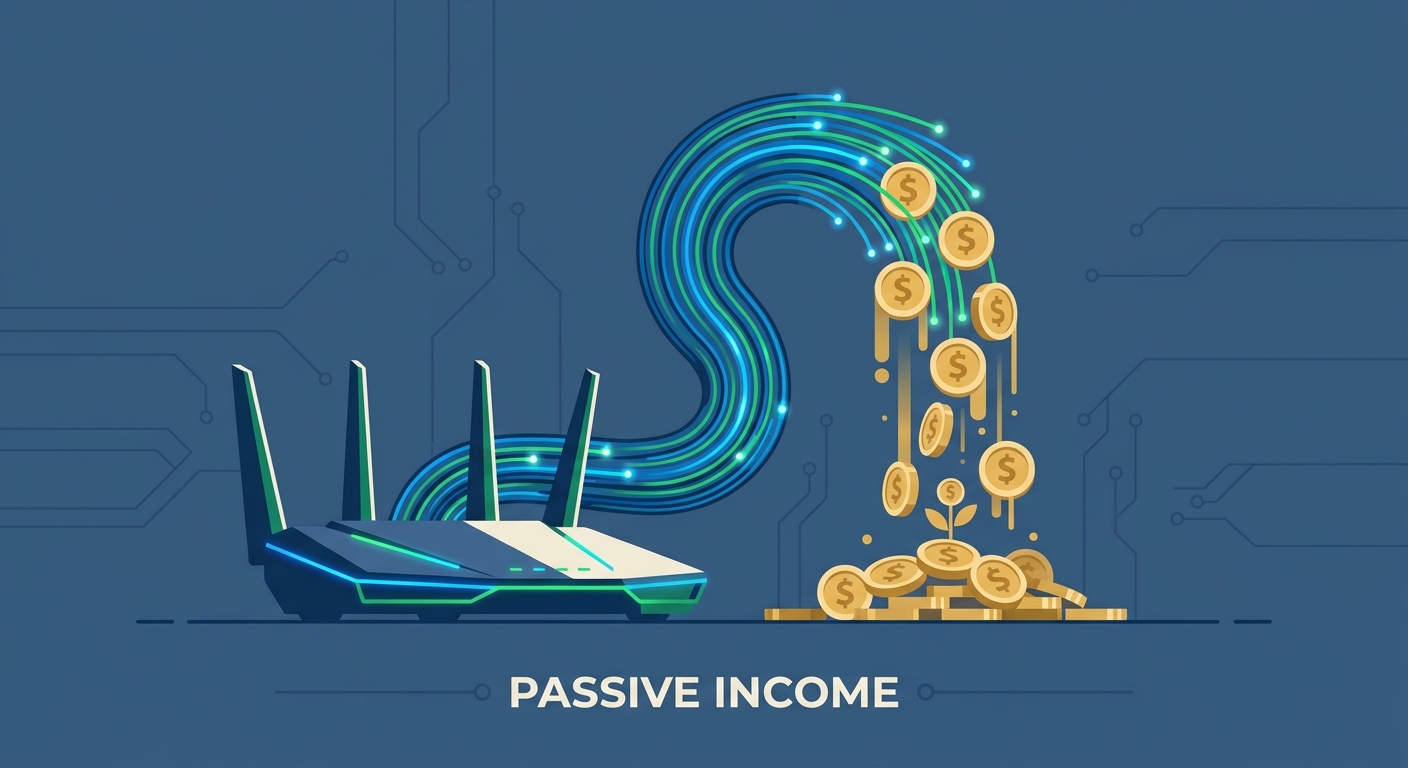
This model is built to last. Because it’s distributed across thousands of homes, it’s nearly impossible to censor. Those massive cost savings that used to go to data center shareholders? They’re being passed directly to you through tokenized incentives.
How Does Bandwidth Sharing Actually Work?
Think of it as a decentralized proxy service. When you run a node or a browser extension, your device acts as a gateway. When an AI company needs to see how a website renders in a specific city—say, New York or Berlin—they route that request through your home IP.
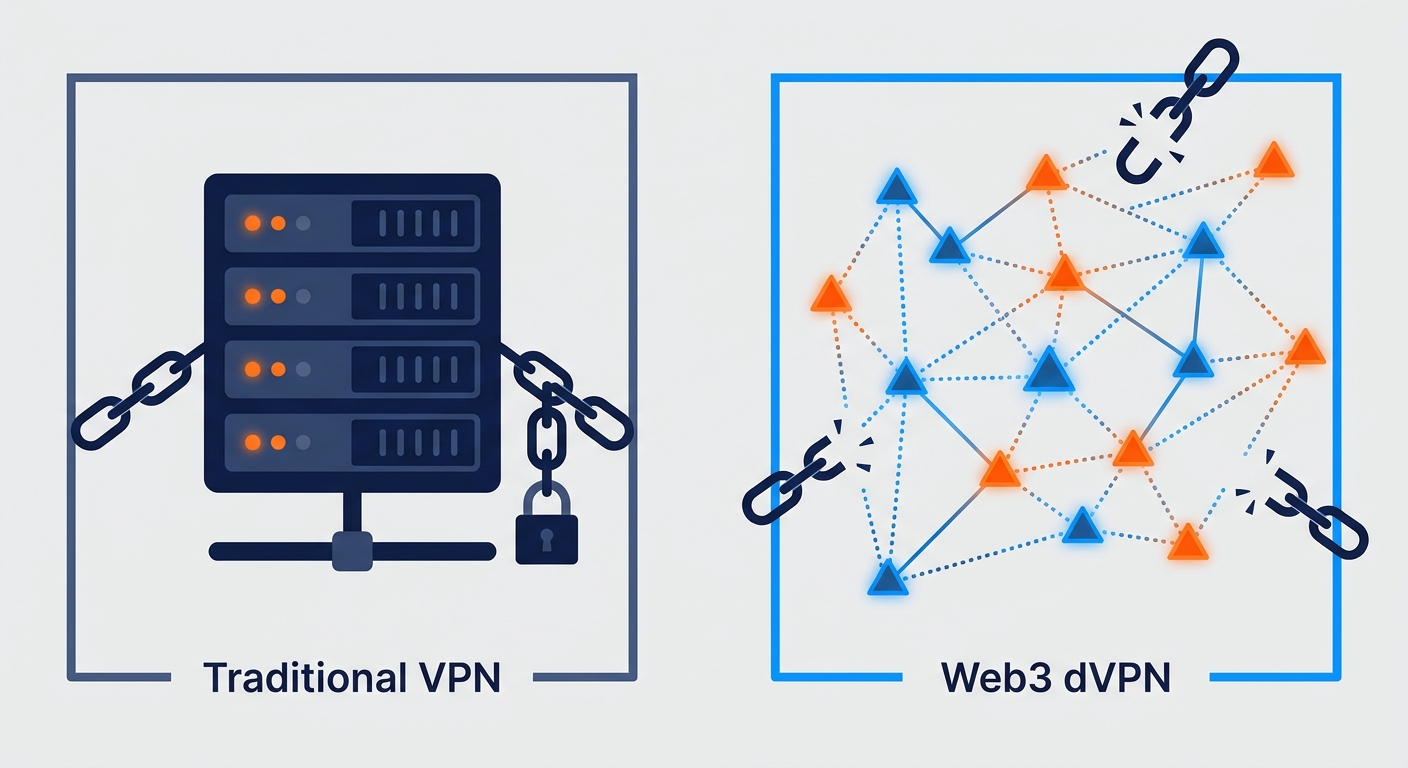
This isn't a standard VPN. While you might use a decentralized VPN to hide your own tracks, these DePIN protocols use your connection to provide "residential legitimacy" to big-ticket clients.
There are two ways to play this:
- Software-only: Browser extensions or background apps. These are the "plug-and-play" option. Great if you want to earn while you browse without tinkering.
- Hardware-based: Dedicated routers or IoT kits. These are for the pros. They offer higher uptime, better stability, and are essentially a "set-and-forget" revenue stream.
The "Privacy-First" Standard: Why ZKPs Change Everything
The first thing people ask is: "If I share my connection, am I going to be held liable for what someone else does online?"
It’s a fair worry. But the tech has moved fast. By 2026, the gold standard is the Zero-Knowledge Proof (ZKP). By integrating Zero-Knowledge Proofs, these platforms verify your connection is legit without ever touching your private data. ZKPs act as a cryptographic gatekeeper. The protocol knows your bandwidth is "clean" without ever needing to see your personal digital footprint. This has effectively killed the "bad actor" risk that plagued the early days of this industry.
Which Platforms Should You Use in 2026?
Don't just pick the first one you see. The market has matured, and a few projects have risen to the top by being transparent about how they handle your data and your rewards. According to the current Top DePIN Projects List, here is how the landscape looks:
| Platform Name | Setup Difficulty | Expected Monthly Yield | Privacy Tech |
|---|---|---|---|
| Grass | Very Easy | Low-Medium | ZK-Proofs |
| Titan | Moderate | Medium | Encrypted Tunnels |
| Helium | Advanced | Variable | Hardware-based |
- Grass: The king of "set it and forget it." It’s a browser extension. You install it, you earn, you forget it exists.
- Titan: A solid middle ground. It’s got a more robust node structure for those who want to get serious about data-scraping networks.
- Helium: The veteran. It requires hardware, which is a bit of an upfront cost, but it’s the most mature ecosystem out there.
Step-by-Step: Getting Started Without Compromising Your Network
Ready to dive in? Take a breath. Do it right so you don't end up with a massive ISP bill or a sluggish connection.
- Check your ISP Data Caps: Look at your bill. Do you have a data limit? If you’re pushing 500GB of extra traffic, you don't want to get hit with overage fees that wipe out your crypto gains.
- Download from the Source: Only use the official sites. If you see a "booster" script on a random forum, walk away. It’s a scam, period.
- The "Set and Forget" Setup: Configure the node to run on startup. If you’re paranoid about privacy, use tools to secure your home network to isolate your personal traffic from the node traffic.
- Monitor, Don't Obsess: Check your dashboard once a week. If your earnings dip, it usually just means your IP address is currently less in demand. Don't panic.
How to Calculate Your "Real" Profit?
Stop looking at the token price for a second and look at your wallet. What’s in it after expenses? If you’re running hardware, factor in the electricity cost. Subtract your potential ISP overage fees.
The Golden Rule: Throttle your bandwidth. Most apps let you limit the upload/download speed. Cap it at 10-20% of your total capacity. This way, your work Zoom calls and your Netflix bingeing stay crisp while your node does its work in the background. If the electricity costs more than you’re earning, you’re in a low-demand area. In that case, stick to lightweight software nodes rather than heavy hardware.
Frequently Asked Questions
Is sharing my bandwidth safe, and can companies see my personal internet traffic?
Modern protocols use encrypted tunnels and Zero-Knowledge Proofs to isolate your personal traffic from the data being routed through your node. The companies using your bandwidth cannot see your browsing history, banking info, or personal files; they only see the exit node of your IP address.
Does bandwidth sharing slow down my internet connection?
It can, if left unmanaged. However, most platforms provide a "throttle" setting. By limiting the percentage of your total bandwidth the app can consume, you can keep your connection snappy while you earn.
How much can I realistically earn in 2026?
Earnings are highly variable based on your location (US/EU IPs command a premium) and your uptime. Treat this as a "coffee money" side hustle rather than a primary income source. Most users in high-demand regions earn enough to cover their monthly internet bill, with a little extra left over.
Are these platforms legal, and will my ISP block me for using them?
Bandwidth sharing is legal, but it may violate the specific Terms of Service of your residential ISP if they forbid the use of your connection for commercial purposes. While most ISPs do not actively hunt for this, it is always wise to review your provider's contract if you plan to run a high-traffic node.