How to Start Bandwidth Mining: A Beginner’s Guide to Tokenized Internet Infrastructure
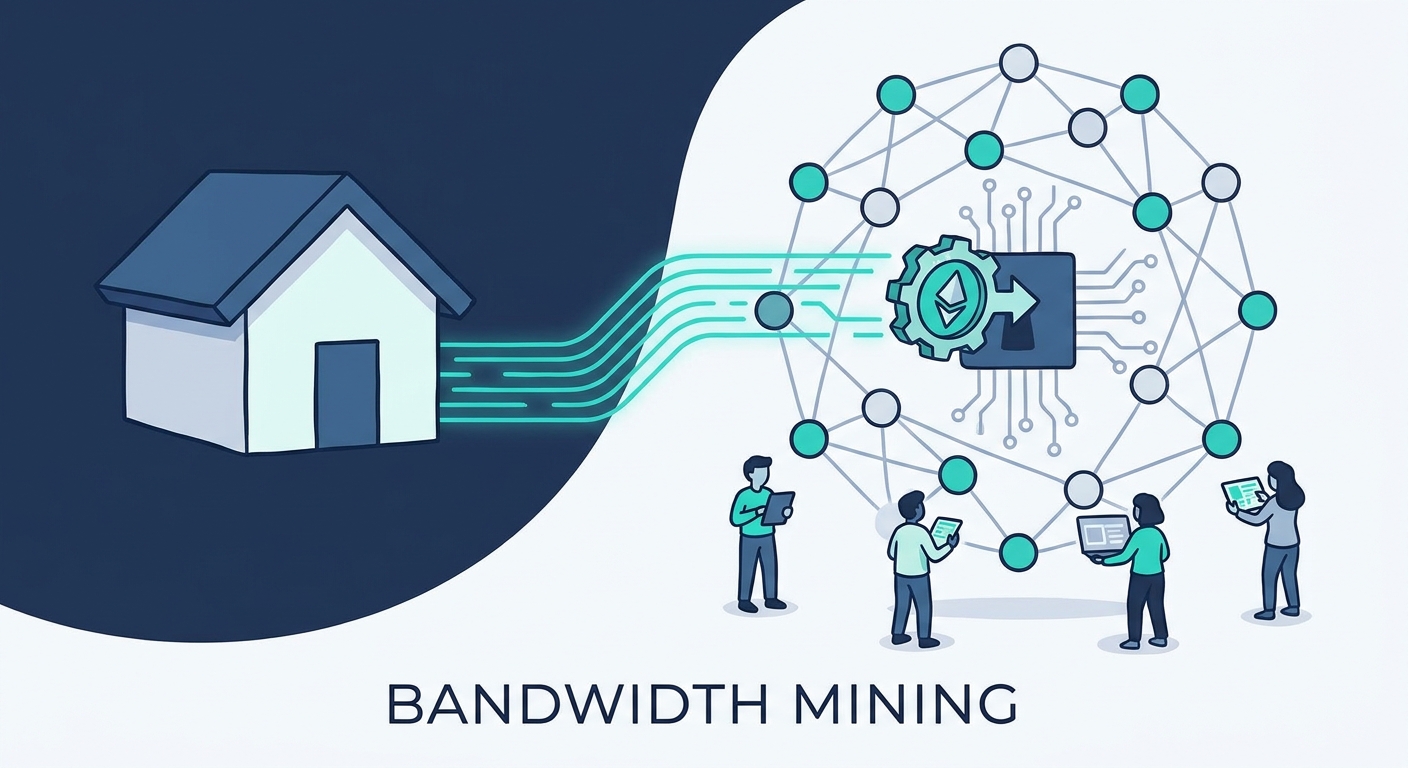
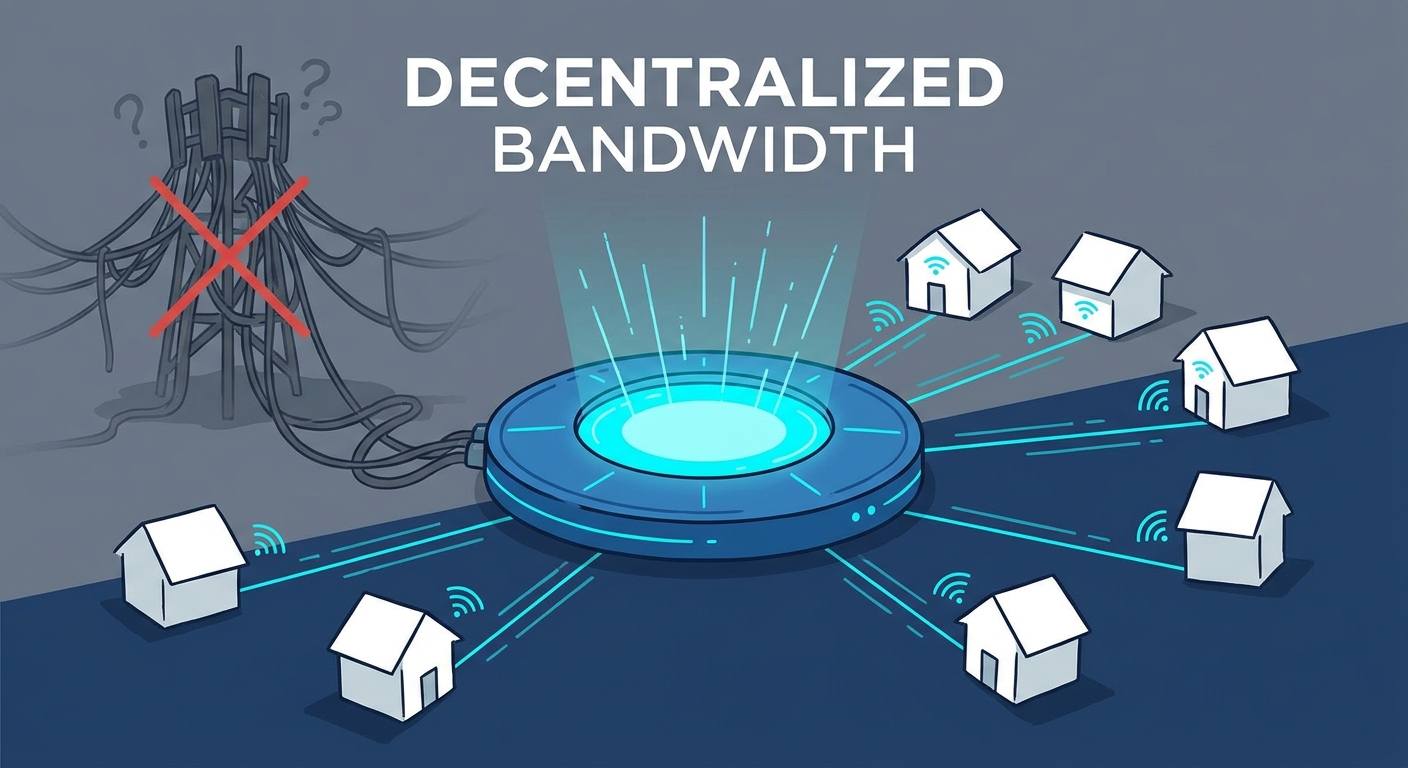
Bandwidth mining is simple: you turn your idle internet connection into a side hustle. You’re essentially renting out a slice of your residential connection to AI companies and researchers who need a real, human-looking IP address. Instead of letting your bandwidth sit there doing nothing while you’re asleep or at work, you’re leasing it to a decentralized network in exchange for tokens. This is the cornerstone of Tokenized Internet Infrastructure. We’re moving away from massive, energy-hungry server farms toward a distributed, community-owned model where the "Verified IP" is the most valuable currency on the web.
The New Digital Gold Rush
Remember the days of speculative yield farming? That was just a high-stakes game of musical chairs with phantom liquidity. Thankfully, we’ve moved past that. We’re now in the era of "physical infrastructure mining," or DePIN (Decentralized Physical Infrastructure Networks).
The catalyst? The insatiable hunger of AI labs. To build models that actually work, AI systems need to see the web through human eyes, not through the filtered lens of a bot in a sterile data center. They need your residential IP—the kind you have in your living room—to scrape data, verify regional content, and test global services.
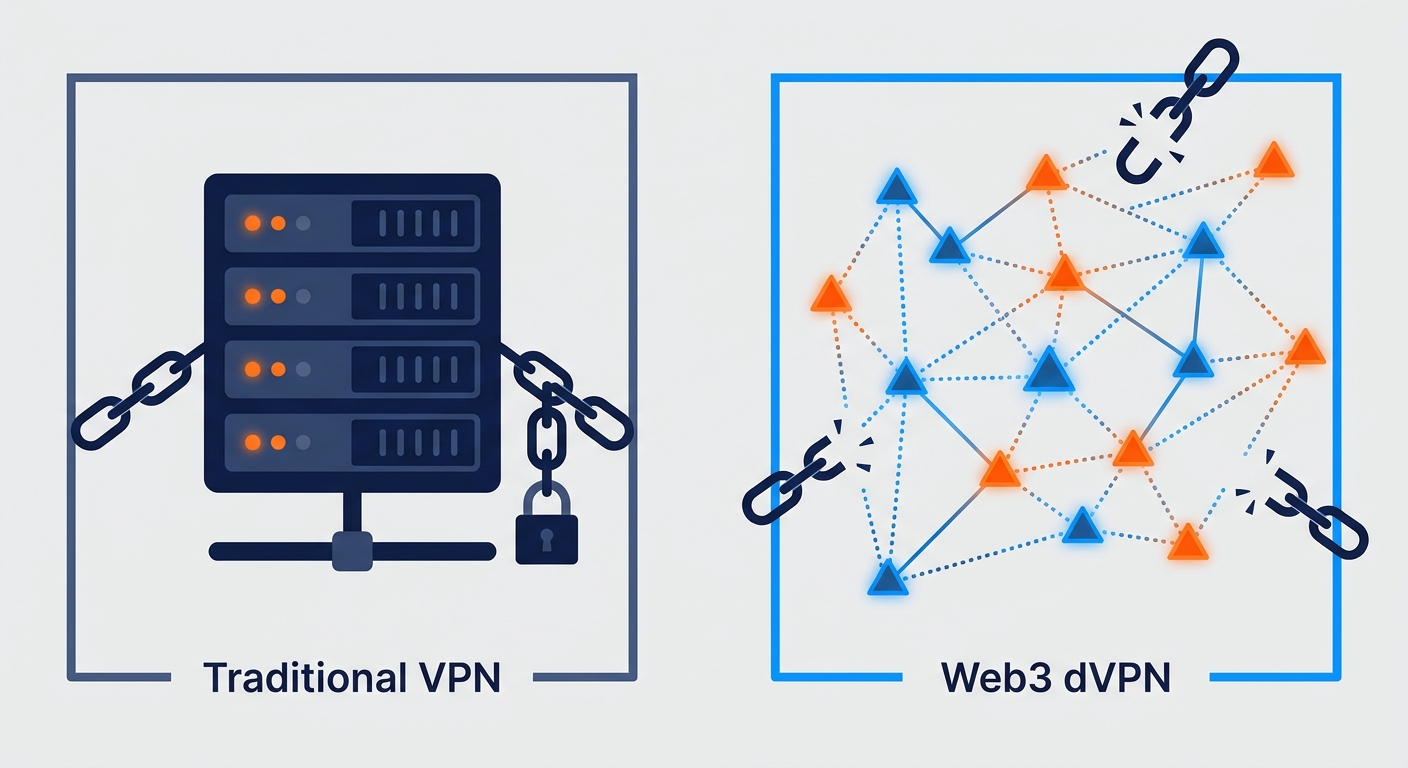
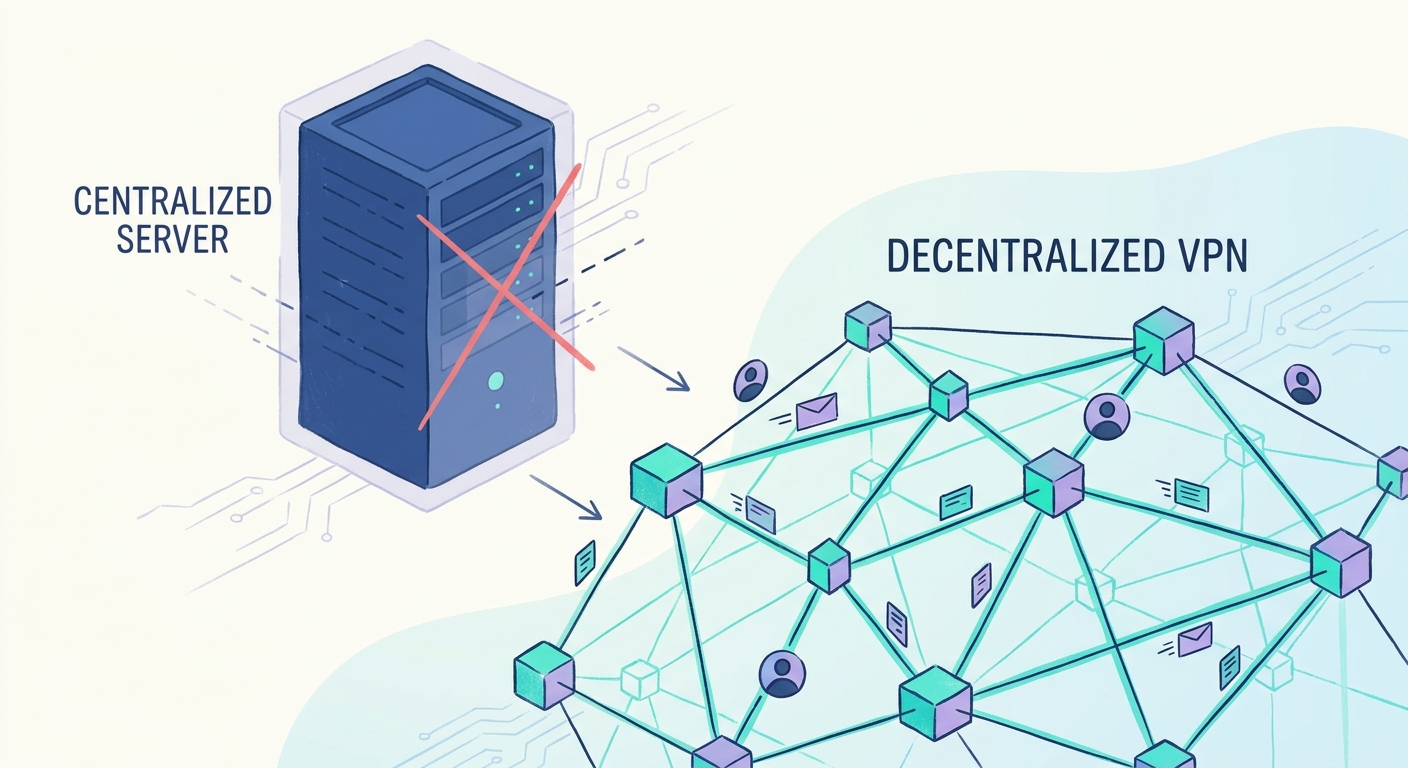
By jumping into this ecosystem, you aren’t just hunting for a payout. You’re becoming a micro-node in a massive, decentralized web. You hold the keys to your hardware, and you decide when to open the door to your pipe. If you’re wondering how this affects your digital footprint, check out this piece on why decentralized VPNs are the future of privacy. It explains the bigger picture behind why your bandwidth is suddenly so valuable.
What is Bandwidth Mining and Why Does it Matter?
Think of a DePIN project as a bridge connecting the supply of residential bandwidth with the demand coming from AI researchers. In the old world, companies rented massive server racks. The problem? Websites and AI filters flag those IPs instantly because they originate from known data center blocks.
Residential IPs are different. They look "human." They are essential for high-fidelity data collection.
This model is also surprisingly sustainable. By using the internet connection already sitting in millions of homes, we stop the need for building and cooling massive, energy-draining server farms. You’re essentially "recycling" your internet connectivity.
How Does the Ecosystem Actually Work?
The magic happens through Zero-Knowledge (ZK) proofs. It’s a fair question: if you’re letting someone use your internet, how do you know they aren’t snooping on your banking or stealing your identity?
ZK-proofs solve this. The protocol verifies that your connection is a high-quality, residential IP address without ever asking you to reveal your physical location, your browsing history, or your personal identity. It’s a "trustless" handshake.
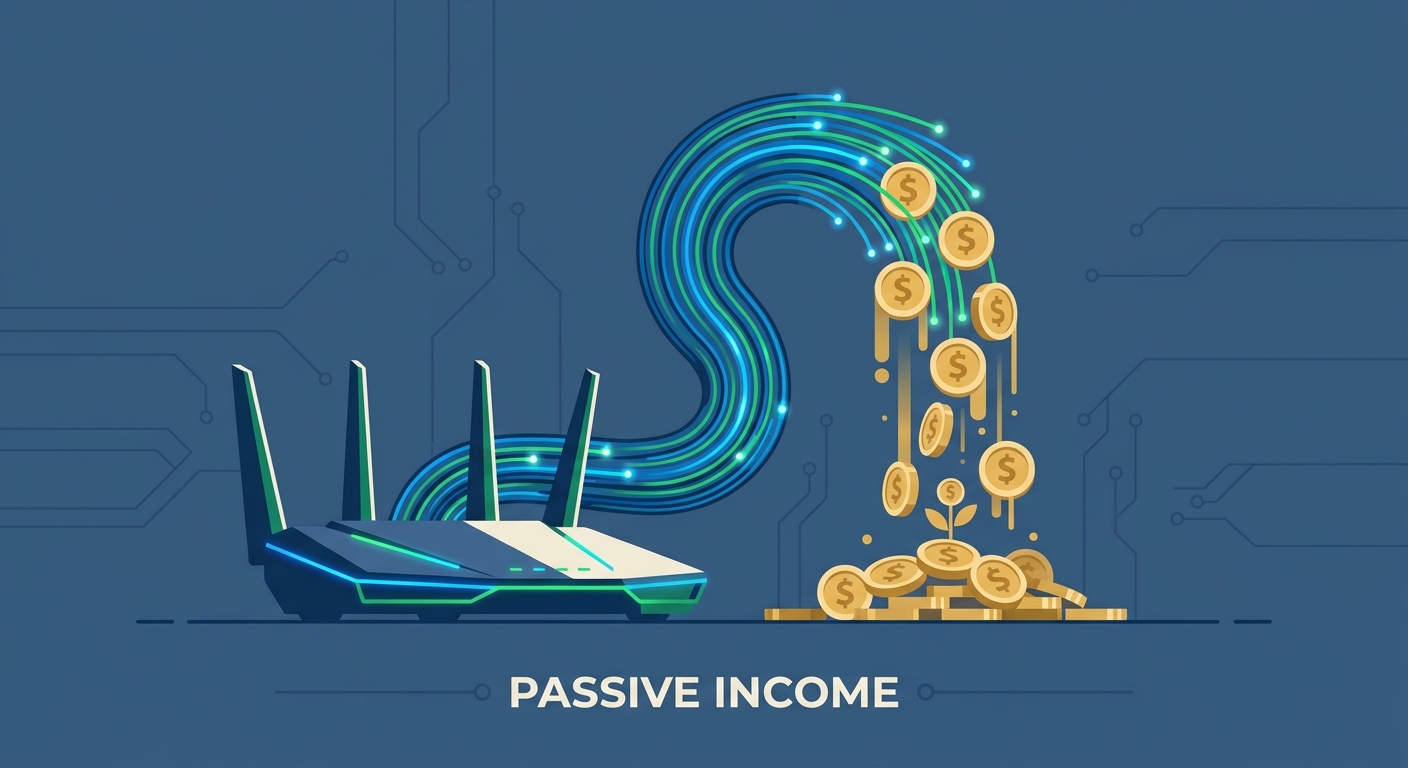
Now, a quick reality check on the economics: In 2026, don’t expect to retire on your bandwidth earnings. Most users pull in a steady $5 to $20 per month. It isn’t a "get rich quick" scheme; it’s a "get paid for what you already have" model. Your cut depends on your location and how much the AI labs want your specific ISP's range. If you want to see how these protocols scale, Solana Foundation's DePIN research is a goldmine for understanding the massive throughput required to keep these networks humming. You can also dig into the technical weeds of node operation via Grass.io’s documentation, which is currently setting the standard for the industry.
How to Start Bandwidth Mining: A Step-by-Step Guide
Setting up a miner isn't like building a Bitcoin rig. You don't need liquid cooling or a degree in electrical engineering.
Step 1: Hardware/Software Readiness
Most projects run as "light nodes." Usually, you just install a browser extension or a lightweight desktop app. If you want to get serious, some users run dedicated hardware nodes—small, low-power boxes that stay on 24/7—to maximize uptime and rewards. If you’re a beginner, just start with the browser extension to get the hang of the dashboard.
Step 2: Connecting Your Wallet
You’ll need a Web3 wallet (like Phantom or MetaMask) to collect your tokens. A word of advice: never use your main wallet—the one holding your life savings—to connect to a new protocol. Create a fresh, secondary wallet specifically for your mining rewards. Treat it like a bank account you only deposit into.
Step 3: Monitoring & Optimization
Your rewards are tied to your "uptime." If your PC is off, you aren't earning. Keep your node running in the background and check your dashboard to ensure the connection is "Active." If you’re looking for new projects or want to check the health of a network, DePIN Hub is the go-to directory for finding reputable networks.
Security & Privacy: Why Your Household Network Needs a Shield
Let’s talk about the elephant in the room: security. When you open your bandwidth, you are acting as a relay for external traffic. While these protocols have safety measures, you are letting unknown entities route traffic through your home.
This is where "Privacy-First" becomes mandatory. To keep your personal browsing isolated from the bandwidth you’re selling, you should use a multi-hop routing strategy. By using tools that support multi-hop onion routing in DePIN ecosystems, you create a "buffer zone." Think of it like having a public lane and a private lane in your driveway. Your personal data stays in the private lane, while the mining protocol handles the traffic in the public lane.
Project Comparison: Which Network Should You Choose?
| Project | Ease of Setup | Hardware | ROI Expectation |
|---|---|---|---|
| Grass | 9/10 | Browser Extension | Moderate |
| Titan Network | 7/10 | App/Dedicated | Moderate/High |
| Helium (Mobile) | 5/10 | Dedicated Hardware | High (Variable) |
When you’re picking a project, look for transparency. Avoid anything that asks for full access to your system files. The best projects—like those mentioned in Solana Foundation's DePIN research—keep their code open-source and limit their verification to basic network metrics.
The Future of Tokenized Infrastructure (2026 and Beyond)
The "Wild West" era of data scraping is cooling down. We’re entering the age of "Ethical Scraping." Providers are finally getting paid fairly, and data buyers are being held accountable. As AI models evolve, they are going to need even more localized, real-world data to stay relevant.
Demand for your residential IP isn't going anywhere; it’s becoming a permanent fixture of the internet economy. By starting now, you aren't just jumping on a trend. You’re helping build the decentralized architecture that is going to define the next decade of the web.
Frequently Asked Questions
Is bandwidth mining safe for my home network?
It’s safe as long as you practice good digital hygiene. The main risk is allowing unverified traffic through your IP. By using a secure, multi-hop VPN to isolate your node’s activity from your personal browsing, you ensure your home network stays locked down while your "mining lane" handles the external traffic.
How much can I actually earn in 2026?
Keep your expectations realistic. Most users earn between $5 and $20 a month. Your earnings are heavily influenced by your location—nodes in the US, UK, and EU usually command higher rates—and your total uptime.
Will this slow down my home internet?
Modern protocols are designed to be "polite." They usually only tap into a small percentage of your idle capacity. If you start a high-bandwidth task, like 4K streaming or a massive download, the protocol is programmed to yield priority to your personal traffic.
Do I need special hardware to get started?
Not at all. You can start with a simple browser extension on your laptop. If you enjoy the process and want to increase your uptime without leaving your computer on 24/7, you can eventually upgrade to dedicated hardware nodes—small, low-power devices essentially designed to "mine" while you sleep.